


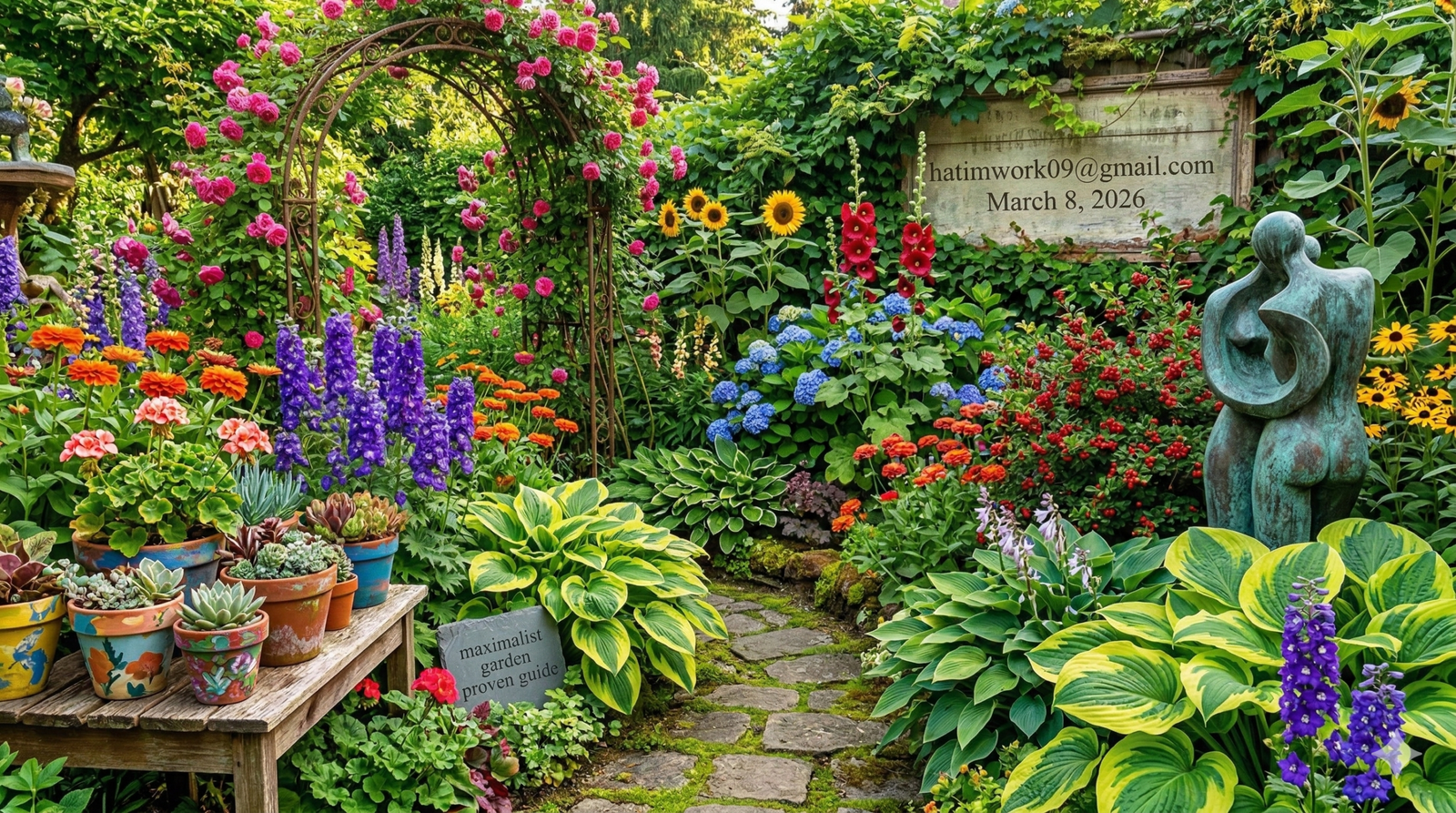
Maximalist garden design is redefining what bold, immersive outdoor spaces mean in 2024. Instead of focusing on minimalism or neat rows, this movement embraces layers of color, texture, and expressive features that put nature on center stage. If you want a garden bursting with life and interest all year, here’s what you need to know.
Key Takeaways
- Maximalist gardens require intentional layering, bold color choices, and thoughtful plant combinations to look lush rather than chaotic.
- While initial cost and maintenance are higher, dense plantings can reduce weeding and boost biodiversity long-term.
- Adding sculptural elements and planning for year-round structure prevent design fatigue and keep the space inviting in every season.
- What Is Maximalist Garden Design and Why Does It Matter?
- How to Create a Maximalist Garden: Step-by-Step Guide
- Common Pitfalls and Realistic Challenges: What to Know Before You Dive In
- Conclusion
- FAQ
What Is Maximalist Garden Design and Why Does It Matter?
Maximalist garden design is the intentional art of densely layering plants and features to create a full, vibrant landscape that overflows with life throughout the year. Unlike minimalist gardens that use negative space and restricted plant palettes, maximalism thrives on diversity—think bold foliage, repeated colors, dramatic forms, and sculptural accents.
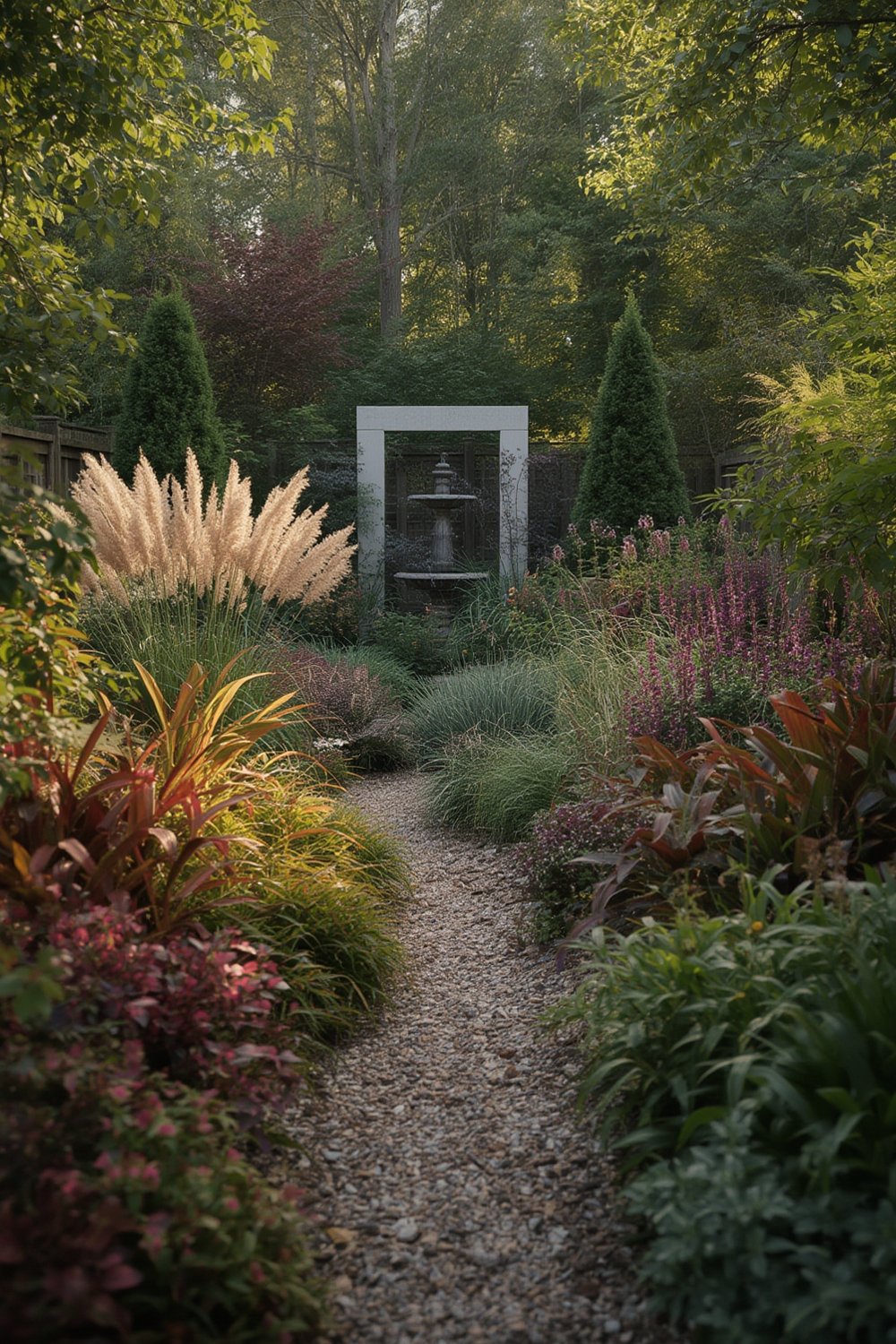
Why is it important now? The approach supports pollinators, enhances biodiversity, and turns even the smallest yard into a personalized escape. According to the National Garden Bureau, more gardeners are switching lawns for lush, mixed plantings to fight pollinator declines and create expressive outdoor rooms.
Maximalist design is also linked with related trends like chaos gardening and cottage gardens, but takes intention further by layering focal points, color themes, and sculptural features. When done right, the result is immersive, beautiful, and alive in every season.
How to Create a Maximalist Garden: Step-by-Step Guide
Building a maximalist garden is not just about collecting more plants. It requires thoughtful structure, attention to texture, and practical planning to create abundance without chaos. Here’s a step-by-step roadmap.
Step 1: Map Your Backbone and Circulation
Begin by sketching out major paths and any open “pause” zones—think simple lawn or gravel areas that give the eye a rest. Mark where you’ll put your tallest plants: columnar trees, large shrubs, statement grasses.
Repeat elements: a winding path flanked by large-leafed shrubs, or a row of clipped hornbeam for drama. These elements tie the design together and provide year-round structure.
If you’re working with a small urban space, don’t skimp on vertical features. wall planters, upright trellises, or even a narrow living wall can anchor lush plantings in tight quarters—see ideas in our Vertical Gardening Ideas guide.
Step 2: Layer Plants for Texture and Color
Follow this hierarchy:
- Back layer: Tall elements like Miscanthus grass, small trees, or large-flowering perennials (Joe Pye weed, Verbena bonariensis).
- Middle layer: Medium shrubs and bushy perennials: hydrangeas, roses, dahlias, salvias, echinacea.
- Front layer: Groundcovers and low perennials: nepeta, creeping thyme, heuchera, sedums. Mix annuals for seasonal pops.
- Vertical: Add climbers like clematis or black-eyed Susan vine on arches, trellises, or walls.
Contrast shapes: combine broad hosta with fine ferns, spiky yucca with bushy lavender. Use repetition—clumps of the same ornamental grass or alliums placed at intervals—to create rhythm amid the wildness.
Step 3: Pick a Bold but Cohesive Color Strategy
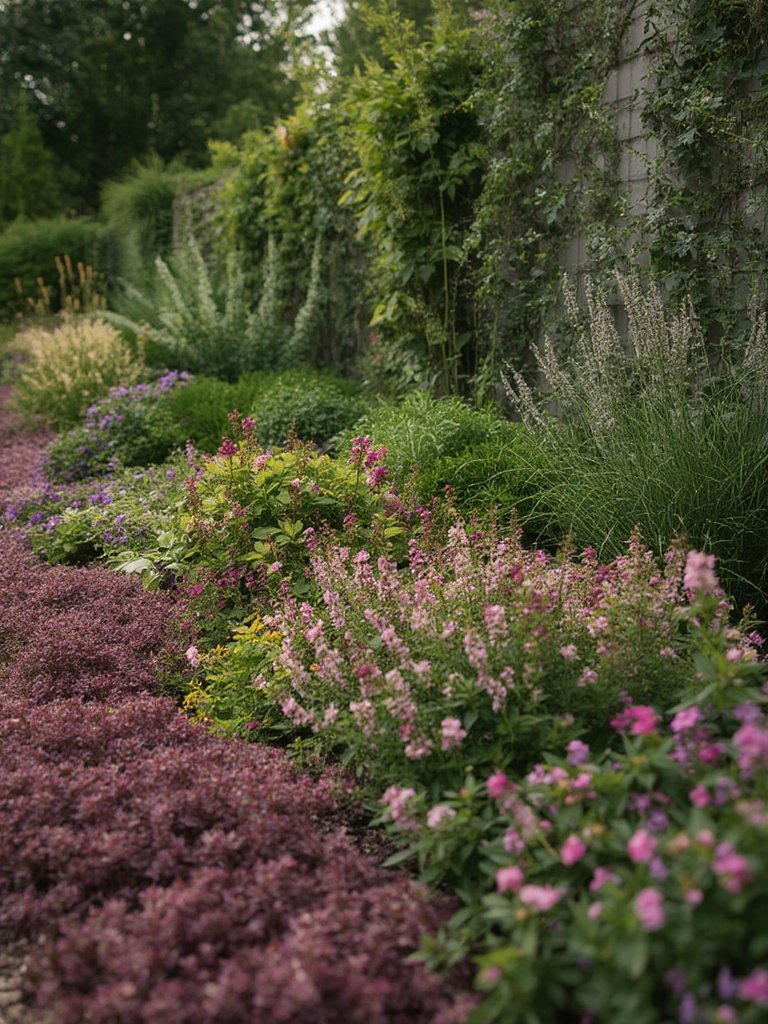
Choose 2-3 dominant hues and echo them in flowers, foliage, ceramic pots, or even painted fences. For example, reusing shades of purple, orange, and chartreuse throughout the garden ties different beds together. Anchor bright combos with repeated “bridge” colors like silver or lime.
Use contrasting and complementary tones for energy, but avoid chaos by repeating key shades—even in hard features like cushions or shed paint. See more bold ideas in this landscape design guide.
Step 4: Add Sculptural and Baroque Elements
Ornate fountains, oversized urns, bold sculptures, or colorful textiles bring a sense of grandeur and delight. Place one or two major features in key sightlines—surround with simple ground or low plants so they stand out.
Use multiple arches or trellises to lead the eye through the space and support climbing plants (see how in our living wall planter guide). Even quirky art, painted sheds, or grouped ornaments (think curated gnomes) can signal personality without clutter.
Step 5: Plan for Year-Round Interest
Dense maximalist gardens can look amazing even in winter. Combine evergreens, colored-stem shrubs, and four-season ornamental grasses. Leave select seedheads standing for winter texture and wildlife support. Layer bulbs for spring, perennials and annuals for summer-fall, and late-structure plants like Panicum or sedums for winter. Dive deeper on plant choices with our native pollinator plants guide.
Step 6: Balance Bounty with Maintenance
Dense planting can actually suppress weeds once established. Use groundcovers and dense underplanting to shade the soil. Place stepping stones so you can reach the interior for deadheading, staking, or pruning as needed. Choose a mix of lower-maintenance shrubs as the backbone, then sprinkle in higher-care divas for pops of interest.
For eco-friendly approaches and water wise ideas, check out our drought tolerant landscaping strategies and smart irrigation system tips.
Common Pitfalls and Realistic Challenges: What to Know Before You Dive In
Maximalist garden design is not without its realistic problems. Here’s what you’re likely to face, plus hard truths on costs and ongoing work.
Common Pitfalls
- Visual Chaos: Without repeated colors, strong structure, or breathing spaces, the garden can look haphazard. Balance lush areas with simple elements—gravel paths, single-toned pots, or short lawn stretches.
- High Upfront Cost: More plants per square meter means higher initial spend. Specialty plants or sculptural features like fountains add to the bill. Compared to minimalist gardens, expect more spent on plants and less on empty space or hardscape.
- Maintenance Needs: Deadheading, pruning, and seasonal editing are ongoing musts. However, once established, dense plantings dramatically cut down on weeding and help suppress unwanted growth.
- Diseases from Poor Airflow: Too-close spacing can trap moisture, raising fungal risks. Pick disease-resistant varieties, avoid solid wall plantings, and periodically thin out overgrown sections. Use drip irrigation whenever possible. Research shows plant diversity also helps control outbreaks.
- Growth Imbalance Over Time: Fast growers may overrun less vigorous plants. Regular editing, division, and curation are the reality of maintaining order within abundance.
- Design Fatigue: The temptation to constantly add “just one more” plant or ornament can lead to clutter. Instead, curate themed groupings (e.g., all ferns, a tropical corner) and rotate annual pots for variety.
| Feature | Maximalist Garden | Minimalist/Traditional Garden |
|---|---|---|
| Upfront Plant Cost | Higher (more plants, denser spacing, specialty features) | Lower (simple plant palettes, more open or hardscape areas) |
| Ongoing Maintenance | Regular editing, routine deadheading, staking, but less weeding over time | Lower routine tasks, more hardscape care |
| Ecological Benefits | Boosts pollinators and biodiversity, especially with native plant focus | Varies; often less biodiverse |
| Visual Impact | Dramatic, immersive, highly expressive | Serene, uncluttered, restrained |
| Potential Problems | Overcrowding, disease, design fatigue | Boredom, ecological sterility, upfront cost if hardscape is premium |
Addressing these downsides isn’t complicated if you plan ahead: use stepping paths to reach plants, integrate sculpture with restraint, and select resilient species. Need inspiration for a productive and beautiful space? Learn about mixing edible plants with ornamentals in our Edible Landscaping Design guide.
Research highlights further sub-topic gaps: most articles rarely cover maximalist planting for tiny urban spaces, true eco-maximalist design, or productive food borders. If you’re in a small courtyard or dream of combining productivity with maximalist style, adapt techniques from Permaculture Design or balcony vertical gardening guides.
Expert Tips for Pest and Disease Management
- Choose disease-resistant varieties (e.g., mildew-resistant phlox), especially in tight spaces.
- Foster high plant diversity to break pest cycles and support beneficial insects.
- Keep layers, but don’t smother everything—airflow is essential. Thin overcrowded growth regularly.
- Water early in the day at the soil line, not over the leaves. Mulch helps control splash-based diseases.
- Accept some imperfection; in rich ecosystems, low pest levels feed birds and beneficial insects.
For an even lower-maintenance, wildlife-friendly approach, check out Lawn to Meadow Conversion or Native Pollinator Plants.
Conclusion
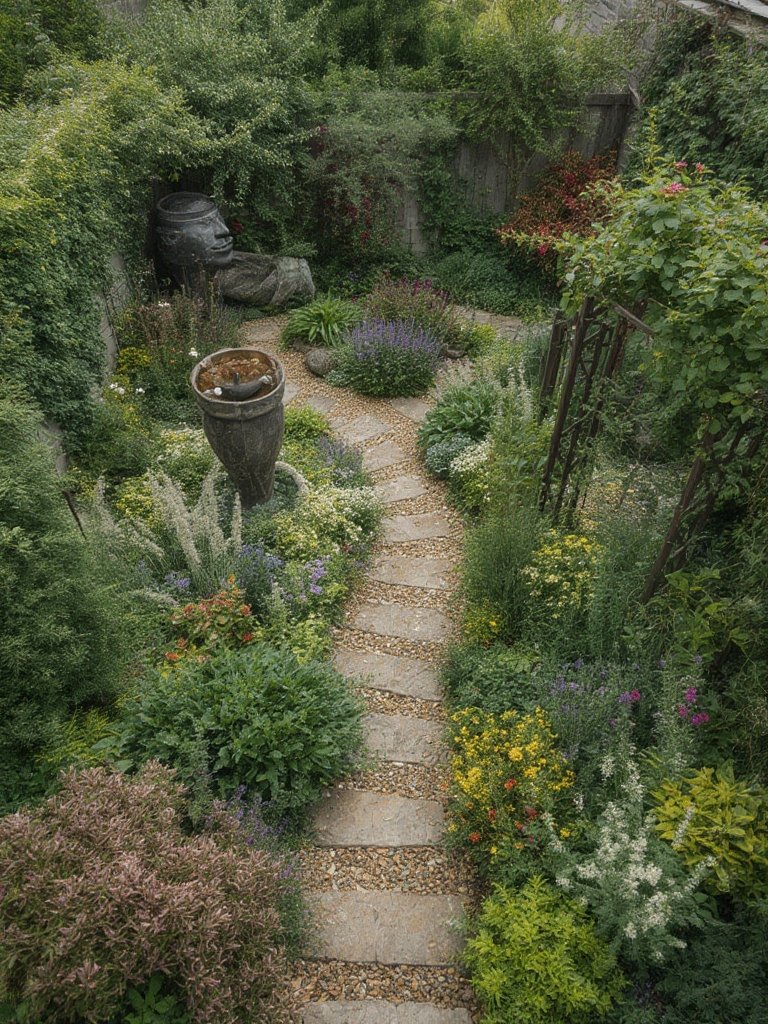
Maximalist garden design is about making intentional choices that marry abundance with structure, color with cohesion, and biodiversity with personality. Done well, it offers unmatched year-round beauty and a habitat teeming with life. Be ready for the investment—both upfront and ongoing. Start with clear bones, repeat your favorite accents, and don’t be afraid of edits. Ready to transform your space? Dive into maximalist garden design, and watch your landscape come alive.
Want more bold garden ideas or practical how-tos? Explore our deep dives on Cottage Garden Design and this expert maximalism report for extra inspiration.
FAQ
Do maximalist gardens always require more maintenance than minimalist gardens?
No, not always. While maximalist gardens involve more plants and diversity, dense plantings can actually reduce weeding over time. The main difference is the need for seasonal editing, deadheading, and managing plant spread. Smart plant selection and access paths make it manageable.
Is maximalist garden design suitable for small urban yards?
Yes. Maximalism works well in small spaces when you focus on vertical layers, wall planters, and strong focal points. Just avoid overcrowding and plan for plant size at maturity. See our Vertical Gardening Ideas for urban solutions.
How do I prevent maximalist borders from looking messy?
Use repeated colors, defined paths, and periodic “breathing spaces” (gravel, simple lawns) to organize abundance. Anchor plantings with evergreen structure and repetition of key forms—this keeps the look intentional rather than chaotic.
What kinds of sculptural elements work best in maximalist gardens?
Oversized urns, ornate fountains, trellises, and bold art features provide drama and anchor the layering. Avoid too many small pieces in one area—pick 1-2 statement accents per view and surround them with simpler textures.
Are maximalist gardens good for biodiversity?
Absolutely. The diversity of plants and layers creates abundant habitat for pollinators and beneficial insects. Use native species for even greater positive impact, and leave some seedheads and grasses up over winter for wildlife shelter.
—