


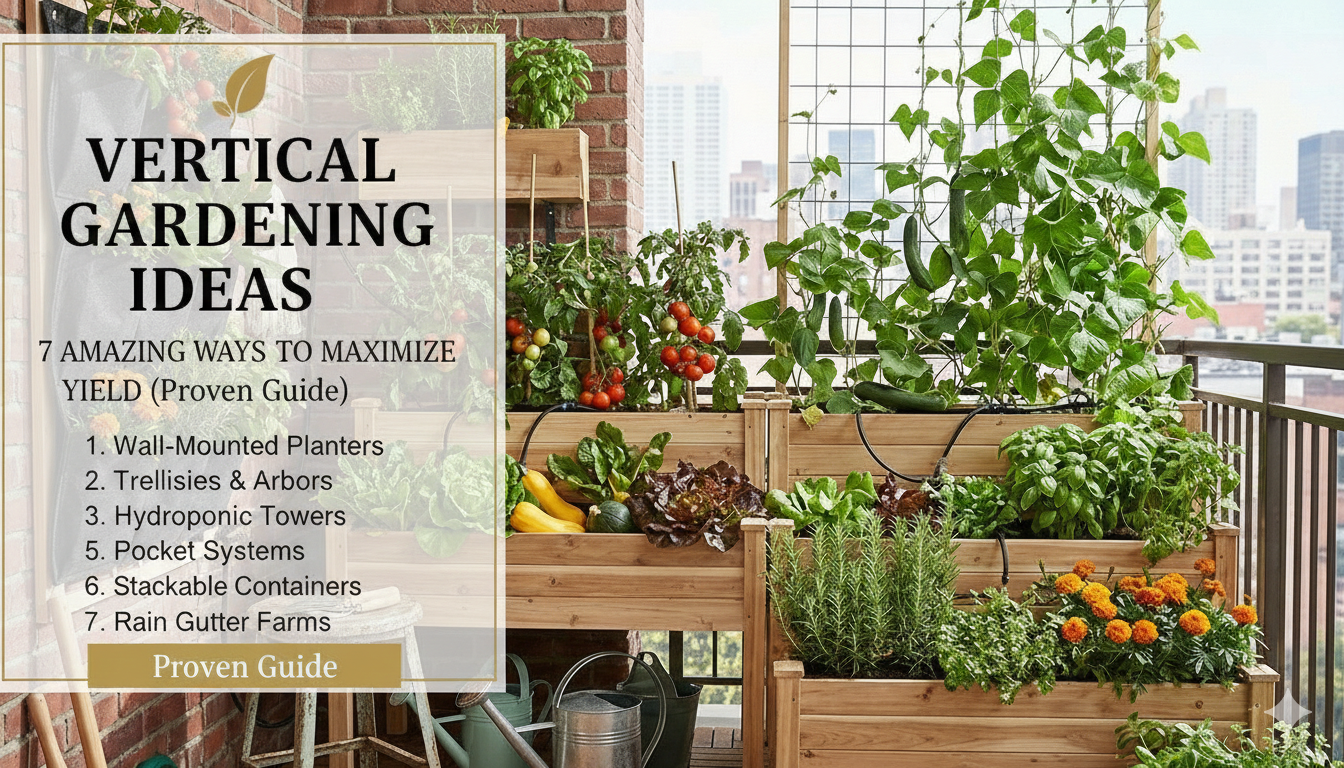
Vertical gardening ideas are transforming how city dwellers and homeowners grow food and beauty in small spaces, sparking a surge in compact, wall-mounted, and hydroponic gardens that thrive even on the tiniest balconies. If you ever wished for a lush garden but lack a traditional yard, this guide breaks down the smartest approaches—without sugarcoating challenges or hiding startup costs.
Key Takeaways
- Vertical gardening is booming among apartment dwellers and can increase yield by up to 240 times per square foot versus horizontal beds.
- Real-world challenges include watering, weight limits, and maintenance—smart technology helps but does not solve every issue.
- Start simple: DIY pallet gardens, wall planters, and hydroponic towers boost sustainability when you choose the right system for your space.
The Core Concept: What Makes Vertical Gardening Ideas So Powerful?
Vertical gardening vertical gardening ideas is the practice of growing plants upward using structures like wall planters, trellises, towers, or pallets instead of spreading them across the ground. The main goal is to make the most of limited urban, balcony, or small yard spaces while enjoying fresh veggies, herbs, or flowers.
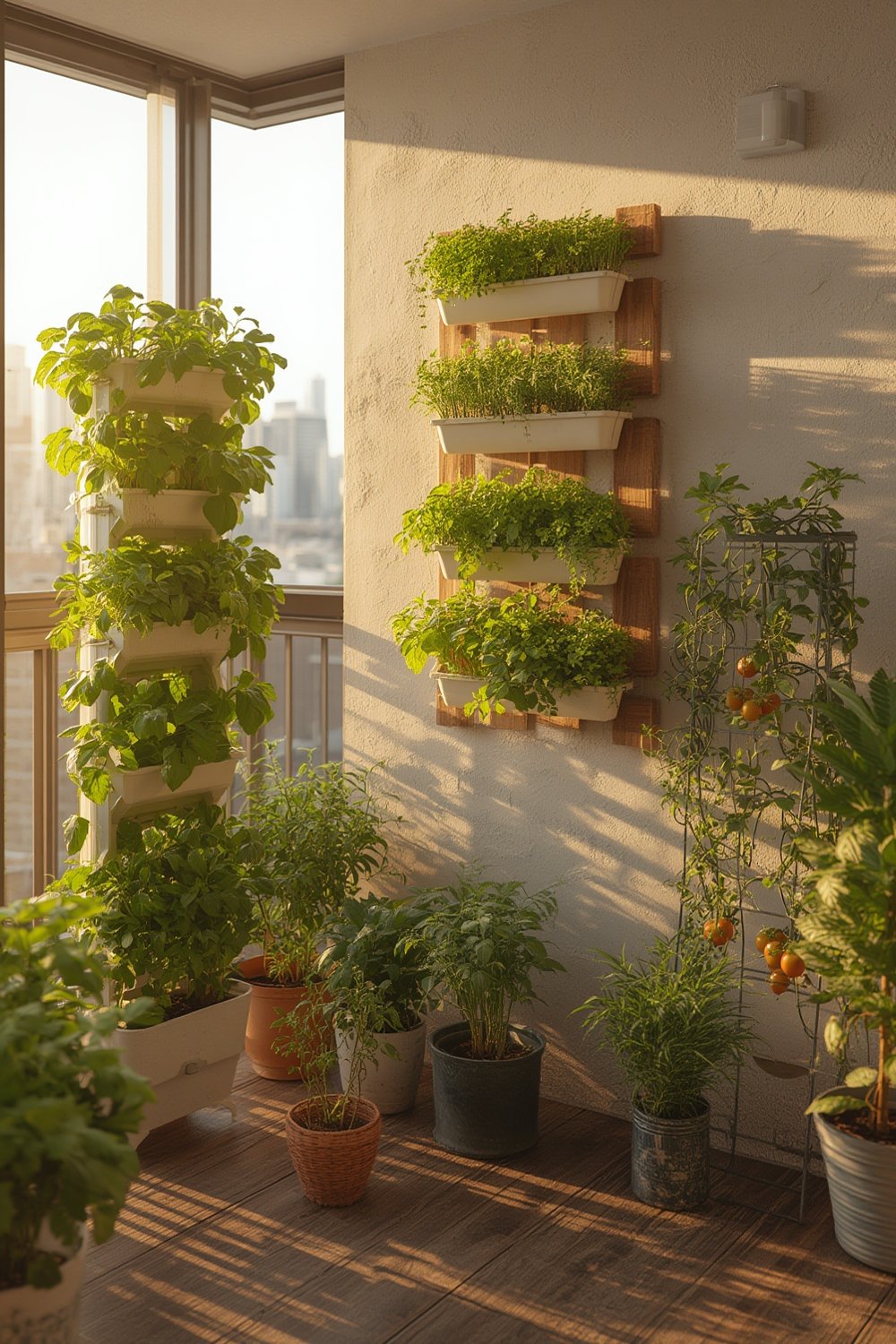
The popularity of vertical gardening ideas has exploded. In 2024, its global market hit USD 1.3 billion with an 8.9% annual growth rate projected through 2034, reflecting a major push among urban millennials and small-space dwellers. Indoors, hydroponic systems allow soil-free growing—hugely attractive in dense city apartments where every square foot counts. Not only can these setups produce up to 70 to 240 times more crops per foot compared to traditional gardening, but they also support biodiversity and act as natural air purifiers.
This approach isn’t just about food. Pollinator support, reduced lawn maintenance, and even heat mitigation in cities—vertical garden systems are changing how we think about sustainable living. See how chaos gardening offers an alternative patch for biodiversity in another wild, low-maintenance chaos garden guide.
Step-by-Step Guide: Planning and Starting Your Vertical Garden
Ready to put vertical gardening ideas into practice? Here’s how to design, install, and maintain a healthy vertical garden for any skill level or living space.
- Assess your space and conditions.
Measure available wall or balcony space. Check sunlight (full sun means six hours or more), airflow for plant health, and ensure the surface can support your chosen system’s weight. Modular planters and hydroponic towers are lighter options for renters.
- Choose a system: wall planters, trellis, hydroponic tower, or pallet DIY.
- Wall planters and green wall panels—best for herbs and decorative greens on balconies or kitchens.
- Hydroponic towers—maximize space and give rapid leafy crop yields with minimal soil.
- Pallet garden (DIY)—low-cost, supports edible and trailing plants, particularly for eco-conscious or beginner projects.
- Trellises—strong for climbing veggies like tomatoes, beans, or cucumbers in small yards.
- Select sustainable, lightweight materials.
Opt for recycled plastics, FSC-certified wood, or sturdy reclaimed metal/mesh. Upcycled pallets or modular kits lower both ecological and budgetary costs. Use low-maintenance, water-efficient substrates—hydroponics eliminates soil spills entirely.
- Design effective irrigation and drainage.
Manual watering can work for small setups: insert a drip line or water catch trays. For hydroponic or larger wall systems, consider an auto-irrigation setup with a timer. This conserves water, keeps roots healthy, and simplifies ongoing care—a featured strategy in smart irrigation system guides.
- Plant selection: Play to your system’s strengths.
- Hydroponic vertical towers: Leafy greens (lettuce, spinach), herbs (basil, mint), strawberries.
- Pallet/wall planters: Herbs, compact veggies, succulents, pollinator plants for biodiversity. For pollinator-friendly choices, check out native pollinator plant ideas.
- Install and monitor.
Hang or secure the garden structure, making sure it’s balanced and stable (especially on balconies). Add plants, monitor sunlight, and check for adequate drainage. Container soil or hydroponic media should stay moist but never soggy. Urban dwellers, especially in apartments, note: airflow and supplemental light (LED grow lights) solve the biggest indoor plant issues.
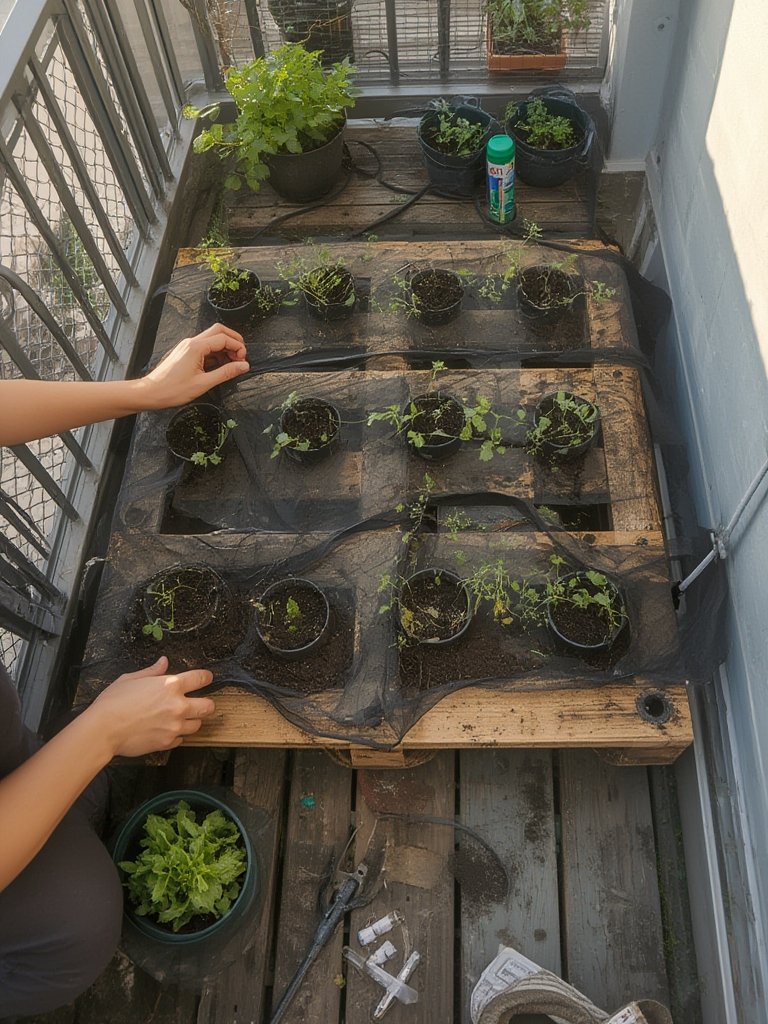
If you want to go even greener, consider upcycled designs. Many 2024 trends highlight water efficiency and pallet garden setups as eco-forward choices for both apartment and backyard spaces.
For a big backyard system, pair vertical gardening ideas with tech like autonomous mowing for hands-off upkeep. Robotic lawn mowers, for instance, are featured in our AI lawn mower installation guide and complement smart irrigation for maximum yard efficiency.
Advanced Analysis & Common Pitfalls: What Competitors Miss
Vertical gardening ideas brings undeniable benefits, but setup and maintenance headaches often crop up. Here’s a breakdown of common pitfalls, technical requirements, and how key methods stack up for city dwellers and homeowners alike.
Top Real-World Challenges:
- Watering & nutrient management: Hydroponic towers claim up to 98% water savings, but in practice, nutrient dosing must be scrupulously maintained to avoid growth issues or plant die-off. Beginner mistakes in watering frequency are a leading cause of vertical garden frustration. Auto-irrigation helps, but still requires regular checks.
Read more on hydroponic facts - Lighting inconsistency (indoor & outdoor): Urban apartments often have poor sunlight, so even compact systems may need LED grow lights or clever placement to avoid leggy or weak plants. Some low-tech systems struggle in shaded balconies or poorly-insulated walls.
- Maintenance & scalability: Many users underestimate weekly upkeep—watering, pruning, fertilizing, and pest checks. With larger wall installations, improper drainage can cause water damage indoors.
- Structural stability and safety: Heavy living walls and trellises need secure anchoring. On balconies or rental units, always check weight limits and choose lightweight or modular systems. Poor airflow risks mold or root rot, especially with densely planted trailing varieties.
- Cost transparency: Most competitor guides gloss over initial expenses and ongoing maintenance. Modular kits or hydroponic towers cost more upfront ($50–$600+), while pallet DIY is budget-friendly ($20–$50) but requires more labor and DIY skills. Watering automation and fertilization represent recurring costs.
For a broader look at eco improvements and resource savings, our rewilding lawn conversion article covers water conservation strategies compatible with vertical gardening ideas.
Comparing Vertical Garden Methods: Yield, Space, and Plant Match
| System | Crop Yield | Plant Compatibility | Space Efficiency (Balconies/Yards) |
|---|---|---|---|
| Hydroponic Vertical/Tower | 70–240x traditional beds [source] | Herbs, leafy greens, small fruits | 99% less land, stackable—top pick for apartments |
| Green Wall/Living Wall | High per sqft, market leader [source] | Veggies, herbs, trailing flowers | Wall-mounted; can double as decor |
| Indoor Vertical (modular/planters) | 10–20x gains over standard planters | Air-purifying houseplants, herbs, compact produce | Compact and ideal for small apartments/kitchens |
| Pallet Garden DIY | Low to medium | Herbs, small vegetables, pollinators | Low cost, customizable—great for renters |
| Trellis Vegetable Garden | Medium, depends on plant trained | Climbing veggies (beans, tomatoes, cucumbers) | Yard or fence-mounted; not best for balconies |
For a detailed look on the eco logic behind native choices, native pollinator plant systems add habitat and resilience—see our Native Pollinator Plants Guide.
Missed Opportunities from Top Competitors
- Economic/tech trends: Most guides skip the rapid progress in AI and sensor-driven vertical systems, which are boosting yields and water savings on a commercial scale. This is reshaping urban food supply and sustainability [research source].
- Policy and regional incentives: Asia Pacific and European cities are investing in vertical greening projects for heat mitigation and grants, but this is rarely covered in idea-only lists.
- Data-driven gardening: Advanced setups now use app-based monitoring and text mining to predict trends and maximize crop value—worth exploring for power users.
Want to automate more yard care? Discover battery-powered lawn equipment and see how it pairs with a vertical setup for all-electric, emission-free landscaping.
Conclusion: Vertical Gardening Ideas for Real People
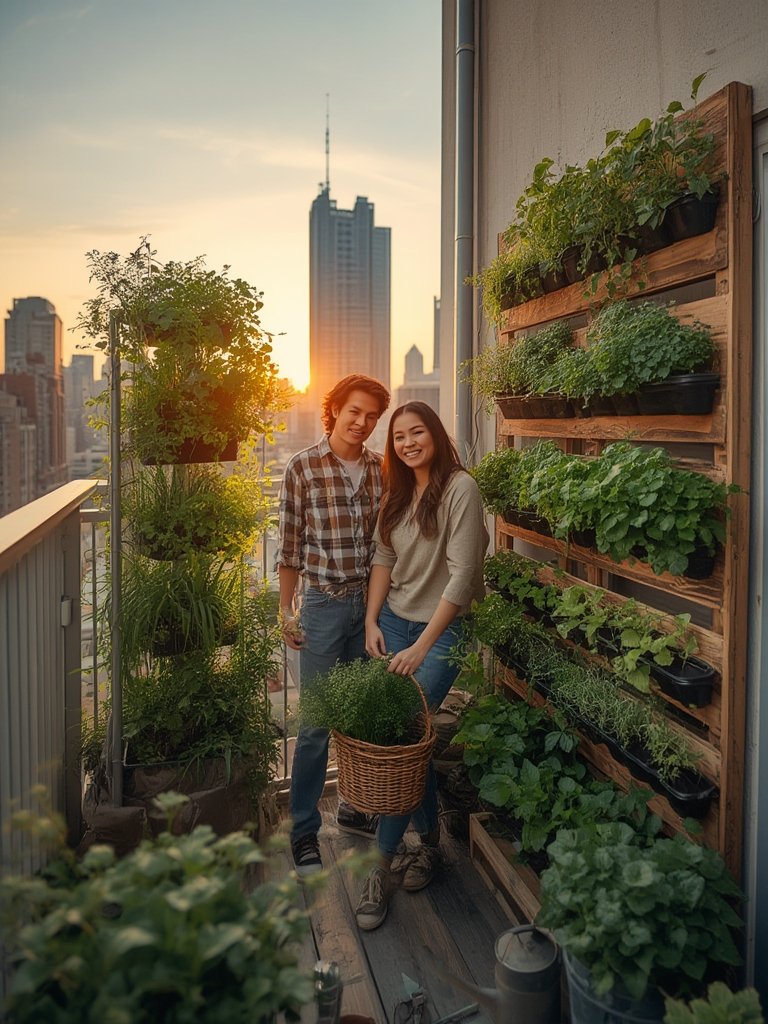
Vertical gardening ideas can unlock greener, more productive homes even in the smallest urban spaces. Expect to manage watering and light, invest thoughtful effort, and choose sustainable materials—don’t be discouraged by myths of “set and forget.” Whether your style is budget DIY pallet gardens or tech-smart hydroponics, start small, monitor results, and scale up as you gain confidence. The future of sustainable urban living is vertical—why not take the first step today?
Ready to transform your balcony or wall? Start exploring which vertical gardening ideas best fit your lifestyle and space. For further inspiration, check out our easy lawn-to-meadow conversion or learn about smart EV charger installations for a fully modern, sustainable home.
FAQ
What are the most cost-effective vertical gardening ideas methods for renters?
Pallet garden DIY and modular wall planters require little to no structural changes, making them budget-friendly and movable. These are perfect for renters as they’re lightweight and can be disassembled when moving out.
What types of plants grow best in vertical gardening ideas?
Leafy greens (lettuce, spinach), herbs (basil, mint, oregano), strawberries, air-purifying houseplants, and trailing flowers are all solid choices—especially those suited to compact spaces and variable sunlight.
Do vertical gardening ideas systems need a lot of maintenance?
They require consistent watering, fruit/leaf pruning, and occasional pest management. Smart irrigation helps but doesn’t eliminate the need to check nutrient levels or root health. Simpler systems or self-watering planters can reduce daily attention.
Are vertical gardens safe on small apartment balconies?
Yes, if you choose lightweight, modular systems and do not overload the railing or wall. Always check with your landlord or building manager, secure everything properly, and ensure drainage doesn’t create water damage.
How can I make my vertical garden more eco-friendly?
Use upcycled materials like pallets or recycled pots, choose native/pollinator plants, install drip or smart irrigation, and avoid chemical fertilizers. For ideas see our pollinator plant guide and smart irrigation system tips.