


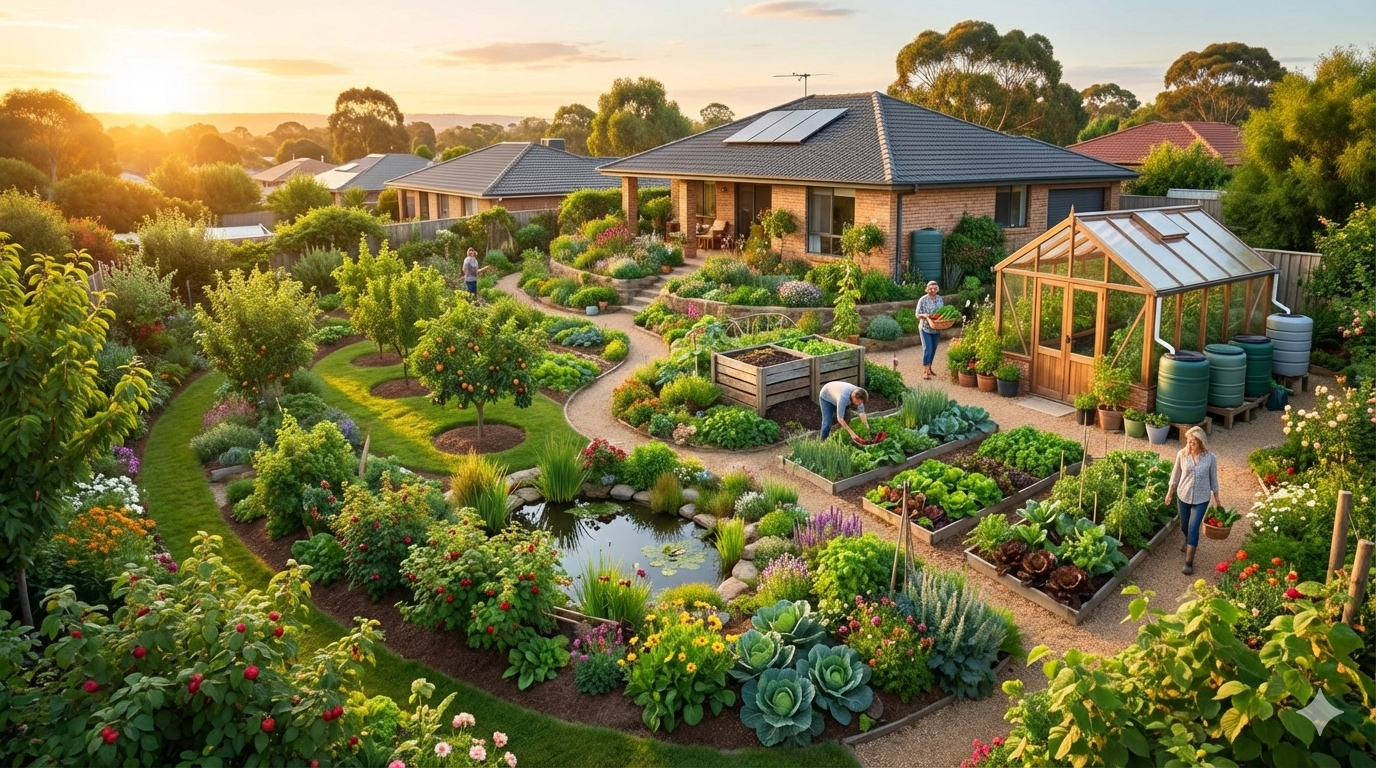
Permaculture design is transforming how we approach food, water, and landscapes—even in tight suburban spaces. By learning key principles and avoiding common mistakes, any homeowner can grow more food, save water, and build a healthy ecology—often with less annual effort than a lawn. Here is exactly how permaculture design works, why it outperforms traditional gardens, and what you need to know before starting.
Key Takeaways
- Permaculture design increases food yields, saves water, and builds soil health far better than conventional gardens—if done right.
- Layering plants and smart water management cut work after setup, but upfront costs and early mistakes can delay success.
- Most new practitioners struggle with plant selection, poor planning, or misunderstanding key design zones—proper planning is essential.
- What Is Permaculture Design and Why Is It So Effective?
- How to Design a Permaculture Food Forest (Step-by-Step Guide)
- Advanced Analysis & Common Pitfalls
- Conclusion
- FAQ
What Is Permaculture Design and Why Is It So Effective?
Permaculture design is a way of planning landscapes to mimic natural ecosystems. The goal is to produce food while regenerating the land—using patterns observed in forests. Unlike a traditional vegetable garden, permaculture design combines trees, shrubs, herbs, groundcovers, and even root crops in carefully arranged layers called a “food forest.” This approach builds rich soil, saves water, and increases biodiversity with minimal chemical inputs.
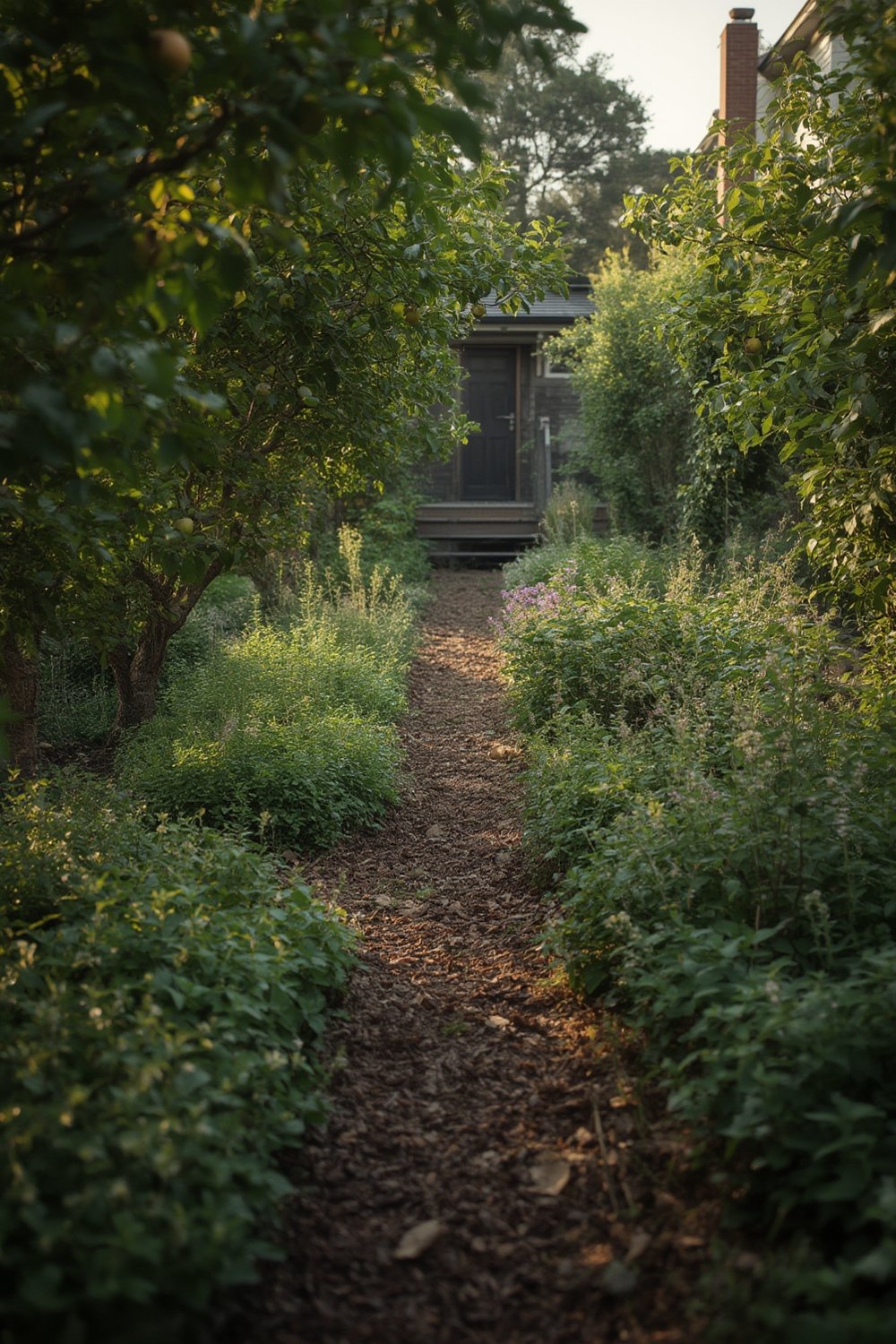
Research shows that a Mediterranean-climate food forest in California can produce far more food (by net present value) over 30 years than a similar area planted in raised beds—$159,845 versus $93,714. Food forests also dramatically reduce water runoff and require less long-term maintenance, thanks to swales and dense plant cover that keep moisture in the soil. See financial and yield data.
In a well-designed food forest, you benefit from:
- Diverse yearly harvests (fruits, nuts, herbs, greens)
- Minimal ongoing tilling or soil disturbance
- More pollinators and beneficial insects, thanks to plant diversity
- On-site composting and nutrient recycling
This layered polyculture is different from chaos gardening or lawn-to-meadow projects, but can be combined for maximum resilience (chaos gardening tutorial, meadow conversion guide).
How to Design a Permaculture Food Forest (Step-by-Step Guide)
-
Observe & Assess Your Site
- Spend time watching sun, shade, water flow, prevailing wind, and existing plants on your property over days or weeks.
- Check for nearby trees, fences, or buildings that affect microclimates.
- Identify slopes and water “problem spots”—these are great for a swale or rain garden (rain garden design basics).
-
Map Out Your Zones
- Zone 1 (closest to your door): Kitchen herbs, salad greens, daily-use plants.
- Zone 2: Intensively managed fruit trees, berry bushes, perennial vegetables.
- Outer Zones 3-4: Larger nut trees, support species, wildlife habitat.
- Start with what you can manage—don’t overplant at once.
-
Layer Your Plantings
- Canopy: Tall nut or fruit trees (apple, pear, chestnut).
- Sub-canopy: Dwarf fruit trees, elderberry, hazel.
- Shrub: Currant, blueberry, gooseberry.
- Herbaceous layer: Comfrey, mint, chives.
- Groundcover: Strawberry, clover, creeping thyme.
- Root: Carrot, garlic, sunchoke.
- Vine: Grape, kiwi, nasturtium.
- Native pollinator plants can be mixed throughout for biodiversity (native pollinator plant guide).
-
Design Water Harvesting Features
- Install swales (shallow ditches on contour) to capture and infiltrate rainwater.
- Add mulch and living groundcover to slow evaporation—no need to rely only on irrigation systems (smart irrigation ideas).
-
Build Soil Instead of Tilling
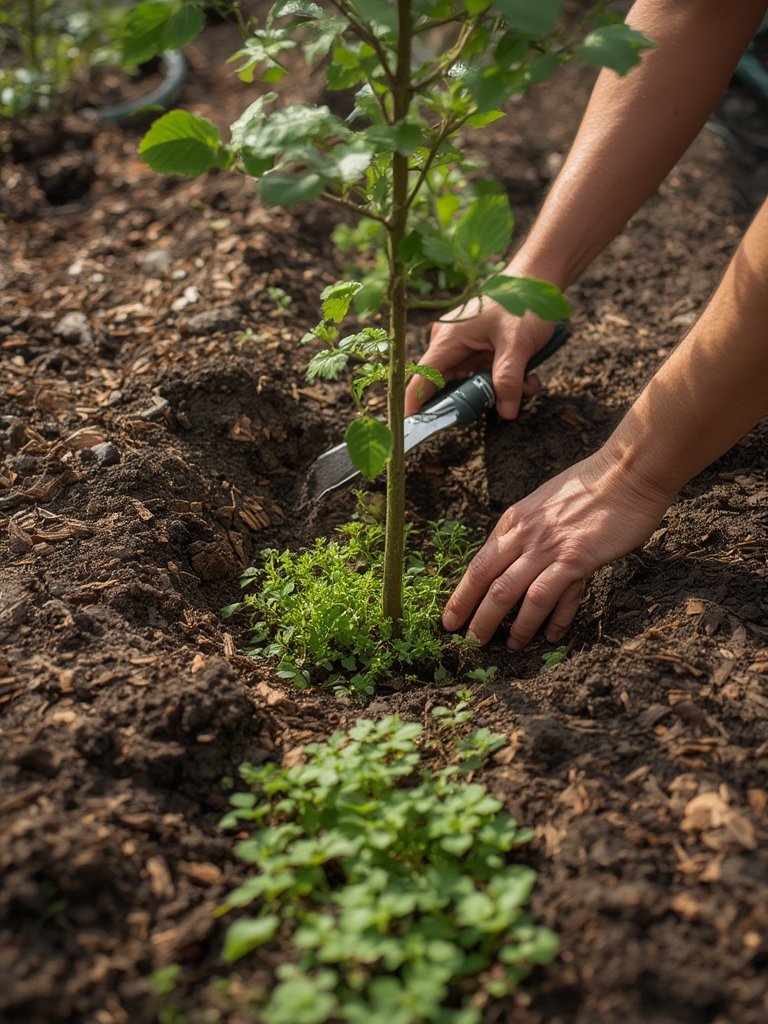
- Apply sheet mulch (cardboard + wood chips or compost) to suppress weeds and feed soil microbes (no dig gardening).
- Include nitrogen-fixing plants like goumi, lupine, or clover to recharge soil fertility naturally.
-
Plant Guilds, Not Monocultures
- Group compatible plants: apple trees with chives, comfrey, and daffodils; plum trees with currant and garlic.
- Diversify to reduce pest risk and increase year-round harvests.
-
Start Gradually and Monitor
- Plant in phases—layer in trees first, then shrubs, herbs, and groundcovers over several seasons.
- Observe which plants thrive, which need extra care, and adjust.
Consider mixing in edible landscaping for front yard appeal or vertical gardening if space is tight (edible landscape design, vertical gardening ideas).
Advanced Analysis & Common Pitfalls
Permaculture design offers huge returns, but there are realistic challenges and mistakes to avoid:
| Pitfall | What Happens | How to Avoid |
|---|---|---|
| Too Much, Too Fast | Overplanting leads to weed chaos, pest pressure, plant death. | Start with one zone or a single guild and expand slowly. |
| Ignoring Water Flow | Runoff erodes new beds, water puddles, or plants drown. | Use swales, rain gardens, and mulch to manage excess water. |
| Poor Plant Selection | Wrong trees or non-natives die or spread invasively. | Choose local-adapted, disease-resistant varieties and native plants. |
| Skipping Soil Prep | Stunted growth, more pests, high irrigation needs. | Apply deep compost, mulch, and nitrogen-fixers before planting. |
| Misunderstanding Zones | Plants placed too far from use, making maintenance and harvest a hassle. | Map activity centers and keep frequented plants close to the house. |
| Underestimating Costs | Budget blows out; projects stall or fail to establish. | Plan for upfront spending—trees, mulch, tools, and labor. |
While food forests eventually outperform lawns and gardens, financial investment and patience are essential. Initial setup costs can be significant (trees, compost, irrigation, labor), and fruit trees may take several years to mature. However, the long-term net present value is much higher than a typical lawn or even raised beds—see long-term value comparison.
Most beginners also overlook biodiversity—integrating native perennials, wildflowers, and pollinator species supports natural pest control and resilience (read more). For inspiration, see how wild gardens increase beneficial insects in chaos gardening.
Lawn conversions, whether to food forests, meadows, or native landscapes, often face resistance due to cost uncertainty, labor, or HOA rules (lawn to meadow guide).
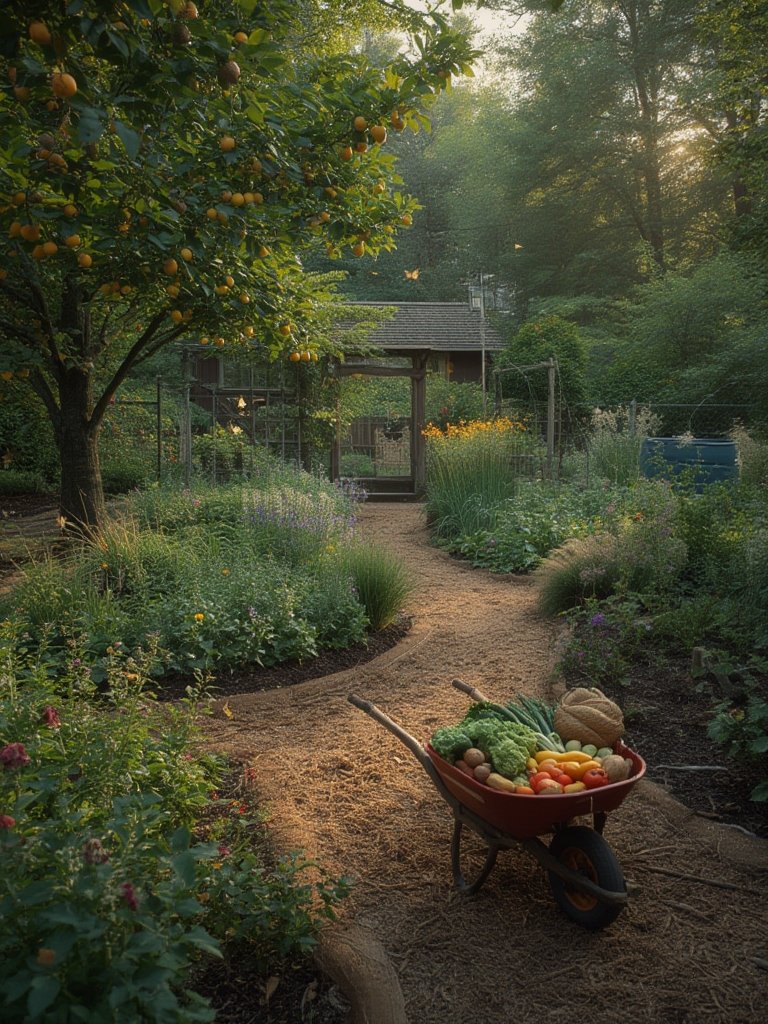
Lastly, realize that permaculture is not a “no work” approach—especially in the first 1-3 years. Smart planning and patient, staged implementation lead to the best results.
Conclusion
Permaculture design is a proven method to grow more food, restore soil, reduce water use, and make your outdoor space truly resilient. With upfront planning, zone mapping, water-smart layouts, and adaptive planting, any homeowner can start a food forest—even on a quarter-acre or smaller. Remember, the success of permaculture design comes from mimicking natural systems, learning from small setbacks, and taking steady steps forward. Get started today—observe your landscape, plant your first guild, and watch the ecosystem become more abundant each year.
Ready to take the next step? Download a free permaculture zone template or share your food forest story in the comments below!
FAQ
What is the main difference between permaculture design and traditional gardening?
Permaculture design focuses on mimicking natural ecosystems with layered plantings, integrated water management, and perennial crops, while traditional gardening usually means annual crops in tilled beds and more chemical inputs.
How long does it take for a food forest to produce significant harvests?
Most fruit trees take 2-5 years to mature, but incorporating fast-producing annuals and berries means you can harvest much earlier while the forest grows.
How much does it cost to convert a standard lawn to a permaculture food forest?
Upfront costs vary widely depending on tree selection, soil amendments, and labor, but expect several hundred to several thousand dollars for a quarter-acre. Long-term, a food forest can be much cheaper than lawn maintenance or annual veggie beds.
Can permaculture design work in small urban or suburban yards?
Yes, by using vertical gardening, edible landscaping, and clever zoning, even compact spaces can be productive and low-maintenance. See tips in our edible landscaping design guide.
Is permaculture design low maintenance?
After the first few years, maintenance is often lower than traditional gardens—mulching, pruning, harvesting, and occasional weed control. The early years require more work as plants establish.