


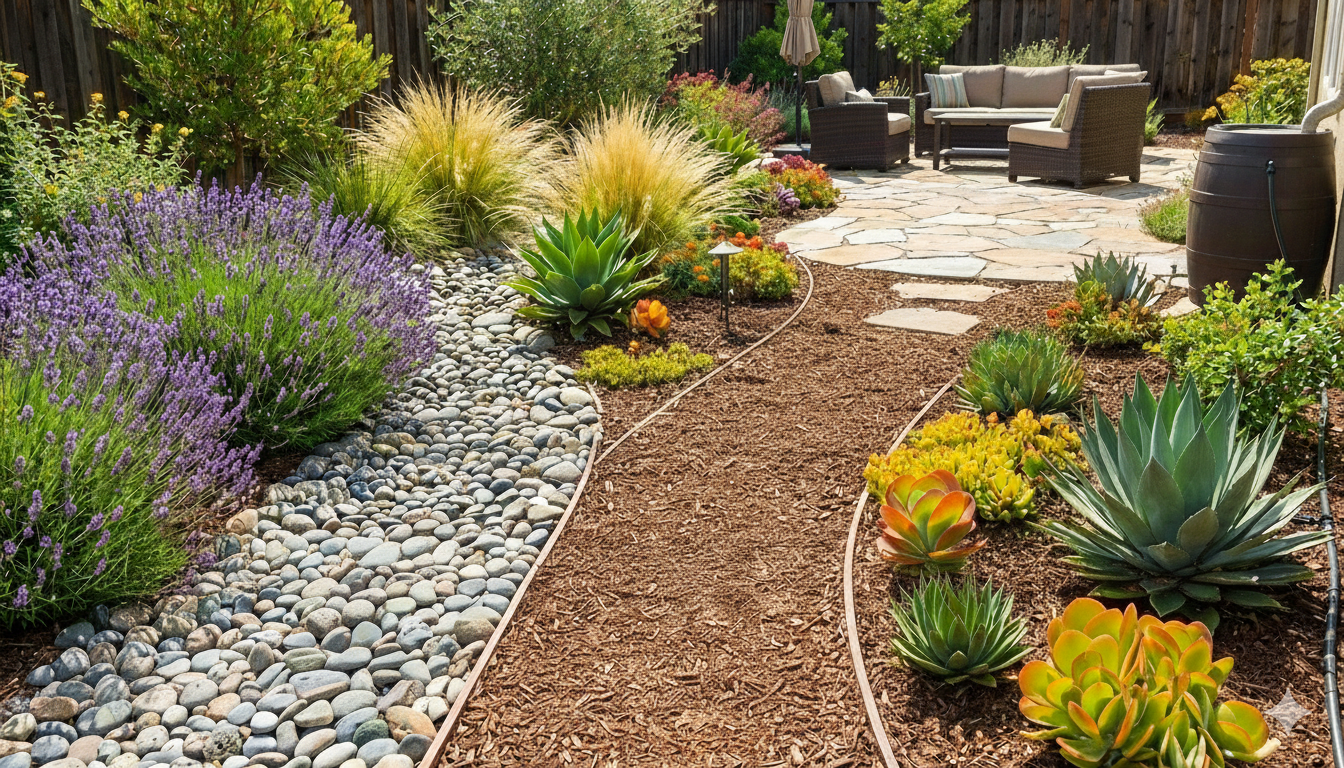
Drought tolerant landscaping is transforming yards across America, delivering serious water and cost savings as traditional lawns get replaced by smarter, sustainable designs. But achieving a beautiful, low-maintenance garden that actually survives drought isn’t as simple as tossing down gravel or succulents—and there’s much more to it than just “going native.” If you want tangible results and to avoid surprises, here’s how to get water-wise without regrets.
Key Takeaways
- Drought tolerant landscaping can cut water use by 30–80% and shave $200–800 off yearly utility and lawn costs.
- Success requires soil preparation, attention to microclimates, and efficient drip irrigation—more than just choosing pretty plants.
- City rebates help, but most cost savings come from reduced water and maintenance needs over time.
- What Is Drought Tolerant Landscaping and Why Make the Switch?
- How to Create a Drought Tolerant Landscape: Step-by-Step Guide
- Advanced Analysis & Common Pitfalls
- Conclusion
- FAQ
What Is Drought Tolerant Landscaping and Why Make the Switch?
Drought tolerant landscaping is a landscaping method designed to minimize water usage by replacing traditional, thirsty lawns with plants that thrive on little water. This approach, which often involves xeriscaping, native plant installation, and efficient irrigation, is gaining popularity as water costs rise and droughts persist. According to recent studies, you can slash your home’s outdoor water usage by 30–50% by switching from a traditional lawn, with some landscapes (like full xeriscapes) saving up to 80% once established. Typical homeowners cut annual water bills by as much as $400–800, especially in places with tiered or high water rates (learn more).
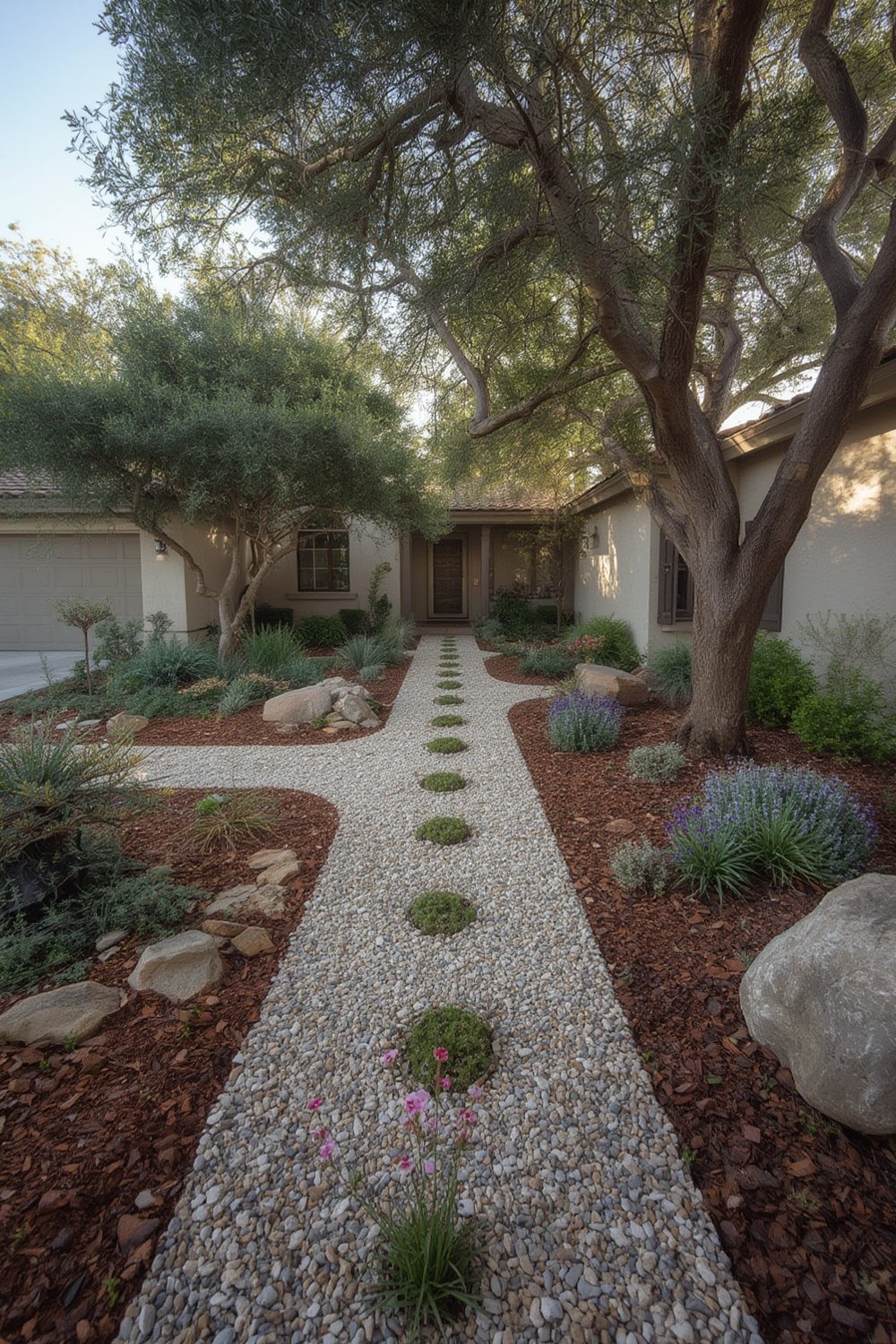
The biggest drivers for this change are water shortages, stricter irrigation restrictions, and steadily climbing maintenance costs. Yet the aesthetic appeal and biodiversity benefits are just as compelling—when executed correctly, drought tolerant landscaping can look lush, modern, and ecological all at once. It can also be a way to support local pollinators, much like native pollinator planting projects or rewilding efforts described in Lawn To Meadow Conversion: 7 Amazing Ways to Boost Biodiversity.
How to Create a Drought Tolerant Landscape: Step-by-Step Guide
- Assess and Plan Your Site
- Map sun exposure, soil types, slope, and existing features. Areas with tree canopy or natural shade generally support more plant variety and cooler microclimates.
- Look for microclimate opportunities. In Sacramento, water-wise designs thrive in shaded, higher-income neighborhoods with existing trees and less direct afternoon sun (see study).
- Prepare and Amend Soil
- Test existing soil for compaction, drainage, and organic matter. Drought tolerant plants often need improved drainage.
- Add well-composted organic material or sand as needed to correct clay soils. For gravel gardens, install a weed barrier and coarse sand/gravel base for drainage.
- Design with Appropriate Plants
- Prioritize native plants or those specifically proven in your microclimate (e.g., yucca, Blue Grama, Penstemon in high-desert regions).
- Cluster plants with similar water and sun needs—create “hydrozones” to make future watering more efficient.
- Install Efficient Irrigation
- Use efficient drip irrigation for all non-established areas—drip delivers 90–95% water efficiency versus 65–75% for sprinklers (source).
- Install a smart or weather-based controller for additional savings (see Smart Irrigation System: 7 Amazing Ways To Save Water).
- Mulch and Hardscape
- Apply a 2–4” layer of aged organic mulch, gravel, or small rocks to reduce evaporation and suppress weeds.
- Construct natural pathways and beds with porous materials to prevent runoff and improve aesthetics.
- Maintain Wisely
- Once plants are established (after 1–2 years), cut water further. Drought tolerant landscaping gardens need minimal ongoing care compared to turf lawns—just occasional pruning and weeding.
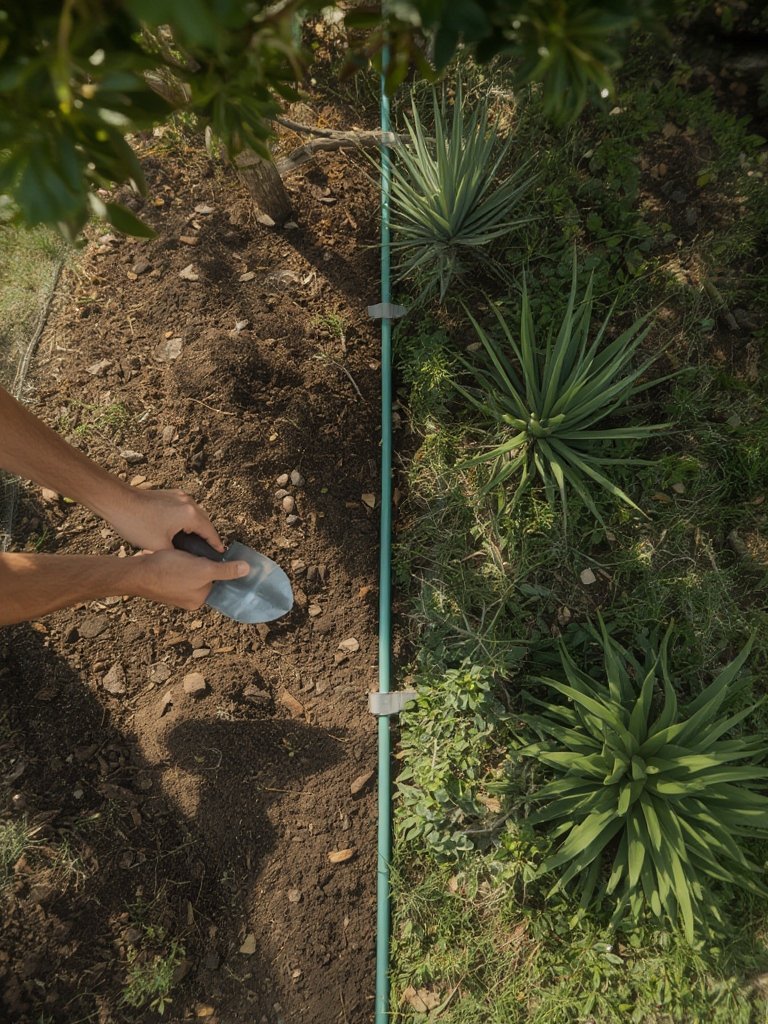
To optimize savings, check local city or water agency rebates for turf conversion or drip irrigation. In California, the Bay Area Water Supply and Conservation Agency awarded 51 rebates totaling more than $240,000 in 2023–24; but most Sacramento conversions happened without rebates and rebates rarely cover artificial turf or basic gravel installs.
For edible landscaping that thrives under drought, mix productive fruit trees and herbs with drought natives—ideas in Edible Landscaping Design: 7 Best Ways to Boost Curb Appeal.
For a full meadow effect that tolerates drought and adds habitat, explore a meadowscaping front yard with region-appropriate wildflowers and groundcovers.
Advanced Analysis & Common Pitfalls
Most landscaping guides gloss over the hidden difficulties of drought tolerant landscaping. Here are the main pitfalls, mistakes, and ongoing challenges:
- Poor soil preparation: Skipping proper soil improvement leads to stunted growth, weed invasion, and higher plant death rates. Even drought tolerant landscaping plants will struggle in compacted or waterlogged soils.
- Wrong plant choice or placement: Not all drought tolerant plants work in every microclimate or exposure. Blue Grama thrives in full sun, but will rot in shade. Penstemon needs well-drained soil and cannot tolerate crowding.
- Underestimating weed pressure or heat effects: Gravel or bark mulch areas left bare can be 4°C hotter than mulched tree lawns, leading to plant stress or “baked” yards that lose curb appeal (case study).
- Inefficient irrigation design: Using above-grade sprinklers on native beds wastes water and encourages weeds. Drip lines have to be maintained and checked for clogs each season.
- Unrealistic expectations about maintenance: Drought tolerant designs do require less regular work than lawns, but they are not zero-maintenance—new plantings must be watered in, and weeds will creep in without attention.
- Cost surprises: No single reliable cost per-square-foot exists; installation prices for gravel, succulents, or California native gardens vary by site, plant choice, and local labor. Budget 2–5x the cost of DIY sod for a professionally installed, mature drought tolerant garden. Long-term, expect significant savings as water bills and mowing services drop, but the upfront investment may be substantial.
- Missed rebate opportunities or rule confusion: City rebates can change annually. Some areas do not count artificial turf, and not all rebates apply to DIY projects. Consult your water agency directly for clarity (state guidance).
| Traditional Lawn | Drought Tolerant Landscaping |
|---|---|
| Water use: 150–250 gallons/day | Water use: 45–75 gallons/day (or less after establishment) |
| Weekly mowing, fertilizing, herbicides | Seasonal weeding, rare pruning, little fertilizer |
| $300–800/year water + services | $80–400/year water + minimal services |
| Uniform green, less biodiversity | Visually diverse, supports pollinators |
| Struggles in drought or water rationing | Survives extreme drought and heat |
If you want a very low-mow yard, advanced options like robotic lawn mower installation can also help, but combining mowing with drought tolerant planting requires careful planning—some robotic mowers handle tall native grass, others do not.
Conclusion
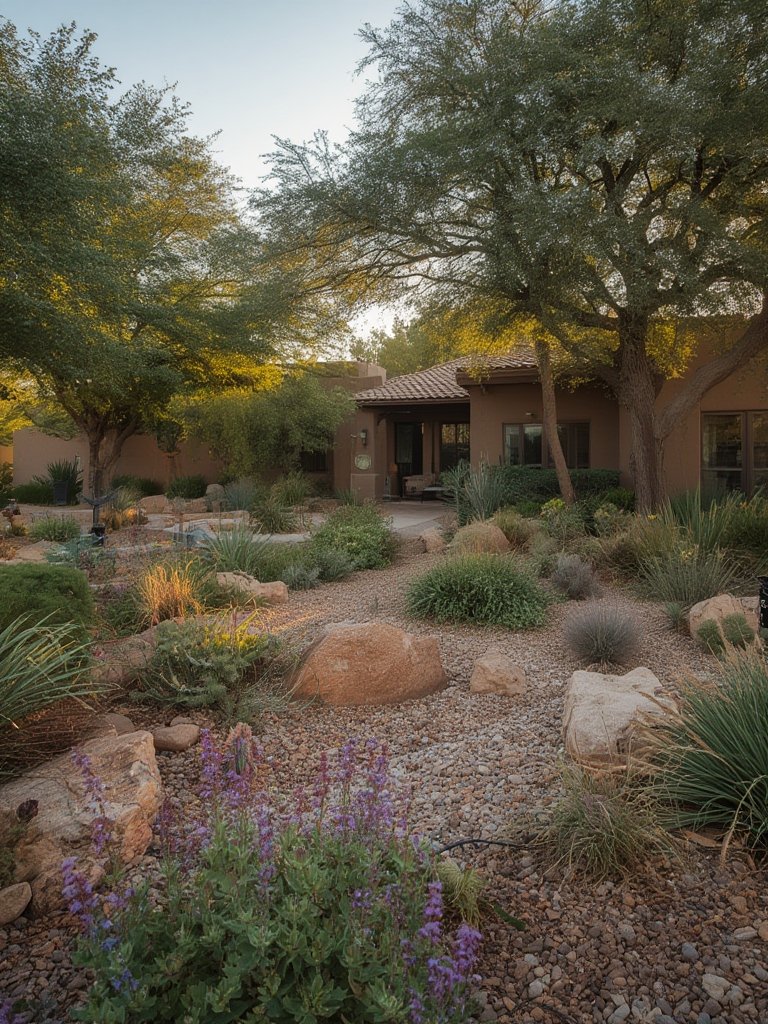
Drought tolerant landscaping is a proven way to save water, lower costs, and create resilient beauty in your yard—if you approach it with realistic expectations and careful site-by-site planning. By analyzing your soil, choosing locally adapted plants, and installing efficient drip systems, you’ll see dramatic drops in maintenance work and utility bills. Ready for a landscape that thrives even in the toughest drought? Start your own drought tolerant landscaping project today—your wallet, local wildlife, and the planet will thank you.
FAQ
How much water can I really save with drought tolerant landscaping?
Most homeowners reduce outdoor water use by 30–50% after switching, with xeriscaped yards (fully water-wise) achieving up to 80% savings once plants are established. Exact savings depend on your starting point and local weather.
What are the most important steps to ensure plant survival?
Assessing and properly amending your soil is essential. Choose plants adapted to your local microclimate, and use efficient drip irrigation for the first 1–2 years. Mulch well and monitor new plantings regularly.
Will my yard look barren or dead in the summer?
Not if you select the right mixes. Native grasses, blooming shrubs, and groundcovers like Penstemon or Blue Grama maintain color through heat. Avoid large expanses of bare gravel without living plants, which can appear harsh and hot.
Are there rebates or incentives for converting my lawn?
Many cities and water districts offer rebates for turf replacement, drip irrigation, or native plant installation. Always check with your local agency—programs change annually, and not all landscaping or materials are eligible.
Is drought tolerant landscaping truly low maintenance?
It is much lower maintenance than traditional lawns—no weekly mowing or constant watering—but some periodic weeding, trimming, and system checks are still required, especially in the first year or after heavy rains.