


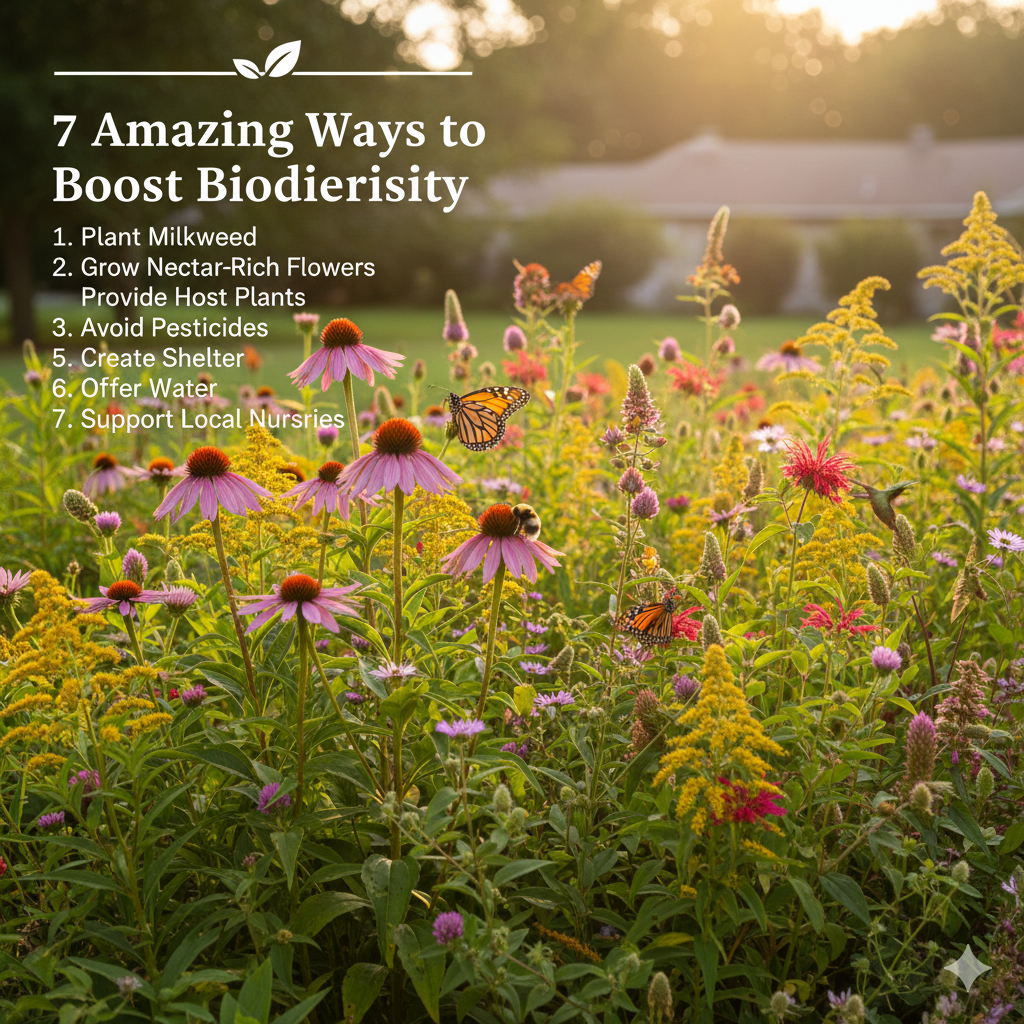
Native pollinator plants have become the backbone of eco-friendly gardening, delivering real, measurable benefits for pollinators like bees, butterflies, and birds—especially as native species continue to face new threats in 2024.
Key Takeaways
- Native pollinator plants directly support bee and butterfly populations—non-native ornamentals do not provide essential resources or habitat.
- Not all “native” plants sold online are truly ecoregional; buyers must verify sources and species for best biodiversity outcomes.
- Success depends on site prep, right seeds, patience, and ongoing care—many pollinator gardens fail due to overlooked setup steps or improper plant choice.
- Understanding Native Pollinator Plants and Why They Matter
- How to Establish a Native Pollinator Plants Garden: Step-by-Step Guide
- Advanced Analysis and Common Pitfalls
- Conclusion
- FAQ
Understanding Native Pollinator Plants and Why They Matter
Native pollinator plants are species that have evolved in your local area alongside native pollinators—bees, butterflies, moths, and beetles—forming the foundation of functioning ecosystems. Unlike many non-native or ornamental plants, natives provide the specific nectar, pollen, and host plant relationships these insects absolutely depend on for survival.
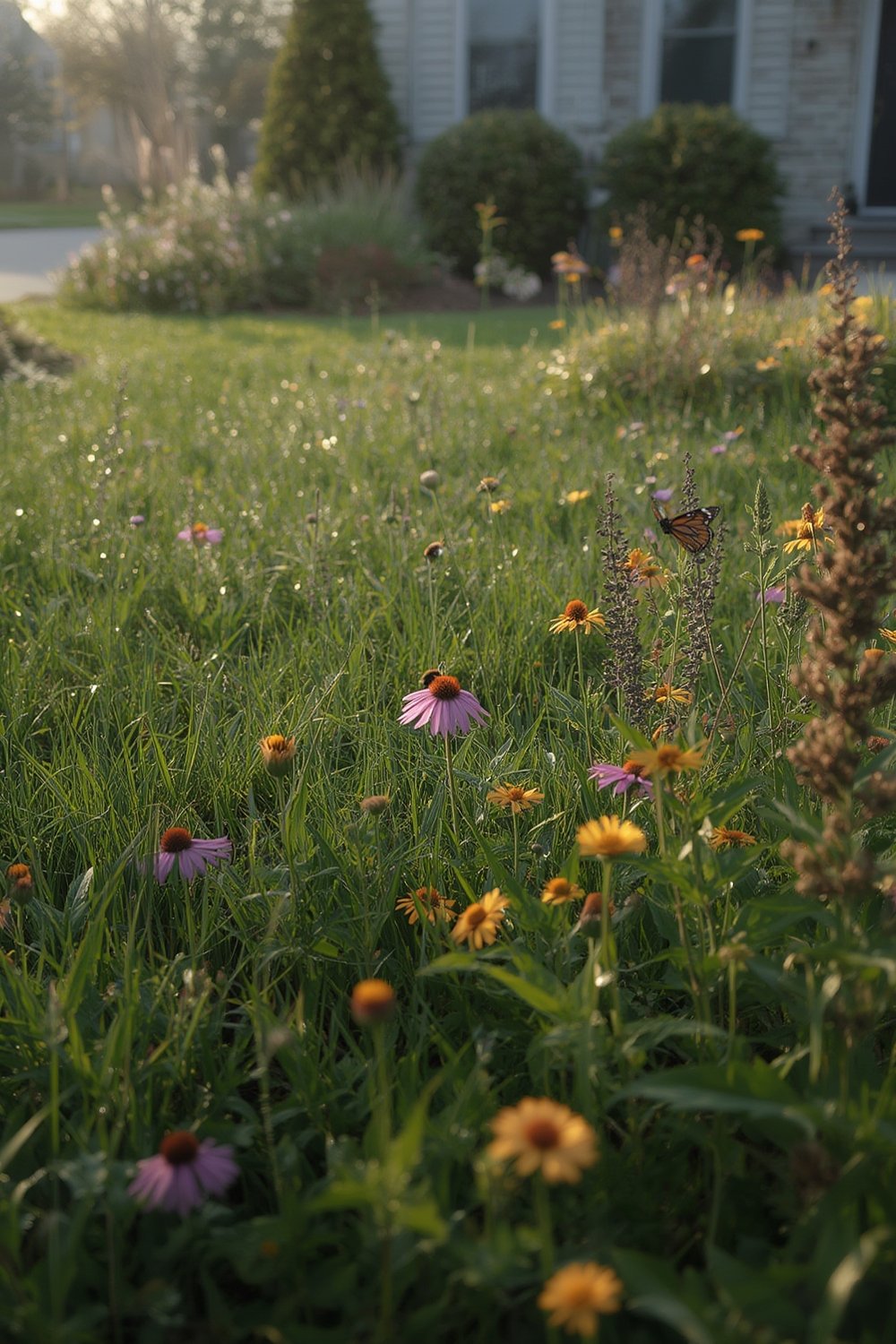
When you swap turf grass or garden-center hybrids for regionally appropriate natives, you dramatically increase your yard’s ability to support vital pollinators and boost overall biodiversity. This translates to improved soil stability, reduced maintenance, and often less water use—key in a changing climate.
Not all “bee-friendly” plants are equal. Many ornamentals, even those labeled “for pollinators,” are bred with double flowers or altered colors and shapes. These changes can make nectar inaccessible or pollen even sterile, rendering them useless for native bees and butterflies (Pollinator Partnership). True natives have the right structure, nectar, and host-leaf chemistry for your local wildlife—ornamental lookalikes rarely do.
Stats from 2024 show alarming trends: 34.7% of native bee species and 19.5% of butterfly species assessed in North America are at elevated risk for extinction (see Florida Museum report). Native plants are a proven way to mitigate this decline, though concrete year-over-year pollinator population increases after restoration are not yet directly quantified (Bee City USA).
If you’re ready to trade a generic landscape for something that makes a difference, using native pollinator plants is the best first step.
How to Establish a Native Pollinator Plants Garden: Step-by-Step Guide
A thriving native pollinator plants patch is built on planning and patience. Here’s exactly how to do it, based on expert recommendations and what’s actually working for real gardeners:
- Find Your Ecoregion and List of True Native Plants
Use legitimate native plant societies, local extension offices, or robust tools like Pollinator Partnership’s Planting Guides to get a list tailored to your zip code or county. Check that any Latin names match what is offered at nurseries. - Source Seeds and Plants Carefully
Buy only from reputable sellers who guarantee open-pollinated, regionally sourced seed stock—never generic wildflower mixes. Read deeply into reviews and inquire about the provenance of seeds or plugs. For a modern biodiversity approach, consider mixing annuals with perennials for year-round food and shelter. For more wild gardening strategies, see our guide on chaos gardening. - Prep Your Site Properly
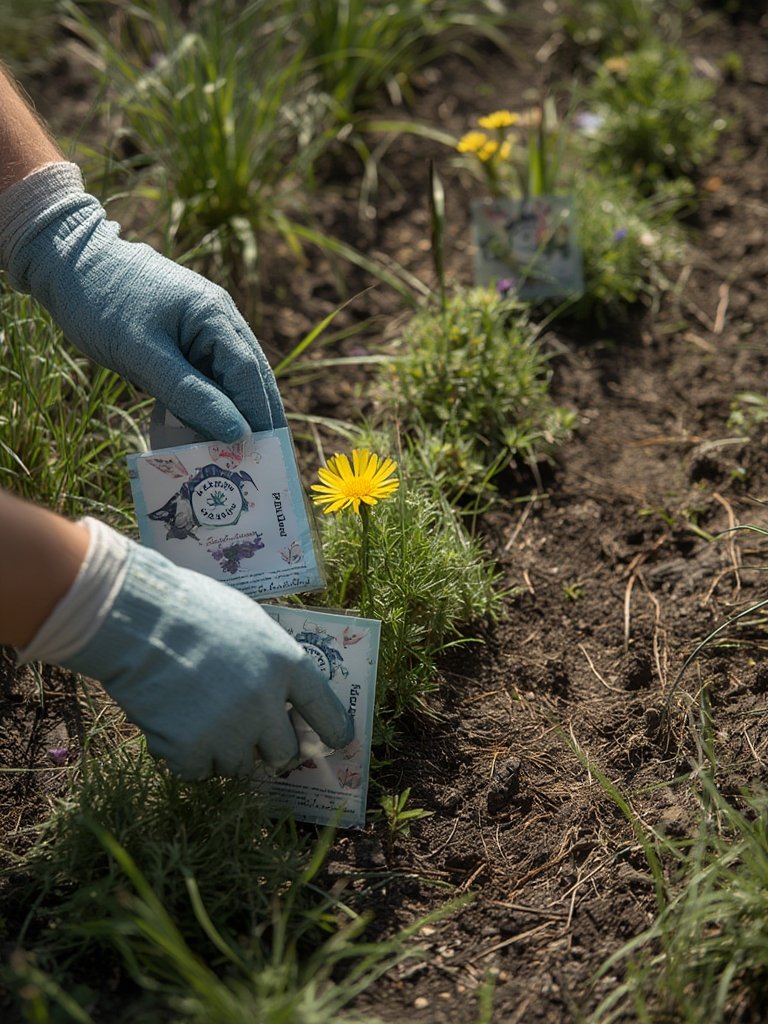
Solarize (cover to kill vegetation), till, or remove sod/weeds over several weeks before planting. Good prep improves results and boosts germination rates. - Sow at the Right Time—And Be Patient
Most native wildflower seeds require fall or early spring sowing to germinate well. Many perennials take 2–3 years to reach full size or bloom, while some annuals (like Black-eyed Susan) flower their first year. Milkweeds, monarchs’ vital host plant, can take several weeks to months to germinate and often emerge the following spring. - Don’t Forget Ongoing Management
During years one and two, water when dry and weed diligently. Some seeds can be slow to germinate or need “cold stratification” (pre-chilling to break dormancy). Read all packet instructions, as each species’ requirements differ.
For bigger impact, consider connecting your pollinator garden to nearby green spaces, rain gardens, or roadside edges. This “patchwork” supports more pollinator movement and resilience—especially for monarchs, whose caterpillars depend strictly on milkweeds. Learn more about integrating pollinator plantings with modern home upgrades in our residential EV charging station setup guide.
Advanced Analysis and Common Pitfalls
Success with native pollinator plants isn’t guaranteed. Many gardeners give up due to slow early progress, bad seed, or simple site mismatches. Below are the problems most overlooked by mainstream guides—and how to avoid them:
| Issue | Root Causes | How to Prevent |
|---|---|---|
| Poor Germination | Old seed, wrong species, lack of cold stratification, planting too deep | Buy fresh, regional seed; follow packet stratification and sowing depth instructions; use fall or early-spring seeding. |
| Non-Native Contaminants | Wildflower mixes with lawn annuals, cosmetic “bee-friendly” blends, online mislabeling | Review independent seed company audits; prioritize sellers with strict labeling and seed certifications. |
| Weed Overload / Seedling Errors | Inadequate soil prep, misidentified seedlings, inconsistent weeding | Meticulous site prep; use plant ID apps; mark planting lines; weed by hand in year one and two. |
| Lack of Biodiversity Impact | Using showroom cultivars/hybrids; focus on blooms alone; not enough host plants for larvae/caterpillars | Always include true species; include both nectar and larval host plants (e.g., milkweed, native grasses). |
| Disappointment With Slow Results | Perennials take years to bloom or fill in; annuals don’t reseed well | Mix quick-flowering natives with slower perennials; document progress with photos to see growth over seasons. |
Some suppliers, especially online, still mislabel or include “near-native” plants, which do not deliver the same benefits for your exact ecosystem (National Wildlife Federation). If you want to learn more about mixing traditional technique with wildflower improvisation, check out our chaos gardening tutorial for a low-fuss approach to biodiversity patches.
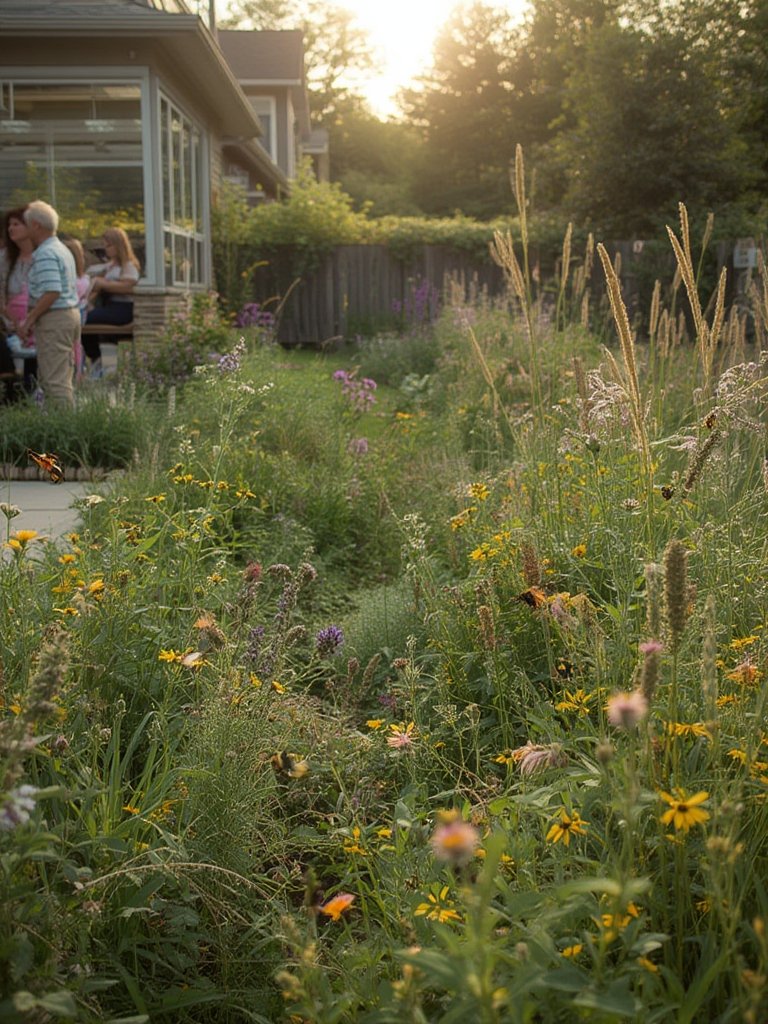
Finally, don’t throw out the old playbook. Even modern gardening technology—from robotic lawn mowers that spare your planting beds to EV charger setups mindful of habitat—can be compatible with robust pollinator patches (and sometimes reduce maintenance headaches, too).
Conclusion
Bringing native pollinator plants into your garden is one of the single most powerful actions you can take to support at-risk bees, butterflies, and other beneficial insects. The process requires research, preparation, and ongoing management, but the biodiversity, resilience, and beauty payoff is worth it. Ready to get started? Download your ecoregional plant list, review seed suppliers carefully, and start prepping your site this season.
Want more wild garden methods, pollinator lawn alternatives, or biodiversity-first installation tips? Explore our low maintenance chaos garden guide for inspiration, or see how pollinator-friendly choices fit right next to EV infrastructure in our future-proof home upgrades playbook.
FAQ
How do I know if a plant is native to my region?
Research your specific ecoregion using tools such as Pollinator Partnership’s Planting Guides, local native plant society lists, or your state extension office. Avoid relying solely on “Native” labels at big box stores, as these may refer to the U.S. as a whole, not your local ecology.
What’s the biggest beginner mistake when planting native pollinator plants?
Skipping proper site prep and not checking for authentic local seed. Many fail by sowing wildflower mixes with non-natives or planting into weedy, untreated turf.
How long does it take for native wildflower seeds to bloom?
Annual species may bloom in about three months, but most perennial natives take one to three years for first full blooms. Patience and meticulous care are key to success.
Can I use robotic lawn mowers or other garden tech in pollinator gardens?
Yes, with planning. Modern robotic lawn mowers can be programmed to avoid pollinator beds and reduce mowing of native-rich patches, lowering disturbance to bees and butterflies. For integration tips, see our guide to robotic mower installation.
Why not just plant popular ornamental “pollinator” flowers?
Many ornamentals are bred for looks, not ecological function. Double blooms and altered shapes may block pollinators, offer no usable nectar or pollen, and fail to serve as caterpillar host plants. Only truly native plants ensure ecosystem benefits.