



Chaos gardening tutorial is the fastest-rising way to create a biodiverse, visually wild flower patch—with minimal planning, less fuss, and a surprising number of hidden pitfalls. This guide gives you an honest roadmap, clear step-by-step instructions, and critical insights few others share.
Key Takeaways
- Chaos gardening is a 2024 trend fueled by social media, offering a low-effort path to natural-looking gardens and pollinator habitats.
- True success requires more than just scattering mixed seeds—understanding germination, seed depth, and plant aggressiveness is crucial.
- Expect early challenges with weeds, uneven growth, and the need for basic troubleshooting to avoid chaos turning into disappointment.
- The Core Concept: What Is Chaos Gardening & Why Is It Trending?
- Step-by-Step Guide: How to Start a Chaos Garden
- Advanced Analysis & Common Pitfalls
- Conclusion
- FAQ
The Core Concept: What Is Chaos Gardening & Why Is It Trending?
Chaos gardening tutorial flips the script on traditional, primly designed beds. Instead of planning color schemes or researching plant compatibility, you mix leftover flower or vegetable seeds and broadcast them across your soil, letting nature take its course. It’s an “anti-garden” movement—part rebellion, part eco-consciousness—and gained momentum in 2024 thanks to viral TikTok videos where people simply scatter seeds and hope for the best.
This method stands apart from both cottage gardens and formal displays, aligning with trends like reduced lawn areas and native planting for biodiversity. According to industry sources, the #chaosgardening hashtag soared past 23 million TikTok views in early 2024. It attracts gardeners fed up with high-maintenance, all-grass lawns and those who want to support pollinators without fuss.

Step-by-Step Guide: How to Start a Chaos Garden
- Pick Your Plot: Select a patch of bare soil or an area you’ve weeded down to the roots. Remove thick sod. The spot should get at least five hours of sun, unless you’re specifically choosing shade-tolerant wildflowers.
- Prepare the Ground: Loosen the top couple of inches of soil with a fork or rake. Avoid using potent weed killers, as these can affect seed germination.
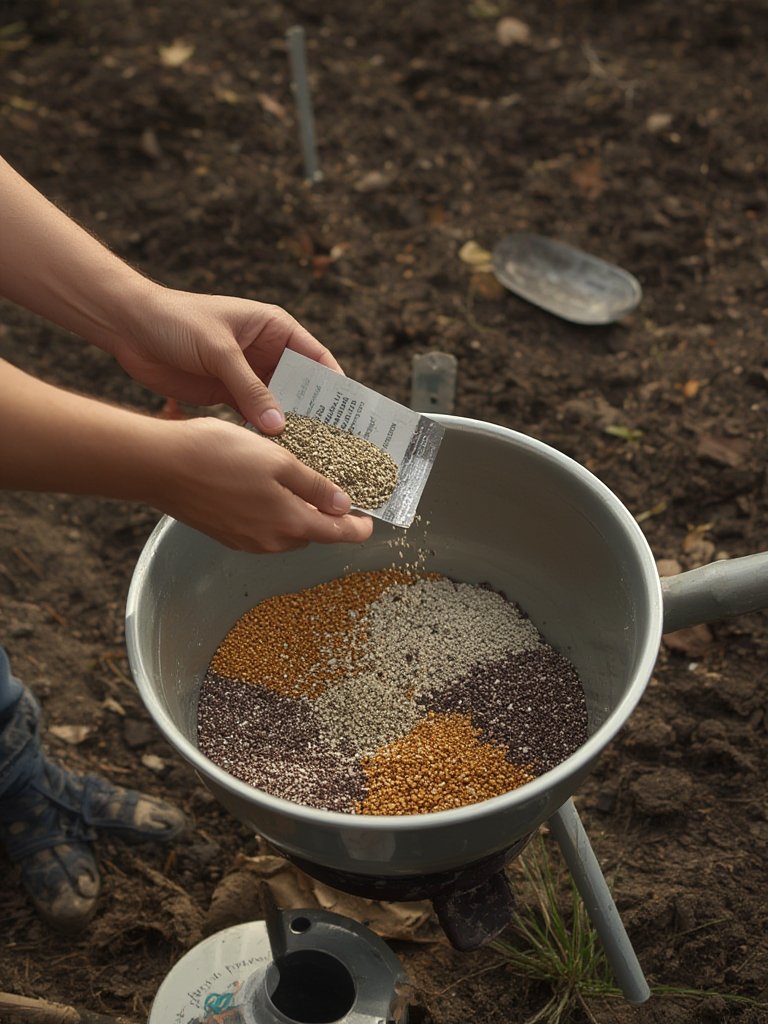
- Mix Your Seeds: Combine flower seeds, leftover veggie packets, old herb seeds, or even wildflower mixes. For a gothic chaos look, include dark varieties like ‘Black Prince’ Snapdragon or Blood Red Sunflower. Be aware: tossing any and all seeds is risky—some combinations won’t work as hoped.
- Scatter Seeds Evenly: Broadcast by hand for small areas or consider a seed spinner for larger beds. Don’t dump the whole lot in one place. Mixing seed with sand helps you see where you’ve sown.
- Adjust for Depth & Germination Needs: Gently press smaller seeds into the soil but leave them mostly uncovered. Larger seeds can be lightly raked over. Avoid burying seeds that need light to germinate, a common mistake.
- Water Carefully: Use a gentle spray after sowing. Keep soil consistently damp (not soaked) for the first 2–3 weeks, or until seedlings emerge.
- Mulch Optional: A very light mulch (like straw) protects against birds but don’t smother the seeds.
- Be Patient—But Monitor Growth: Expect erratic sprouting. Begin identifying seedlings versus weeds from week 3 onward, so you don’t end up with a weed patch.
If you appreciate smart home improvements, check out robotic lawn mower installation tips for even easier lawn care—they pair well with chaos garden edges and reduce maintenance.
- Weed Early, Weed Smart: Pull weeds by hand when small. Use reference photos and garden apps to help spot the difference—new chaos gardeners often pull wanted seedlings by mistake.
- Thin Aggressive Plants: If one variety (such as poppies or sunflowers) starts to dominate, thin them to let underdogs catch up. This helps combat shading and competition—an often-underestimated threat.
- For further energy savings and tech upgrades, our guide on home EV charger installation aligns with the sustainable ethos of chaos gardening.
Advanced Analysis & Common Pitfalls
Chaos gardening tutorial looks easy but hides several real-world risks, especially for first-timers. Here’s what rarely gets covered:
| Problem | Real-World Impact | Actionable Solution |
|---|---|---|
| Poor Germination (Seeds Scattered at Wrong Depth) | Some seeds fail to sprout—bare patches or wasted seed money. | Reference each seed’s packet depth/light needs, or separate shade-tolerant, aggressive, and height-varied species before mixing. |
| Dominant Species Take Over | Larger, faster-growing plants (e.g., sunflowers) crowd out slower or smaller species. | Thin dominant seedlings as needed when they reach 3–5 inches tall. |
| Weed Confusion | User unknowingly pulls valuable seedlings or leaves invasive weeds to spread. | Take “before” photos, use plant ID apps, or ask for forum feedback in early growth stages. |
| Patchy Color and Height | No visual balance; tall plants shade out shorter ones, resulting in uneven, less appealing patches. | Limit the number of tall or climbing species and always thin crowded clumps—select at least one filler for ground cover. |
| Uneven Coverage | Hand-broadcasting sometimes clumps seeds; some spots flourish while others are sparse. | Use sand as a medium with seed mix, or employ a mechanical broadcaster on large plots. |
Many top articles gloss over these issues, implying anyone can “just throw seeds.” However, experienced chaos gardeners regularly adjust as their patch matures. Maintenance may be lower than formal beds, but timely troubleshooting in the first season is make-or-break (source).
The best results show when blending biodiversity with select planning—avoiding “full chaos” by grouping seeds with similar sun and moisture preferences. For climate-resilient options, scatter drought-tolerant mixes in dry zones, or use native wildflowers proven for your soil. Professionally curated seed mixes offer more reliability than random leftovers, despite the movement’s ethos (see research report).
If you’re interested in automating other outdoor chores, installing a GPS-enabled robotic lawn mower can keep the rest of your yard manageable alongside a thriving chaos border.

Conclusion
Chaos gardening brings new freedom to home landscapes, boosting pollinator and wildlife support while embracing imperfection. But success—especially for beginners—involves more than random seed scattering. Plan around seed type, germination needs, and fast-growing species. Troubleshoot in early weeks for the best result.
For anyone ready to try a vibrant, lower-maintenance garden, use the steps in this chaos gardening tutorial, monitor early growth, and adjust with intention. Want more useful guides? Subscribe for practical outdoor and sustainable living strategies you won’t find elsewhere.
FAQ
Is chaos gardening really low maintenance compared to traditional gardens?
Maintenance is reduced in the later stages, but you must be active early on—especially with identifying weeds and thinning crowded seedlings. Without this, chaos garden beds can quickly become overrun or patchy.
Will chaos gardening work in shady or poor soil areas?
Results depend on seed choice. For best results, mix shade-tolerant wildflowers and local natives for poor soil spots. Full sun and moderately fertile soil give the most reliable bloom.
Do I need to buy new seeds or can I use leftovers and expired packets?
Leftover and even expired seeds are fine for chaos gardening. Just expect lower germination rates, and supplement with some newly-purchased wildflower blends for better coverage.
How do I stop one plant from taking over my chaos garden?
Thin aggressive seedlings by snipping or gently pulling them out once plants are a few inches tall. Limiting the number of dominant species in your initial mix also helps.
Is chaos gardening climate-friendly?
Yes. Chaos gardening supports biodiversity and pollinators, encourages low-input plants, and can reduce watering needs compared to a lawn. For more water savings, look for drought-tolerant blends.