


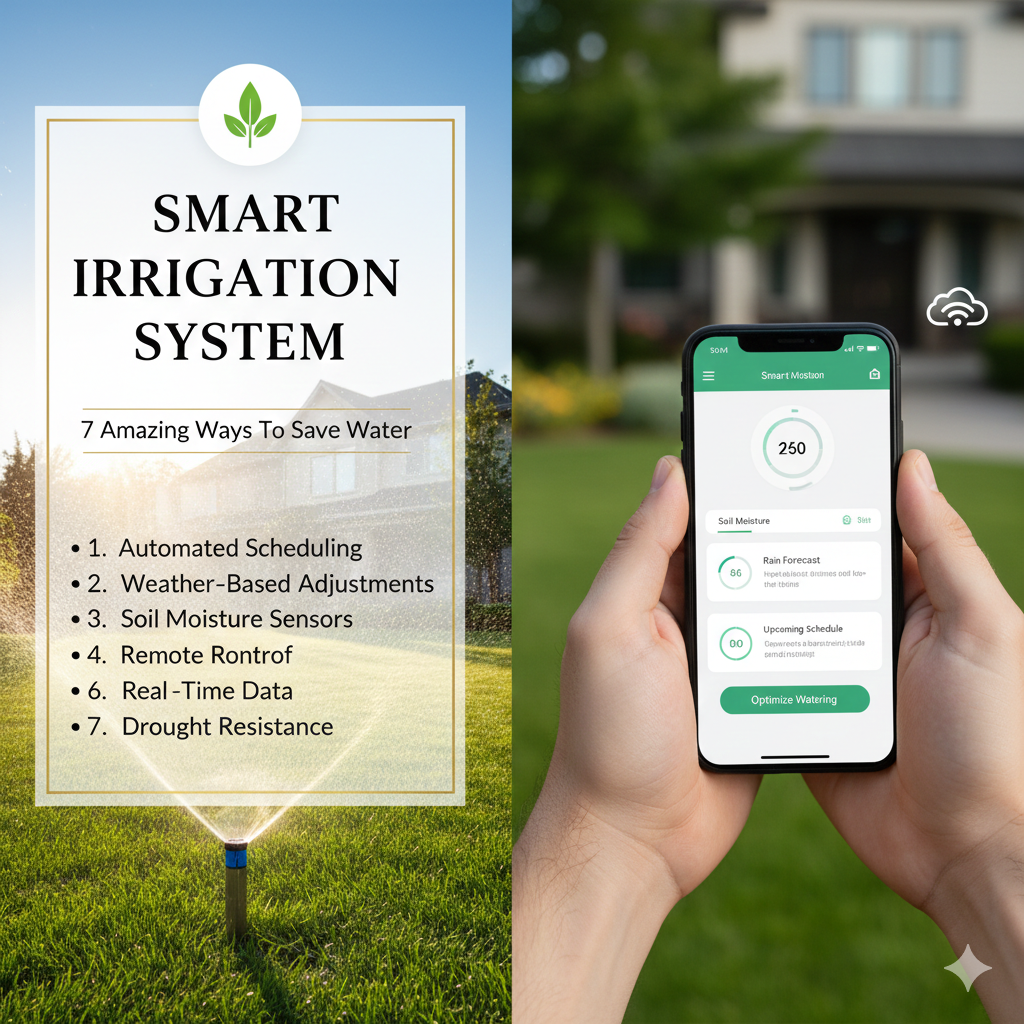
Smart irrigation system technology is transforming how homes, businesses, and landscapes manage water—offering up to 30% water savings, real-time adjustments based on weather, and the convenience of app-based control. But there are critical facts missing in most online guides. This report gives you practical steps, realistic expectations, and expert advice for anyone considering smart irrigation.
Key Takeaways
- Modern smart irrigation systems reduce water usage by up to 30% versus traditional sprinklers, mainly through automated control and real-time data integration.
- Most articles gloss over real-world problems like sensor reliability, WiFi issues, and actual costs—here, we give you the straight facts.
- Integrating soil moisture sensors and weather data produces the highest savings, but success depends on correct setup and occasional troubleshooting.
- How Smart Irrigation Systems Work—and Why They Matter
- Step-by-Step Guide: Setting Up a Smart Irrigation System
- Advanced Analysis & Common Pitfalls
- Conclusion
- Frequently Asked Questions
How Smart Irrigation Systems Work—and Why They Matter
Smart irrigation systems use a combination of centralized controllers, soil moisture sensors, and real-time weather data to optimize how and when your lawn or landscape is watered. Unlike basic timer-based sprinkler systems, they adjust automatically—delivering water only when the soil or forecasted conditions actually call for it. This not only saves water but also minimizes overwatering, runoff, and lawn disease risks.
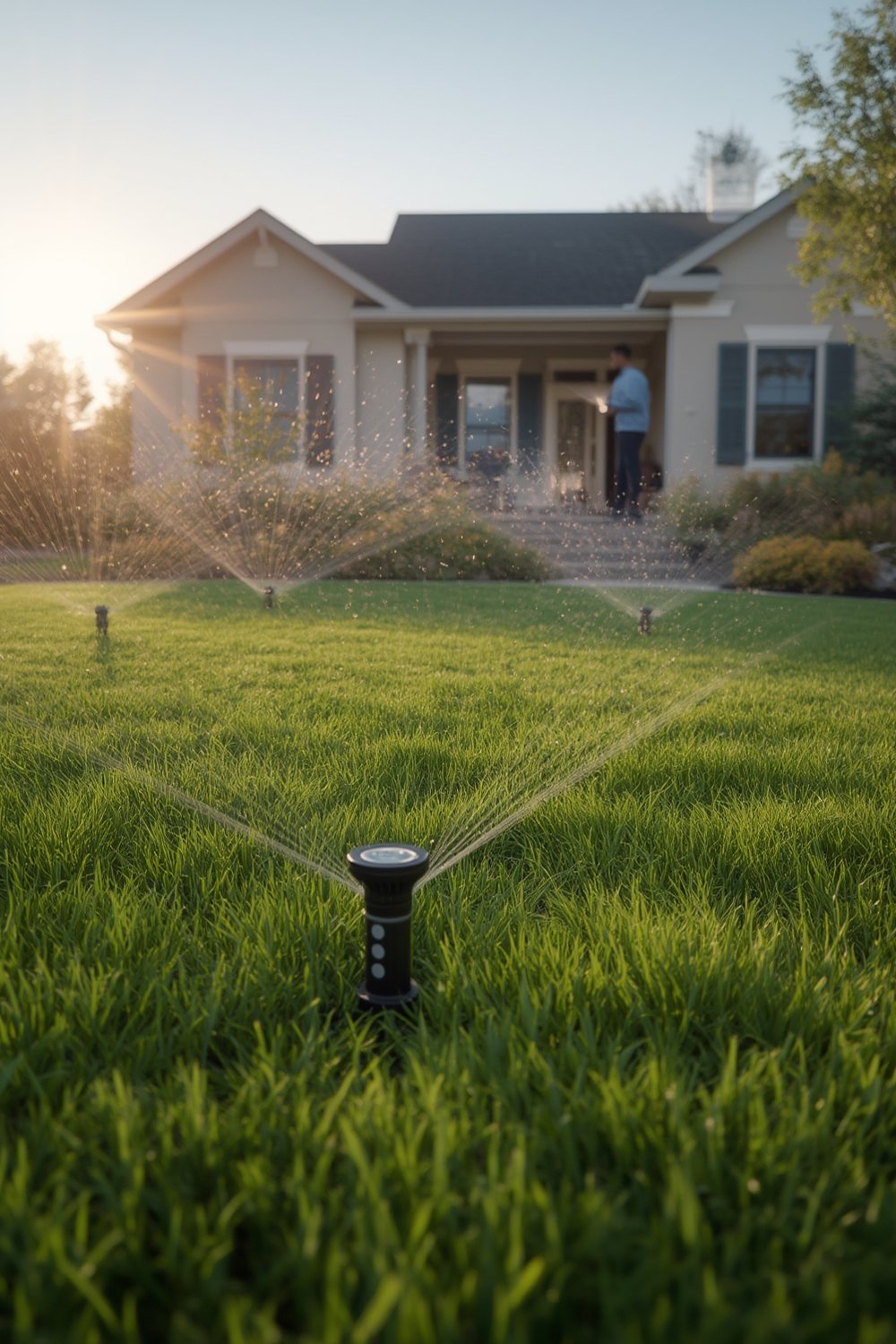
With evolving weather patterns and rising water costs, upgrading to smart irrigation makes a difference. Systems from brands like Toro and Rain Bird use sensors embedded in the soil and connect to your WiFi, allowing fine-tuned schedules and reporting via your smartphone. In 2023, the U.S. smart irrigation market reached $1.9 billion—driven mainly by commercial landscapes, golf courses, and new-water-use restrictions.
For homeowners, integrating a smart irrigation system can complement other sustainable projects such as robotic lawn mower installation or lawn to meadow conversion.
Step-by-Step Guide: Setting Up a Smart Irrigation System
Ready to upgrade? Here’s an actionable, field-tested plan for getting your smart irrigation system buying, setup, and running right.
- Assess Your Existing Irrigation System.
- Check if it is compatible with smart add-on controllers.
- Note the number of zones/valves—this will determine the controller capacity you need.
- Choose the Right Smart Controller.
- Popular options: Toro, Rain Bird, Orbit, and Rachio.
- Look for weather-sensing and app-control features.
- Buy soil moisture sensors for High-Value Zones.
- Not every zone needs a sensor. Choose the driest or most important zones for sensors.
- Sensors should be buried in the root zone for accurate readings.
- Plan Your WiFi Coverage.
- Ensure the controller location is easily reachable by WiFi.
- WiFi extenders work if the signal is weak.
- Install the Smart Controller.
- Follow the manufacturer’s wiring instructions—take a photo of your original setup just in case.
- Mount the controller in a location safe from rain and direct sun. Most outdoor-rated units can withstand weather, but don’t push your luck.
- Mount Soil Moisture Sensors.
- Place sensors at root depth in open soil—avoid burying them under sod or dense mulch, which can skew readings.
- Some sensors require calibration, so follow setup instructions carefully.
- Connect to WiFi and Set Up the App.
- Download the companion app. Connect your controller. Enter your address for weather data integration.
- Test the connection and try a manual “run now” cycle to verify control.
- Configure Schedules and Thresholds.
- Set soil moisture or forecast criteria to trigger watering. Don’t just copy default settings—tailor to your lawn or plant type.
- Disable watering during rainy periods or high winds for the best efficiency.
- Monitor, Fine-Tune, and Maintain.
- Watch the app for alerts on sensor faults or WiFi disconnects.
- Every few months, check sensor placement and battery if applicable—misplaced sensors are a main culprit of over or underwatering.
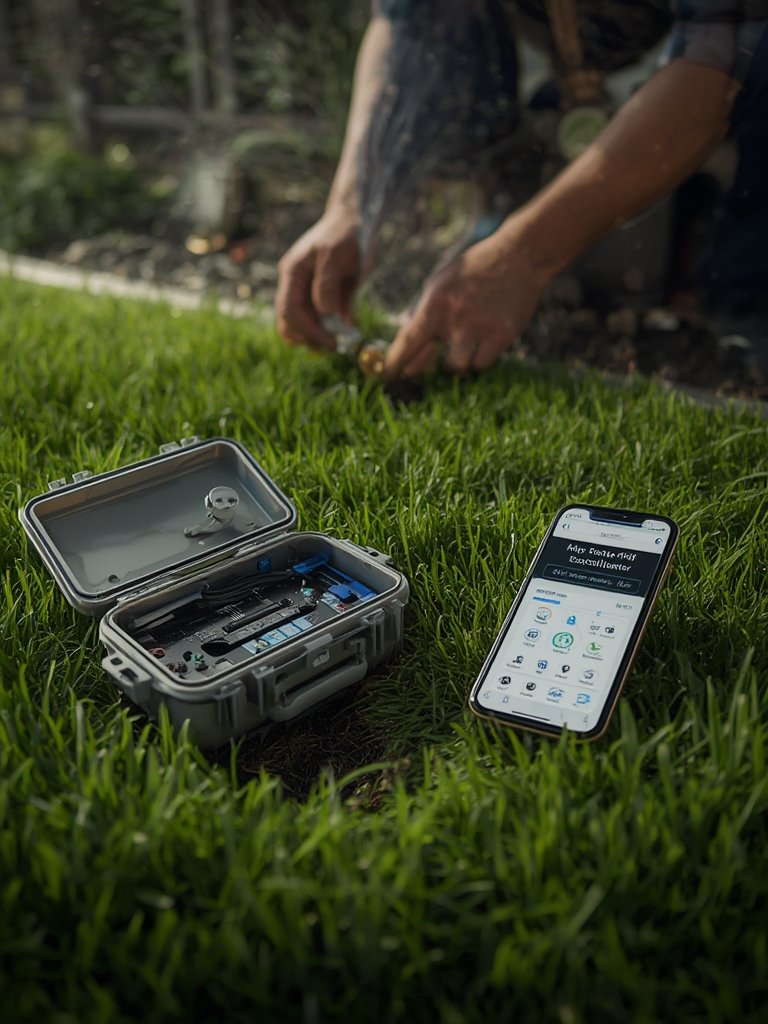
Throughout install and operation, reference the product’s troubleshooting guide—most user complaints (when they exist) center on initial connection or learning curves with the mobile app. If you’re already exploring “greener” lawn and garden strategies, you might check out guides on native pollinator plants or explore battery powered lawn equipment for a holistic sustainability upgrade.
Advanced Analysis & Common Pitfalls
Despite considerable marketing highlighting savings and convenience, real-world users consistently encounter a set of pain points and gaps rarely addressed by top-ranking guides.
| Feature/Issue | Smart Irrigation System | Traditional System |
|---|---|---|
| Water Savings (2023-2024) | Up to 30% [source] | Low to none; manually set schedules from a basic timer |
| Sensor Reliability & Maintenance | Subject to placement errors; calibration may drift, rare user reports of accuracy problems* | None—no sensors, so no errors |
| WiFi Dependency | Can lose connection, which disables remote features; often a challenge in detached garages or sheds | No WiFi needed |
| Upfront Cost (2024) | No public cost data for 2024 available; usually $120-$400 for controller, $50+ per sensor, professional install extra | Basic timer from $40; retrofits under $100 |
| Cloud Subscription Fees | Some brands require $30-$50/yr for analytics or advanced weather data* | None |
*No direct user complaint or peer-reviewed lab data reported in current 2023-2024 research. For most systems, the biggest headaches are WiFi dead spots, app setup confusion, or uncalibrated moisture sensors leading to under or overwatering. Individual sensors may fail or need battery changes, but serious malfunctions are rare compared to the convenience gained.
- Informational Gaps: Industry reports lack 2023-2024 empirical head-to-head savings numbers. Real user complaints (reliability, setup, false positives) are missing in most official sources. Even detailed pricing tables for 2024 products are not widely published—expect some cost surprises.
- Troubleshooting: Most failures trace back to poor WiFi coverage, incorrect sensor placement, or neglected maintenance checks. Keep your smartphone handy for push alerts.
- Climate Adaptation: The best systems, like Netafim and commercial Toro solutions, excel by combining soil moisture, temperature, and forecast data—adapting to variable weather to minimize waste [source].
Home users should note: While commercial systems get marketed with 30% savings, individual homes may see less dramatic results, especially if they’re already conservative with irrigation or in areas with steady rainfall. Using a mix of smart scheduling and native plant choices, like those found in chaos gardening, maximizes both water savings and biodiversity.

Conclusion
Choosing a smart irrigation system can significantly reduce waste, lower your water bills, and adapt your landscape to increasingly unpredictable weather. However, know what you are getting: upfront costs, rare but possible WiFi glitches, and the need to occasionally check sensors. Pairing your smart irrigation system with other eco-friendly upgrades—like home EV charger installation or switching to organic lawn fertilizer—multiplies your property’s sustainability and value.
Ready to future-proof your yard or commercial landscape? Start with the steps above and enjoy an irrigation system that works smarter, not harder.
Frequently Asked Questions
How much water can I realistically save with a smart irrigation system at home?
Expect up to 30% savings in optimal setups, especially in hot or drought-prone climates. If you’re already watering efficiently or have a small, shaded yard, savings may be modest but still measurable.
Source: MarketsandMarkets Smart Irrigation Report
What are the biggest setup frustrations reported by real users?
Most complaints (when documented) involve connecting to WiFi, syncing with the mobile app, and placing soil moisture sensors correctly. False alarms or missed cycles commonly trace back to poor sensor calibration or WiFi dropouts.
Do smart irrigation controllers require a subscription?
Some systems work fully without a subscription, but advanced analytics, historical weather data, or extended cloud control can require an annual fee (often $30-$50/year). Always check if extra costs apply to the features you want most.
Can a smart irrigation system work with native plantings or wildflower meadows?
Absolutely. In fact, smart irrigation makes it easier to dial in low-water requirements for drought-tolerant landscapes such as meadow conversions or native pollinator gardens. You may not need smart controllers in these zones, but moisture sensors help prevent overwatering during establishment.
What if my WiFi signal is weak where the irrigation controller is installed?
A weatherproof WiFi extender often solves the issue. Place it as close as possible to the controller’s location. Running a hardwired Ethernet cable or moving your router are also options, but usually more hassle.