


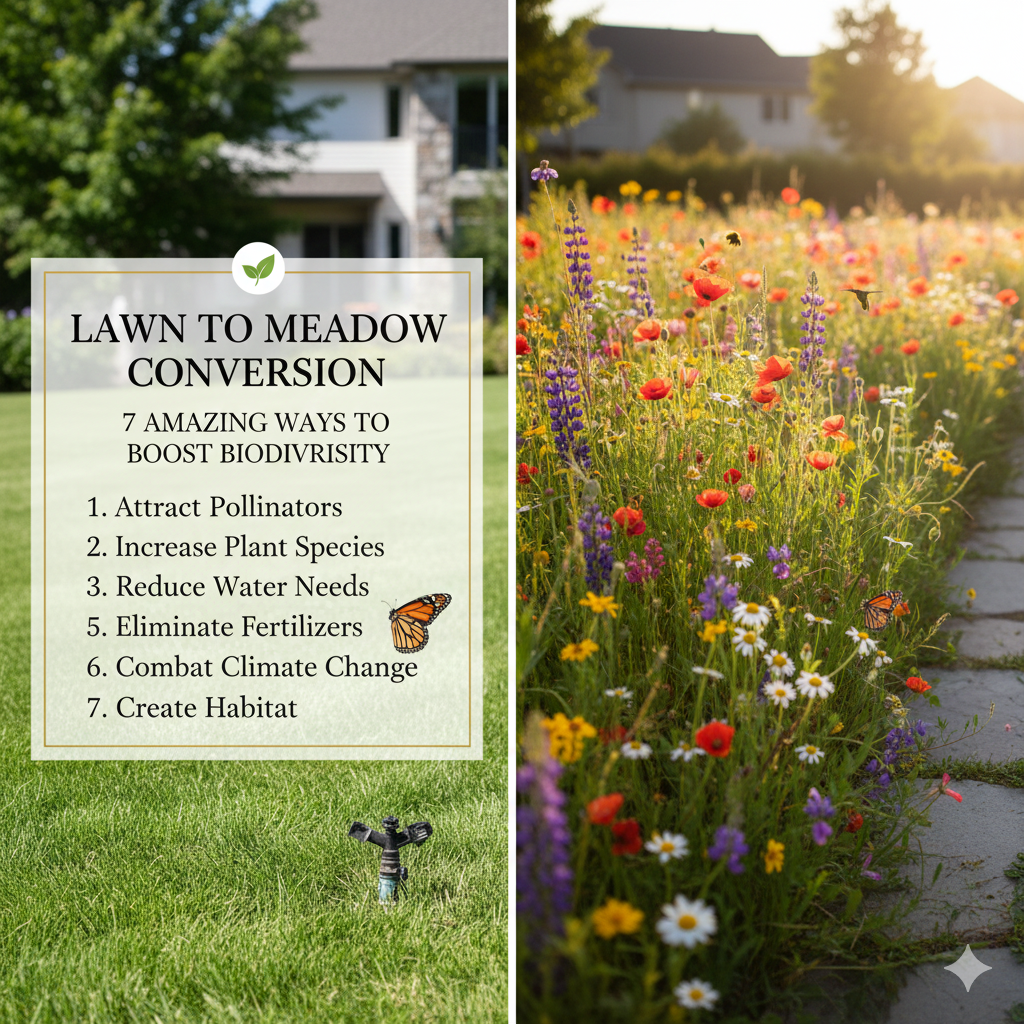
Lawn to meadow conversion is reshaping yards across the UK and North America—boosting plant biodiversity by up to 3.6 times, cutting maintenance costs by over £650/ha per year, and supporting pollinators that disappearing turf lawns cannot sustain. But most online guides skip the real challenges: site preparation failures, climate mismatches, HOA restrictions, and the two years of patchy results before a meadow looks its best. This guide covers the full picture.
Table of Contents
Lawn to Meadow Conversion: The Complete Step-by-Step Guide for 2025
A lawn to meadow conversion means replacing conventional turf with a diverse, low-input habitat of native grasses and wildflowers. Instead of uniform green that demands constant mowing, watering, and fertilizer, you cultivate a living ecosystem that supports pollinators, cools local temperatures, and largely manages itself once established. According to research published in Biogeosciences, urban meadows support an average of 15.8 plant species per plot compared to 4.4 for conventional lawns—a 3.6-fold increase in biodiversity. The financial case is equally strong: meadow maintenance costs run over £650/ha/year less than turf when reduced mowing frequency and eliminated fertilizer inputs are combined.
Why Convert Your Lawn to a Meadow?
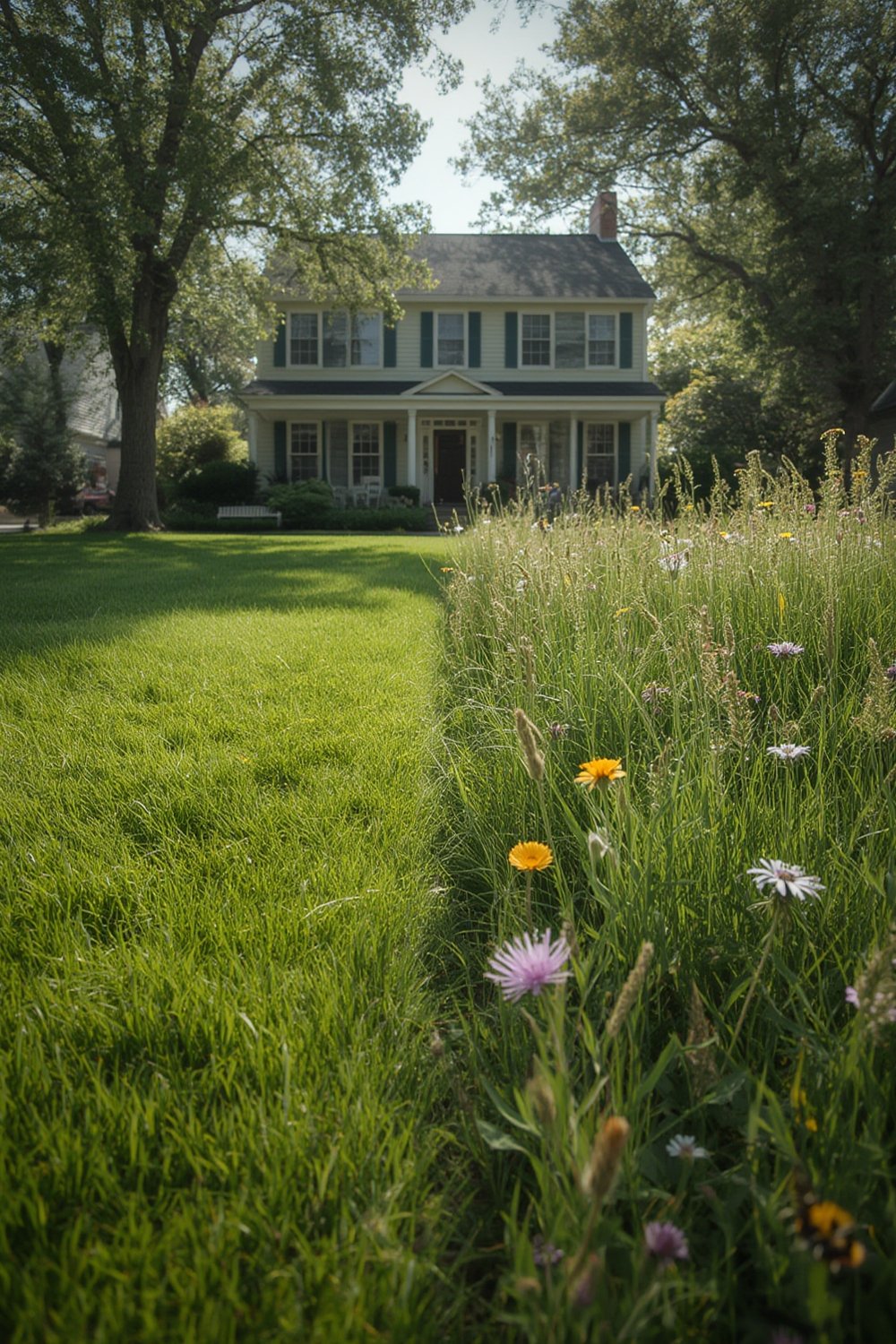
The case for lawn to meadow conversion is built on three converging pressures: ecological, financial, and practical. Turf lawns are one of the most resource-intensive land uses in residential settings—they require regular mowing (typically 20–30 cuts per year), irrigation during dry periods, and periodic fertilizer and herbicide inputs to maintain the uniform appearance most HOAs and neighbors expect. Meadows, once established, require a single annual cut in late summer and nothing else.
The ecological benefits are well-documented. UK studies found that 36.2% of gardeners left part of their garden unmanaged or wild in 2024, driven partly by increased awareness of pollinator decline and partly by the practical appeal of reduced maintenance. Meadows also reflect 25–34% more sunlight than dark turf, contributing measurably to urban heat island reduction in densely residential areas. For homeowners interested in a less structured approach to increasing yard biodiversity, chaos gardening offers a complementary strategy with even lower management requirements.
The practical motivation is straightforward: most homeowners who convert report spending significantly less time on yard maintenance within the first full year after establishment, and almost none by year two or three. The upfront investment in site preparation and seed is typically recovered within 2–3 seasons through eliminated mowing, fertilizer, and irrigation costs.
Lawn to Meadow Conversion Step by Step
A successful lawn to meadow conversion follows a specific sequence. Skipping or shortcutting steps—particularly site preparation—is the primary reason conversions fail in the first year. Here is the research-backed process that produces reliable results:
Step 1 – Plan Your Site Before Touching Any Turf
Choose the conversion area based on sun exposure (most wildflower mixes require at least 6 hours of direct sunlight), drainage (waterlogged areas need different species mixes), and intended use. If you need play space for children or pets, designate a maintained turf corridor or central path before the conversion begins—retrofitting access routes after seeding damages the emerging meadow. Check neighborhood and HOA rules first: many jurisdictions regulate grass height or define “weedy” areas, and a tapestry lawn or clover meadow with clear maintained edges is often compliant where a full wildflower meadow is not.
Start with a test patch. Converting your entire lawn at once makes it difficult to identify what went wrong if problems emerge. A 10–20 square meter test area in your first season lets you refine the approach, observe how your specific site responds, and avoid a large-scale failure.
Step 2 – Remove Existing Turf Thoroughly
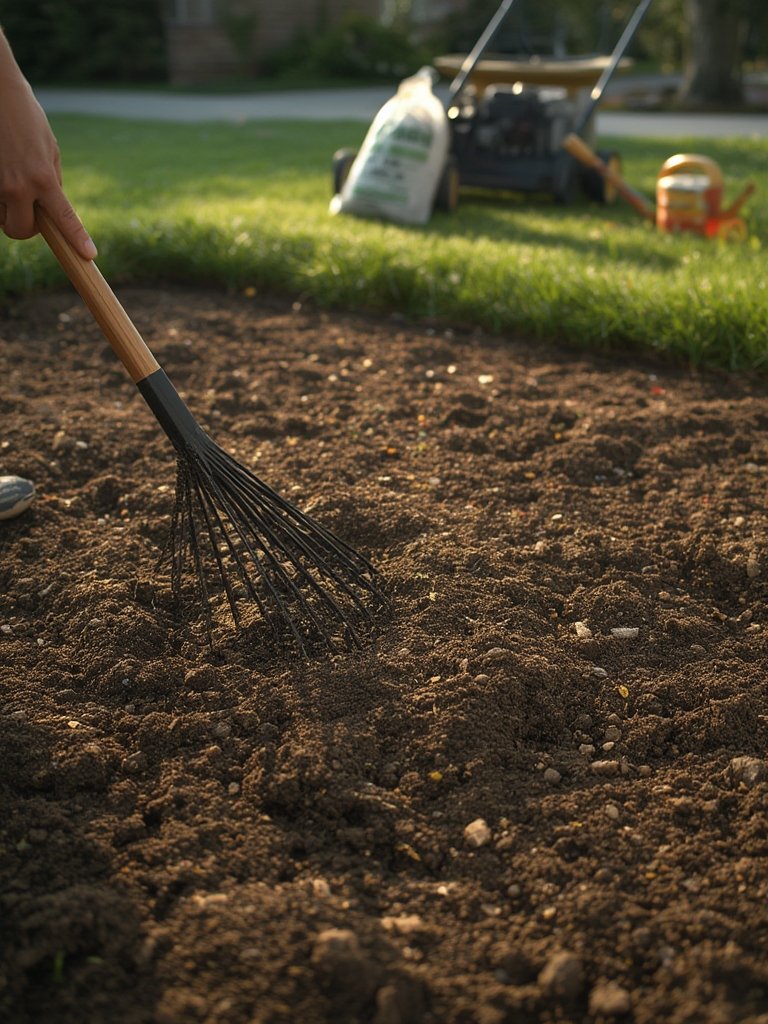
Site preparation is the most critical step in any lawn to meadow conversion and the step most commonly executed inadequately. Existing turf grass competes aggressively with newly sown wildflowers and will dominate if not removed. Three methods work depending on your resources:
- Deturfing (most effective): Physically strip the grass layer using a turf cutter (available to rent at most equipment hire shops). This exposes bare soil with minimal disturbance to the seed bank below. According to research published at UCL Discovery, deturfing produces the strongest wildflower establishment results of any preparation method.
- Solarization (lower effort, slower): Cover the area with clear heavy-duty plastic sheeting for 6–8 weeks during summer. Heat buildup under the plastic kills existing vegetation and many weed seeds. Less physically demanding than deturfing but requires planning 2 months ahead of sowing time.
- Tilling (last resort): Till to approximately 35 cm depth if turf removal is not feasible. This disrupts the weed seed bank and brings dormant seeds to the surface, creating a weed management challenge in year one that the other methods avoid.
Step 3 – Sow Seeds at the Right Time and Rate
Late autumn sowing is optimal for most temperate climates—autumn rainfall aids germination and cold stratification over winter improves spring emergence for many native perennials. Scatter a native wildflower meadow mix at 1.5 g/m², with annual species at 2 g/m² if you want fast color in year one. For maximum pollinator impact, include at least 14 native forb species at 0.06 g/m² per species—research from Biogeosciences shows this species diversity threshold is the point at which measurable pollinator visitation increases become consistent. For tapestry or low-mow alternatives, overseed with micro clover and fine fescues after light scarification for a dense, low-growth mat that tolerates minimal mowing.
Step 4 – First-Year Maintenance Is More Active Than You Expect
The most common misconception about lawn to meadow conversion is that year one requires no management. The opposite is true. During the first growing season, mow every two weeks to approximately 10 cm height to control annual weeds that germinate faster than your meadow species. Remove clippings every time—leaving them returns nutrients to the soil and favors grass over wildflowers. Water newly sown areas during prolonged dry spells in the first 6 weeks, but avoid sustained moisture that encourages fungal issues in emerging seedlings. Reseed thin patches in autumn of year one if coverage is below 40%.
Step 5 – Long-Term Establishment and Annual Cut Routine
From year two onward, a fully established meadow from a lawn to meadow conversion requires a single annual cut in late summer (August–September in northern temperate climates), after the majority of wildflowers have set seed. Remove all clippings—this is non-negotiable, as leaving them fertilizes the soil and gradually shifts the species balance back toward aggressive grasses. Monitor for invasive species annually and spot-treat problem areas before they spread. Expect year two to look dramatically better than year one, and year three to reach close to the full visual and ecological potential of the meadow.
Common Pitfalls in Lawn to Meadow Conversion
Most lawn to meadow conversion failures are predictable and avoidable. These are the problems that catch well-researched homeowners off guard:
| Challenge | What Actually Happens | How to Address It |
|---|---|---|
| Weed domination in year one | Fast-germinating annuals overtake slow meadow species if first-year mowing is skipped | Mow every 2 weeks to 10 cm, remove clippings, be patient |
| Short-term earthworm loss | Deturfing reduces earthworm populations by ~48% in the first 8 weeks | Choose less-disturbing prep methods where possible; populations recover by year two |
| Climate mismatch | UK/European seed mixes fail in hot, dry North American climates | Select mixes specifically rated for your USDA hardiness zone and rainfall range |
| HOA or legal restrictions | Meadow appearance triggers neighborhood complaints or violation notices | Check rules before starting; maintain clear mown edges and a defined path |
| Underestimating establishment time | Year one looks sparse and weedy—owners abandon the project prematurely | Set realistic 2-year expectations; annuals provide initial color while perennials establish |
| Unrealistic cost expectations | Upfront prep and seed costs can exceed basic sod installation | Calculate 3-year total cost including reduced maintenance—meadows win significantly over time |
| Loss of recreational space | Full conversion eliminates usable lawn area for children and pets | Retain a mown central path or border; convert in sections rather than all at once |
Lawn to Meadow Conversion Costs: What to Expect
The financial reality of lawn to meadow conversion is more nuanced than most guides acknowledge. Upfront costs—turf removal, soil preparation, seed purchase—can be comparable to or higher than standard sod installation. A realistic budget for a DIY conversion of a 50 square meter plot runs approximately £150–£300 ($180–$360) for seed and preparation materials, depending on whether you rent a turf cutter or solarize. Professional installation costs significantly more.
The financial case becomes compelling over a 3–5 year horizon. Once established, a meadow eliminates mowing costs (typically £300–£800/year for professional lawn mowing services on a standard suburban plot), fertilizer, irrigation, and pesticide inputs. The £650/ha/year savings figure from UK research reflects this long-term picture rather than year-one costs. For homeowners who mow themselves, the savings are primarily in time and equipment wear rather than direct cash outlay—but the time return compounds significantly as the meadow establishes and annual management drops to a single late-summer cut.
Climate and Regional Considerations for Lawn to Meadow Conversion
The most significant gap in most lawn to meadow conversion guidance is climate specificity. The majority of available research comes from UK and northern European contexts—cool, wet climates where standard European wildflower mixes perform predictably. These mixes frequently fail in hot, dry regions of North America, Australia, or Mediterranean climates without significant adaptation.
For North American conversions, select seed mixes specifically rated for your USDA Plant Hardiness Zone and regional rainfall pattern. Prairie mixes perform well in the Midwest, coastal California meadow mixes suit the Pacific coast’s dry summer pattern, and southeastern US meadows require heat-tolerant native species that most European mixes do not include. Your local cooperative extension service maintains region-specific native plant lists that are more reliable for species selection than generic wildflower packets from garden centers. For detailed native pollinator plant selection by region, our native pollinator garden guide covers species selection in depth.
Lawn to Meadow Conversion vs. Alternative Low-Maintenance Options
A full lawn to meadow conversion is not the only path to a lower-maintenance, higher-biodiversity yard. Depending on your goals, constraints, and tolerance for the 2-year establishment period, these alternatives may suit your situation better or serve as intermediate steps:
- Tapestry lawn: Overseed existing turf with micro clover, low-growing native wildflowers, and fine fescues. No turf removal required. Results in a dense, multi-species ground cover that tolerates light foot traffic, reduces mowing frequency to 3–4 times per year, and looks tidier than a full meadow—important for HOA compliance. Lower biodiversity impact than full conversion but significant improvement over monoculture turf.
- No-mow fescue blend: Replace turf with fine fescue varieties that naturally grow to 15–20 cm and stop. Requires minimal mowing, no fertilizer, and moderate irrigation. Less biodiverse than a wildflower meadow but visually similar to conventional lawn and fully compliant with most HOA regulations.
- Chaos garden patches: Convert specific areas—borders, corners, awkward slopes—rather than the full lawn. Our chaos gardening guide covers this approach in detail. Combines low management with high pollinator value in targeted areas while retaining usable turf in high-traffic zones.
- Robotic mower hybrid: Maintain a low-input fescue or clover lawn with a robotic mower that handles the mowing automatically. Lower biodiversity benefit than meadow conversion but significant time savings with minimal landscape change. Our robotic lawn mower review covers current options in detail.
Frequently Asked Questions About Lawn to Meadow Conversion
How long does a lawn to meadow conversion take to establish?
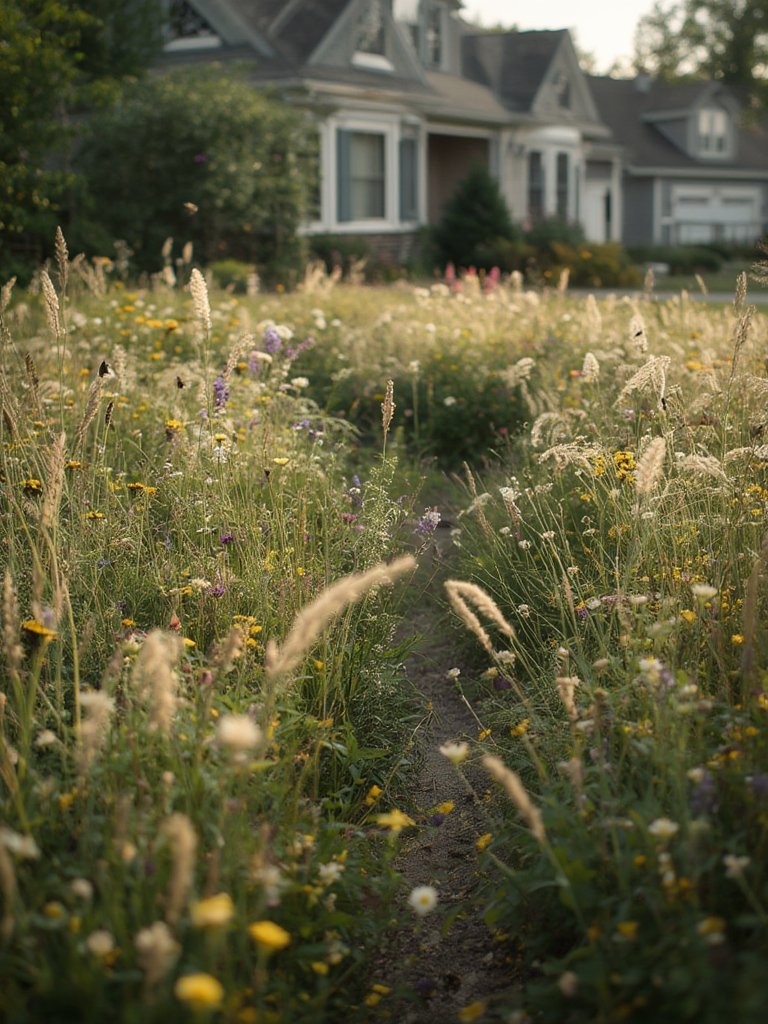
Most meadows take 1–2 years to look full and diverse. Annual wildflowers may provide quick color in year one, but perennial species need a full year or two to mature into a dense, established meadow. Expect sparse, patchy growth during the first growing season regardless of how well the site was prepared—this is normal and not a sign of failure.
Will a lawn to meadow conversion attract pests or reduce property value?
Published studies have found no evidence of increased pest populations or reduced property values associated with meadow conversions. Meadows can actually reduce pest pressure by supporting populations of beneficial predatory insects. The aesthetic concern is real for some neighbors—maintaining clear mown edges and a defined access path signals intentional management rather than neglect and significantly reduces complaints.
Can I do a lawn to meadow conversion in a hot, dry climate?
Yes, but standard UK and European wildflower mixes will struggle significantly without adaptation. Use seed mixes specifically designed for your USDA hardiness zone and regional rainfall pattern. Contact your local cooperative extension service for region-specific native species recommendations—these are consistently more reliable than generic “wildflower” packets sold at garden centers.
What is the cheapest way to do a lawn to meadow conversion?
The most affordable DIY approach is solarization (clear plastic sheeting for 6–8 weeks) followed by direct seeding at minimal viable rates with aggressive first-year weed management. Overseeding with micro clover and low-mow fescue as a tapestry lawn is even cheaper and requires no turf removal. Full deturfing with rented equipment produces better results but costs more upfront.
Are there HOA or legal restrictions I need to check before starting a lawn to meadow conversion?
Yes—many HOAs and some municipalities regulate grass height, weed definitions, or overall lawn appearance. Always check your specific HOA rules and local ordinances before beginning. If restrictions apply, a tapestry lawn or clover meadow with clearly maintained edges is typically compliant where a full wildflower meadow would not be. Some jurisdictions have specific exemptions for certified native plantings—check whether your local extension service or native plant society offers any documentation that supports compliance.
For more gardening guides, explore our articles on chaos gardening, native pollinator plants, and robotic lawn mowers for low-maintenance yard management.