


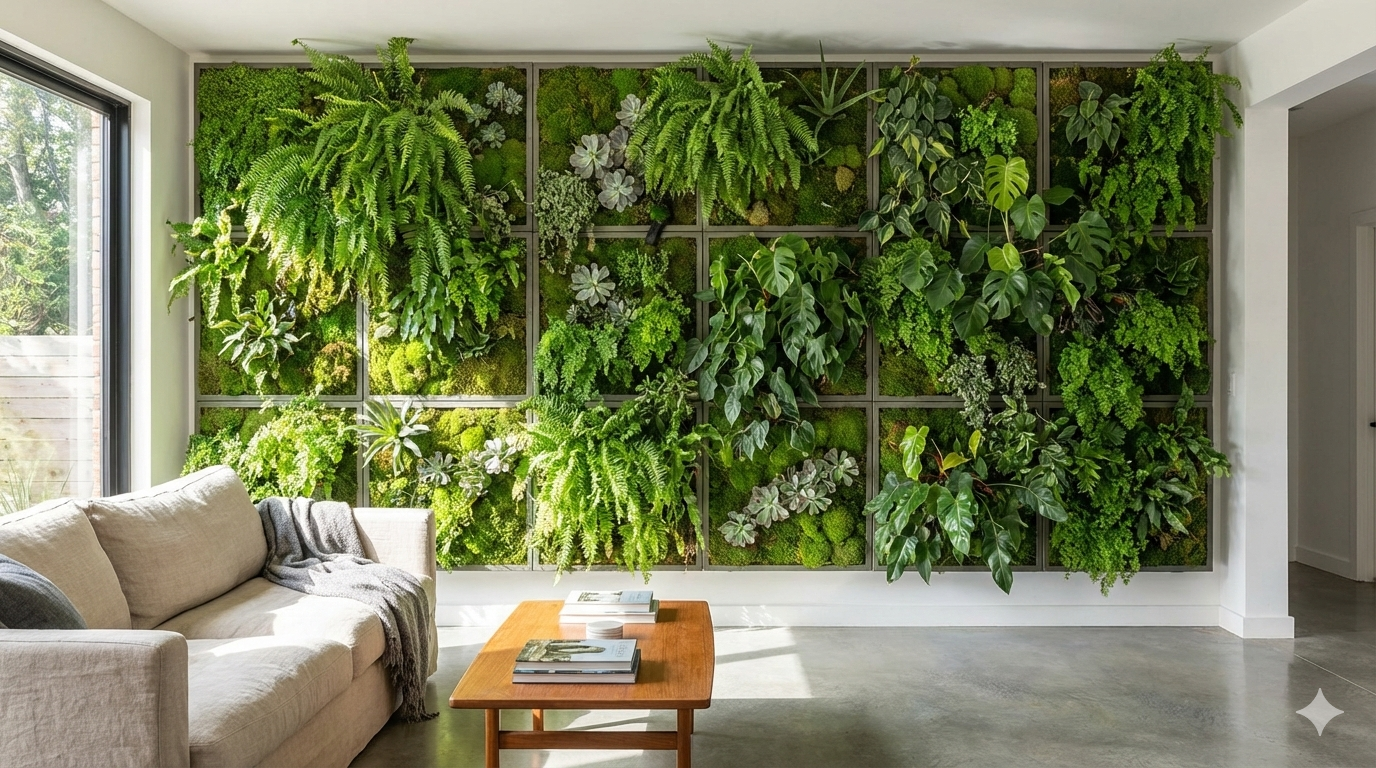
Living wall planter solutions are changing the way homeowners create vibrant, healthy spaces—indoors and out. If you want to add greenery to small areas, maximize vertical real estate, and improve air quality, living wall planters offer unmatched potential. But there are important technical details, steps, and pitfalls most guides skip. This post covers everything you need to know, with practical action steps and fresh market data for 2024.
Key Takeaways
- Living wall planters are experiencing rapid global growth—projected to exceed $8.7 billion by 2033.
- System choice, installation, and plant selection are critical for durability, ease of care, and ongoing plant health.
- Ignoring weight, irrigation, and maintenance mistakes can lead to costly failures—see advanced pitfalls below.
- What Are Living Wall Planters and Why Bother?
- How to Install a Living Wall Planter: Step-by-Step Guide
- Advanced Analysis & Common Pitfalls
- Conclusion
- Frequently Asked Questions
What Are Living Wall Planters and Why Bother?
A living wall planter is a modular or panel-based system that allows you to grow plants vertically, transforming blank walls into living, functional art. These systems can be installed inside homes, offices, or outdoors. They help maximize green space for small city apartments or suburban yards, and promote sustainability by boosting air quality, lowering ambient temperatures, and providing habitats for pollinators.
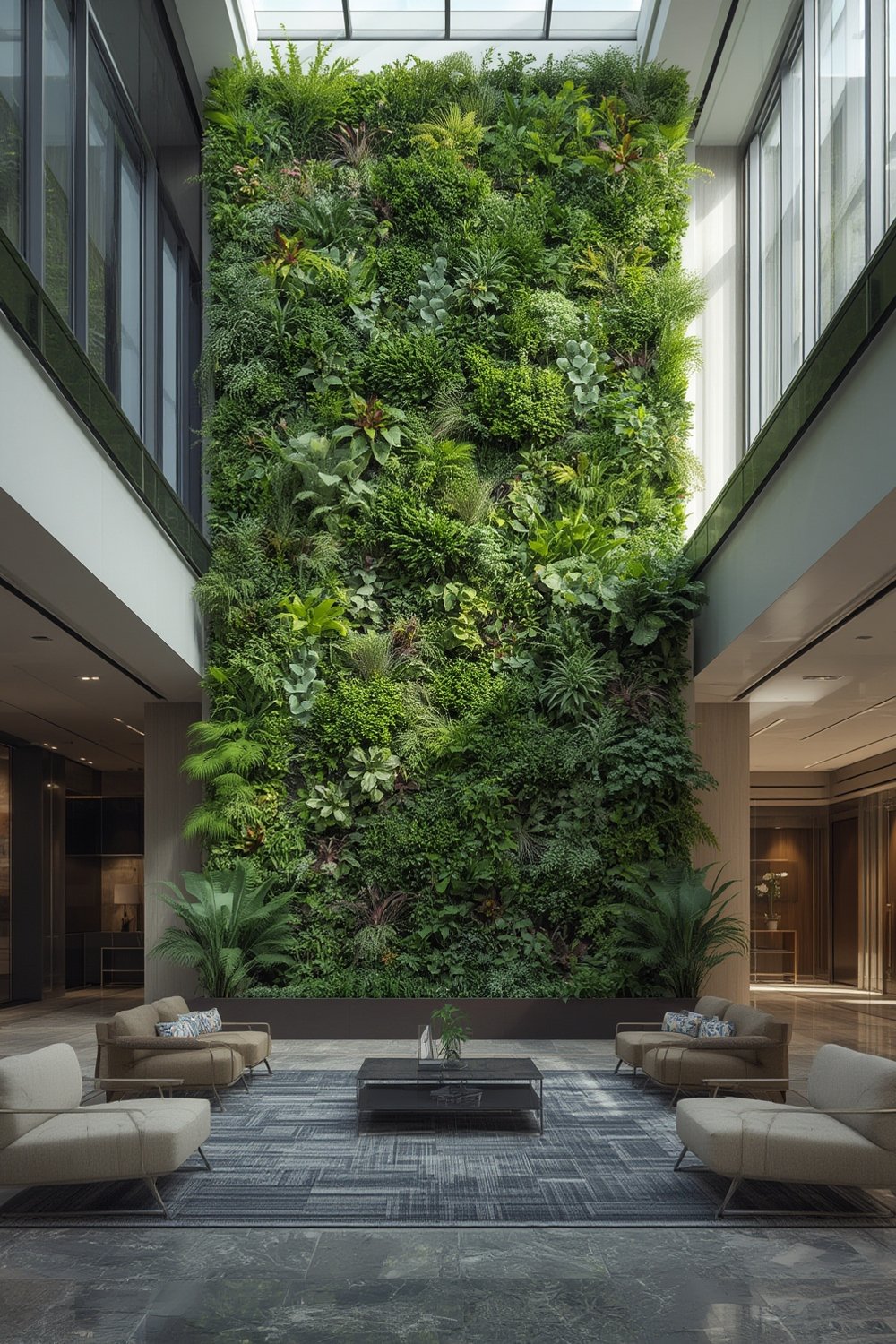
Modern living wall planters are a response to dense urban living, rising environmental awareness, and biophilic design movements. The market for living wall and green wall systems is growing rapidly. By 2024, it’s valued at $3.2 billion and could surpass $8.7 billion by 2033, at an impressive CAGR of 11.7% (source).
Want to add biodiversity, wildlife value, and beauty at home? Living wall planters offer a practical way to support pollinator-friendly native plants (see Native Pollinator Plants) or try bold design trends like Chaos Gardening in a compact footprint.
How to Install a Living Wall Planter: Step-by-Step Guide
Here are clear, practical steps for installing your living wall planter, whether indoors or outside:
- Choose the wall and location. Select a sturdy vertical surface that can support the planter’s weight—even after watering. South- or east-facing walls maximize natural light for most plants.
- Check water and drainage options. Access to a hose, irrigation line, or easy watering route is essential. For indoor setups, plan for a water catchment tray or integrated drip system.
- Pick the right system. Panel, modular, and tray systems dominate the market; each offers unique benefits. Modular options offer flexibility for future expansion.
- Review mounting and hardware needs. Use screws and anchors rated for double the anticipated weight (including mature, fully watered plants).
- Select durable plant types. Succulents, ferns, herbs, mosses, and tough flowering varieties (like those in Drought Tolerant Landscaping) deliver the best long-term success for most planters.
- Follow system assembly instructions. Assemble the planter per manufacturer guidelines. Attach irrigation lines if provided, and check all seals.
- Install the planter. Mount the frame to the wall, securing at all anchor points. Test stability before adding soil or plants.
- Add potting media and plants. Use lightweight soil designed for vertical planting. Start with smaller transplants to avoid load problems.
- Set up irrigation or a watering schedule. automated drip or smart systems reduce maintenance. Manual watering is possible for small walls; check every 2-3 days at first.
- Perform final checks and tidy up. Wipe down surfaces, verify there are no leaks, and ensure plants are secure. Adjust lighting and airflow if indoors.
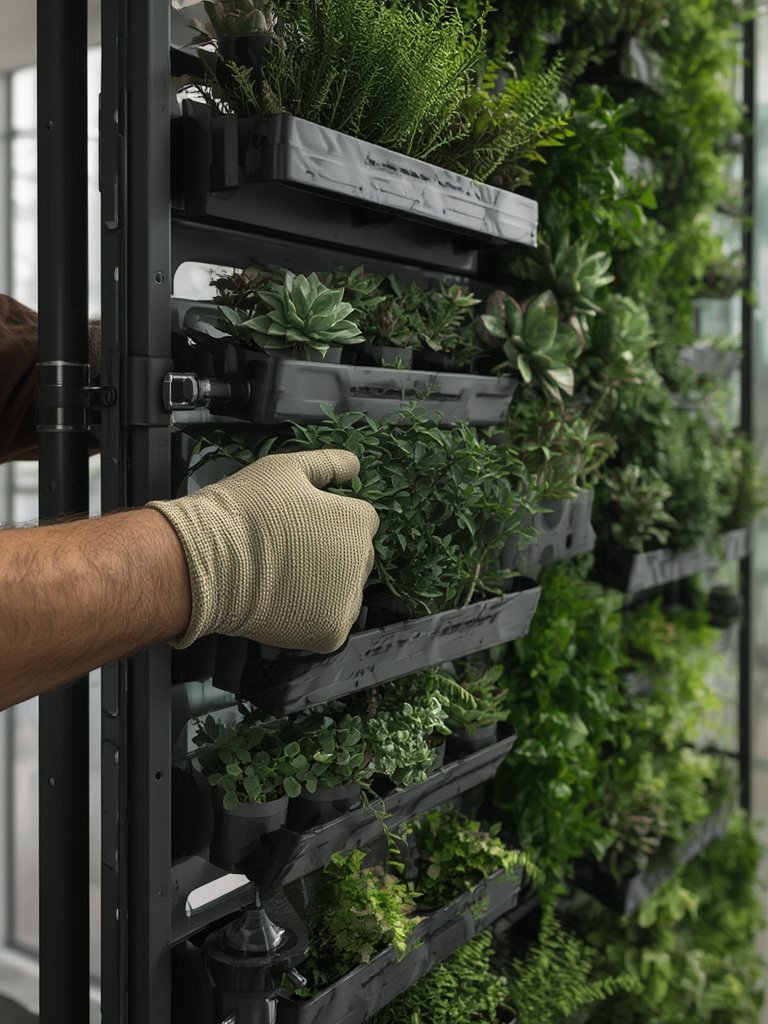
Thinking bigger? Living wall planters are a strong fit for sustainable homes and offices focused on LEED points or workplace wellness. Adding smart irrigation systems—explored in detail in our Smart Irrigation System guide—can automate watering and optimize plant health.
If you’re considering food crops, check our Edible Landscaping Design and Vertical Gardening Ideas posts for plant lists and space-maximizing tips.
Advanced Analysis & Common Pitfalls
Many homeowners underestimate the complexity of living wall planters. Here are common pitfalls and the realistic challenges you could face:
- Weight and Structural Load: Watered planters can weigh significantly more than expected. Insufficient anchoring is the leading cause of wall damage.
- Irrigation Issues: DIY irrigation often causes leaks, root rot, or dried-out zones. Indoor setups must manage excess water carefully to prevent mold and property damage.
- Poor Plant Selection: Exotic or moisture-loving species often fail in less-controlled outdoor or sunny sites. Succulents and ferns (nearly 50% of installations) are popular for good reason—they survive fluctuating conditions (source).
- Maintenance Overload: Living walls can be labor-intensive to prune, replant, and fertilize, especially if automated irrigation is missing.
- Costs and Upkeep: Upfront costs for modular systems and professional installation can be high. Hidden costs for repairs, plant replacement, or watering (especially for larger outdoor installs) are almost never mentioned up front.
- Compatibility and Durability: Not all commercial systems support the weight of mature plants or withstand UV/weather for outdoor use. Always confirm manufacturer specs.
| Factor | Indoor Setup | Outdoor Setup |
|---|---|---|
| System Cost (materials only) | $100-$900+ | $200-$1,500+ |
| Installation (DIY vs. Pro) | DIY possible, pro advisable for large | Often requires pro help |
| Average Water Needs | Low (controlled) | Moderate-high (weather dependent) |
| Maintenance Frequency | Weekly/monthly | Weekly |
| Common Fail Points | Leaks, mold, light issues | Overheating, drought, pests |
As with any urban greening solution, know the challenges—and design around them. For long-term success and plant health, seek out reputable brands and pay particular attention to technical specifications. Panel and modular systems now dominate—making up over 48% of market revenue (market source).
Recap: Embracing biophilic design can boost wellness, but be honest about the required time, effort, and cash. For reduced maintenance, explore drought-tolerant varieties or meadow-style plantings that require less ongoing input.
Conclusion
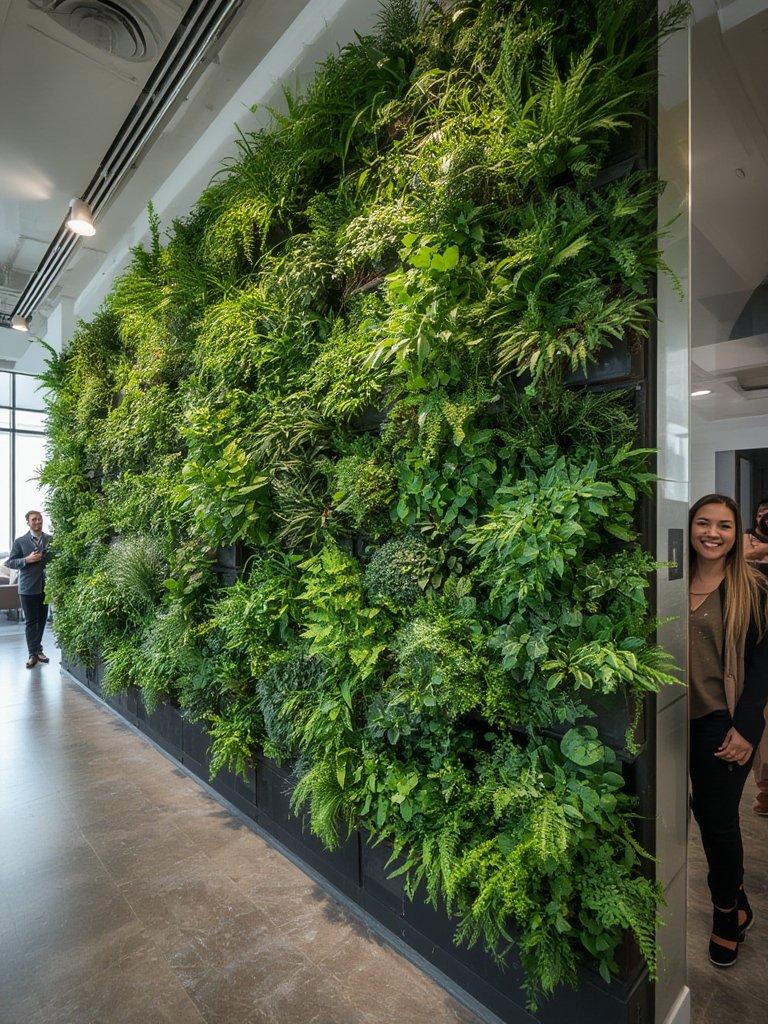
From spacious outdoor installations to compact indoor accents, living wall planters unlock new opportunities for beauty, sustainability, and health. The market is growing fast—if you focus on smart installation and plant choices, you’ll sidestep most common problems. Getting your living wall planter right delivers daily rewards, both visually and for your wellbeing.
Ready to start? Check your wall, evaluate your space, and plan your own green wall project this season!
Frequently Asked Questions
What is the best location for a living wall planter?
South or east-facing walls with enough light are ideal. Indoors, choose an area with indirect sunlight and easy access for watering. Outdoor planters must be shielded from harsh afternoon sun or heavy winds.
How often do living wall planters need to be watered?
Frequency depends on plant types, wall location, and season. Most require watering every 1-3 days initially, but automated irrigation systems can reduce this workload.
Do living wall planters damage walls?
If installed and maintained correctly, they will not damage properly prepared walls. Always use adequate waterproofing and ensure all anchors are suitable for the planter’s full wet weight.
Can I grow vegetables or herbs in a vertical planter?
Yes—herbs and greens are well suited to vertical systems. Use systems with deep enough cells and ample sunlight. Check out our Edible Landscaping Design and Vertical Gardening Ideas for inspiration.
How do I prevent pests and disease on living walls?
Good air circulation, monitoring for pests, and using healthy, pest-resistant plants go a long way. Never crowd plants too tightly, and avoid constant overwatering which creates fungal problems.