


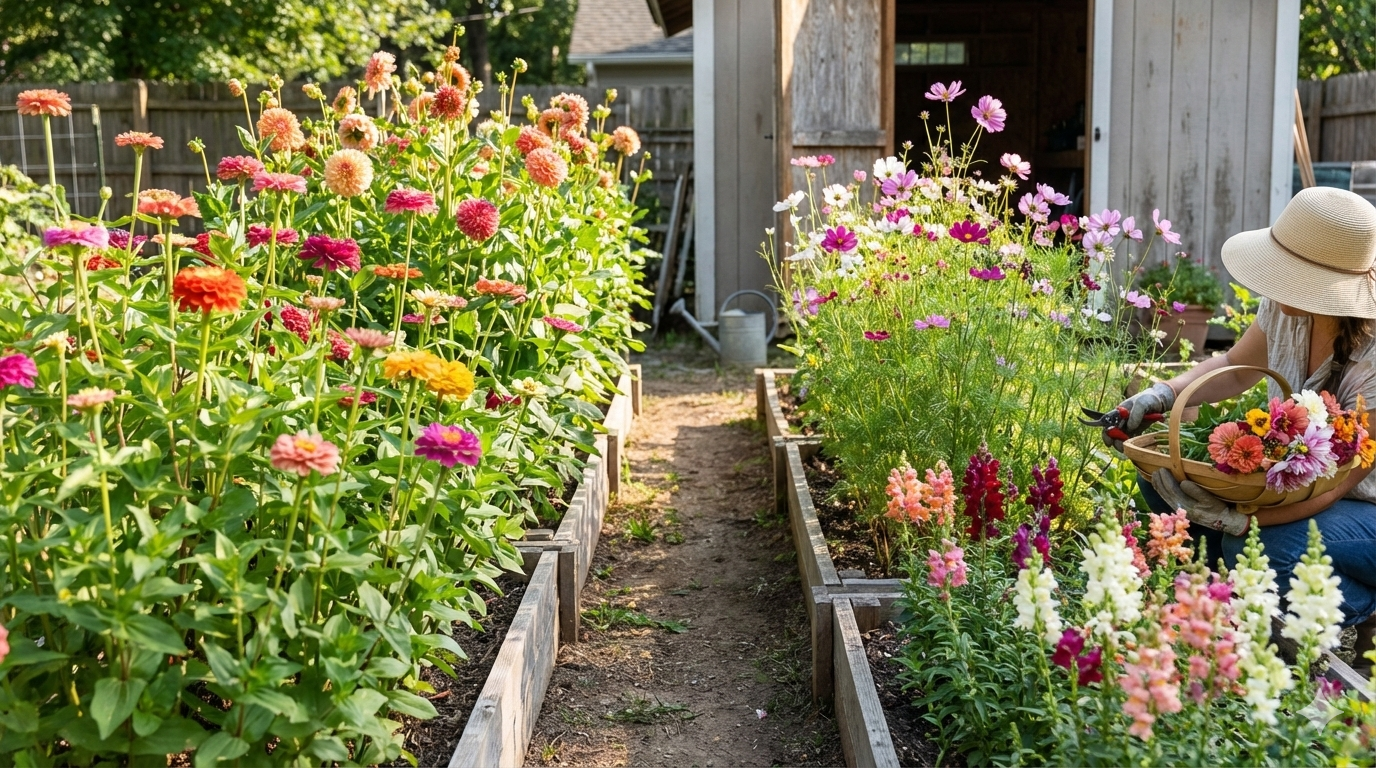
Cut flower garden design gives you the ultimate control over homegrown bouquets—right in your own backyard. Whether you dream of armfuls of spring tulips or buckets of colorful dahlias, smart layout and succession planting make a massive difference in your results. This guide walks you through a no-nonsense approach to designing and maintaining a productive cutting patch, drawing from what really works—not just what’s trendy.
Key Takeaways
- Cut flower garden design starts with the right site, layout, and seasonal planning for continuous blooms and easy harvests.
- Common pitfalls include overcrowding, poor succession planning, and soil neglect—these can be easily avoided with planning and the right tools.
- Year-round bouquets are possible, even in small backyards, by using tight layouts, smart plant selection, and techniques like protected cultivation.
- Understanding Cut Flower Garden Design
- How to Design a Cut Flower Garden: Step by Step
- Advanced Analysis & Common Pitfalls
- Conclusion
- FAQ
Understanding Cut Flower Garden Design
Cut flower garden design is a hybrid of efficiency and artistry. The goal is simple: create a consistent supply of long-stemmed blooms for arrangements, not just seasonal garden color. While classic landscaping prioritizes curb appeal, a cutting garden is all about easy planting, harvest, and succession sowing—think of it as your personal bouquet factory.
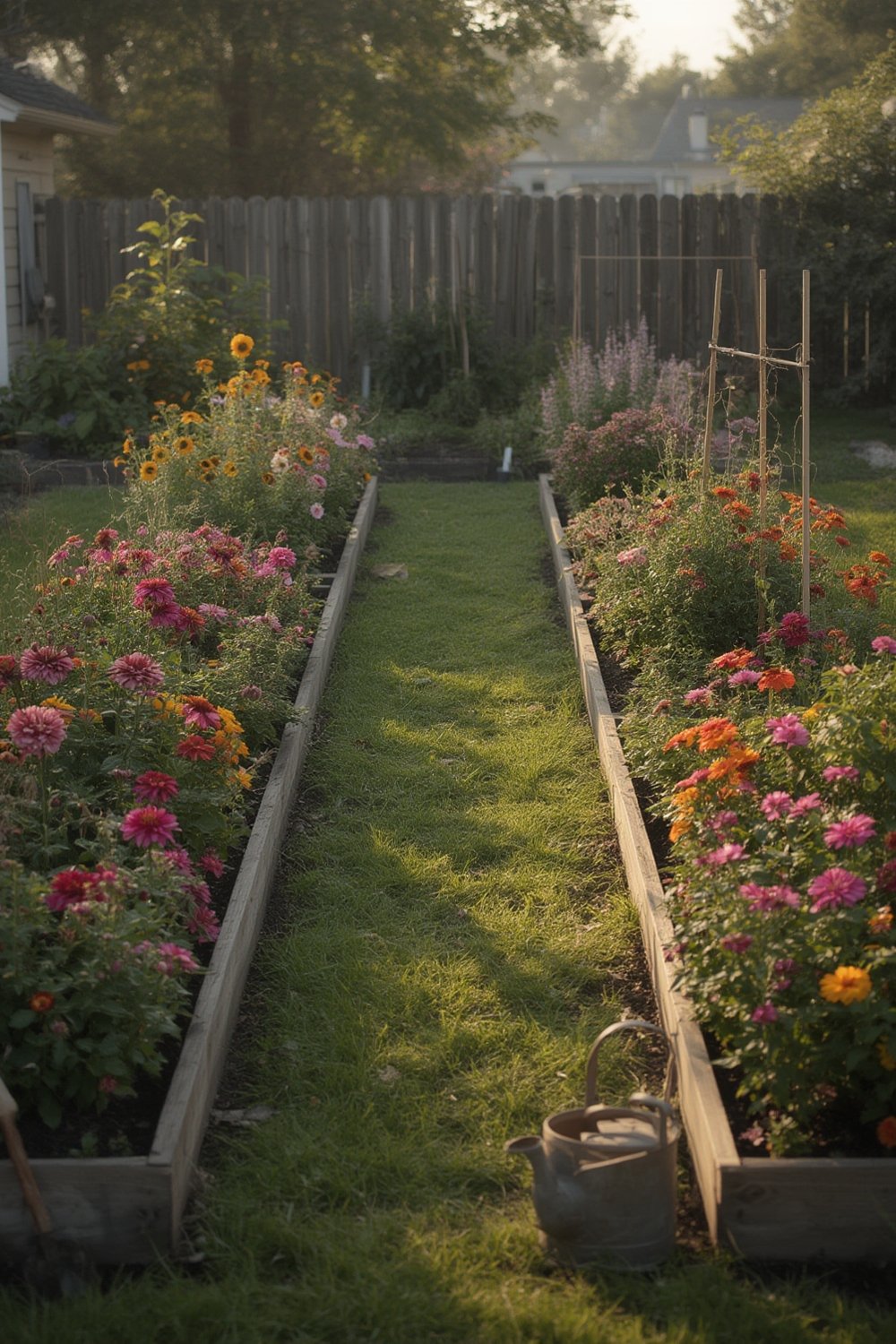
This approach frees you to focus less on strict aesthetics and more on flower productivity, resilience, and the practicalities of harvest. The secret is thoughtful design—straight rows or blocks sized for maintenance, groupings by height, and seasonal planning for continuous bloom. Unlike cottage garden layouts that blend informal style with year-round interest, cut flower garden design patches keep plants accessible for regular picking. Taking the time to plan pays off massively by midseason—when buckets of blooms come with less maintenance.
How to Design a Cut Flower Garden: Step by Step
Ready to build your own cutting patch? Here’s a clear, realistic guide to maximizing every square foot for stem production—whether you’re working with a tiny yard or more ambitious space.
- Choose the right site:
- Look for full sun (at least 6 hours direct light).
- Make sure there’s easy water access—install a smart irrigation system if you want extra efficiency and water savings (potentially 30-50% less water use).
- Prep and amend the soil:
- Clear weeds, then add compost, aged manure, or leaf mold to build fertility.
- For no-dig enthusiasts, consider a no dig garden setup for fast buildup of healthy, friable soil and reduced weed pressure.
- Plan your layout for access and harvest:
- Use rectangular beds or rows (3-4ft wide, length as space allows) with clear paths (18-24 inches wide) for easy access.
- Plant in straight rows or tight blocks for maximum density.
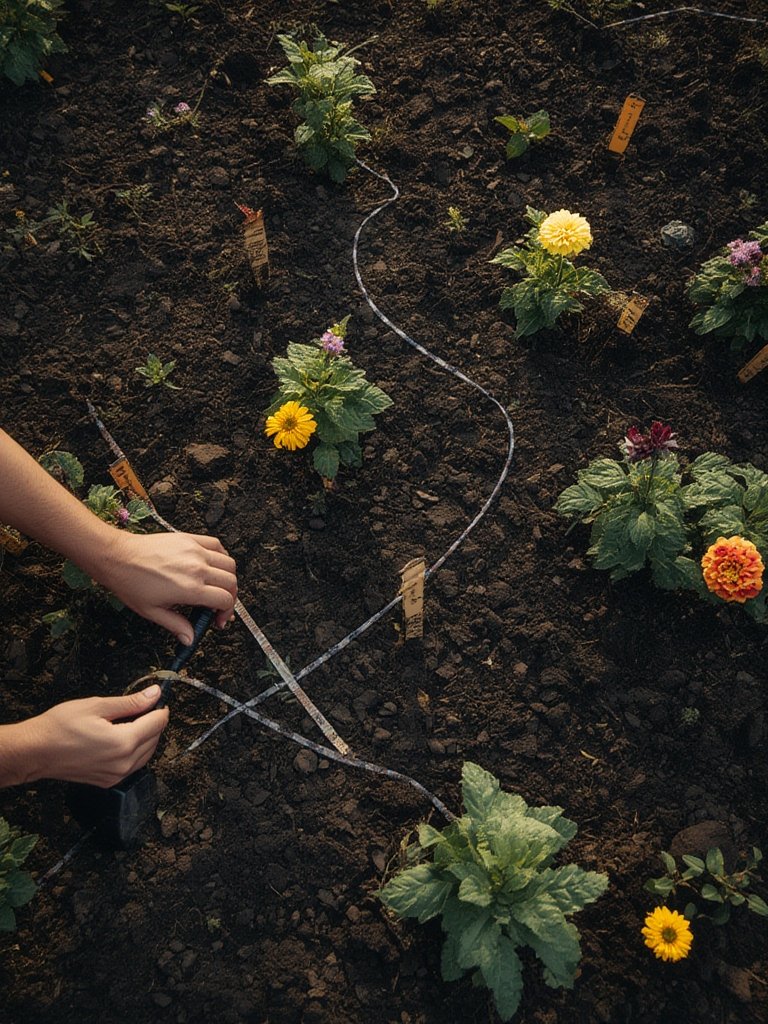
- Mark out space before planting—overcrowding hurts stem quality!
- Choose plants for continuous bloom:
- Mix annuals (zinnia, cosmos, sunflowers, sweet peas), spring bulbs, and perennials (shasta daisy, echinacea) for a long season.
- Consider quick-growing filler foliage (like ammi or dill).
- If interested in biodiversity, blend in native pollinator plants for support species.
- Succession sow for ongoing harvest:
- Sow fast growers like zinnias or cosmos every 2-3 weeks to maintain bloom production from early summer to frost.
- Use a simple calendar or phone alerts to stay on schedule—missing a window means gaps in bouquets.
- Install staking/netting early:
- Support tall, heavy bloomers like dahlias or sunflowers before storms flatten them.
- Water, feed, and deadhead for abundant blooms:
- Water deeply but infrequently (greenhouse cultivation is a bonus for year-round blooms but requires investment).
- Feed every 3-4 weeks with balanced organic fertilizer or homemade compost tea.
- Cut regularly—removing spent blooms triggers more flowers.
For small backyards, incorporate vertical gardening methods such as trellising sweet peas or even trialing a vertical garden system to make use of overlooked fence or wall space. If you’re converting an old lawn, the process is similar to a lawn to meadow conversion—start by blocking grass growth and layering fertile soil.
Costs for a 500 sq ft cut flower garden design vary. Expect £30-60 per month in the UK for seeds, soil amendments, and tools, with ongoing costs for water and nutrition. Incorporating chaos gardening methods can reduce planning time while boosting diversity and resilience.
Advanced Analysis & Common Pitfalls
First-time cutting gardens rarely fail due to lack of effort—most issues trace back to avoidable design decisions. Here’s a real-world snapshot of what derails productivity and how to correct course:
| Common Problem | Why It Happens | Simple Fix |
|---|---|---|
| Overcrowding plants | Misjudged spacing or temptation to maximize beds | Follow packet spacing strictly; thin ruthlessly if needed |
| Gaps in bloom (No continuous flowers) | Poor succession sowing or single-timing perennials | Stagger sowings every 2-3 weeks; note bloom times on layout |
| Soil exhaustion and declining yields | Heavy harvest without organic matter replacement | Top up compost annually; consider green manure cover crops off-season |
| Weed invasion | Lack of mulching or open soil left bare | Apply mulch or use sheet composting; regular shallow hoeing |
| Poor stem length or weak flowers | Low fertility or small, overcrowded beds | Enrich soil; stick to recommended plant spacing |
| Pest surges (aphids, beetles) | Monocultures, no habitat for beneficial insects | Interplant some native pollinator plants; encourage lacewings, ladybugs |
Certain challenges are particularly acute in smaller spaces or when starting from scratch. For example, tight sites may need creative vertical supports or a backyard greenhouse kit for starts and season extension.
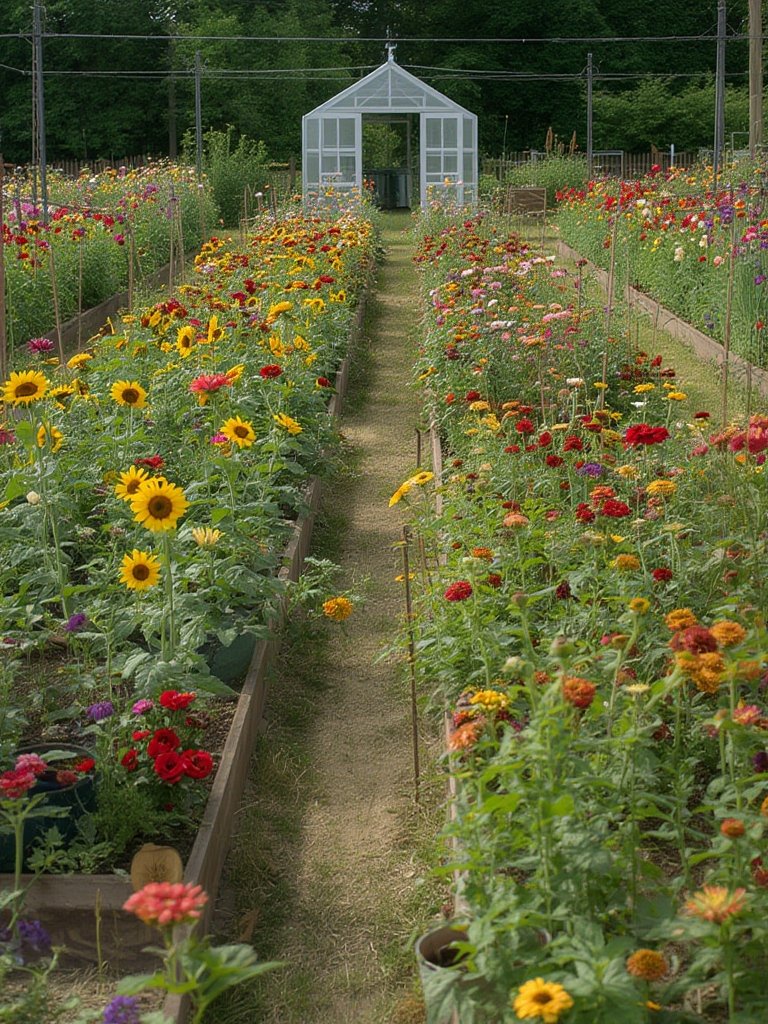
For year-round blooms, look at statistics: protected greenhouse cultivation now accounts for over 62% of the global cut flower garden design market and is growing fast, supporting flower production even in winter or tough climates (source).
US commercial cut flower garden design sales hit $350 million in 2023, with younger buyers (ages 16-34) spending the most on flowers and plants (source). UK retail gardening spend rose to £9 billion in 2025, showing demand for in-home floriculture is strong (source).
Conclusion
The key to success in cut flower garden design is intentional planning and realistic maintenance practices—not just planting pretty flowers. Start small, learn from simple succession sowing and practical layouts, and you can enjoy homegrown bouquets for months on end. For next steps, consider integrating a pet-safe organic fertilizer for flower health or upgrading to battery powered tools for low-noise, eco-friendly upkeep. Ready to launch your own cut flower garden design project? Pick your spot, set your schedule, and harvest armloads of beauty—right at home.
FAQ
How much space do I need for a productive cut flower garden design?
You can start with as little as 30-50 sq ft for basic arrangements; 200-500 sq ft gives more variety and regular bouquets. Layout and plant choice matter more than area.
Which flowers are easiest to grow for cutting?
Zinnia, cosmos, sunflowers, dahlias, and snapdragons are beginner-friendly, high-yield, and give long stems ideal for bouquets.
How do I prevent disease and pests without chemicals?
Use clean seed, practice crop rotation, encourage beneficial insects by adding native plants, and avoid overhead watering to minimize leaf wetness.
What is the best way to achieve continuous blooms?
Stagger sowing dates for annuals every 2-3 weeks. Choose a mix of early, mid, and late-bloomers, and continually deadhead or harvest to encourage new flowers.
Do I need a greenhouse for year-round cut flower garden design?
No, but a greenhouse or row covers can extend the season and protect tender starts. Most home growers manage with outdoor beds plus early sowings and proper planning.