


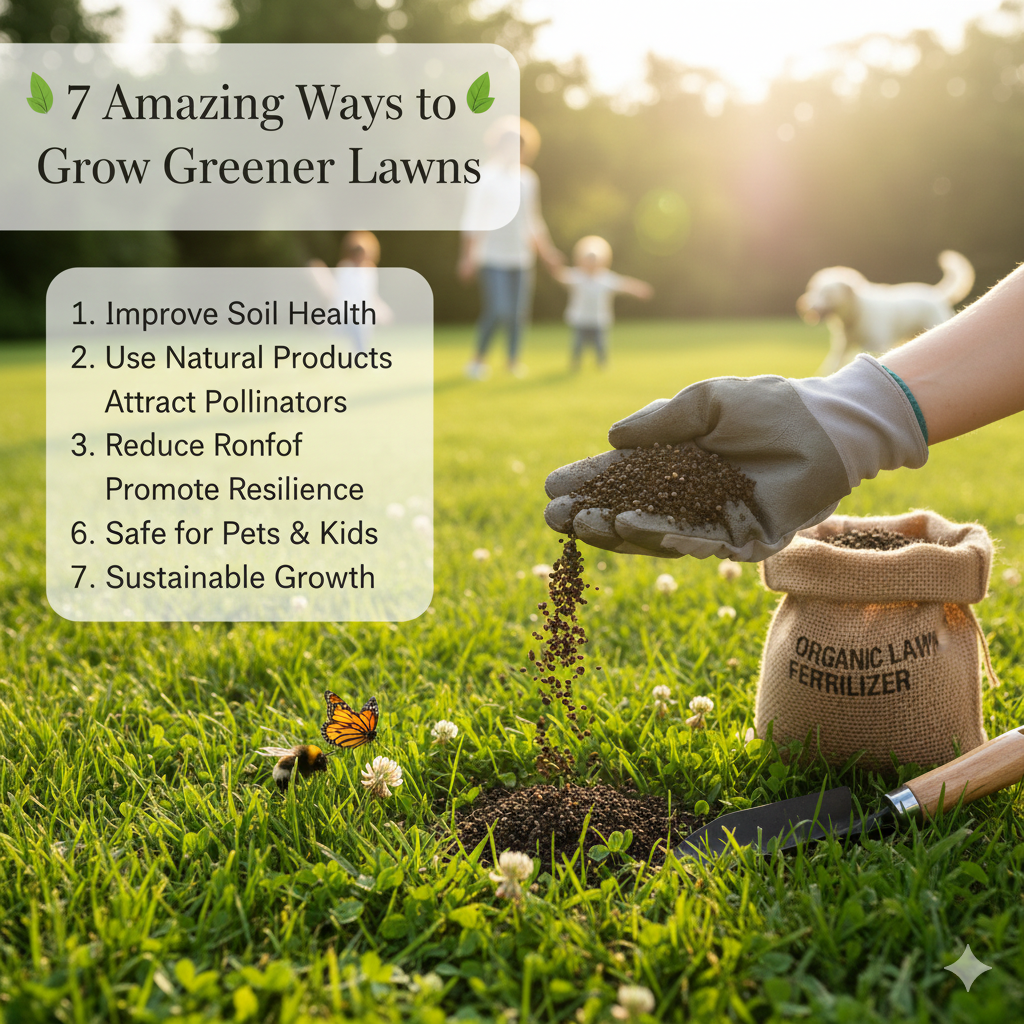
Organic lawn fertilizer is rapidly becoming the go-to choice for homeowners and landscapers seeking both a healthy lawn and a safer environment. But how does it stack up against traditional chemical fertilizers when it comes to lawn appearance, costs, real user experience, and potential pitfalls? Here are actionable insights based on the latest research and real-world trials.
Key Takeaways
- Organic lawn fertilizer improves soil health and resilience, but works more slowly than synthetics.
- Switching to organic can mean higher upfront costs and a learning curve for lawn care habits.
- Organic programs dramatically reduce runoff and health risks compared to chemical weed-and-feed products.
- What is Organic Lawn Fertilizer and Why Use It?
- How to Start an Organic Lawn Program (Step-by-Step Guide)
- Advanced Analysis and Common Pitfalls of Organic Lawn Fertilizer
- Conclusion
- FAQ
What is Organic Lawn Fertilizer and Why Use It?
Organic lawn fertilizer is made from plant, animal, or mineral sources and supplies nutrients via natural breakdown, not synthetic chemicals. Unlike conventional lawn fertilizers that give lawns a quick green-up with rapid-release nitrogen, organic alternatives feed both the grass and the living ecosystem below the turf—helping soil hold water, boosting microbial life, and supporting pollinators. This holistic approach suits anyone prioritizing long-term lawn health, family safety, or minimizing environmental impact (UNH Extension).
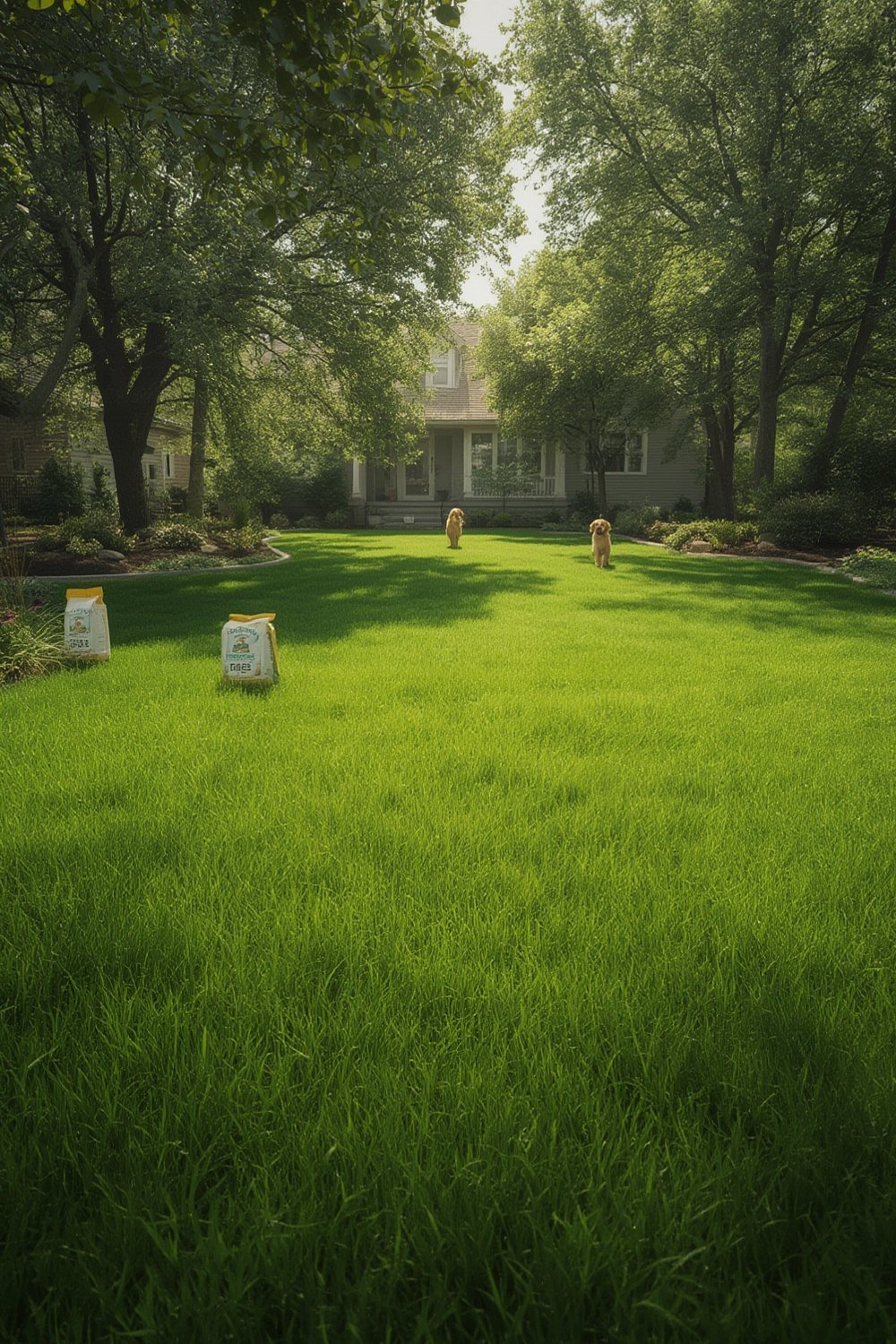
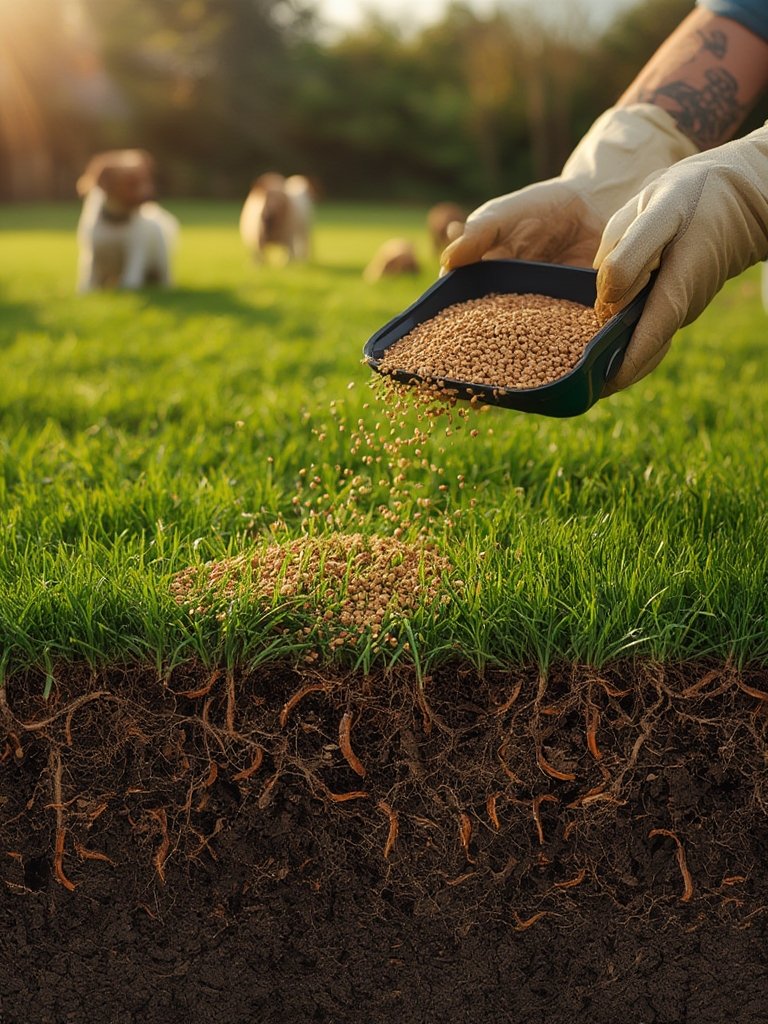
University and extension research from 2023 to 2024 repeatedly confirms that lawns fed with organic materials—compost, feather or fish meal, bone meal, or seaweed—develop better soil structure, retain water more efficiently, and maintain greener turf in drought or stress conditions. While chemical fertilizers often deliver a rapid, visually impressive boost in just days, organics excel over time, especially when supported by sound cultural practices like aeration and proper mowing (Greenwing Services, Revive). That long-term soil improvement is why organic fertilizer continues to gain ground for eco-friendly and pet-safe lawn care.
How to Start an Organic Lawn Program (Step-by-Step Guide)
Going organic is not just about swapping out a product. For best results, follow these steps:
- Test Your Soil. Use a DIY kit or extension service to find current levels of nitrogen, phosphorus, potassium, and organic matter. This prevents overuse—even organic fertilizer can pollute if misapplied.
- Pick the Right Organic Fertilizer. For cool-season lawns, seek out products based on feather, bone, or soy meal; for warm-season, alfalfa-based is often effective. Look for products with clear N-P-K ratings, and if possible, a recognized organic certification.
- Apply Correctly & Evenly. Organic fertilizers tend to be bulkier than chemical versions. Calibrate your spreader for even coverage. Most require higher pounds per 1,000 square feet—the product label will guide you, but be prepared for 10-20 pounds per application.
- Time Applications with Weather & Growth Cycle. Apply early spring (as grass greens) and once in early fall for cool-season lawns. For hot climates, skip heavy summer fertilizing. Lightly water in, unless rain is forecast.
- Mow High and Aerate. Keep grass at 3 inches or taller. Taller turf shades soil, crowds out weeds, and promotes deeper roots—crucial as organic fertilizers work gradually. Aerate compacted areas each fall to boost microbe activity and allow new roots to access nutrients.
- Spot-Treat Weeds Organically. Rely on hand-pulling, flame weeding, or approved organic spot-sprays for lawn weeds. Avoid blanket treatment; target only problems you see.
- Overseed Thin Areas. Early fall is ideal. Use high-quality grass seed appropriate for your region, particularly after aeration and organic feeding. This thickens grass and helps prevent weed resurgence.
If you want to automate mowing so you can focus more on improving your soil and less on weekly chores, consider upgrading to a robotic lawn mower—it pairs perfectly with an organic care approach and keeps clippings (and their nutrients) on your lawn.
Another smart move is to swap power tools to electric or battery-powered models as you make your care program greener. Find guides for all-electric lawn gear in this guide to battery powered lawn equipment.
Advanced Analysis and Common Pitfalls of Organic Lawn Fertilizer
Organic lawn fertilizer is not a magic bullet—real-world reviews and research show common challenges and reasons users sometimes give up too soon.
| Factor | Organic Lawn Fertilizer | Conventional Fertilizer |
|---|---|---|
| Speed of Results | Slow: Noticeable green-up usually in 2–4 weeks | Fast: 1–7 days for visible results |
| Consistency of Product | Variable N-P-K analysis, more bulk required per use | Precise N-P-K, smaller volumes needed |
| Risks of Runoff | Very low if properly applied, supports water quality | High, especially with overapplication; can harm waterways |
| Cost per Season | Higher, especially labeled “pet-safe” | Lower; bulk synthetics are cheap per sq ft |
| Ease & Effort | Messy, heavy, sometimes odorous; learning curve with timing and dose | Convenient, simple application, less labor-intensive |
| Weed Control | Requires active oversight, spot-treatments, and strong turf via overseeding | Often bundled with chemical herbicides for quick weed kill |
| Long Term Soil Health | Improves year-on-year, increases microbial/earthworm activity | Can degrade soil if overused; may reduce life in soil |
Additional common challenges include:
- Sticker shock: Organic fertilizers usually cost more per application. Premium “pet-safe” labels carry a higher markup, though supporters argue soil improvement offsets this in the long run (Borst Landscape).
- Learning curve: Homeowners need to understand that fertilizer isn’t a weed killer. Without chemical herbicides, staying weed-free means focusing on mowing, seeding, and soil building—see how some gardeners use chaos gardening approaches to reduce lawn demands.
- Odor and bulk: Animal-based products can smell, especially after application or if they get wet; heavier, bulkier products require more labor and storage.
- Phosphate-free confusion: Many “phosphate-free” organics are marketed as “eco-safe,” yet excess nitrogen runoff is still a significant water pollution risk. Few competitor sites discuss this gap or advise on soil tests—learn more about ecosystem-friendly alternatives in lawn to meadow conversion strategies.
Weed control is another sticking point for many users. Organic herbicides (like vinegar-based or iron-based sprays) often demand more applications and work only for select types of weeds. For stubborn broadleaf weeds, results are variable and sometimes disappointing—and for kids and pet safety, hand-pulling or fostering dense turf remains the preferred solution.
If you want to reduce time and effort, pairing an organic fertilizer program with a zero turn mower or even planning home EV charger installation for future yard equipment upgrades can help make the transition more manageable and future-proof your lawn care workflow.
Conclusion
Organic lawn fertilizer delivers healthier soils and a truly sustainable lawn when used as part of a complete program—mowing, overseeding, and smart irrigation. While upfront costs and slower visible results are real downsides, the long-term payoff is a lawn that resists drought, demands fewer pesticides, and is safer for pets and kids. Ready to take control of your lawn’s future? Start with a soil test, choose the right products, and step confidently into a more resilient landscape. For more strategies on boosting your property value and biodiversity, explore our native pollinator plants and lawn to meadow conversion guides. A lawn that thrives with organic lawn fertilizer is possible—and the results will be healthier for you and your environment.
FAQ
Is organic lawn fertilizer safe for pets and kids?
Yes, most organic fertilizers lack synthetic pesticides or herbicides, offering much safer play areas for children and pets. Still, always check labels for any warnings, and keep pets away from lawns freshly treated with manure-based organics until watered in.
How long does it take to see results from organic lawn fertilizer?
Expect visible improvement in grass color and density within 2 to 4 weeks. Some soil health effects might take multiple seasons, but the long-term gains are worth it.
Why is organic lawn fertilizer more expensive?
Organic products are usually bulkier and contain less concentrated nutrients than synthetics, leading to higher packaging and transport costs. You typically need more per application to achieve the same nitrogen boost, underlying the higher upfront price.
Can organic programs control weeds as well as weed-and-feed chemicals?
No. Most organic herbicides are contact-only and less effective on established weeds. The best organic weed control combines thick, healthy turf with cultural practices like mowing high, regular overseeding, and, when needed, spot treatments or manual removal.
Do phosphate-free fertilizers really solve water pollution?
Phosphate-free helps, but excessive nitrogen (especially from over-applied organic lawn fertilizer or synthetic sources) can still harm lakes and streams. Always test soil and avoid unnecessary fertilizer to truly protect waterways.