


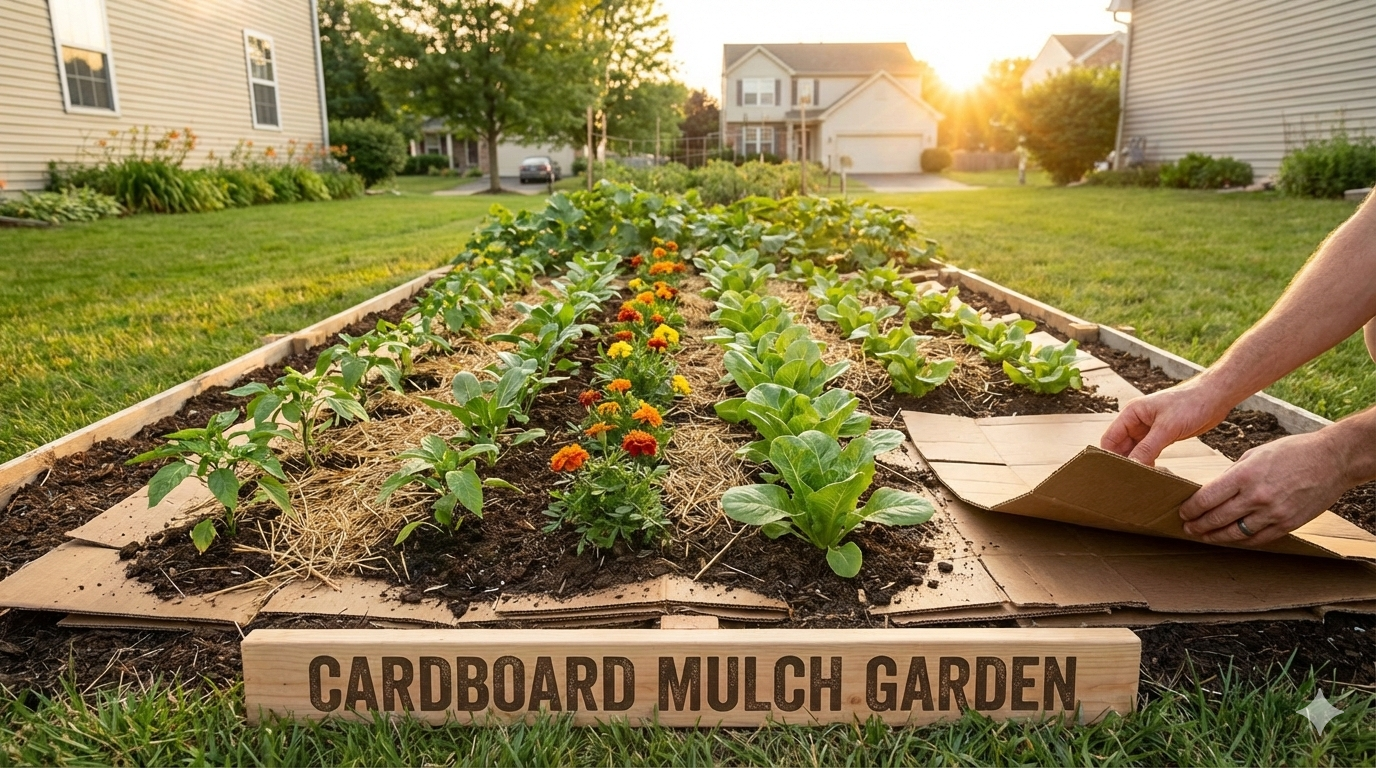
Cardboard mulch garden methods are hailed as a low-cost, eco-friendly way to suppress weeds and build healthier soil without chemicals or backbreaking digging.
Key Takeaways
- Cardboard mulch garden techniques can help kill weeds and add organic matter, but have notable limitations and risks compared to wood chip mulch.
- Proper layering and maintenance are essential—misapplied cardboard can cause poor drainage, invite pests, and may not provide lasting weed control.
- Free and readily available, cardboard sheet mulch is suitable for short-term beds, but is often a poor fit for permanent landscaping or food gardens without extra care.
The Core Concept: What Is a Cardboard Mulch Garden and Why Use It?
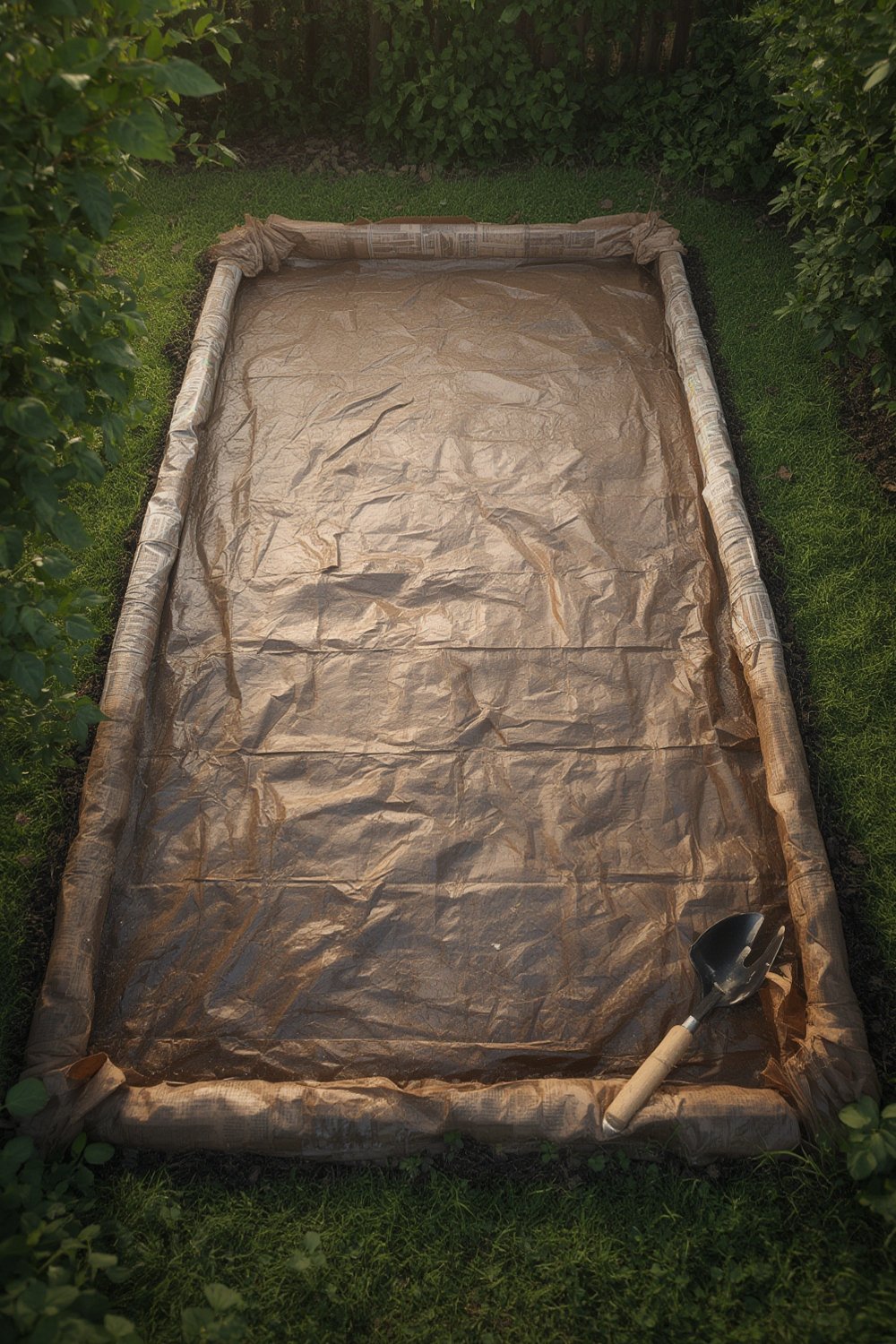
A cardboard mulch garden uses overlapping pieces of corrugated cardboard and/or layers of newspaper to smother grass and weeds before planting new beds or landscapes. The aim is to block sunlight, deny weed seed germination, and slowly enrich the soil as the cardboard decomposes. This no-dig method appeals to gardeners seeking a rapid, chemical-free reset for overgrown patches or lawn-to-garden conversions.
While the core concept is simple, research from Washington State University and other sources shows that cardboard mulch garden is often outperformed by thick, woody mulches like arborist chips for long-term weed suppression and ecosystem benefit. Cardboard is best suited to beds that can be tended, rather than as a set-and-forget fix for perennial landscapes.
For a broader outlook on biodiverse, low-maintenance gardening, consider exploring chaos gardening tutorials or native pollinator plant guides, which reveal alternative avenues for building healthy, low-weed spaces.
Step-by-Step Guide: Building a Cardboard Mulch Garden the Right Way
Follow these steps for the highest chance of success and the fewest headaches:
- Source clean cardboard and mulch. Avoid waxed, glossy, or heavily printed boxes. Remove all tape and labels. Set aside wood chips, shredded bark, or compost—never use stone or rubber mulch on top of cardboard.
- Mow and water the area. Cut existing weeds or grass as short as possible. Soak the ground, especially if it’s dry, to speed decomposition.
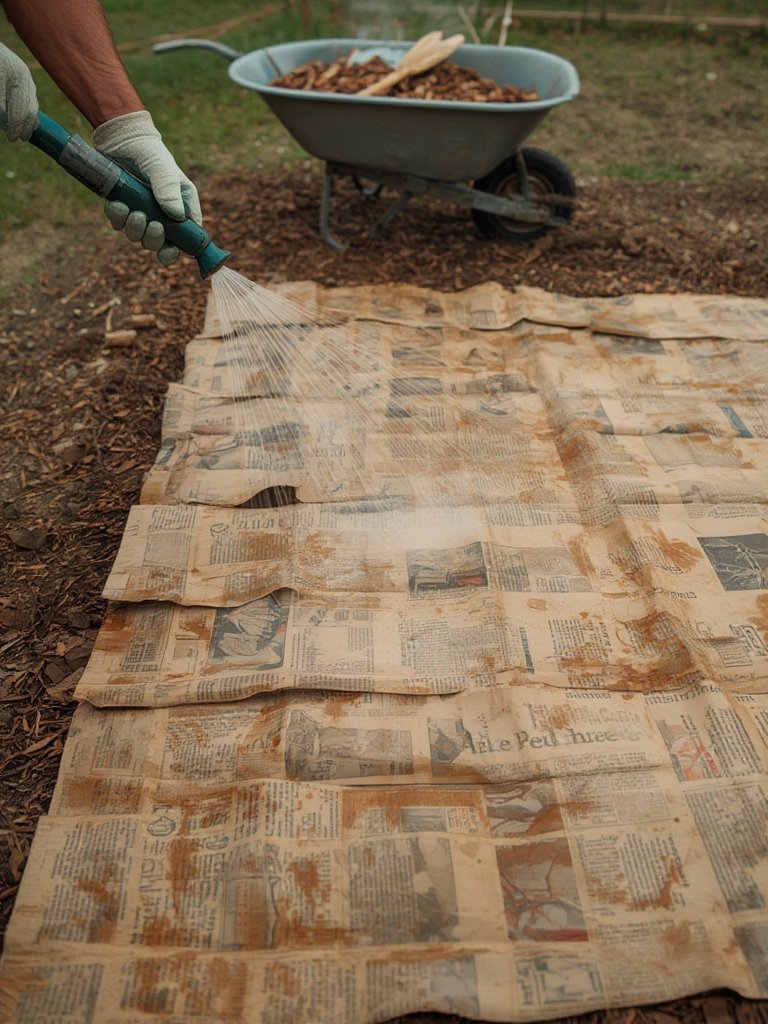
- Layer cardboard or newspaper. Overlap edges at least 4-6 inches to prevent weed escape. For cardboard, use two layers if possible, or a single layer of extra-thick material. For newspaper, lay 8-10 sheets thick and pre-wet them so they mold to the ground.
- Wet the sheet mulch thoroughly. Saturate cardboard or paper with a garden hose to help them stay in place.
- Cover with organic mulch. Spread 3-4 inches of wood chips (or 2-3 inches if using newspaper) on top of the cardboard. This suppresses light, prevents wind dislodgement, and supports even breakdown.💡 Pro Tip: Avoid using cardboard under trees and shrubs in wet soil, as it can block air and water flow, harming roots—use wood chips alone in these areas for better soil health.🔥 Hacks & Tricks: For extra weed-suppressing muscle, sandwich some grass clippings or a sprinkle of compost between your cardboard layers before topping with wood chips. This adds nitrogen, feeds worms, and helps faster breakdown.
- Shield exposed edges. Weigh down the perimeter with extra mulch or rocks to guard against wind lifting the cardboard.
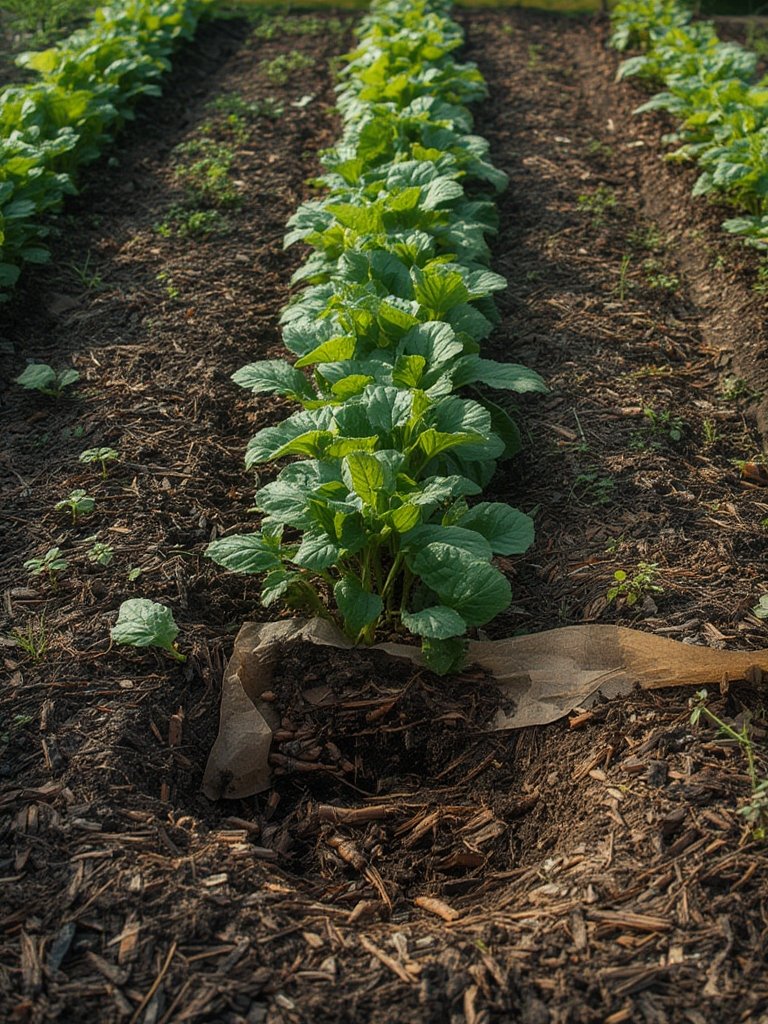
- Plant as needed. For transplanting seedlings, cut “X” slits through the mulch and plant directly. For seeds, wait until the cardboard breaks down or use open “islands.”
For larger areas being converted from lawn, many gardeners use a “lasagna” method: alternating layers of cardboard with leaves, grass clippings, straw, or compost. However, keep layers thin so water and air can still move.
Get inspired by no dig gardening methods or lawn to meadow conversion tips for big space makeovers, especially if wildlife support is also a goal.
Advanced Analysis & Common Pitfalls: What Can Go Wrong?
Though a cardboard mulch garden can work beautifully in the short run, scientific research and gardener experience highlight several frequent stumbling blocks:
| Aspect | Cardboard/ Newspaper Sheet Mulch | Wood Chip Mulch |
|---|---|---|
| Weed Suppression (Long-Term) | Moderate Not as effective as chunky mulch for established or perennial weeds | High 4″ minimum depth, best at 8″+, proven in scientific studies |
| Pest Risks | High Termites, voles, nesting rodents, birds may disrupt layers | Low/Moderate Fewer rodent problems, termites far less attracted |
| Oxygen/Water Permeability | Risk of Anaerobic Zones Compacts when wet; can suffocate roots if soil is heavy or saturated | Good Chunky texture allows air and water movement |
| Decomposition Rate | 3-9 months Depends on cardboard thickness, moisture, and soil biology | Slower Wood chips take 1-2 years, provide lasting barrier |
| Longevity | Temporary barrier Ideal for killing sod or prepping new beds, not as permanent solution | Longer-lasting Can maintain with annual top-up |
| Use with Edibles | Unclear Potential risk from inks, adhesives; not thoroughly researched for vegetable beds | Safe Natural wood chips fine when not dyed or chemically treated |
| Cost | Free or low (recycled) | Low/Moderate, especially if you use local chip delivery |
- Pest issues: Scientific studies found that termites prefer cardboard to wood chips, and rodents like voles will readily tunnel and nest beneath cardboard mulch garden. Birds may also perforate the layer hunting worms, letting light reach weed seeds and reducing effectiveness (WSU sheet mulch research).
- Not “bulletproof”: Perennial weeds like quack grass or bindweed can penetrate through seams or thin spots—some will return quickly if the cardboard decomposes faster than expected (Albo Pepper analysis).
- Anaerobic soil risk: In wet or slow-draining soils, dense cardboard or too many newspaper layers can suffocate roots due to low oxygen, harming both crops and soil life (The Cardboard Controversy).
- Short-lived in dry climates: In sandy or dry soils, especially in regions like the Pacific Northwest’s rainless summers, cardboard breaks down too slowly or blows away when mulch dries, failing to block weeds for long.
- Unknown chemical risks for food beds: There is little published science about the long-term effects of inks, adhesives, or coatings in cardboard and newspaper on edible crops or soil pH. At present, the safest approach for food gardens may be “black and white only” newsprint or plain, uncoated cardboard (Thrive Lot resource), but caution is warranted.
- Regulations can vary: Some municipalities or garden programs restrict what materials can be used, especially regarding glossy coatings and colored inks. Always check local guidelines.
For longer-lasting, lower-risk results—especially in established or low-maintenance landscapes—thick wood chip mulch (minimum 4 inches) remains the university-recommended gold standard. Read up on organic lawn fertilizer for soil-friendly alternatives, or explore drought tolerant landscaping strategies for minimal-water, low-weed gardens.
Conclusion
A cardboard mulch garden offers a simple, affordable way to reclaim weedy patches and begin building soil for fresh planting, especially in annual or regularly tended beds. However, recent scientific research makes it clear: cardboard and newspaper are not cure-alls. For permanent landscapes, food beds, or areas with challenging drainage, wood chip mulch is much more effective and sustainable.
If you decide on a cardboard mulch garden, prioritize clean materials, shallow layers, and ample organic mulch on top. Monitor for pest, moisture, or weed breakthrough problems, and don’t expect permanent results without maintenance. For large conversions, you may also want to explore lawn-to-meadow transformations or edible landscaping design ideas for a more biodiverse approach.
Ready to try the cardboard mulch garden method? Source your materials, check local guidelines, and start converting that tired lawn into a thriving garden space!
FAQ
Does cardboard mulch garden kill grass and weeds permanently?
No. cardboard mulch garden temporarily smothers grass and many annual weeds, but some aggressive perennials or deep-rooted weeds may return. Expect to supplement with new layers or manual spot-removal after several months.
Is cardboard mulch garden safe for vegetable or herb gardens?
There are few scientific studies on cardboard mulch garden food safety. To minimize risk of chemical contamination, use only plain, uncoated cardboard and black-and-white newspaper. Avoid colored inks, adhesives, and glossy coatings, especially near edibles.
How long does cardboard mulch last?
Cardboard mulch generally breaks down in 3-9 months, with newspaper decomposing faster. Breakdown speed depends on moisture, soil biology, and cardboard thickness. Maintenance or reapplication is needed for season-long weed suppression.
Does cardboard mulch attract pests?
Yes. Research shows that termites and rodents like voles prefer cardboard layers for food and shelter. Birds may also disturb the mulch searching for insects and worms. This can reduce effectiveness in some garden settings.
Can I use cardboard mulch with stone or rubber mulch?
No. Cardboard is best paired with organic mulches like wood chips or compost. Using cardboard under stone or rubber does not work well—the cardboard decomposes while the stones sink into the soil, making a mess and reducing weed control.