


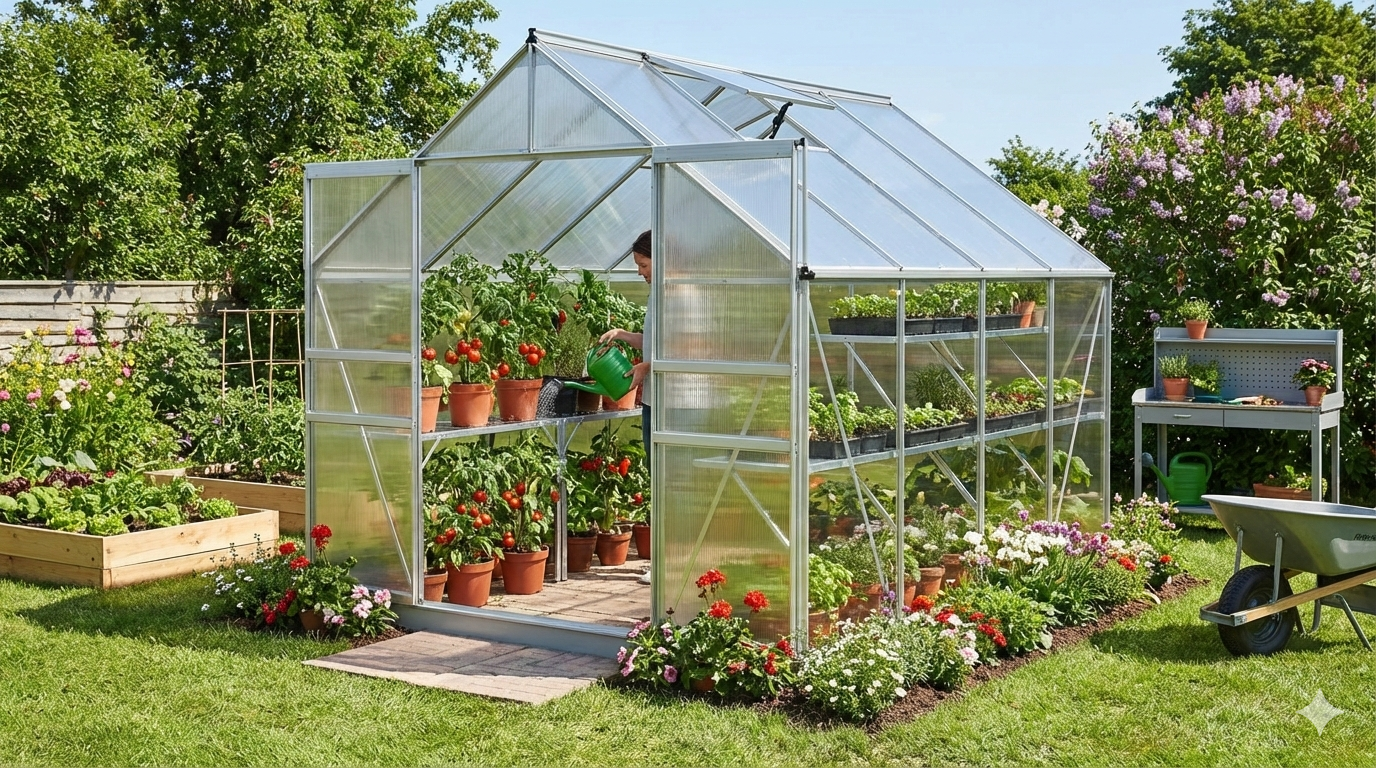
Backyard greenhouse kit sales are soaring across the US and worldwide, as more people want to grow food, raise seedlings, and garden year-round right from home. But does one of these kits really deliver what it promises? Here’s how to choose, build, and actually use a backyard greenhouse kit—without wasting money or getting overwhelmed.
Key Takeaways
- Backyard greenhouse kit demand is up—with US greenhouse market value hitting $8.5B in 2024—driven by food security, sustainability, and urban gardening (IndustryResearch.biz).
- Not all greenhouse kits are equal; choose your structure and materials carefully for your needs and climate.
- Assembly, weatherproofing, and ongoing maintenance can be challenging. Prepare for hidden costs and time investment.
- What Is a Backyard Greenhouse Kit and Why Should You Consider One?
- How to Build and Use a Backyard Greenhouse Kit (Step-by-Step)
- Realistic Challenges, Common Pitfalls, and How to Avoid Them
- Conclusion: Does a Backyard Greenhouse Kit Actually Pay Off?
- Frequently Asked Questions
What Is a Backyard Greenhouse Kit and Why Should You Consider One?
A backyard greenhouse kit is a pre-packaged structure—usually made of panels and frames—designed for easy(ish) setup at home, letting regular gardeners extend their growing season, produce plants earlier, or experiment with unique varieties. For hobbyists, it’s a manageable step toward growing food, flowers, and even rare seeds all year.
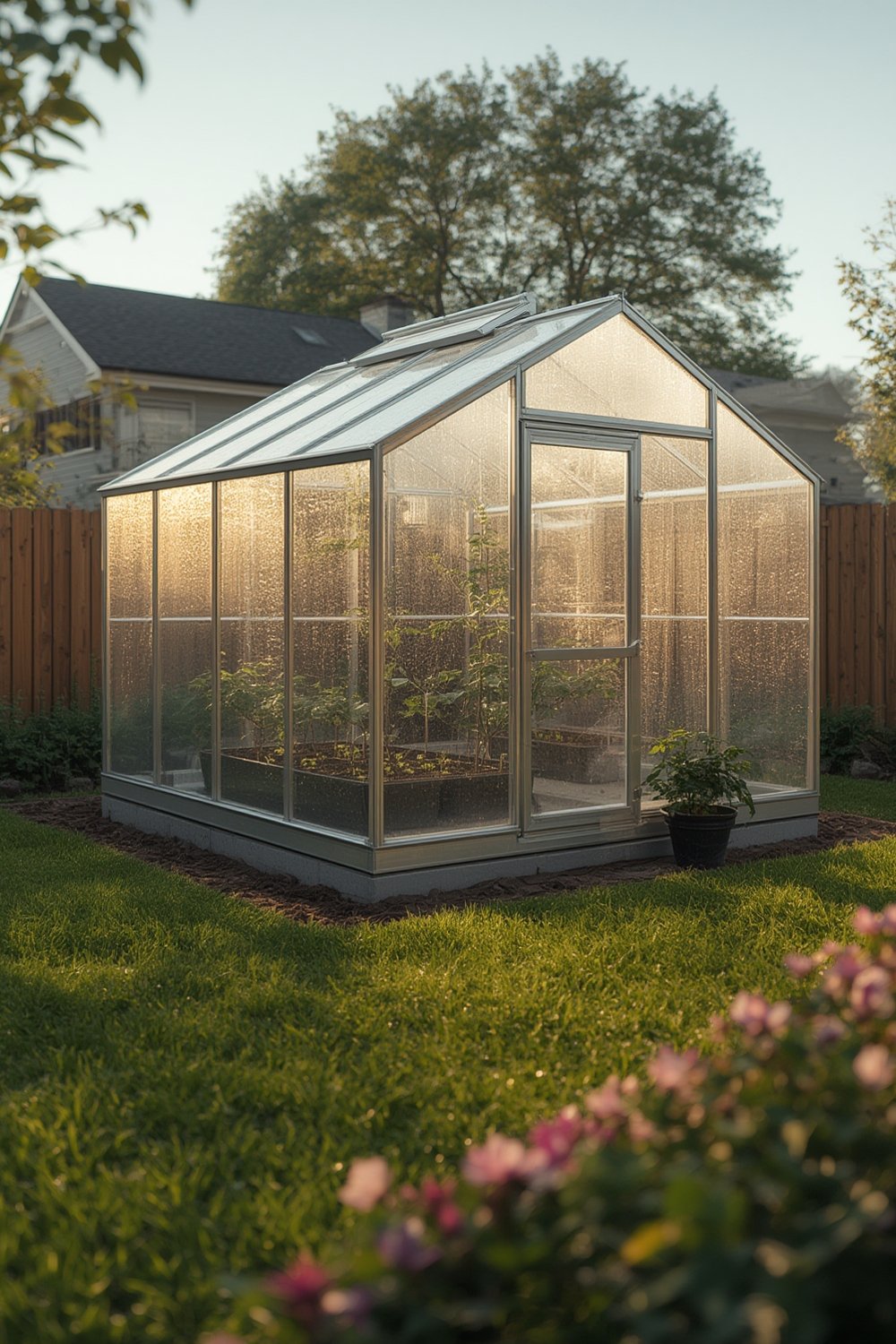
Backyard greenhouse kits appeal for these reasons:
- Self-sufficiency: Fresh, pesticide-free vegetables within arm’s reach.
- Sustainability: Lower food miles and less food waste.
- Year-round growing: Especially appealing in regions with harsh winters or unreliable springs.
The residential greenhouse market is growing fast—projected to hit $6.88B in 2025 globally and $11.48B by 2032, with North America leading (Coherent Market Insights). As urban plots and small gardens increase, so does demand for smaller, easy-to-install kits.
Kits come freestanding, lean-to, or attached. Most use polycarbonate panels, some use glass, while budget models use PVC film. Each type has tradeoffs around durability, insulation, cost, and climate adaptation.
And if you’re also interested in rewilding your lawn, adding a tapestry meadow, or integrating a simple mixed-seed chaos garden with your greenhouse, there are creative options for every space.
How to Build and Use a Backyard Greenhouse Kit (Step-by-Step)
Getting the most from a backyard greenhouse kit isn’t plug-and-play. Here’s a real-life, step-by-step guide for setup and success:
-
Define your goals and measure your space.
Do you want veggies all year, just spring seedlings, or a tropical corner? Your ambitions will determine the best size, style (freestanding or attached), and features. -
Choose your kit type and materials.
Polycarbonate is most popular for hobbyists: it has good insulation and is lightweight but costs more than PVC. Glass is beautiful but heavy, breakable, and expensive. Check for UV-stabilized materials and rustproof frames for low maintenance.
Adding native pollinator plants nearby will attract beneficial insects and boost productivity. -
Check regulations and prep your base.
Review local codes, permits, or HOA rules. Some areas limit structures or require setbacks. Most greenhouses need a level foundation—many gardeners use pavers, gravel, or a simple concrete base. -
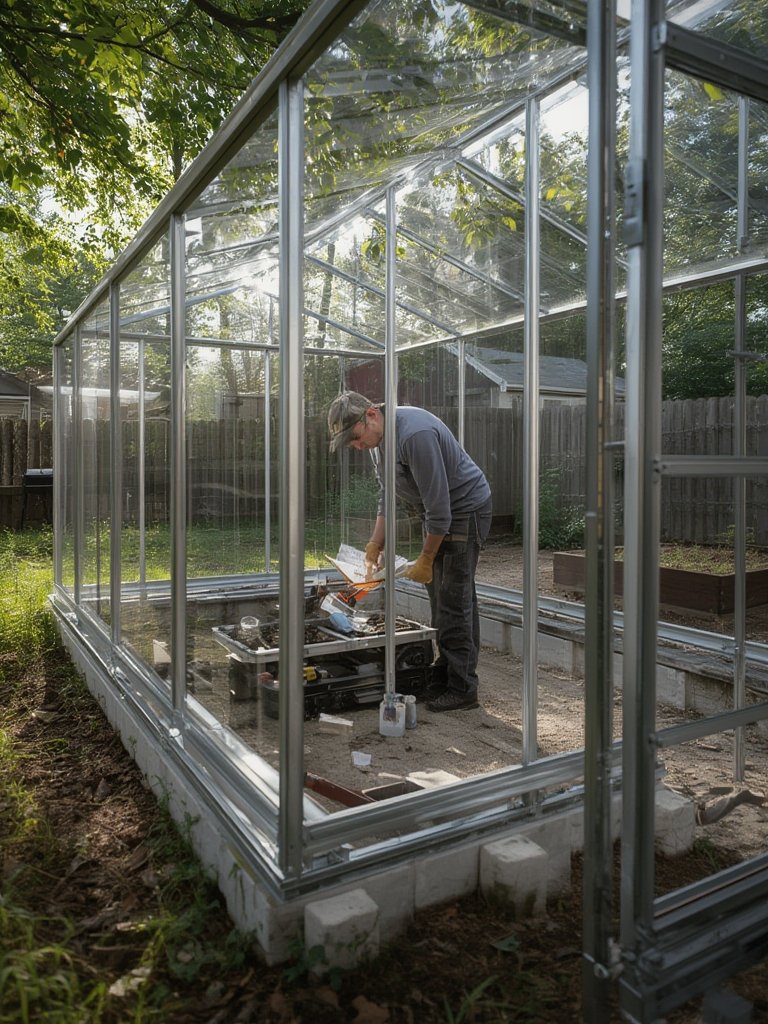
Assemble with a buddy.
Even “easy” kits are seldom solo projects. Frame assembly sometimes needs ladders and power tools. Plan for a weekend, and check your parts before starting. -
Seal, anchor against wind, and weatherproof the kit.
Use manufacturer-provided weatherstripping, add extra silicone sealant where needed, and anchor against wind. Leaks and blow-overs are a common regret. -
Plan for ventilation, heating, and watering.
Even basic kits can cook plants in midday sun. Roof vents, auto-openers, fans, or shade cloth let you control temperature. In cold climates, invest in a heater or heat mats for roots. For easiest watering, set up a drip or smart irrigation system—these save time and let you conserve water efficiently. -
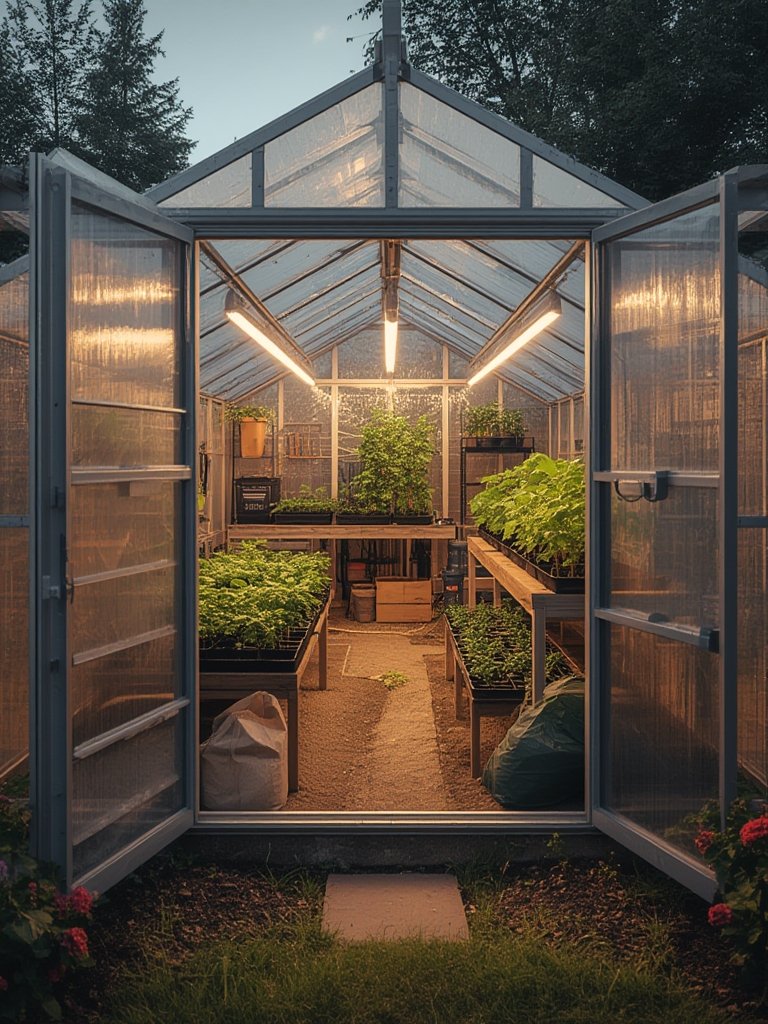
Add benches, shelves, and choose your crops.
Sturdy benches and multi-level shelves multiply your greenhouse yield. Choose crops with similar needs and cycle spring/fall plantings for efficiency. -
Monitor, adjust, and maintain.
Use a min-max thermometer, monitor humidity. Clean panels every few months for maximum light. Check for mold, pests, and leaks. Year-round growing means more vigilance, but the payoff is significant.
Looking for more year-round productivity ideas? Explore microgreens growing indoors—these fast crops thrive on shelving inside your greenhouse. Want to boost your yield even in small spaces? Consider vertical gardening solutions that fit right alongside or even inside your kit.
Realistic Challenges, Common Pitfalls, and How to Avoid Them
There’s no such thing as a maintenance-free backyard greenhouse kit. Be aware of these real-world headaches, based on research and user reports:
- Assembly difficulties: Even “snap-together” kits often frustrate with missing or unlabeled parts, cryptic instructions, or awkward frames. Expect at least a full day’s labor, and double that for larger or glass kits.
- Weather vulnerabilities: Low-end models may not withstand high wind, ice, or hail. Unanchored kits are notorious for blowing over. Poorly sealed doors leak heat and water.
- Insulation trade-offs: Polycarbonate offers better value and insulation than PVC and some glass, but can yellow or develop condensation issue over years. Glass is heavy, offers the best light transmission, but heats or cools rapidly with little insulation.
- Heating and energy costs: Uninsulated kits require a lot of electricity for heaters in cold climates. Adding a small electric heater, propane, or even composting mass can help, but expect ongoing costs for true winter growing.
- Ongoing maintenance: Panels scratch or grow algae, frames corrode unless maintained, and ventilation gear (auto-openers, fans) can fail or need seasonal adjustment.
| Material | Durability | Insulation | Cost | Best For |
|---|---|---|---|---|
| Polycarbonate | 10-15 years | Good | $$ | Most hobbyists |
| Glass | 20+ years (fragile) | Fair | $$$ | Ornamental, serious growers |
| PVC Film | 1–3 years | Poor | $ | Budget or temporary |
New high-tech options—like hydroponic kits with LED lights, or year-round commercial-grade features—are emerging, but haven’t yet filtered down to home greenhouse kits (ResearchNester). Most residential kits stick with simple vents and manual systems.
Greenhouse ambitions are often paired with edible landscaping design for ultimate food security. Integrating smart irrigation, composting, and even aquaponics can further maximize your backyard’s output.
Conclusion: Does a Backyard Greenhouse Kit Actually Pay Off?
Backyard greenhouse kits are booming for a reason—if you need more food security, want to experiment with unique crops, or crave a longer growing season, they deliver real advantages. But they’re not effortless: expect substantial assembly, ongoing tweaks, and maintenance costs (especially for all-season use).
Are they worth it? If you’re ready to put in the time and effort, a backyard greenhouse kit can be a game-changer for any size yard or urban garden. Compare your needs, choose materials wisely, and don’t skip setup or maintenance steps. Ready to make your own sustainable growing zone? Review your local codes, pick your structure, and start building your backyard greenhouse kit today.
Frequently Asked Questions
How much does a backyard greenhouse kit typically cost?
Prices range widely: Small PVC film setups can start under $200, while mid-size polycarbonate kits average $600–$2,000. Premium glass models or custom attached kits can easily exceed $3,000, not including additional costs for heating, anchoring, or automation.
Is a backyard greenhouse kit suitable for all climates?
Most kits work fine in temperate conditions, but harsh winters, high wind, or intense summer sun will test the structure and materials. Look for double-wall polycarbonate and sturdy frames for extreme weather, and be prepared to invest in extra heating or ventilation.
Do I need a permit to install a backyard greenhouse kit?
It depends on your city/town and whether the structure is freestanding or attached. Many small greenhouses under a certain size don’t require permits, but always consult your local building office or HOA before starting—rules vary widely.
What’s the biggest mistake beginners make?
Improper site prep or skipping ventilation. A shaded or soggy spot limits growth and causes mold. Poor ventilation leads to sunburned, stunted plants and pest outbreaks. Invest in both passive and active ventilation from day one.
Can I use a backyard greenhouse kit for organic gardening?
Absolutely. In fact, controlling your environment makes it easier to grow organic produce. Choose untreated wood or galvanized steel frames, and avoid chemical pesticides—try beneficial insects or companion planting as natural solutions.