


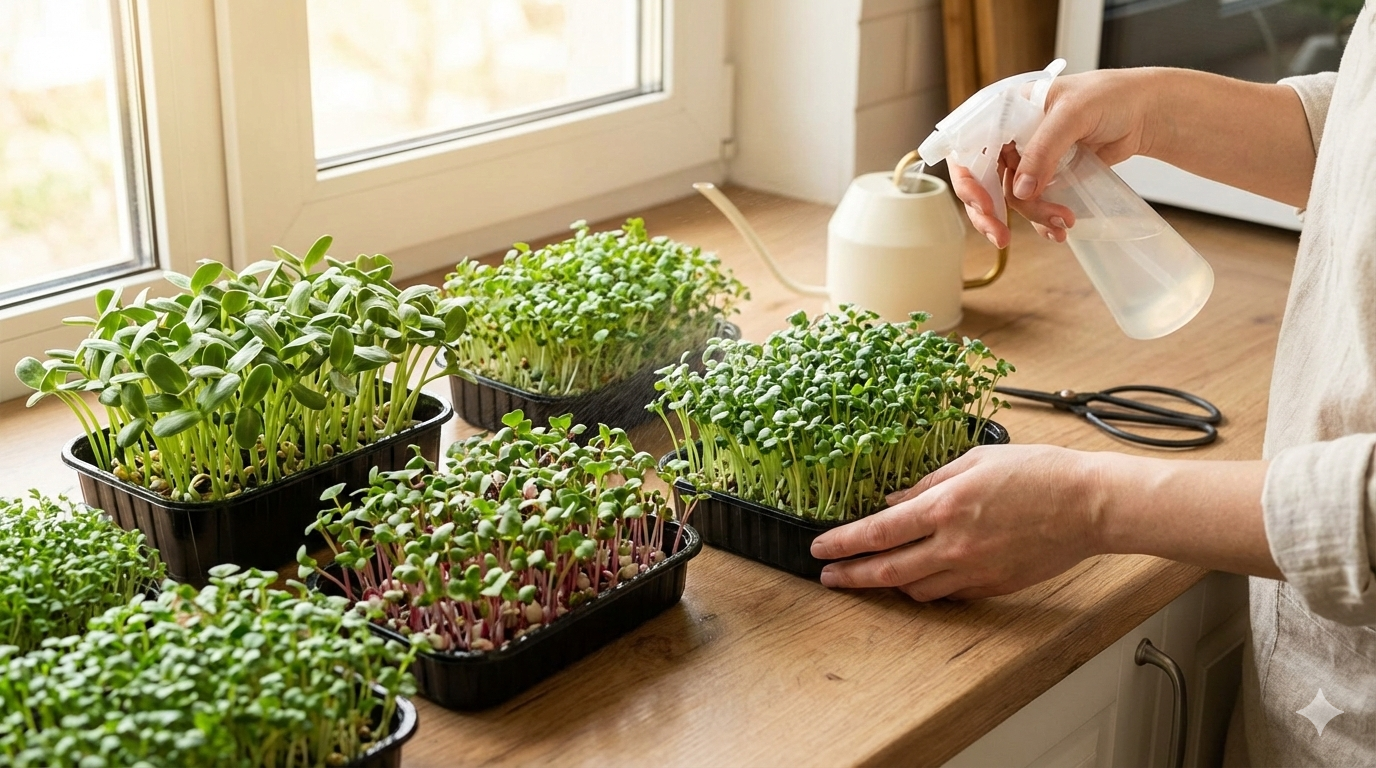
Microgreens growing has rapidly become one of the most rewarding ways to boost your home nutrition and gardening skills, even with limited space or sunlight. With higher nutrient levels than mature greens, fast results, and endless variety, microgreens are an ideal entry point for both beginners and urban gardeners seeking a fresh, crisp harvest year-round.
Key Takeaways
- Microgreens can offer up to 40 times more nutrients per gram than mature greens, with higher vitamins and minerals for superior health benefits.
- Starting a microgreens garden is simple and quick, but pitfalls like poor lighting, mold, and seed quality can impact results—know how to avoid them.
- Optimizing your microgreens growing setup takes more than just seeds; it requires controlled light, airflow, and the right growing method for best taste and yield.
- 1. What Are Microgreens? Why Grow Them?
- 2. How to Grow Microgreens Indoors: Step-by-Step Guide
- 3. Advanced Analysis & Common Pitfalls
- 4. Conclusion
- 5. Frequently Asked Questions
What Are Microgreens? Why Grow Them?
Microgreens are young edible plants harvested just after the cotyledon (seed leaf) stage, typically within 7 to 21 days of germination. Unlike sprouts, microgreens are grown in soil or hydroponic media and snipped above the root line, delivering crisp texture and intense flavor. They include radish, sunflower, broccoli, pea, arugula, red cabbage, and many other common veggies and herbs.
The main appeal of microgreens growing lies in their remarkable nutritional density. Multiple recent analyses confirm that microgreens deliver up to 40 times more vitamins and minerals per weight than their mature counterparts and can promote higher antioxidant levels and improved gut health. For instance, broccoli microgreens offer five times the glucosinolates of full-grown broccoli, while red cabbage microgreens provide six times more vitamin C (source).
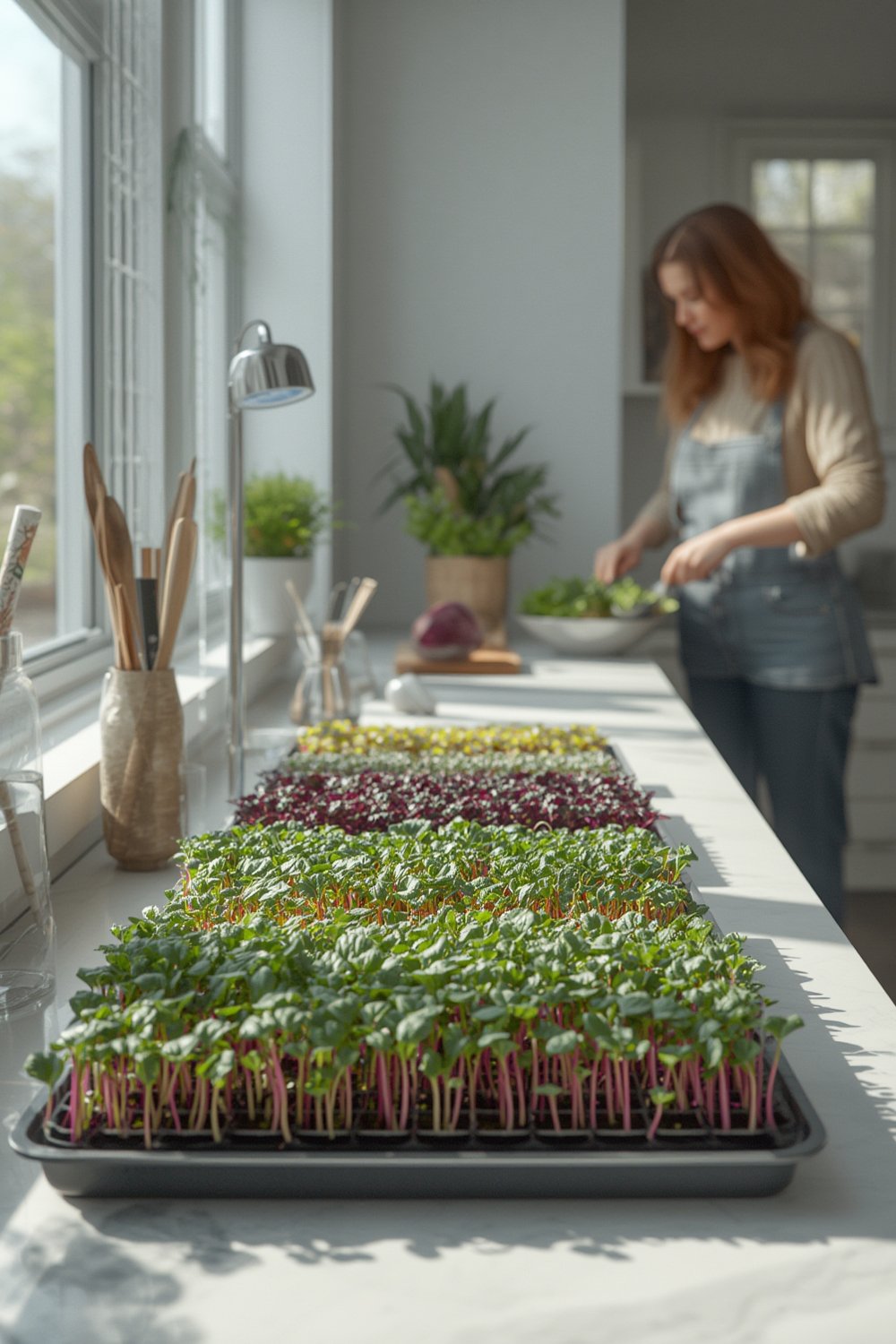
Growing microgreens at home is a simple process that delivers rapid rewards—some varieties are ready to harvest in under a week. Microgreens can be grown year-round indoors, making them ideal for small apartments or those seeking to improve their diet no matter the season. They require minimal supplies, making them a low-barrier entry for first-time gardeners. Whether you want to add fresh, vibrant greens to salads and sandwiches or experiment with new flavors, microgreens growing puts nutrition and satisfaction within reach.
If you’re intrigued by unconventional approaches to gardening, you might also be interested in creating highly biodiverse patches using the chaos gardening method or turning your front yard into a meadowscape for increased curb appeal.
How to Grow Microgreens Indoors: Step-by-Step Guide
Anyone can grow a tray of microgreens with just a few basic supplies and less than 20 minutes per week. Here’s how to set up a foolproof system for delicious greens at home:
- Choose High-Quality Microgreen Seeds:
Choose organic or untreated seeds specifically labeled for microgreens, as these have higher germination rates and are less likely to contain plant chemical residues. Popular beginner options include sunflower, broccoli, radish, and pea shoots. If you’re interested in the legacy of your harvest, check out our heirloom vegetable seeds guide to learn more about rare varieties. - Select a Shallow Tray or Growing Container:
Opt for food-safe, BPA-free trays about 1-2 inches deep, with drainage holes if using soil. - Pick Your Growing Medium:
Use a sterile, fine potting mix, coconut coir, or hydroponic pads. Avoid heavy garden soil, as it can harbor pests and diseases. - Sow Seeds Generously:
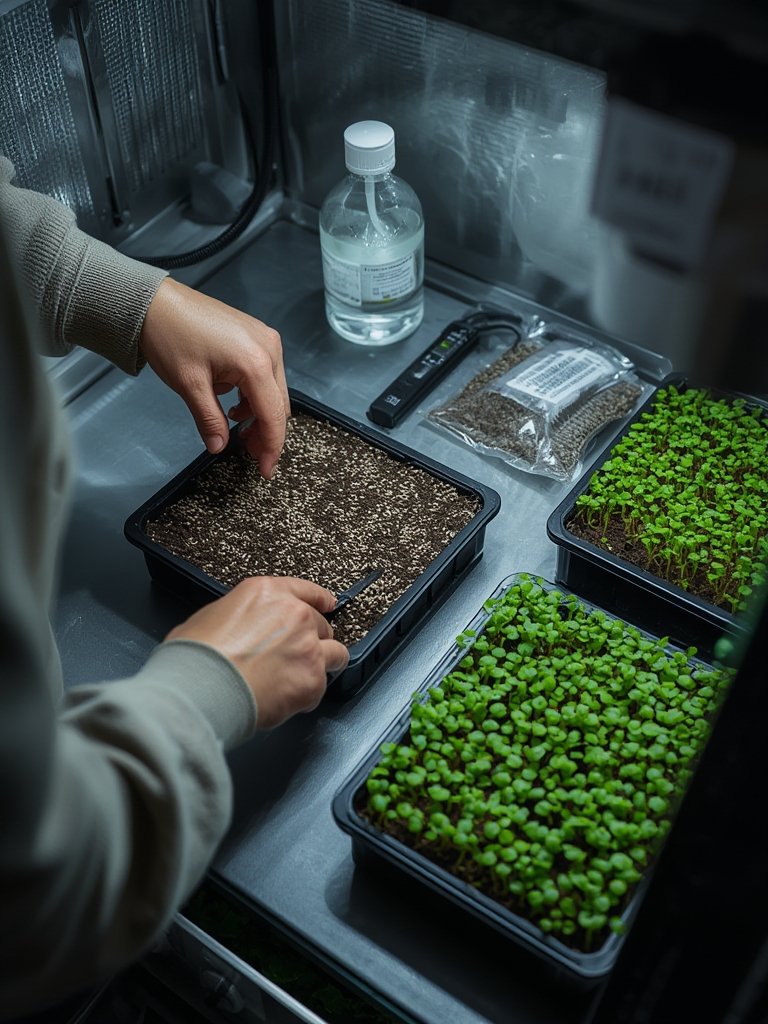
Sprinkle seeds thickly for a dense carpet, but avoid severe overcrowding. Gently press into the surface—no need to cover most microgreen seeds. - Mist and Cover:
Thoroughly mist the seeds with a spray bottle and cover with a humidity dome or another tray to maintain darkness for 2-3 days, until seeds sprout. - Provide Light:
Once sprouted, move trays under bright indirect sunlight, a sunny windowsill, or a grow light. Aim for 12-16 hours per day. - Water from Below:
Bottom-water trays to avoid splashing soil and reduce the risk of mold. Keep the medium moist but not soggy. - Harvest and Store:
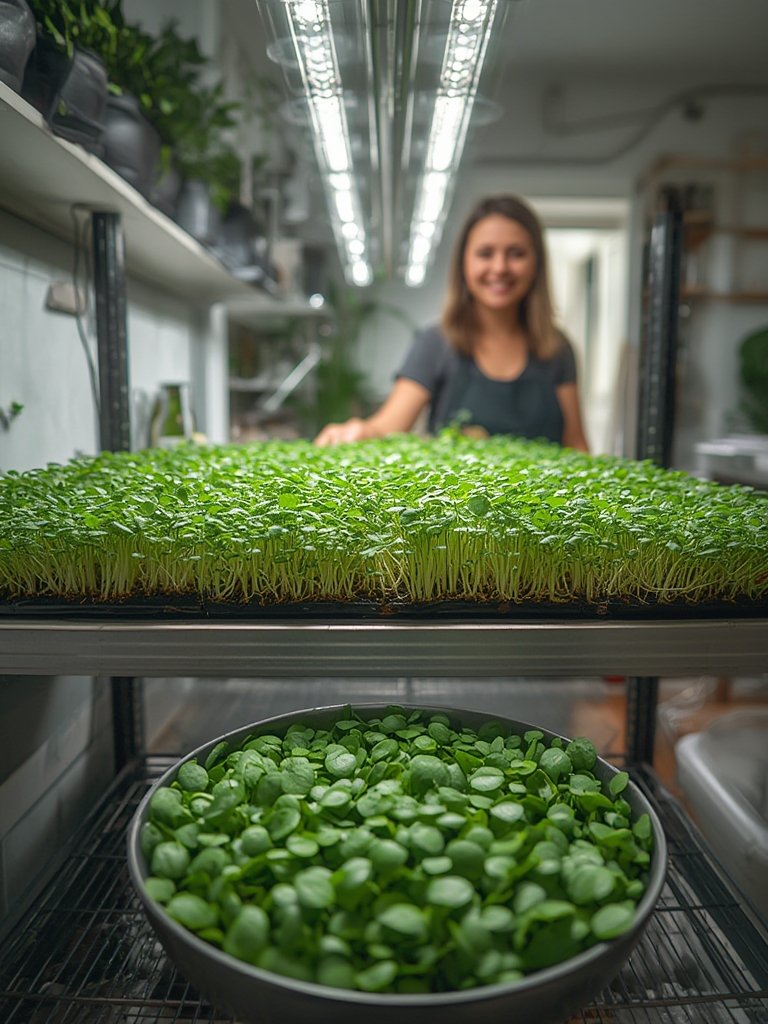
Use scissors to snip microgreens at the base when they are about 2-3 inches tall and before true leaves form. Rinse gently and store in a paper-towel-lined container in the fridge.
As you master the basics, upgrade your system: test LED grow lights for rapid, compact growth, experiment with different seed mixes, or try hydroponic trays for cleaner harvests. Combine your microgreens operation with other sustainable gardening approaches, such as no dig gardening or vertical setups (see our complete vertical gardening guide) for maximum space efficiency.
Advanced Analysis & Common Pitfalls
Most resources paint microgreens growing as a foolproof hobby, but there are several practical difficulties—especially if you want consistent, high-quality growth. Being aware of the most common pitfalls will save you frustration and help you get superior yield at home.
Common Problems in Microgreens Growing
- Poor Light Quality: Weak, leggy growth results from insufficient light. Sunlight through a window may not be enough year-round, especially for denser crops.
- Excess Moisture and Mold: Overwatering or lack of airflow leads to damping off, a common fungal disease that destroys seedlings.
- Inconsistent Germination: Old or cheap seeds can have low germination rates, leading to spotty trays.
- Off Flavors: Too much heat or water stress can produce bitter or bland greens.
- Pest Issues: Aphids, fungus gnats, and even mold spores can thrive in warm, damp conditions.
Soil vs. Hydroponic Methods: Pros & Cons
| Growing Method | Yield | Flavor | Ease of Use | Common Issues |
|---|---|---|---|---|
| Soil | High | Full, robust | Medium (cleaning needed) | Gnats, soil fungi |
| Hydroponic | Medium | Milder | Easy, clean | Drying, uneven germination |
Nutritional Analysis: Evidence-Based Benefits
Extensive reviews—including from the USDA—show that microgreens can concentrate nutrients such as vitamin C and E, beta-carotene, potassium, and minerals like zinc several times higher than mature greens. For example, one comparative study found tropical spinach microgreens with 32.5% digestible protein versus 25% in mature leaves, and potassium at 6.7% versus 4.1% (read the full report). Health benefits may also include increased antioxidant levels, improved gut microbiome diversity, and greater potential for limiting weight gain compared to mature vegetables, though these results are still being explored (see more here).
What’s Still Unknown?
Despite the surge in popularity, several major topics remain under-reported:
- Lighting Requirements: There is no clear scientific consensus on ideal wattage, color spectrum, or daily lighting duration for microgreens, though most growers use 12-16 hours of cool-white LED or fluorescent light.
- Startup Cost Breakdown: No reliable cost estimates or supplier comparisons for starter kits, grow lights, trays, and seed bulk pricing are widely published. Expect a basic setup to cost between $30 and $80, depending on quality.
- Pest Management and Organic Certification: Practical, actionable advice for advanced microgreen growers is still lacking, especially for those interested in certified organic or commercial microgreen production.
Your best approach is to start small, refine your system, and only then explore larger-scale projects or advanced certifications. For further reduction of pests and improved biodiversity, consider introducing native pollinator plants into your growing space, indoors or out.
Conclusion
Microgreens growing is one of the simplest and fastest ways to enjoy fresh, nutrient-packed greens at home—with minimal space, low startup cost, and satisfying results in just days. By following a stepwise approach, paying close attention to light and airflow, and choosing reliable seeds, you’ll successfully harvest superior microgreens no matter the season. Ready to redefine your home harvest? Start your own microgreens growing system today—or take the next step and upgrade your growing space into a full vertical garden for year-round abundance.
Frequently Asked Questions
What are the best seeds to choose for microgreens growing beginners?
Best seeds for beginners include sunflower, radish, broccoli, and pea. These varieties germinate quickly and have strong, reliable flavors.
Do I need special lights for microgreens growing indoors?
Microgreens can grow in a sunny window, but for the best yield and flavor, invest in an LED grow light (about 15–25 watts per tray) for 12–16 hours daily.
How do I prevent mold or fungus on my microgreens?
Ensure good airflow, avoid overwatering, and use sterile growing media. A small fan can help reduce humidity and prevent mold problems.
How long does it take to harvest microgreens?
Most microgreens are ready to harvest in 7–14 days, depending on the seed type and growing conditions.
Is microgreens growing profitable for home or small business?
It can be, but earnings depend on efficiency, sourcing affordable seeds, managing disease, and finding reliable markets. For most, it is a nutritious hobby with potential for extra income.