


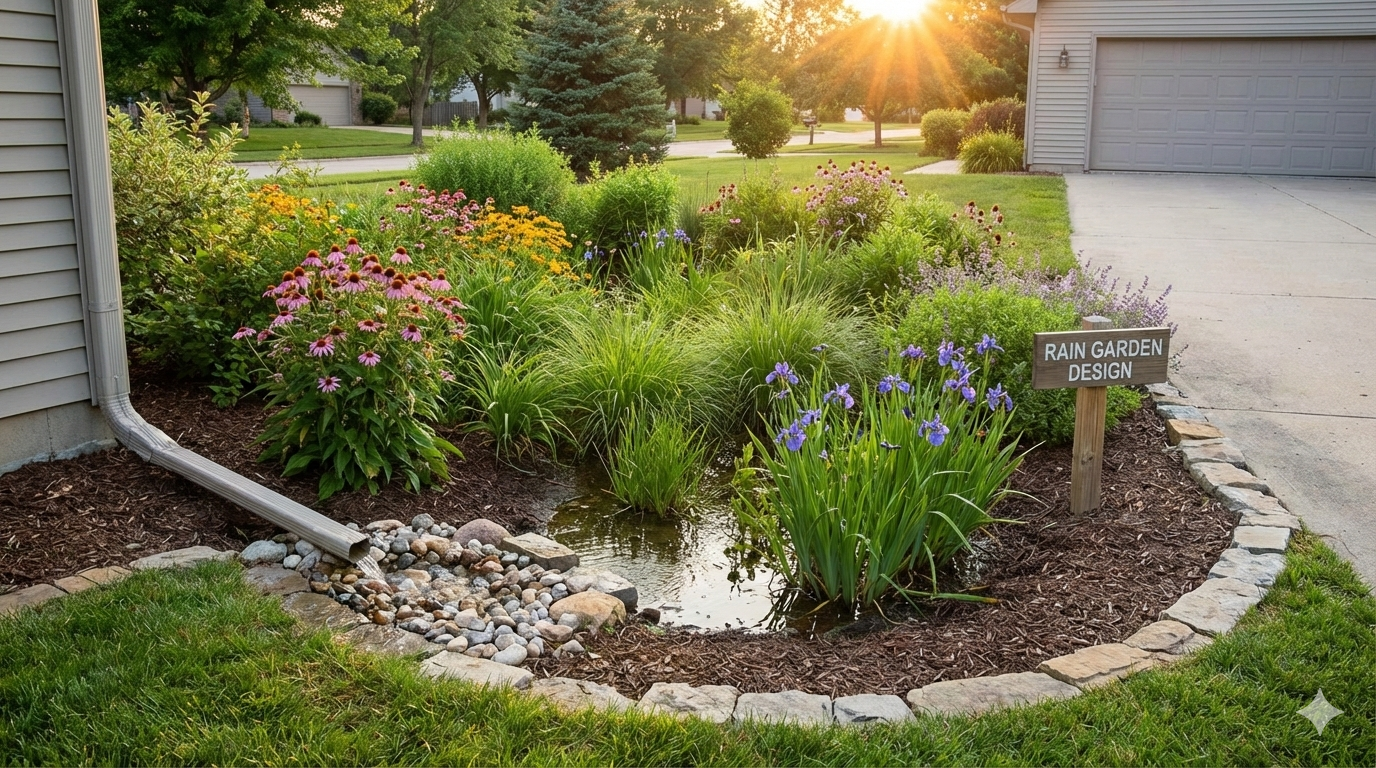
Rain garden design gives homeowners and landscapers a powerful tool for controlling runoff and promoting stormwater health—when it works as intended. But is it always better than French drains or bioswales? Let’s break down the real data, practical steps, hidden problems, and environmental impact of rain gardens in 2024.
Key Takeaways
- Rain garden design outperforms traditional stormwater solutions for runoff reduction and water quality—with 36%–59% volume cuts and major infiltration gains.
- Homeowners face plant death, maintenance overload, and visual disappointments unless they plan carefully and set realistic expectations.
- Rain gardens drive local wildlife and pollinator increases, but plant selection and drainage system integration are critical for long-term success.
- The Core Concept: What Makes a Rain Garden Work?
- Step-by-Step Rain Garden Design Guide
- Advanced Analysis & Common Pitfalls
- Conclusion
- FAQ
The Core Concept: What Makes a Rain Garden Work?
Rain garden design refers to a shallow, planted depression that collects and filters stormwater runoff from roofs, driveways, or lawns. Unlike French drains, which prioritize moving water away quickly, rain gardens slow and absorb runoff, allowing plants and the underlying soil media to clean the water before it infiltrates or overflows into sewers.
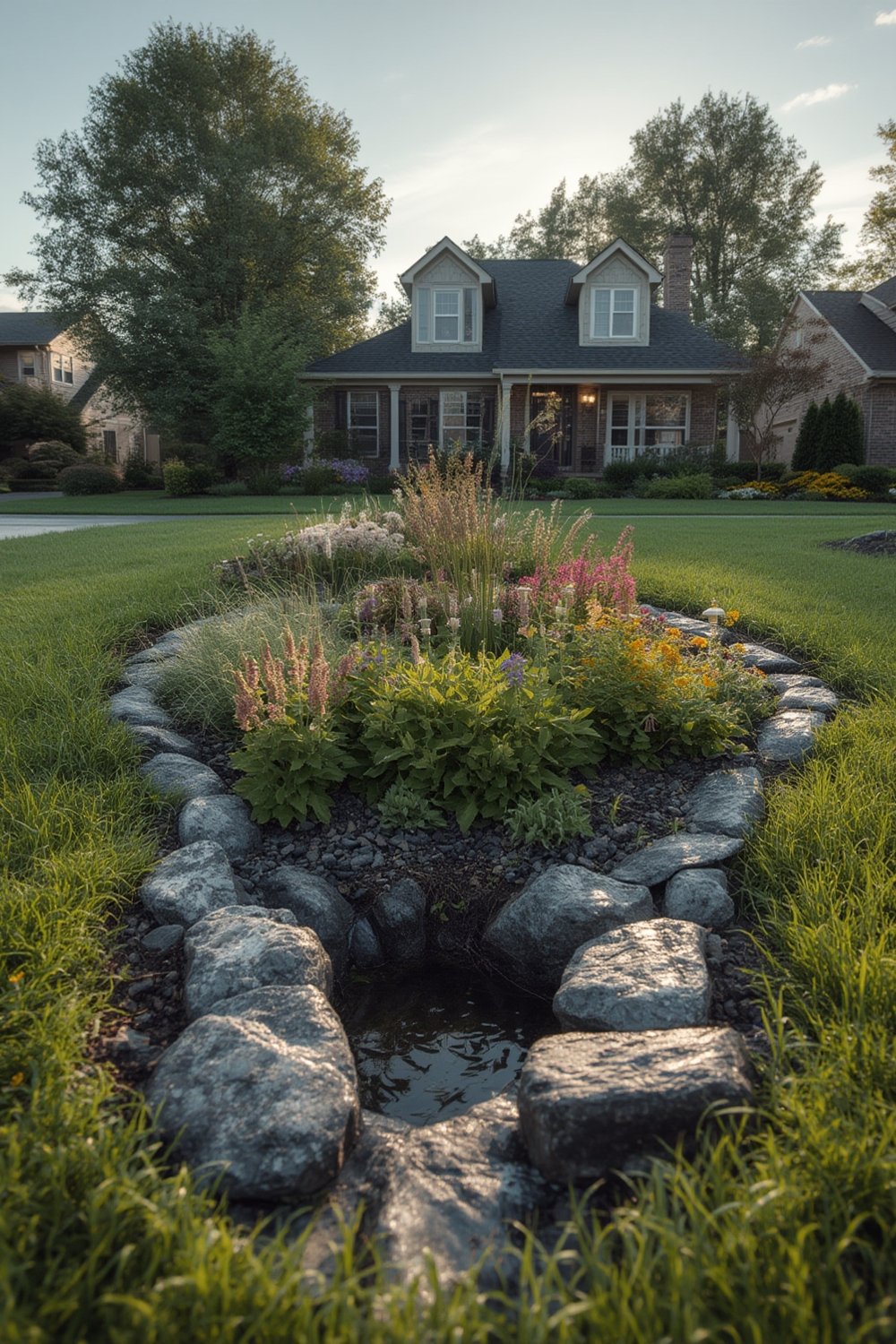
The latest research shows rain garden design can reduce runoff volumes by 36%–59% in areas with low-permeability soils. One study highlighted up to 89% reduction for systems without an underdrain, compared to just 15% for underdrained rain gardens—very similar to how French drains work. Notably, a single rain garden design managed 86.2% of total rainfall over 18 years, highlighting the long-term effectiveness (source, source).
Beyond hydrology, rain gardens filter out fertilizers, pesticides, dirt, oil, animal waste, and more. Compared to a regular lawn, they allow 30% more infiltration, recharge groundwater, and reduce downstream erosion (source).
Step-by-Step Rain Garden Design Guide
Building an effective rain garden design isn’t rocket science—but missing a single step can sabotage your hard work. Here’s how to do it right:
- Choose Your Location: Site yourrain garden design at least 10 feet from building foundations and away from septic systems or mature trees. Look for low areas that accumulate runoff, especially at downspout ends.
- Size & Shape: Estimate size based on roof or hardscape drainage area (a standard formula is 1/10 the square footage draining to it). Oval or kidney shapes often blend most naturally with yards (Meadowscaping Front Yard offers design inspiration for seamless integration).
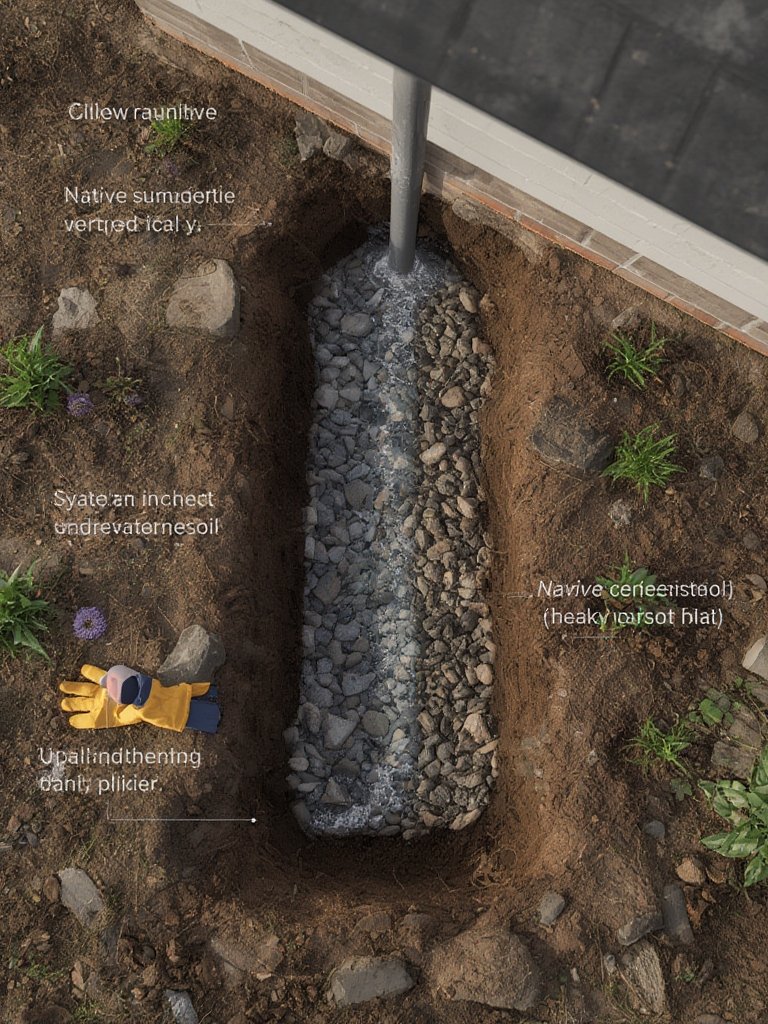
- Prepare the Basin: Excavate 6–12 inches deep. Slope sides gently for stability. In clay soils, amending with sand and compost enhances infiltration—aim for a loamy, well-drained mix. Remove construction debris and compacted layers.
- Create Paths for Overflow: Incorporate a level spillway or cut in the rim so excess water can drain safely (not toward buildings). Surface or underdrain options can alter runoff removal rates dramatically—see the advanced analysis below.
- Add Planting Mix: Use a mix tailored for rain gardens—typically, 50% sand, 30% topsoil, 20% compost. Media should be 18–36 inches deep. This supports both plant growth and stormwater filtering.
- Plant Appropriately: Place plants in zones according to water tolerance—wet-tolerant species at the bowl’s lowest elevation, drought-tolerant plants on the rim. For a more biodiverse patch, consider chaos gardening techniques (Chaos Gardening Tutorial).
- Mulch & Water: Apply shredded hardwood mulch to insulate roots, retain moisture, suppress weeds, and reduce erosion. Water plants consistently until established.
- Ongoing Maintenance: Weed regularly, especially the first two years. Replace plants that die. Annual re-mulching and periodic thinning may be needed. For even less effort, look into drought-tolerant options (Drought Tolerant Landscaping Guide).
Don’t forget aesthetics—selection of native, flowering plants not only adds beauty and supports pollinators, it can also reduce complaints from neighbors. For edible plant ideas, see Edible Landscaping Design for creative combinations.
Advanced Analysis & Common Pitfalls
Despite their water management strengths, rain gardens can disappoint if the following issues aren’t addressed. Here’s what homeowner reviews and recent studies reveal:
- Plant Death & Distress: 67–100% of “challenged” rain gardens suffer plant loss. Causes include wrong plant for climate zone, improper sun exposure, and compacted soils.
- Weed Overload & Aggressive Invaders: 50% of dissatisfied users complain about rapid weed growth or volunteer plants overtaking intended species.
- Maintenance Burnout: Homeowners often expect low maintenance. Reality: Frequent weeding, replanting, replacing mulch, and watering (especially during year one) are required.
- Poor Drainage/Ponding: Failing to match soil amendment ratios to existing soil results in waterlogging or overflow, especially in systems without a designed overflow path.
- Aesthetics Clash: Rain gardens overrun by weeds or with patchy plant growth may look unkempt, drawing complaints—from homeowners themselves or HOAs.
- Code & Permit Surprises: Some localities (e.g., New Jersey) require all water to drain within 72 hours. Permits can halt installations, or fail inspections, if guidelines aren’t met.
| Feature | Rain Garden (No Drain) | Rain Garden (Surface/Underdrain) | French Drain / Traditional System |
|---|---|---|---|
| Runoff Volume Reduction | Up to 89% | 15%–58% | 15%–20% |
| Water Quality Improvement | Excellent (bioretention) | Good | Low |
| Maintenance Needs | High (Weeding, replanting) | Moderate | Low |
| Drainage Speed | Slow (designed to retain) | Medium | Fast |
| Cost Data (5-10 yrs) | Not available | Not available | Not available |
If you focus only on function, it’s easy to overlook neighborhood codes. For example, New Jersey requires that any standing water fully drains within 72 hours for rain garden approval (source). On the flip side, cities like St. Louis provide grants to encourage installation (source).
Another pitfall: Many rain garden design articles skip specifics about plant spacing, ongoing care, or how to integrate the new garden with existing drains or irrigation systems (Smart Irrigation System can help with precise watering). Users hoping for pure “set and forget” will be disappointed—98.7% of highly rated rain gardens rely on healthy, actively managed plants.
Conclusion
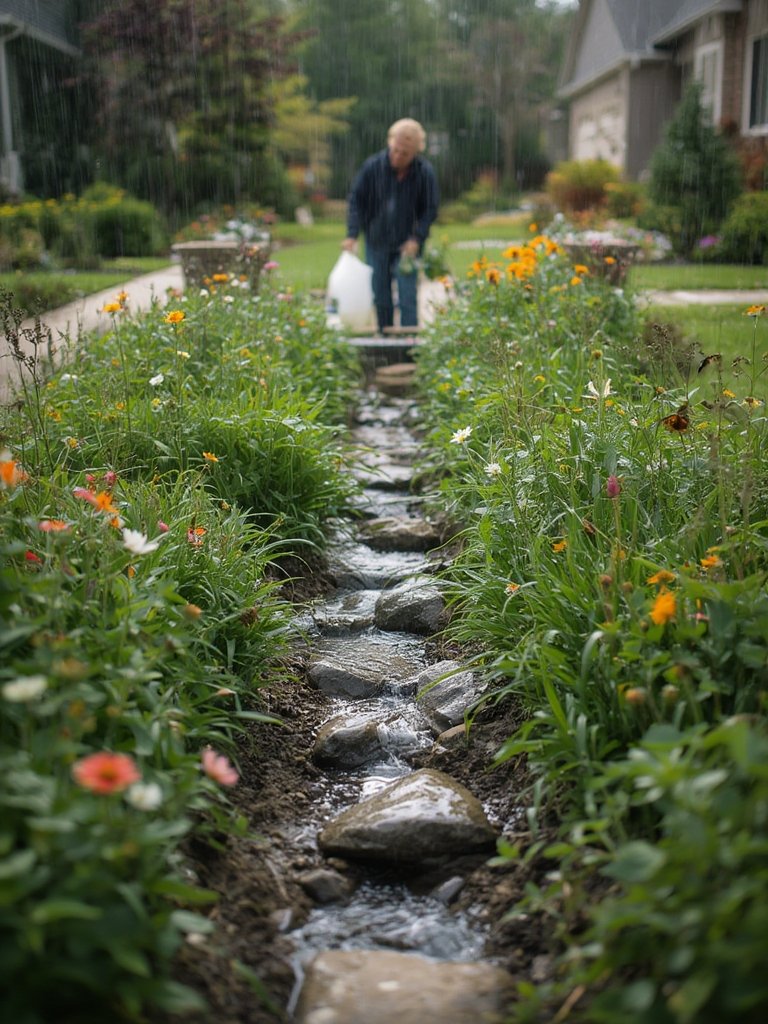
Rain garden design delivers measurable runoff reduction, pollutant filtering, and real boosts for pollinators and local wildlife. But success is tied directly to smart site prep, the right plants, rigorous early maintenance, and compliance with local codes. Don’t expect a magic fix—expect a rewarding but hands-on project. Start small, learn as you go, and explore resources like Lawn To Meadow Conversion for more biodiversity-boosting options.
Ready to transform your landscape with effective rain garden design? Assess your property, pick resilient plants, and put the research-backed steps above into action.
FAQ
Does a rain garden need a permit or inspection?
Some municipalities, like in New Jersey, require stormwater gardens to drain within 72 hours and may inspect for compliance. Always check with your city or district before starting.
How do I choose the best plants for my rain garden?
Select a mix of native wetland and drought-tolerant plants. Use sources like our Native Pollinator Plants Guide and check local extension services for region-specific recommendations.
What maintenance does a rain garden require?
Year one: frequent watering and weekly weeding. Years two and beyond: annual mulch, seasonal plant thinning, periodic weeding, and replanting as necessary. A weed barrier can help reduce effort.
How do rain gardens compare to bioswales and permeable paving?
Rain gardens provide superior pollutant filtering and more runoff volume reduction in most residential cases but require more ongoing care than bioswales or permeable hardscapes. Cost data varies—see your local contractor for details.
Can a robotic lawn mower work around a rain garden?
Yes, but edge boundaries should be marked clearly and slopes minimized. For tips, see our guide on Robotic Lawn Mower Installation.
—