


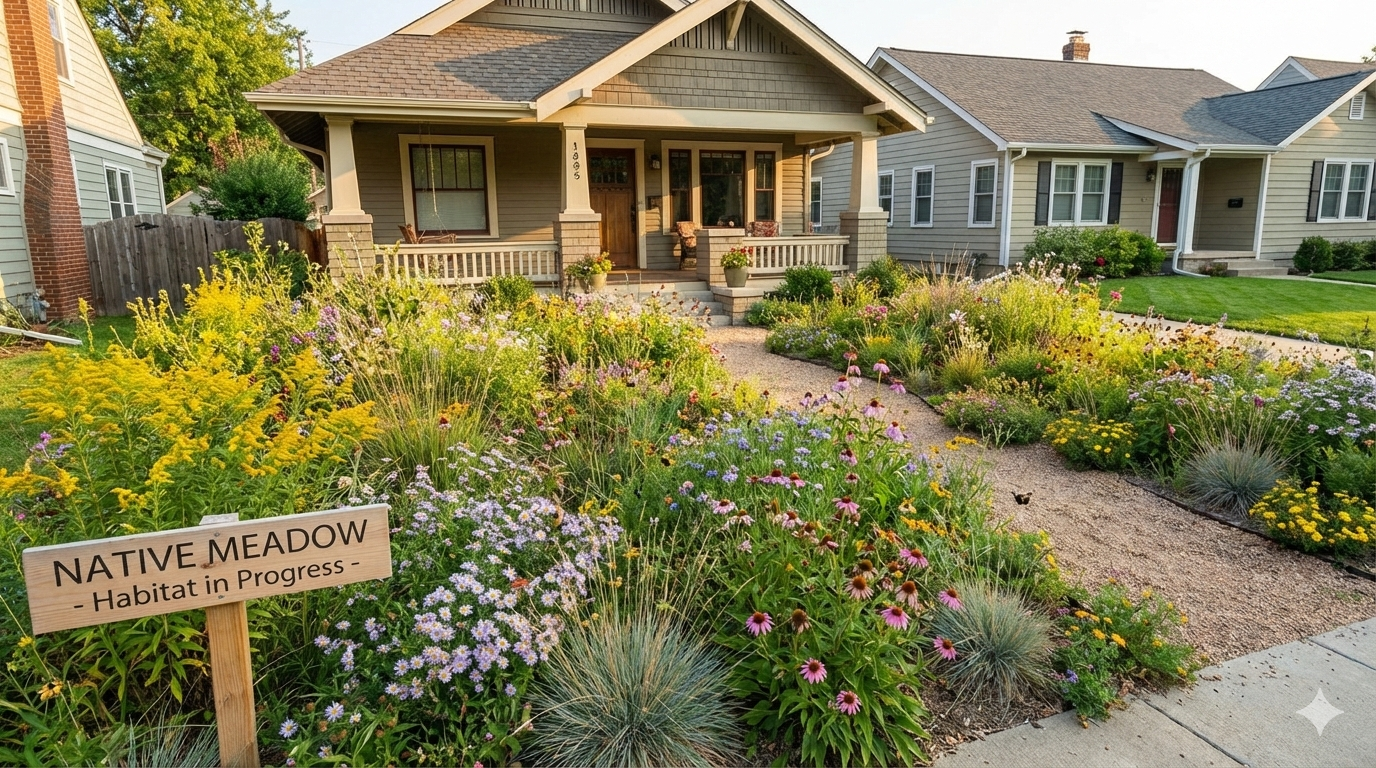
Meadowscaping front yard is gaining momentum as a bold, eco-friendly alternative to traditional lawns. Homeowners are increasingly interested in transforming turf into native plant meadows to support pollinators, cut water use, and create low-maintenance landscapes. However, there are crucial steps, common pitfalls, and practical design challenges you need to know before making the switch. Here’s a highly realistic, step-by-step guide informed by the latest research and field results.
Key Takeaways
- Successful meadowscaping front yards require patience, meticulous planning, and region-specific plant choices for best results.
- The transition phase is often visually messy and high-maintenance, especially in the first two years, so it’s essential to set realistic expectations with neighbors and HOAs.
- Starting with plugs instead of seeds costs more upfront but usually achieves denser, more resilient meadows with fewer weed problems long-term.
- What Is Meadowscaping Front Yard and Why Do It?
- Step-by-Step Guide: Meadowscaping Front Yard
- Advanced Analysis & Common Pitfalls
- Conclusion
- Frequently Asked Questions
What Is Meadowscaping Front Yard and Why Do It?
Meadowscaping front yard means replacing all or part of your traditional grass lawn with a dynamic mix of native grasses and wildflowers. Unlike the chemically dependent, resource-intensive Kentucky bluegrass or similar lawns, meadow gardens focus on native-plant biodiversity and sustainable, low-input landscape management. This method offers significant environmental benefits, from supporting pollinators like bees and butterflies to reducing water waste and chemical runoff.
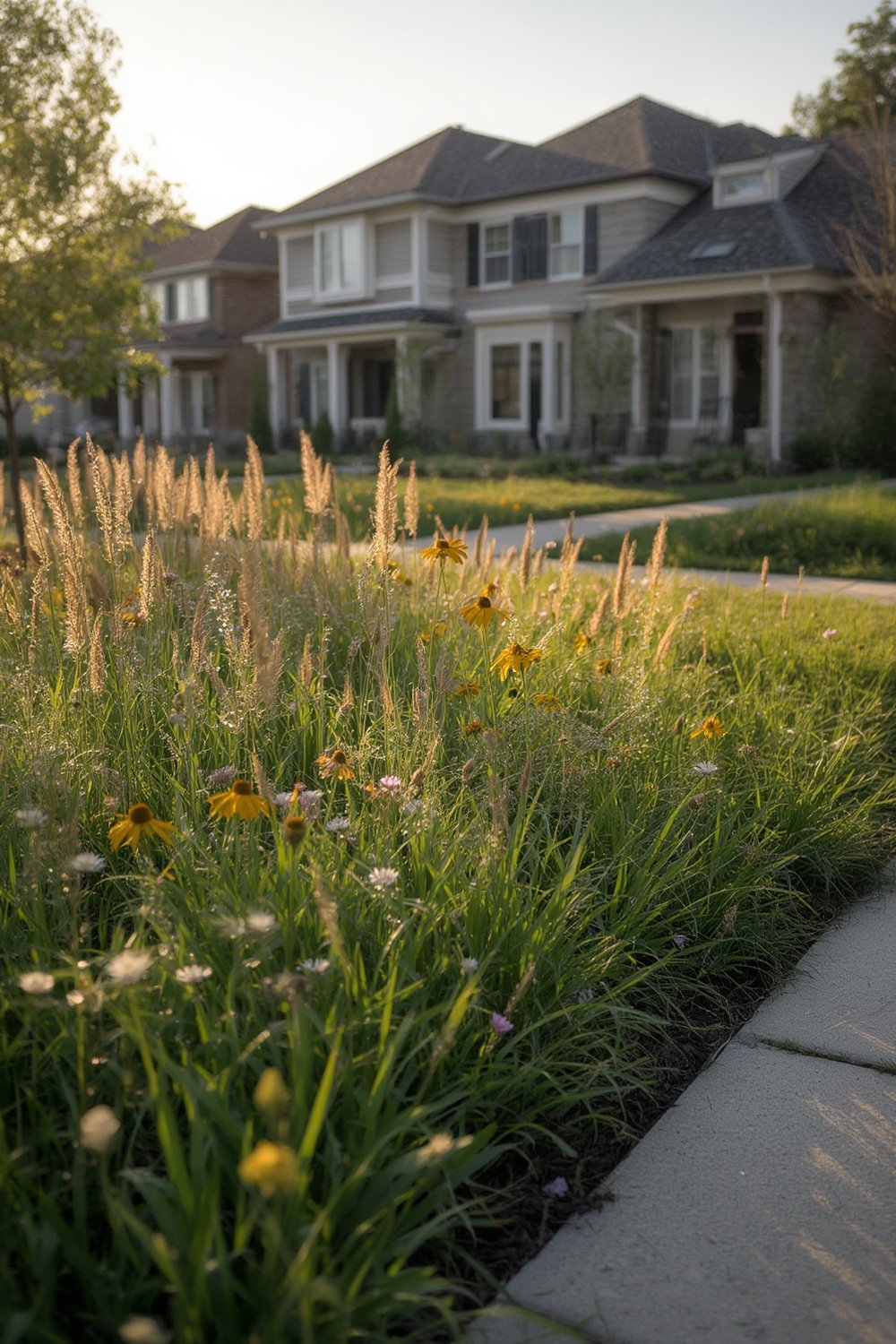
Interest in converting traditional lawns to wildflower-dominated meadows more than doubled nationally from 9 percent in 2019 to 19 percent in 2021, according to recent NWF research. Still, most homeowners vastly underestimate the challenges, transition period, and regulatory nuances involved.
Step-by-Step Guide: Meadowscaping Front Yard
- Research Your Local Regulations and HOA Rules
Before you start, check municipal codes and HOA covenants regarding front yard appearance, allowable plant heights, and what constitutes “weeds.” Engage neighbors or association boards early, especially since the first year may look rough. - Analyze Your Yard’s Growing Conditions
Assess sun exposure, soil type, and drainage. Meadows thrive best in full sun with well-drained soils, but some native mixes tolerate shade. Consider a soil test for best results. - Design the Meadow and Choose Appropriate Plants
Focus on native grasses and wildflowers proven for your region. Work from short “lawn-like” perennials along pathways or edges and step up to taller plants further in.- Use native pollinator plants for continuous bloom time
- Layer for visual interest with spring, summer, and fall blooms
- Limit aggressive species that may crowd out others
- Consult native plant societies or extension services if possible
- Remove Existing Turf—Thoroughly
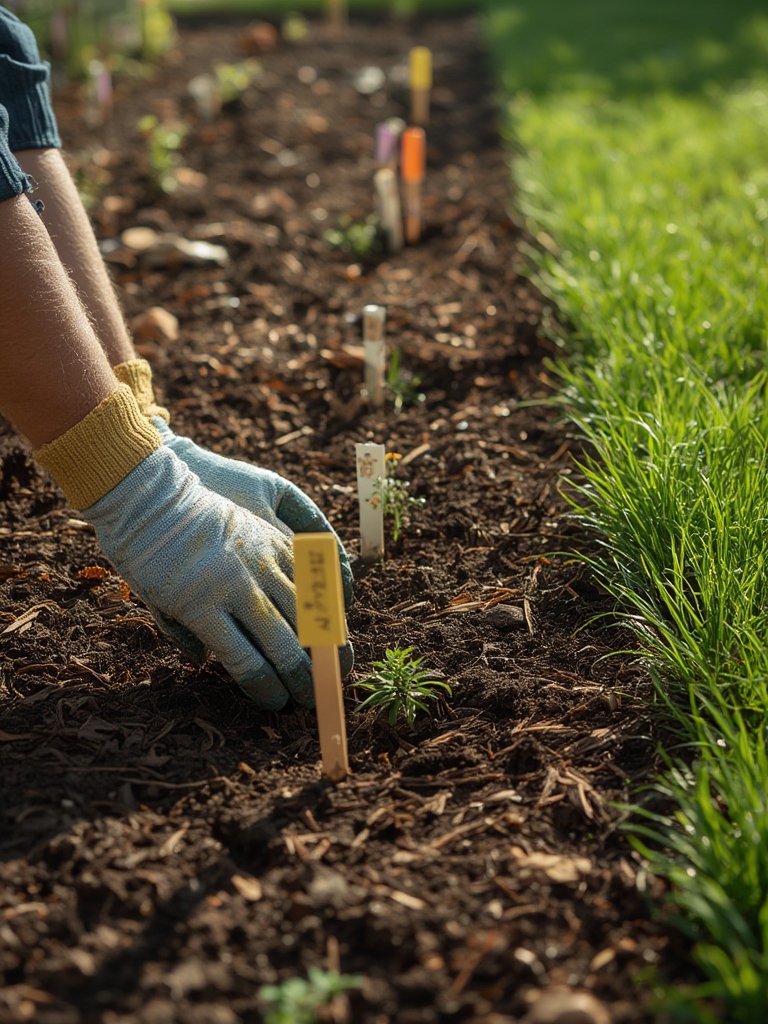
Smother lawns with cardboard, solarize with plastic, or strip sod mechanically. Incomplete removal is a top cause of weed problems later. This can take weeks to months depending on method. - Install Your Meadow (Seed vs. Plugs)
- Seed: Cheaper up front but higher risks of weeds and slow, patchy establishment.
- Plugs (young plants): Higher cost, but denser, more reliable cover, especially for small or high-visibility areas. Most research suggests plugs pay off in reduced weed headaches later (source).
- Mulch and Water as Needed
Light mulching between plugs or over seed can reduce weed pressure. Water regularly—especially the first growing season—until plants are well established. - Maintain Vigilantly in Year One
Expect to weed aggressively for the first two years (several times per month in warm seasons). Re-seed or plug bare spots. Monitor for pests and disease issues—address them early. - Communicate Progress to Neighbors and HOAs
Use signage (such as “Native Plant Garden—Under Establishment”) and keep edges neat and paths mowed to reduce complaints during the “ugly” transition.
Want more ways to design lush, low-maintenance yards that boost biodiversity? See this proven lawn to meadow conversion guide for practical regional advice.
Advanced Analysis & Common Pitfalls
Meadowscaping front yard brings challenges most homeowners underestimate. Here’s what research and field projects reveal:
- Year-One Appearance and Maintenance: New installations often look sparse, scruffy, and weedy for six months to two years. Homeowners, HOAs, and neighbors may object during this “ugly” phase (source).
- Seeded Meadows are Reluctant to Establish: Research shows many seeded plots remain bare or dominated by weeds up to three years in late-establishing regions. Plugs cost more up front but deliver fuller, healthier meadows in less time.
- Uncertain Water and Weeding Needs: Ongoing weeding and watering required in the first year can surprise those seeking “no maintenance” solutions.
- Plant Selection Hurdles: Many regions lack reliable lists of short, resilient, fall-flowering perennials. Aggressive species (such as some asters or goldenrods) can crowd out less competitive flowers.
- HOA or Municipal Pushback: Some cities or HOAs prohibit tall vegetation or specific “untidy” looks, so be proactive with landscape designs and neighbor communication.
How does meadowscaping front yard compare to traditional lawns on the issues that matter?
| Factor | Traditional Lawn | Meadowscaped Lawn |
|---|---|---|
| First Year Cost* | $616 avg. annual spend (source) | Seeds: Lower up front, but riskier. Plugs: Higher initial cost, more reliable. Some local rebates cover up to $2/sq. ft. (source) |
| Time to Maturity | Instant (sod) to 2-3 weeks (seed) | Plugs: Usually 1-2 years Seed: 2-4 years for full, weed-free effect (source) |
| Water Use | High, especially in drought-prone regions | 40-70% less after mature. New smart irrigation can help further: smart irrigation system tips |
| Maintenance | Weekly mowing, fertilizing, chemicals | Intensive weeding in year one, then mostly spring cut-back or mowing once/twice a year See chaos gardening tutorial for low-mow styles |
| Biodiversity | Very low | High—provides habitat for pollinators & birds; improves ecosystem health (proven pollinator plants) |
| Regulatory Hurdles | Rarely a problem | Some areas restrict height or require “tidy” margins. Always check first. |
*Actual costs and timelines vary. Few studies offer region-specific cost breakdowns—contact local nurseries for estimates.
Considering an eco-friendly alternative but not ready for a full meadow? Explore organic lawn fertilizer options or a robotic lawn mower setup for a smoother transition to sustainable lawn care.
Conclusion
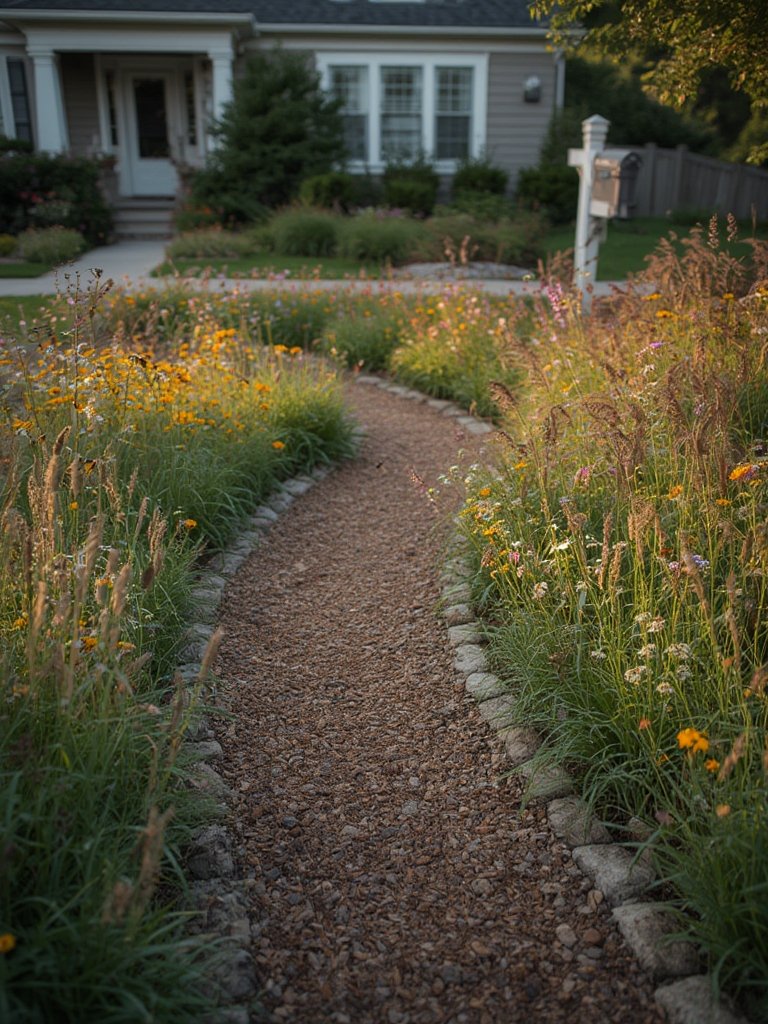
Meadowscaping front yard is an impactful way to transform your home landscape for beauty, wildlife, and resilience. Those who succeed start small, keep edges neat, manage expectations, and choose locally adapted native plants. The process is neither instant nor maintenance-free, but with smart strategy and patience, you can create a front yard that’s both sustainable and stunning.
Ready to take the next step? Download a native plant list from your local extension, sketch your design, or join a regional Reduce Your Lawn pledge. For more actionable advice on design or maintenance, read our complete lawn to meadow conversion guide today.
Frequently Asked Questions
How long does it take for a meadowscaped front yard to look established?
Most meadows take at least one to two years to look filled-in if you use plant plugs. Seeded meadows may need two to four years, with extra weeding needed in year one and two. Dense planting, smart edging, and plug installation can speed up the visual payoff.
Will my meadowscaped yard attract complaints from neighbors or HOAs?
It’s possible, especially during the first-year “ugly” phase when the meadow looks patchy. Communicate your plans upfront, use signage, keep edges mowed, and follow local ordinances to minimize issues. Some municipalities and HOAs have specific rules about plant height and maintenance.
Is a meadowscaped yard low-maintenance?
Not at first. Expect active weeding and watering in the first two years. After that, mature meadows generally require only spring or late fall mowing/cutting and less irrigation than traditional turfgrass lawns.
What plants are best for a low-maintenance front yard meadow?
Choose native perennials proven in your region. In the Midwest, options like New England aster, coneflower, and various prairie grasses work well. Avoid invasive or overly aggressive species. For continuous bloom, mix species flowering in spring, summer, and fall.
How do I start meadowscaping front yard if I can’t remove my whole lawn?
Begin with a border, strip near the sidewalk, or a central island. Experiment with easy-to-manage areas first before scaling up. This helps you learn from small mistakes and keeps the rest of your yard tidy and compliant.