


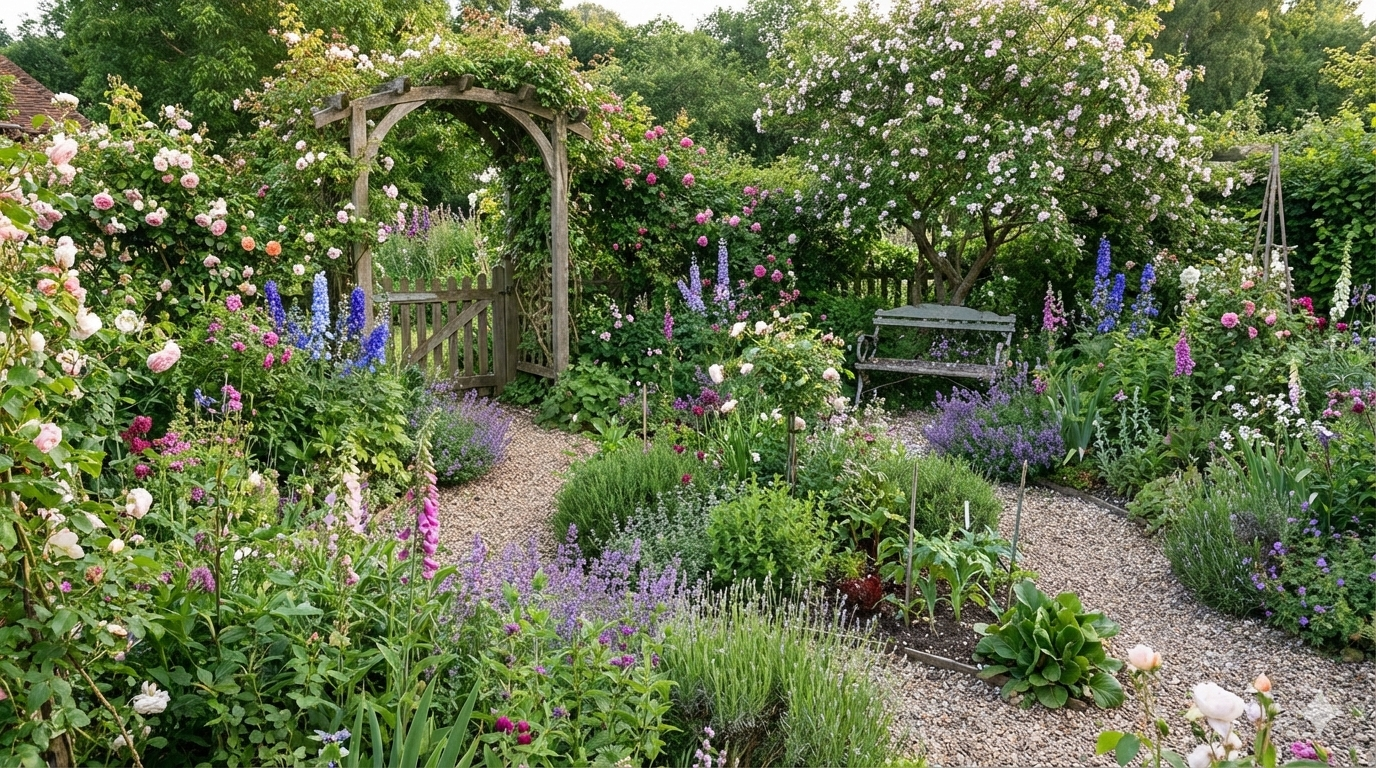
Cottage garden design is captivating homeowners in 2024 who crave a backyard that’s wild, romantic, and personal—but most guides gloss over messy details, costs, and common headaches. Here’s what it really takes to build a cottage garden that blooms with charm and works year-round.
Key Takeaways
- Cottage garden design blends abundant planting with curated “controlled mess,” using native wildflowers, winding paths, and whimsical structures.
- Expect challenges: overgrowth, pest imbalances, and time investment, especially when replacing lawns or trying chaos gardening techniques.
- Smart planning with pollinator plants, year-round structure, and practical features makes your garden lush and manageable—not just decorative.
- The Core Concept of Cottage Garden Design
- Step-by-Step Guide to Cottage Garden Design
- Advanced Analysis & Common Pitfalls
- Conclusion
- Frequently Asked Questions
The Core Concept of Cottage Garden Design
Cottage garden design is about intentional informality—a tapestry of perennials, annuals, shrubs, and edible plants growing together. The style’s roots trace back to English cottage plots, where structure came from density rather than neat lines. Modern takes echo this, blending wildflower “chaos” and romantic borders with practical pathways, arbors, and decorative features. If you love the layered look as seen in chaos gardening (wildflower chaos garden guide), cottage garden design delivers the same biodiverse, bursting effect but with space for whimsy and structure too.
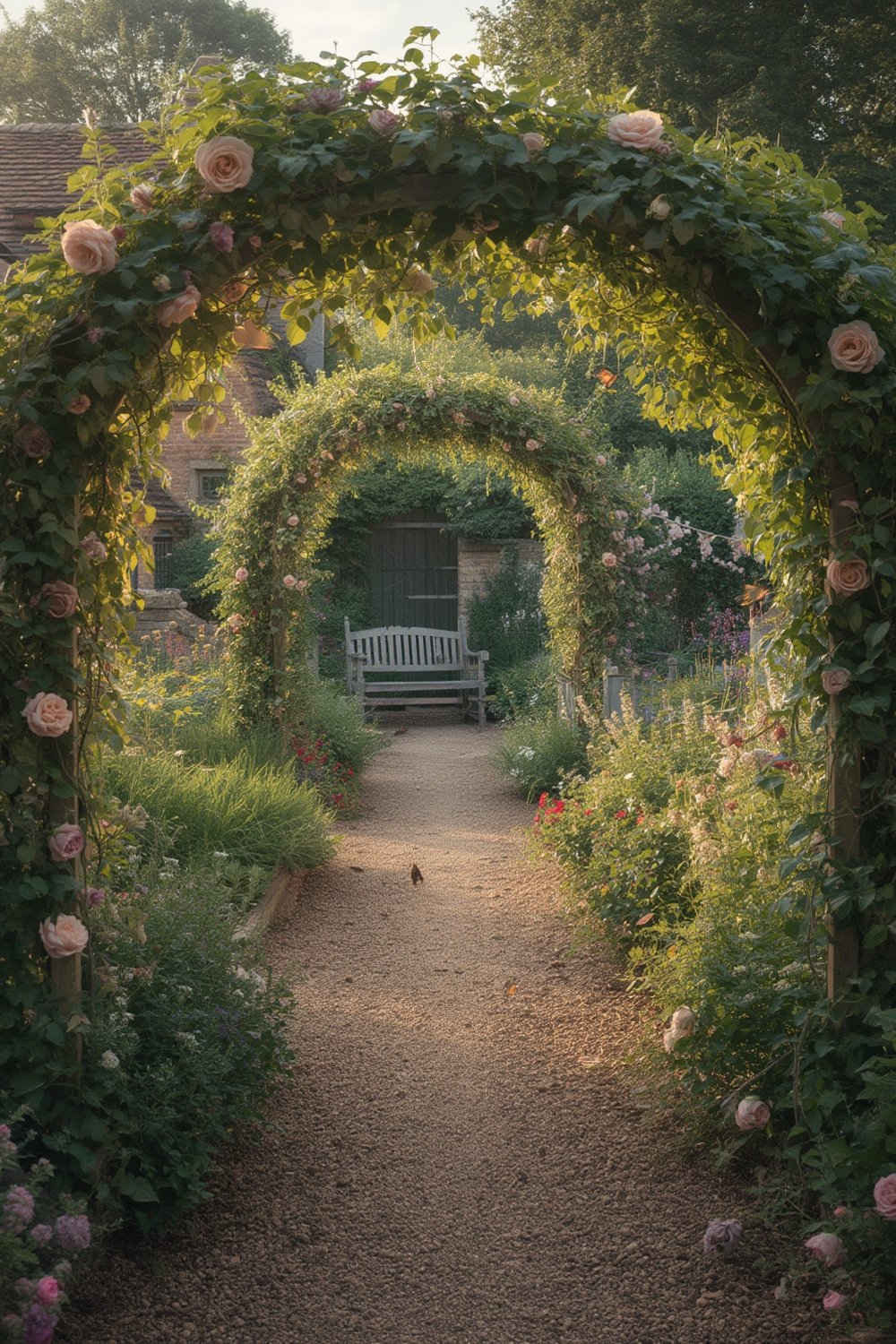
Trends for 2024 show rising interest in “rewilded” spaces—over 12% of US adults converted lawn to natural plantings, and “barely controlled mess” is trendy according to recent industry sources. Designing your own means more than letting weeds run wild; it’s about thoughtfully mixing classic plants (roses, lavender, hollyhocks) with wildlife-friendly natives and quirky, personal touches like bent-branch trellises or garden mirrors.
Unfortunately, most tutorials gloss over real-world hurdles: high startup costs, the pains of lawn-to-border conversion, and balancing wildness with neighborhood curb appeal. The next sections break those down, so your dream cottage garden works for you—not just on Instagram.
Step-by-Step Guide to Cottage Garden Design
- Assess Your Space and Sun: Measure your area, note sunlight patterns, and identify drainage. A classic cottage garden design needs at least half a day of sun. If you’re starting with turf, see tips on the lawn to meadow conversion guide for prepping the ground with minimal digging.
- Create a Flowing Layout: Use curved paths and informal borders. Avoid rigid rectangles. Add stepping stones or crushed gravel paths with soft edges. Consider a narrow meandering path that feels hidden by plants. Install a basic arbor, repurposed gate, or rustic trellis at a key entry for instant “storybook” charm.
- Select Layered, Long-Season Plants: Mix tall, medium, and ground-level varieties. Classic cottage garden plants include roses, lavender, foxglove, delphiniums, hydrangeas, daisies, alliums, and salvias. For US zones, add native pollinator plants—think coneflower, bee balm, goldenrod, and milkweed for monarchs. Aim for blooms from early spring through frost, and interplant with evergreens, trellised vines, herbs, and edibles.
- Pile in Personality & Whimsy: Layer in surprises: a weathered bench, driftwood, old watering can planters, or DIY mosaic stepping stones. Cottage garden design thrives on non-matching, non-manufactured décor. Add birdbaths, bee hotels, or upcycled garden mirrors for reflected blooms.
- Plan for Maintenance and Biodiversity: Dense planting shades out weeds, but you’ll need to deadhead, mulch, and divide perennials. Consider cardboard mulch gardening for eco-friendly weed control. Regularly monitor for pests and disease—integrate plants like chives and alliums to help naturally deter bugs.
If you’re working with limited space, try vertical elements like tall obelisks or stacked pots. For inspiration, look at vertical gardening ideas that fit even tiny city plots or awkward corners.
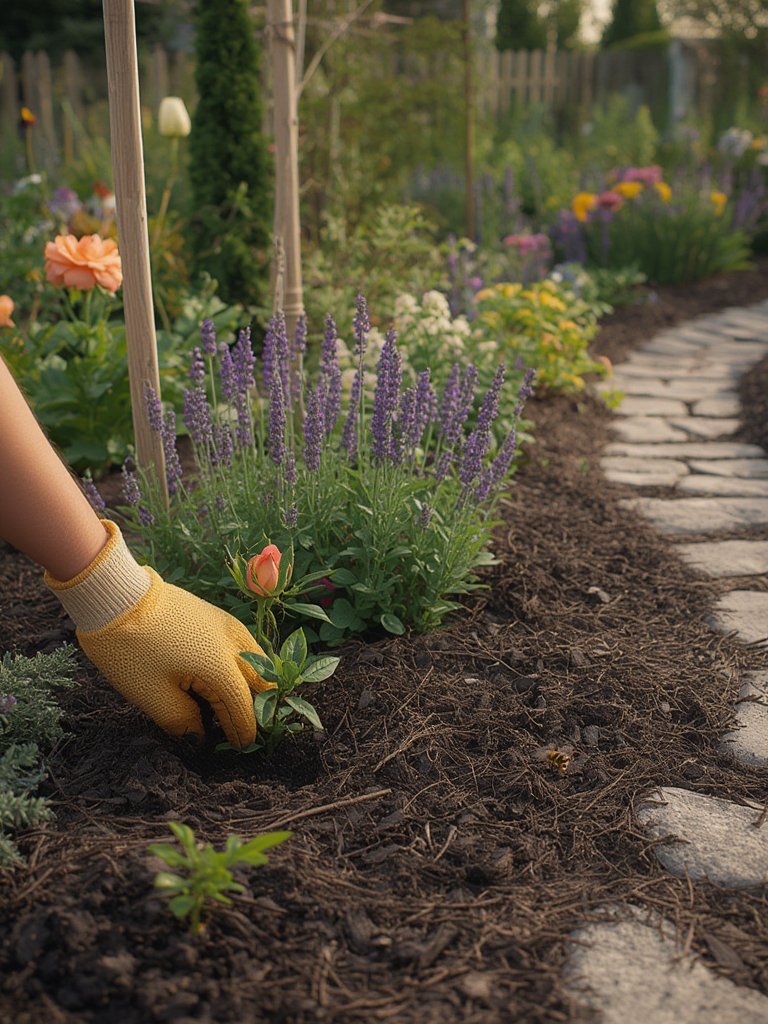
Remember, a true cottage garden is always evolving. Add and subtract plants each season. Tuck in cool-weather pansies for spring, swap to annual zinnias mid-summer, and refresh mulch with autumn leaves. Start small—one border or a single path—rather than overhauling your yard all at once.
For sustainable watering, pair your layout with a smart irrigation system to save time and reduce water waste as your plantings mature.
Advanced Analysis & Common Pitfalls
Even with strong planning, cottage garden design brings real-world struggles not all guides mention. Here are the major pain points and mistakes:
| Challenge | Realistic Impact | Workaround/Prevention |
|---|---|---|
| Overgrowth & “Out of Control” Look | Can quickly become messy, overwhelm small spaces, and irritate neighbors / HOAs[1] | Regular dividing, include evergreen anchors, keep paths clear of floppy stems |
| Weed invasion in wild corners | Dense borders sometimes fail to suppress aggressive weeds | Use sheet mulching with cardboard and deep mulch layers |
| Pest & Pollinator Imbalance | Lack of plant diversity invites aphids or other pests, and not all plants boost pollinators | Mix in native wildflowers and pollinator host plants |
| High Upfront Plant Costs | Buying many perennials/roses is expensive | Grow from seed, host plant swaps, use low-cost natives. Space plantings farther apart and let them fill in. |
| Seasonal Gaps (Winter Barren Borders) | Borders can look empty once perennials die back | Add small conifers, variegated evergreens, or ornamental grasses for year-round interest |
| Water & Fertilizer Requirements | Densely planted beds dry quickly, require more consistent watering/fertilizing | Install smart irrigation, choose drought-tolerant options, and use organic fertilizers |
| Lawn Conversion Stress | Transitioning existing lawn is labor-intensive and can create unsightly patches | Do partial conversions by section; see meadow conversion tips |
With modern chaos gardening and rewilding trends, remember that “controlled mess” doesn’t mean neglect. Keep sight lines open along paths, prune occasionally, and don’t be afraid to relocate overly vigorous perennials. For small properties or tough climates, try a partial border instead of a full-yard makeover.
Maintenance is ongoing—expect about 1-2 hours weekly for upkeep in peak season, more if you’re establishing from scratch. Costs are highly variable, but starting small can keep budgets manageable. There’s little published data on average costs; most beginners can expect $3-8 per square foot if using perennials and structural elements, but seed-grown and native-heavy approaches are much cheaper.
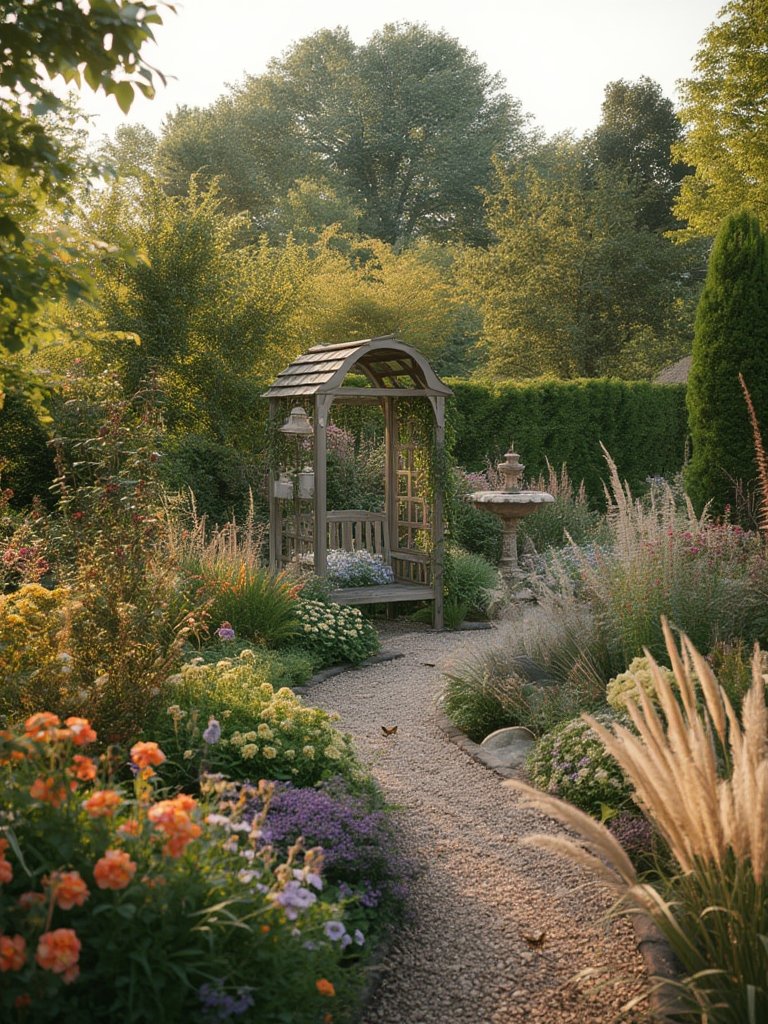
While many top guides skip over pest control, plant selection for year-round color, and actual costs, weaving in lessons from recent industry reports and native pollinator movements fills these gaps. For front yard projects, mind HOA or neighbor skepticism—maintain tidy edges and focal points so your romantic mess still feels intentional.
Authentic English cottage garden inspiration comes from both history and cutting-edge biodiversity trends (source). Don’t chase Instagram perfection—embrace abundance, adapt to your microclimate, and expect change each year.
Conclusion
Cottage garden design is as much about mindset as plant lists: you’re cultivating a relaxed, layered space where pollinators and people both thrive. Start with good bones—curved paths, trellises, evergreens—then layer in waves of color and scent for continuous pleasure.
Ready to start? Begin with a single border and try out one hack above to add instant cottage charm. With the right plan, your own cottage garden design becomes a sustainable, rewarding haven—full of surprise and delight every season.
Start transforming your outdoor space today!
Frequently Asked Questions
Is a cottage garden design high maintenance for beginners?
For the first year, yes—it requires regular watering, weeding, and plant care, especially while perennials and groundcovers become established. After the initial setup, maintenance drops if you use dense and native plantings. Plan 1-2 hours per week, scaling back as the garden fills in.
What’s the cheapest way to start a cottage garden?
Start small. Use annual wildflower seeds, swap plants with neighbors, and mulch thickly to suppress weeds. Focus on a single bed or border the first year and expand gradually as your budget allows.
Can I have a cottage garden design in shady or small yards?
Absolutely. Many shade-tolerant flowers (hostas, ferns, astilbe) and dwarf shrubs work in cottage-style gardens. For small spaces, focus on vertical structure with trellises, hanging baskets, and layered container plantings for the lush look.
How do I keep a cottage garden from looking messy or neglected?
Frame borders with tidy edges of brick, stone, or mown paths. Use evergreen shrubs or ornamentals for structure. Prune or divide plants that get too large, and add focal elements like an arbor or bench to show intention.
Are cottage garden plants good for pollinators?
Yes—if you prioritize native wildflowers and include a variety of shapes, bloom times, and nectar-rich perennials. Add milkweed for monarchs and rotate with regionally-appropriate species for year-round pollinator support. For more, see the native pollinator plants guide.