

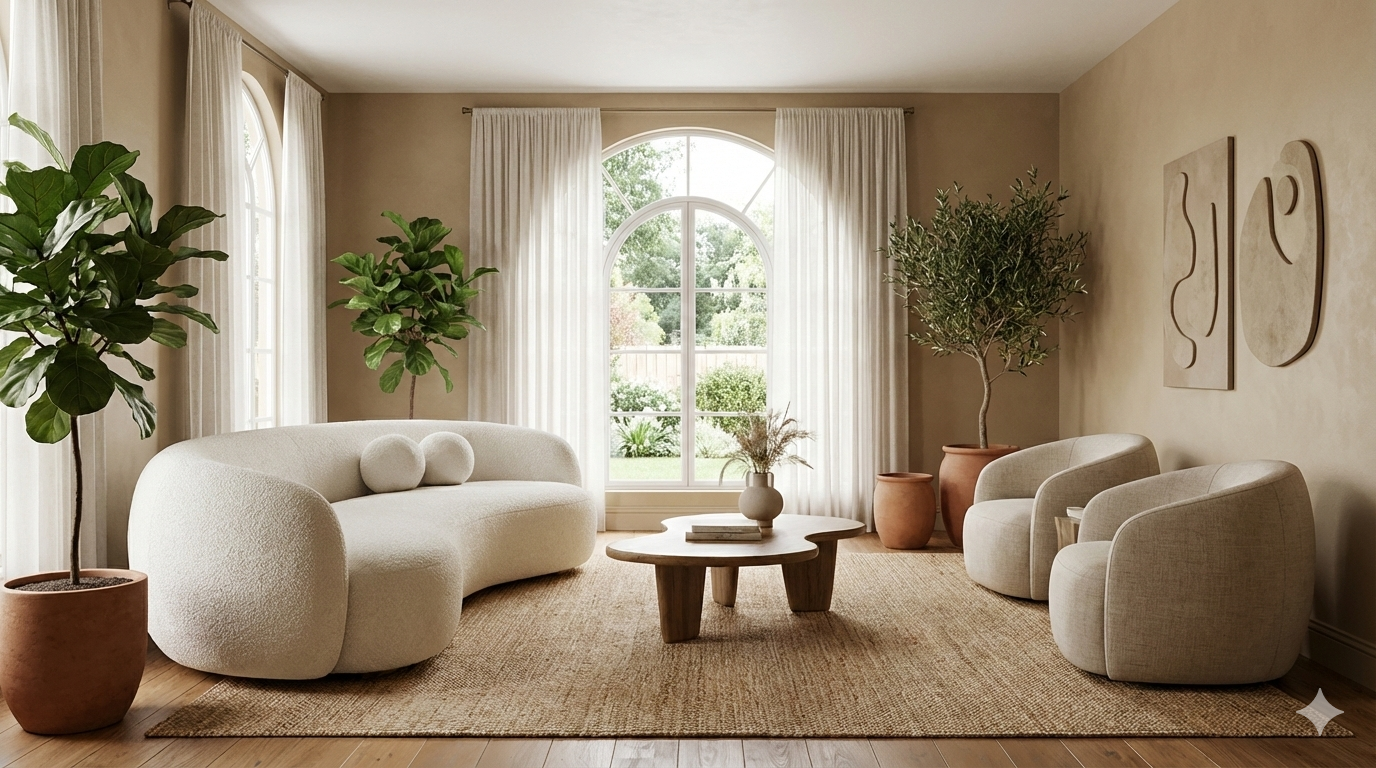
Organic modern living room design is transforming how homes feel and function, blending natural materials with sculptural shapes for a look that’s both inviting and up to date. If you want to bring calm, comfort, and quiet confidence into your most-used space, here’s how to get it right from the start—plus what mistakes to avoid.
Key Takeaways
- Organic modern living rooms prioritize sculptural curves, layered textures, and biophilic design for calming, current interiors.
- Choosing sustainable materials such as rattan, reclaimed wood, linen, and stone is central to this style’s appeal and wellness benefits.
- Success requires smart planning—combining natural elements with function, managing costs, and avoiding common pitfalls like poor lighting or impractical layouts.
- The Core Concept: What Makes an Organic Modern Living Room?
- Step-by-Step Guide: Creating Your Organic Modern Living Room
- Advanced Analysis & Common Pitfalls
- Conclusion
- Frequently Asked Questions
The Core Concept: What Makes an Organic Modern Living Room?
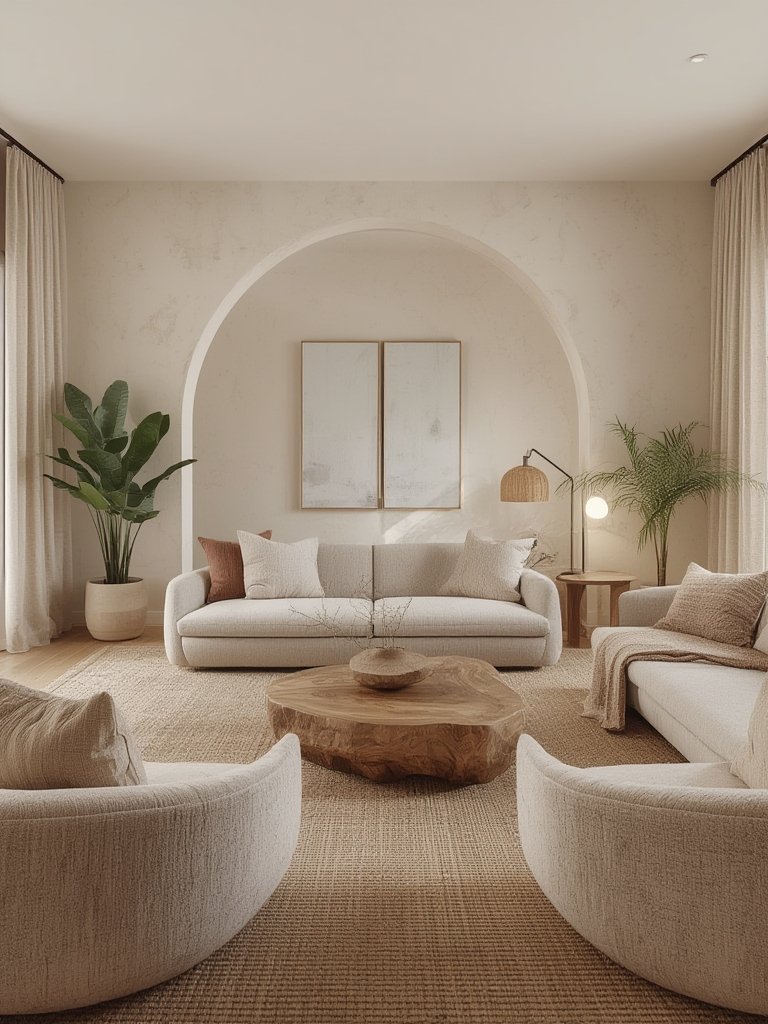
Organic modern living room style blends modern lines with the timeless beauty of nature. Instead of harsh minimalism or endless gray, you’ll find sculptural, rounded sofas, warm textures, earthy tones, raw woods, woven fibers, and the sense of a calming, lived-in environment. This trend is dominating leading style reports and is recognized as a top choice among design professionals for 2025 and beyond (source).
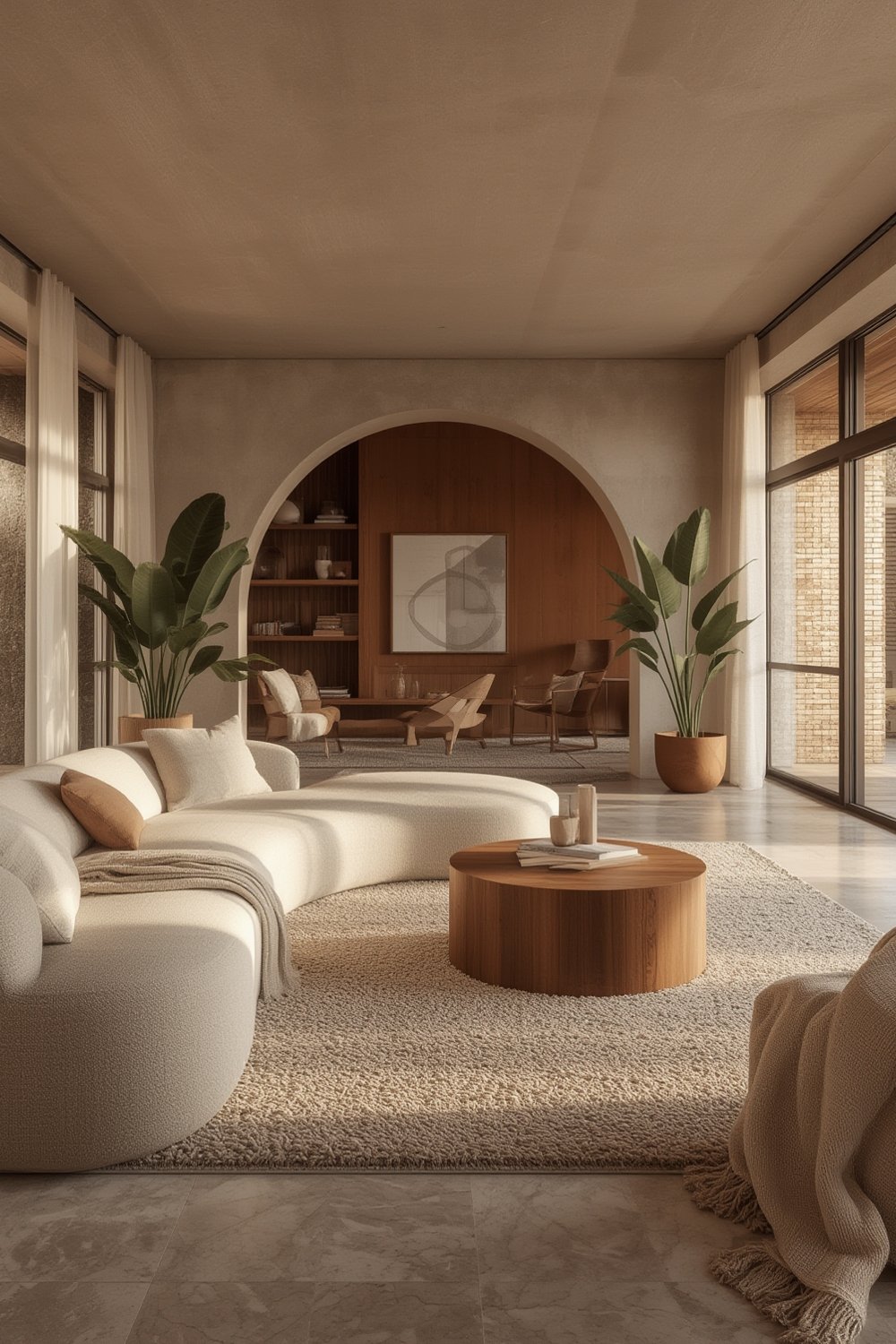
Key elements include:
- Curved, sculptural furnishings: Rounded sofas, arched shapes, and cylindrical tables create softness (source).
- Natural materials: Embrace reclaimed wood, bamboo, jute, stone, linen, cork, and ceramics for authentic texture (source).
- Earthy and warm color palettes: Think mocha, stone gray, terracotta, and creamy neutrals.
- Biophilic design: Abundant natural light, live greenery, and tactile finishes boost well-being (source).
- Layered, touchable surfaces: Use plush wool, airy linen, rugged stone, and smooth plaster for depth (source).
This approach works especially well in living rooms, where comfort meets showpiece style. It’s the opposite of “all white everything” and instead favors depth, soul, and a sense of nature indoors.
For an even deeper dive into bringing authentic materials and plant life into your interiors, check this practical guide to biophilic design at home.
Step-by-Step Guide: Creating Your Organic Modern Living Room
Here’s how to build an organic modern living room that’s both beautiful and functional—without getting overwhelmed or lost in theory.
- Define your color palette.
Choose warm neutrals, terracotta, mocha, creamy whites, and earthy greys. Paint walls in a matte or limewash finish for warmth. Find inspiration from color drenching ideas to get cohesive color throughout your living room.
- Select sculptural, curved seating.
Opt for rounded couches and soft-edged chairs. Stay clear of sharp right angles and hard lines—these visually interrupt the organic flow.
- Choose natural/eco-friendly materials for major pieces.
Prioritize real wood (ideally reclaimed), rattan, bamboo, stone, and linen. Mix in jute rugs and ceramic decor. Not only do these look beautiful, but they often age well if maintained.
Not sure about flooring? Check out the pros and cons of peel-and-stick tiles for a simple, surprisingly organic-looking option if you’re on a budget.
- Layer tactile textures.
Use a mix of plush throws, linen curtains, bouclé cushions, and textured plaster or paneling. This adds instant warmth and keeps the look from getting flat.
- Bring in biophilic touches.
If you can, maximize natural light. Add large potted plants or even a plant wall for drama. Natural elements can also include stone accent tables, wooden bowls, or other crafts. See the full benefits and mistakes to avoid in the biophilic living room guide.
- Optimize your lighting.
Combine overhead (pendant or flush ceiling) lights with floor lamps and wall sconces in natural finishes. smart bulbs can help create mood, reduce energy consumption, and layer light for evening comfort. Reference more tips in this practical smart lighting installation article.
- Choose art and decor that echo the theme.
Select pieces in natural materials and organic shapes—think woven wall hangings, large pottery, or stone sculptures. Avoid over-accessorizing; keep it intentional.
- Make storage solutions part of the look.
Use open wood shelving, woven baskets, or built-ins in natural materials. For compact spaces, kitchen storage ideas can often be adapted as living room solutions.
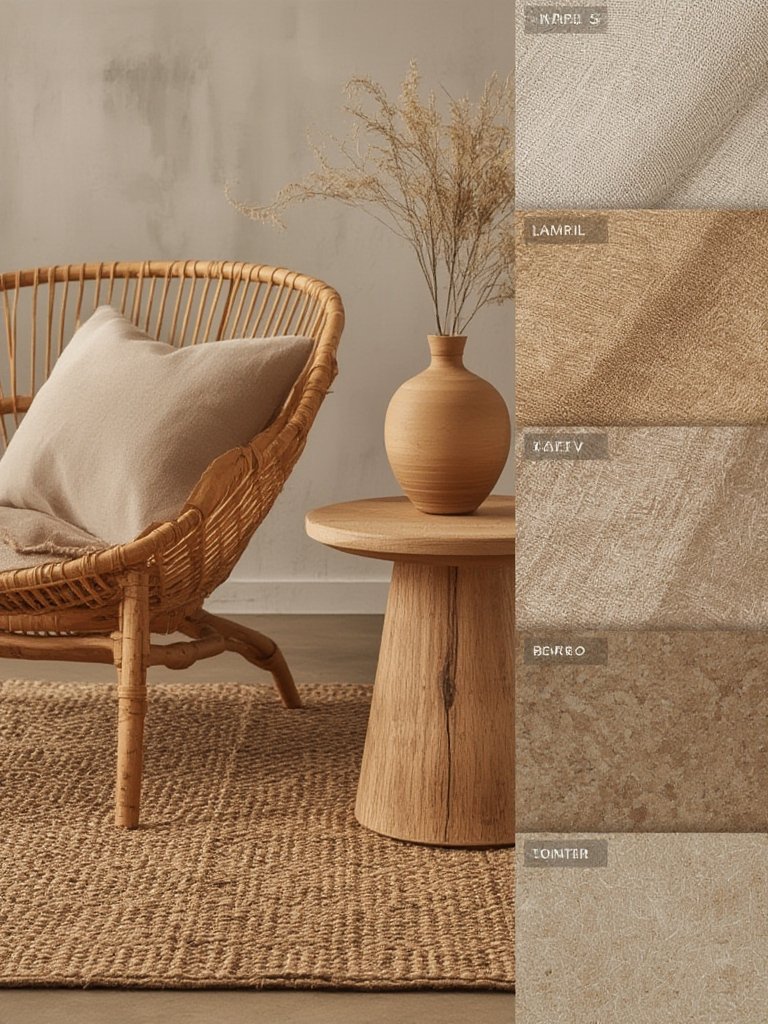
Finishing touches might include a hand-thrown vase, an earthy candle, or minimalist, curved shelving. Remember, even small swaps—like trading a glass coffee table for a live-edge wood slab—make a strong organic statement.
Advanced Analysis & Common Pitfalls
It’s easy to get swept up in Instagram inspiration, but real living rooms have real-life challenges. Here are the biggest pitfalls to watch for—and what to do instead.
- Too many trends, not enough practicality: Chasing every organic modern trend (curves, plants, limewash, rattan) can lead to clutter or an unfinished space. Prioritize function—especially seating, traffic flow, and storage.
- Ignoring durability and maintenance: Real wood, linen, and unsealed stone require care. If you have kids or pets, select durable weaves and sealed finishes where needed. Peel-and-stick options are good budget swaps but watch out for longevity issues (peel-and-stick tile problems).
- Poor lighting makes natural textures look flat: Layered, dimmable light is crucial to seeing (and enjoying) all those beautiful textures in the evening. Smart bulbs make this easy and cut energy bills (smart lighting tips).
- Lack of budget planning: Natural products often cost more upfront. Make a realistic budget (or see the DIY renovation budgeting guide) to prevent half-finished rooms.
- Forgettable accent walls or flooring: Flat painted walls can look cold. Consider tactile options like limewash (limewash paint guide) or terracotta tile (terracotta tiles guide) for warmth and depth.
| Element | Organic Modern | Traditional/Conventional | Real-World Downside/Watch-out |
|---|---|---|---|
| Sofas & Chairs | Curved, rounded shapes, linen or bouclé | Boxy, straight lines, synthetic fabric | Bouclé and linen stain/tear easily. Consider slipcovers or tighter weaves in high-use homes. |
| Flooring | Reclaimed wood, stone tile, cork | Laminate, carpet, engineered hardwood | Natural stone and wood need proper sealing and more care. Prone to scratching if not professionally finished. |
| Decor & Accents | Rattan, ceramics, live plants | Plastic, synthetics, faux plants | Live plants may be hard to maintain, especially in low light. Faux can look cheap unless top quality. |
| Walls | Limewash, textured plaster, wood panel accent | Standard flat paint | DIY limewash or microcement can be tricky—practice first or hire out for large walls. |
| Budget | Moderate to high (for real wood, natural stone, hand-thrown decor) | Low to moderate (factory materials) | Hidden costs for delivery, installation, sealing, and upkeep. |
If you want to ensure smart spending, see our full renovation budgeting and contractor selection guide.
Conclusion
An organic modern living room provides a serene, beautiful environment that encourages relaxation and well-being—when you get the details right. By focusing on genuine materials, sculptural forms, cohesive color, and functional layout, you can create a space that feels both timeless and right for today.
Ready to start your own organic modern living room makeover? Begin by selecting your favorite natural material or shape, and make small, intentional changes. For more hands-on design tips and product recommendations, check out our other guides or leave a question below.
Frequently Asked Questions
What is the difference between organic modern living room and Scandinavian style?
Organic modern living room focuses more on curvy, sculptural shapes and richly layered natural textures, using tons of earthy colors. Scandinavian leans minimal, with pale woods, straight lines, and cool, airy palettes. Both prioritize comfort and light but approach it differently.
Are there affordable ways to get the Organic modern living room look?
Absolutely. Try mixing thrift-store finds, peel-and-stick flooring, and IKEA or big-box pieces in natural finishes. DIY limewash paint, secondhand wood furniture, and swapping out plastic for woven baskets are all budget-friendly upgrades.
What’s the best flooring for an organic modern living room?
Reclaimed wood and sealed stone are top choices for authenticity and durability, but cork and high-quality peel-and-stick tiles work especially well for renters or anyone on a budget.
How do I keep my space from feeling cluttered?
Limit your color palette to four or five shades, swap out unnecessary decor, and prioritize functional storage (like open wood shelving and woven baskets). Keep traffic flow clear, and choose fewer, larger decor pieces rather than lots of small items.
What lighting works best in an organic modern living room?
Use a mix of ceiling fixtures, dimmable floor and table lamps, and wall sconces in natural finishes. Smart lighting makes mood tweaks easy—see our smart lighting installation guide for step-by-step help.