


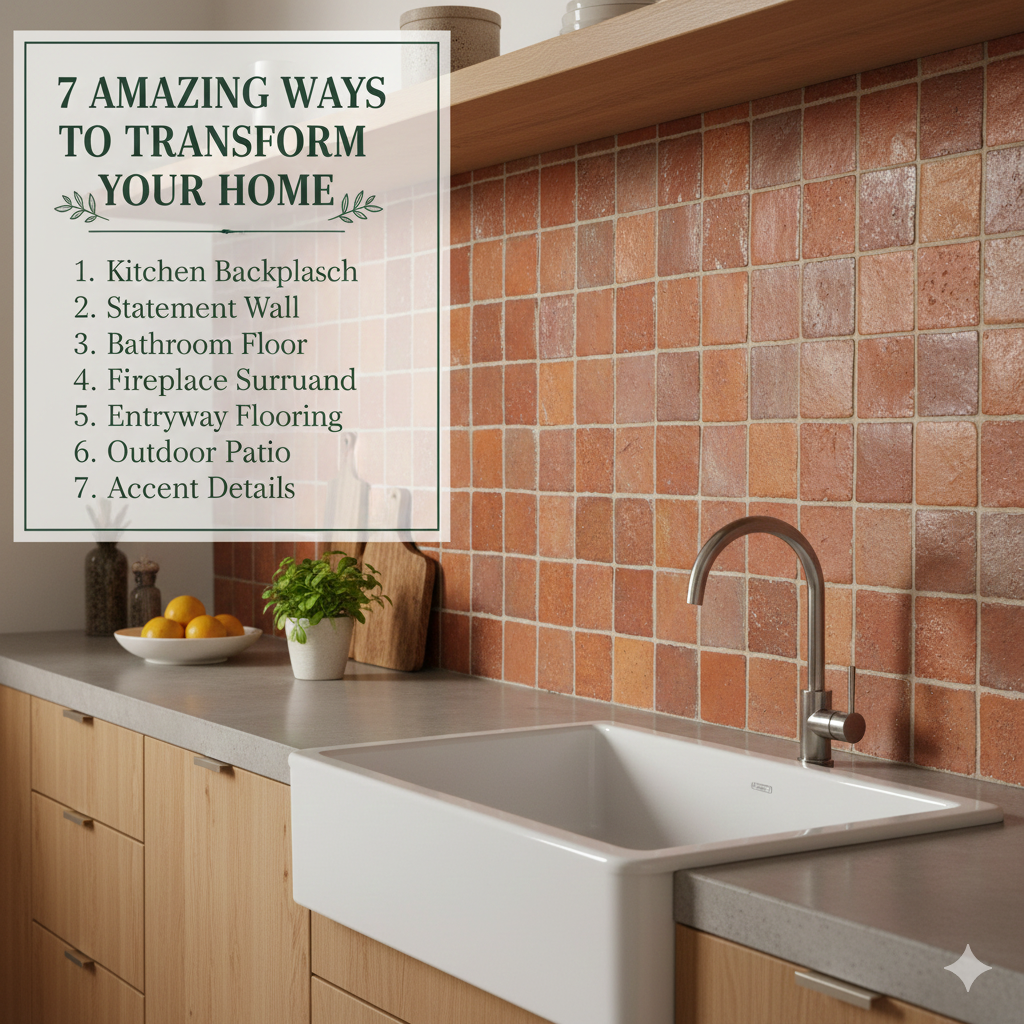
Terracotta textured tiles have become a sought-after choice for modern homes that crave warmth, texture, and a nod to timeless artisan craftsmanship. Homeowners and designers are gravitating toward these tiles for kitchen backsplashes, statement bathrooms, and eco-conscious renovations. But what should you really expect from them—and are they right for your next project?
Key Takeaways
- The global terracotta tile market hit $12.3 billion in 2024, with growing demand for textured and artisanal finishes in both North America and Europe.
- Terracotta textured tiles bring unique beauty and character, but you must consider maintenance, installation, and real-world durability before committing.
- Understanding the distinction between handmade and mass-produced tiles, as well as compatible design elements and sourcing, is crucial for lasting results.
- What Are Terracotta Textured Tiles and Why Use Them?
- How to Plan and Install Terracotta Textured Tiles: A Step-by-Step Guide
- Advanced Analysis & Common Pitfalls with Terracotta Textured Tiles
- Conclusion & Next Steps
- Frequently Asked Questions
What Are Terracotta Textured Tiles and Why Use Them?
Terracotta textured tiles are clay-based tiles that showcase tactile surfaces, natural color variations, and a handcrafted look. Unlike their mass-produced, uniformly finished ceramic cousins, these tiles can feature ridges, uneven edges, and a matte, touchable feel. Originating in artisan centers like Italy, Spain, and southern France, they’re lauded for their durability and earthy tones that evolve beautifully with age.
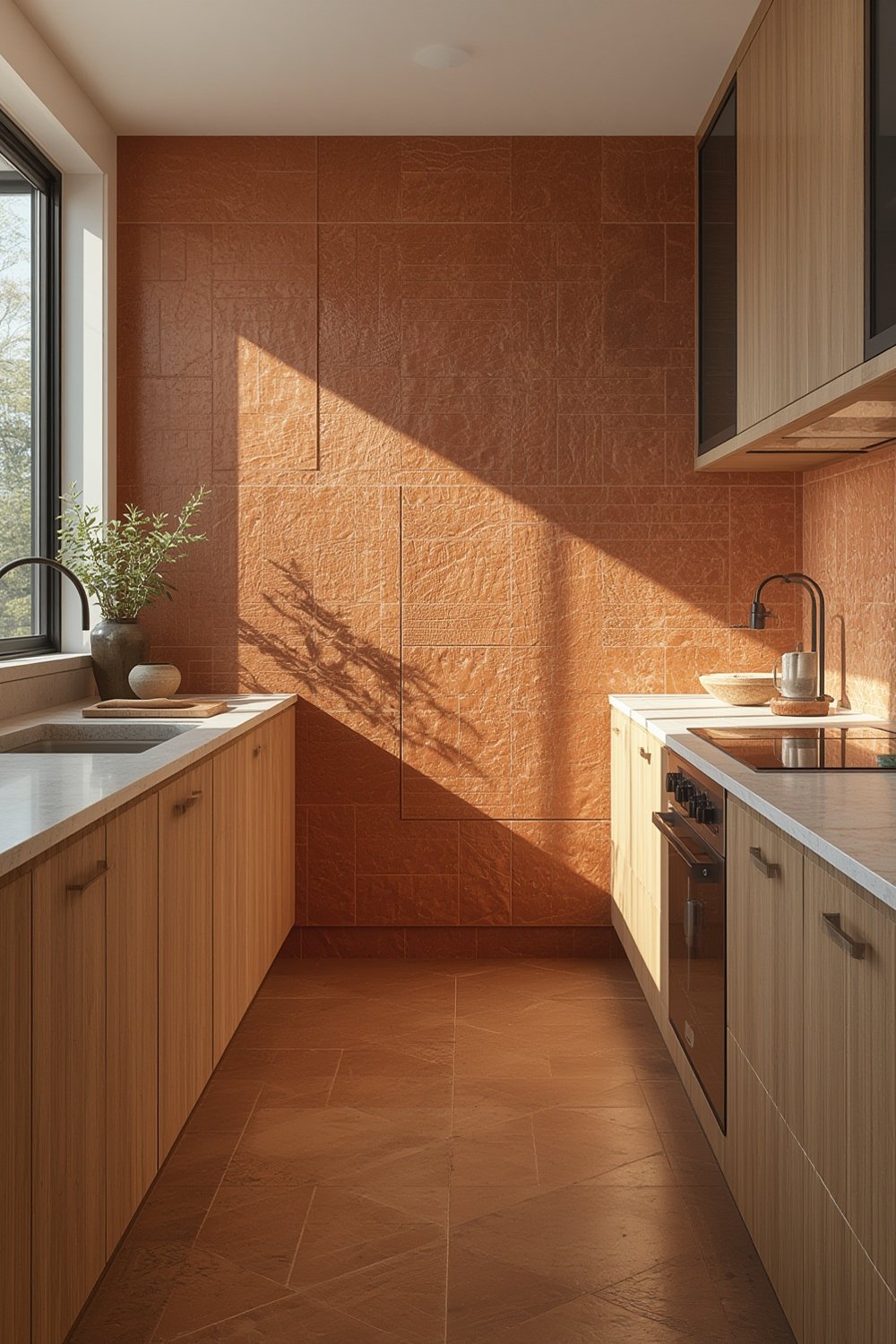
In 2024, the global terracotta tiles market grew to $12.3 billion, indicating escalating popularity, especially with the rise of eco-friendly renovations in California and traditional applications in Europe (source). Terracotta’s porous nature gives tiles an authentic, organic appearance that aligns well with biophilic designs and vintage-inspired interiors.
Homeowners choose these tiles for unmistakable charm, warmth underfoot, and the ability to shape personalized spaces. If you’re eyeing a kitchen remodel or a spa-like bathroom retreat, terracotta textured tiles deliver old-world beauty—just know that their unique qualities require considered planning and maintenance compared to standard tile options.
For a wider perspective on using natural materials in home design, see our biophilic design home guide.
How to Plan and Install Terracotta Textured Tiles: A Step-by-Step Guide
Getting the most from terracotta textured tiles means carefully managing installation, design pairing, and ongoing care. Here’s how to do it right:
- Assess Your Application. Where will these tiles go? Backsplashes, bathrooms, and even fireplace surrounds are common. In high-moisture areas, be ready to use sealants and select grouts that handle water exposure.
- Choose Your Tile Source Carefully. Authentic terracotta tiles from Italy, Spain, or southern France offer richer color and better craftsmanship, but supply chain issues can impact availability or lead times. Mass-produced alternatives cost less but usually lack unique texture.Tip: Confirm with the supplier if your tiles are truly handmade or machine-pressed—ask for a sample whenever possible. For authentic options, check specialty importers or artisan workshops.
- Design for Imperfection. Your layout should intentionally highlight the tile’s natural variation and subtle color differences. Avoid straight, rigid grid patterns—instead, try staggered brickwork or a mix-and-match approach for genuine warmth.
- Select the Right Grout & Sealant. Use grout colors that complement the earthy palette—avoid bright whites that can clash or highlight minor inconsistencies. Always apply a penetrating sealer before and after grouting to repel stains and minimize water saturation.
- Installation Matters. Terracotta textured tiles aren’t always uniform, which can frustrate DIYers. Dry-fit (lay out) your tiles first, adjusting for size variations. Hire an installer experienced with uneven, handmade tiles for best results.
- Plan for Ongoing Maintenance. Regularly reseal tiles in moisture-prone zones and spot-clean stains immediately. These tiles will develop a lived-in patina; embrace it as part of the style, not a design flaw.
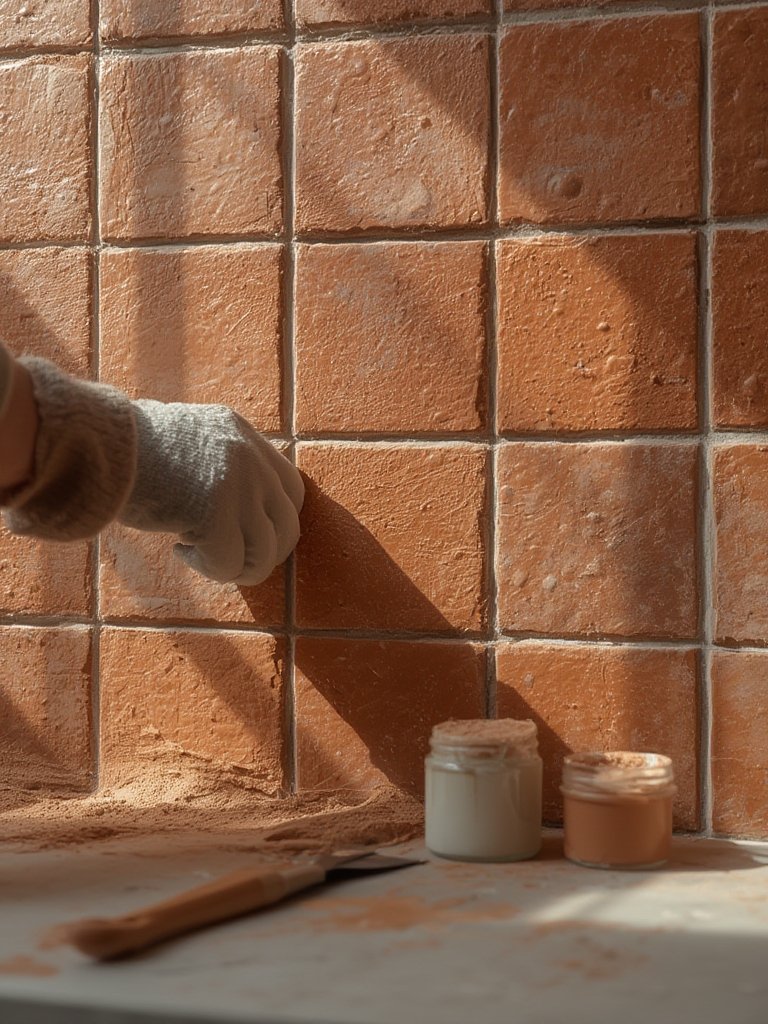
If you’re uncertain about tackling a tile installation solo, or just want a professional finish, see our advice for selecting smart contractors and budgeting for home renovations.
Looking for a fast, low-commitment alternative? Consider peel-and-stick floor tiles—an option for renters or temporary upgrades.
Advanced Analysis & Common Pitfalls with Terracotta Textured Tiles
Enthusiasm for terracotta’s character and texture sometimes overshadows very real challenges:
- Porosity and Water Absorption: Terracotta is naturally absorbent. If not carefully sealed (and resealed over time), stains, mold, or efflorescence (white streaks) can develop—especially in kitchens and bathrooms.
- Color Inconsistency: Expect batch-to-batch variation, especially in handmade tiles. While many love this “perfectly imperfect” look, it can be jarring if you want uniformity.
- Installation Difficulties: Uneven thickness and slightly irregular edges challenge even skilled installers. DIY projects risk uneven grout lines and lippage (edges sticking up).
- Maintenance Commitment: Terracotta textured tiles need periodic cleaning with pH-neutral products and re-sealing yearly in high-traffic or wet areas. Acidic cleaners or abrasive scrubbing can damage the tile surface.
- Market Cost Transparency: Unlike standard ceramic tiles, pricing for authentic terracotta tiles is less predictable and depends on source, finish, and installation complexity—up-to-date price data is rarely published (source).
Comparing Terracotta Textured Tiles with Other Artisanal Tiles: Durability, Water, and Stain Resistance
| Tile Type | Durability | Water Resistance | Stain Resistance | Maintenance Needs |
|---|---|---|---|---|
| Terracotta Textured Tiles | Good (becomes more rugged with age) | Moderate (requires thorough sealing) | Moderate (porous—can stain if unsealed) | High (yearly resealing; gentle cleaning) |
| Zellige Tiles | Fair-Good (can chip at edges) | Better than terracotta (semi-glazed) | Better—less porous but still requires sealing | Medium (regular cleaning, less resealing) |
| Moroccan Tiles | Good (denser than basic terracotta) | Good (often glazed) | Good (some are sealed at factory) | Medium |
| Fish Scale Tiles | Excellent (ceramic or porcelain base) | Excellent (low porosity if glazed) | Excellent (easy to wipe clean) | Low |
Note: Comparative data are based on typical manufacturer specifications and collective installer experience—the field lacks standardized lab testing for artisanal options.
Seeking more guidance on boosting home value through smart materials and styling? Check out our outdoor living space ideas and the biophilic design home article for inspiration with organic finishes and authentic touches.
Hidden Issues: What Most Articles Don’t Address
- Grout Selection: Very few guides discuss which grout works best or the importance of matching flexibility, color, and waterproofing components for terracotta’s porous edges.
- Sustainable Sourcing: The carbon footprint and social impact of imported versus local handmade tiles remain under-discussed—yet matter deeply for eco-conscious remodels.
- Stylistic Compatibility: Achieving cohesive designs with terracotta textured tiles and other vintage or modern finishes is rarely explored. It’s essential to test tile samples against paint colors, cabinetry, and countertops before committing.
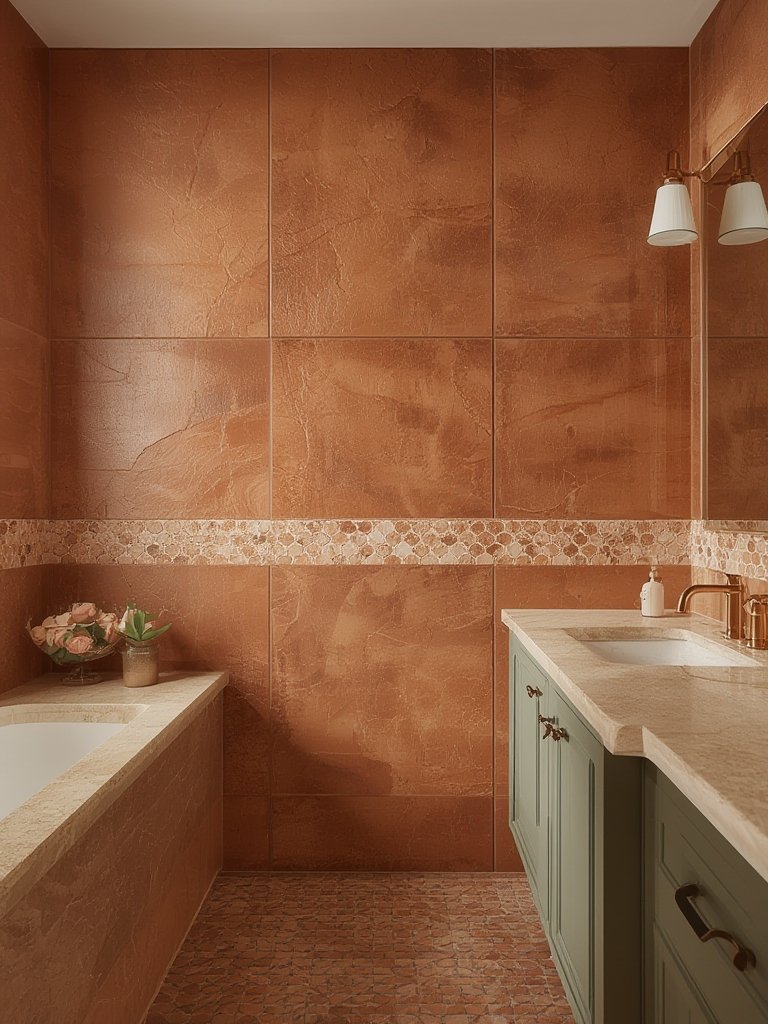
For those planning a full bathroom transformation, our spa like bathroom design guide breaks down practical upgrades that work alongside natural tile choices.
Conclusion & Next Steps
Terracotta textured tiles can elevate a kitchen, bathroom, or living space with unmatched personality and tactile appeal. Their popularity is surging for good reason, but setbacks like tricky installation, batch variation, and routine sealing should inform your decision. Always weigh the character and warmth these tiles provide against the demands of real-world maintenance, and never hesitate to consult experts if you’re unsure.
Ready to start your own project with terracotta textured tiles? Explore more guides on smart renovation, material choices, and design upgrades in our Complete Guide to Home Renovation.
Frequently Asked Questions
Are terracotta textured tiles suitable for showers or wet areas?
They can work in wet areas like showers if thoroughly sealed—and resealed annually. You must use high-quality waterproof grout. Even then, expect more maintenance than with porcelain or glazed ceramic options.
Do terracotta tiles always look rustic, or are modern looks possible?
Most terracotta textured tiles lean rustic or vintage, but creative layouts, minimalist fixtures, and seamless grout lines offer a contemporary twist. Request samples to see how the color and texture fit your space.
What are typical costs for authentic terracotta textured tile installation?
Costs vary widely based on supplier, region, and whether tiles are handmade or mass-produced. Handmade imports are significantly pricier than standard tiles, and installation costs are higher due to extra labor.
How often do I need to reseal terracotta textured tiles?
In kitchens and bathrooms, reseal at least once per year to protect against stains and moisture. Resealing less often is possible in low-traffic, dry spaces, but monitor for visible dullness or absorption.
Can I install terracotta tiles myself, or should I always hire a pro?
DIY installation is possible, but success depends on patience and skill with uneven, handmade tiles. If you want sharp lines and minimal lippage, a pro with experience in vintage or artesian tilework is recommended.