


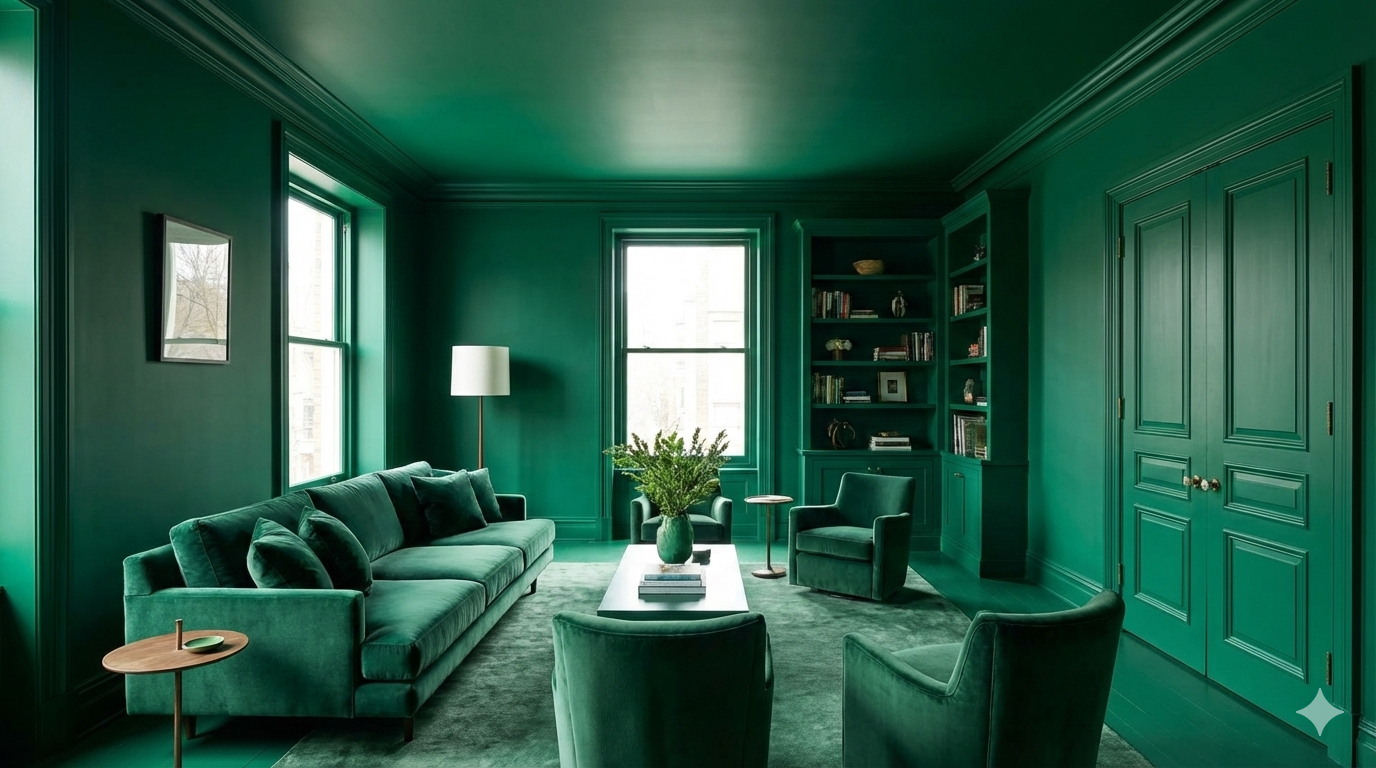
Color drenching walls is transforming how designers and homeowners approach interior spaces in 2026. This bold painting technique covers walls, ceilings, trim, and more in a single, saturated hue—offering a modern alternative to traditional two-tone rooms.
Key Takeaways
- Color drenching walls is a leading 2024 design trend, creating immersive monochromatic spaces with visual drama.
- Success requires choosing the right color, experimenting with paint finishes, and careful technique for full-room coverage.
- Pitfalls include lighting challenges, difficulty with even finishes, and complexities in painting ceilings and trim.
- The Core Concept: What Is Color Drenching Walls?
- Step-by-Step Guide: How to Do Color Drenching Walls
- Advanced Analysis & Common Pitfalls
- Conclusion
- FAQ
The Core Concept: What Is Color Drenching Walls?
Color drenching walls means painting every static surface in a room—walls, ceiling, baseboards, trim, even doors and sometimes furniture—with the same hue. Unlike an accent wall or classic white woodwork, this look creates a united, enveloping effect. Designers like Cynthia Ferguson and Monica Fried feature this style in sophisticated homes, shifting away from all-white interiors into bold, monochromatic spaces that can feel both larger and more dramatic.
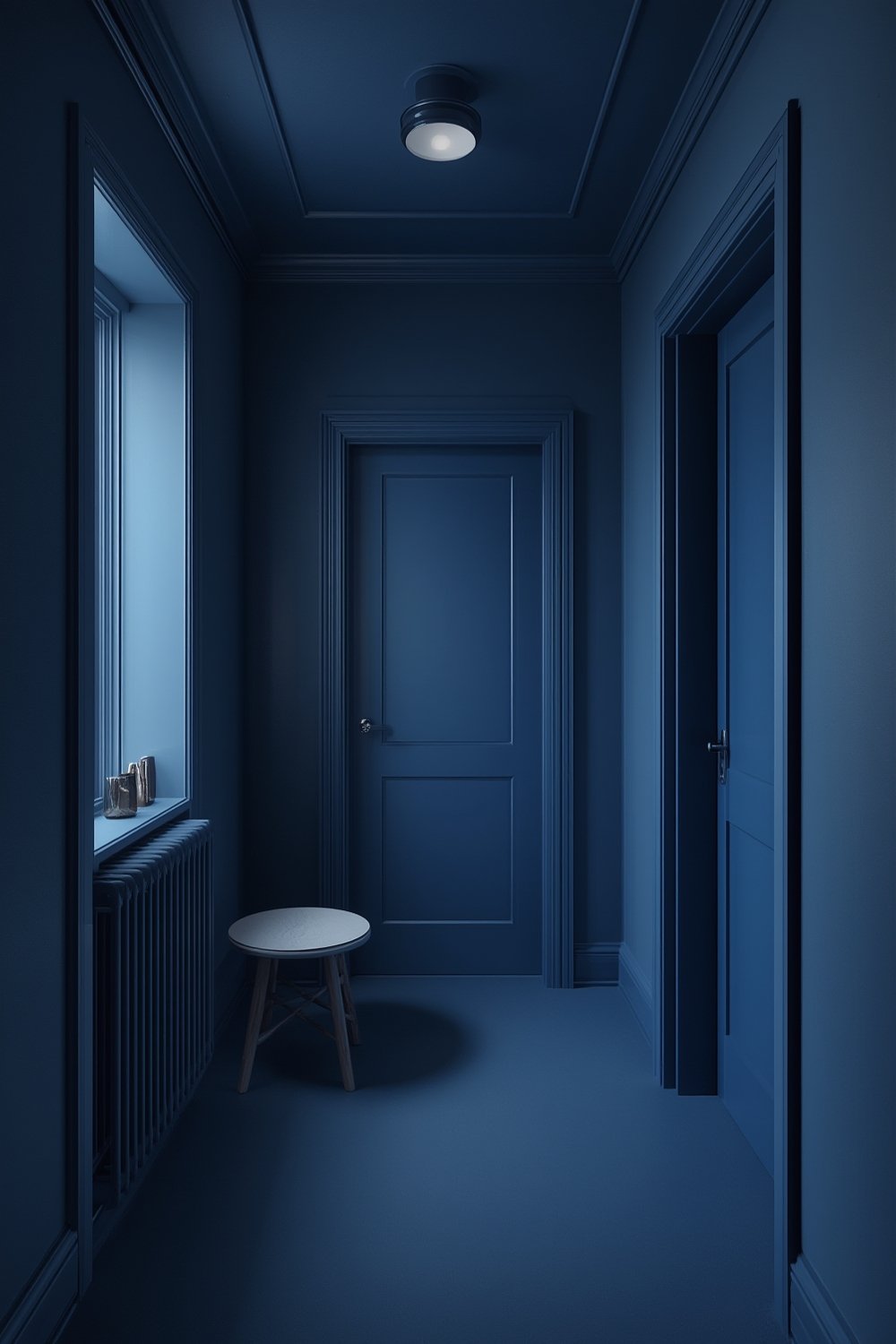
The appeal is clear in 2024 trend reports: color drenching walls visually expands small spaces, erases awkward architectural lines, and instantly modernizes dated rooms. According to Zoocasa and House & Home, this effect is particularly transformative in powder rooms, mudrooms, entryways, and any low-light or compact area. The technique isn’t a fleeting Pinterest fad—it’s cited as a must-try approach for those wanting a bold, clean-lined environment.
Monochromatic rooms can also be nuanced. Designers sometimes use slightly different finishes, or vary the shade intensity on select features, to add subtle depth within the main color family. For larger or multi-purpose rooms, partial color drenching walls ( and ceiling, or including built-ins but not interior doors) works well.
This is more than just a painting trick—it’s a modern strategy to enhance visual flow, conceal imperfections (like sloped ceilings or radiators), and infuse serious personality into any space.
Step-by-Step Guide: How to Do Color Drenching Walls
- Plan your color strategically.
Evaluate the mood you want: Warm, light hues suit dim, northwest-facing rooms, while dark cool tones are best in bright spaces. Test samples on different walls and observe at various times of day. Consider established favorites like Benjamin Moore Regent Green or Blue Nova for high-impact results (Olive & June Home). - Prep all surfaces, not just walls.
Remove or mask hardware, patch holes, sand trim, and clean thoroughly. Since you’ll be painting walls, ceilings, trim, doors, and architectural details one color, proper prep is non-negotiable. - Choose and vary finishes for visual interest.
Use eggshell or satin on walls, and semi-gloss on trim and cabinetry, so the room doesn’t appear flat. If painting woodwork or built-in shelves, consider pairing matte with gloss for subtle contrast, as suggested by House & Home. - Paint from ceiling downward.
Start with the ceiling, move to walls, then tackle trim and doors last. Use the same color for a seamless look, but switch brush/roller types as the surface dictates. - Consider layering shades of the same color.
For subtle dimension, layer adjacent tones—think lavender with plum, or sand with mocha—particularly in larger or multipurpose spaces. - Blend awkward features and flaws.
Paint over radiators, boxy built-ins, and even electrical panels so they disappear. This trick can make older rooms look more cohesive without costly remodeling. - Let dry and reassess in varied lighting.
After painting, observe the space at morning, midday, and night. Adjust with a second coat or minor hue changes if needed. - Accessorize sparingly.
Use statement lighting, metallic hardware, or a single bold rug. Let the monochrome backdrop do the heavy lifting.
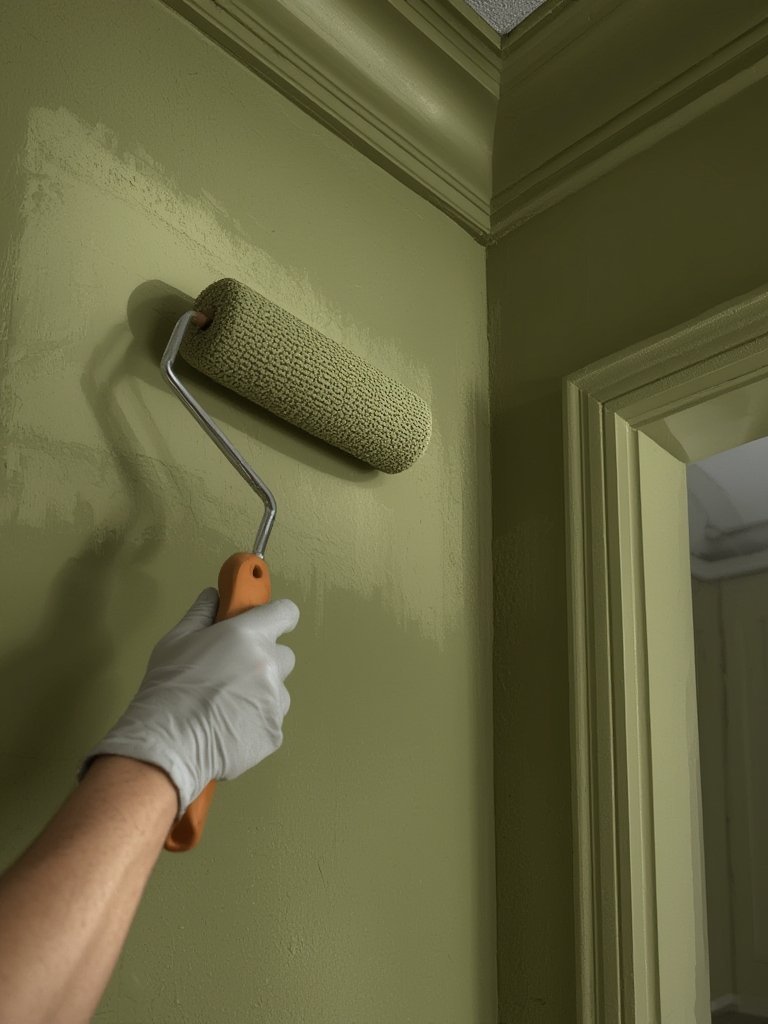
New to painting techniques? If you’ve tackled as far as peel-and-stick tile installation, you’ll find surface prep and diligent taping absolutely essential here too. For more full-room design inspiration and practical renovation tips, visit our Complete Guide to Home Renovation.
Even if you’re a renter, you can experiment with temporary upgrades similar to color drenching walls using removable wallpaper or painted furniture. Explore ideas in our Renter Friendly Home Upgrades guide.
Advanced Analysis & Common Pitfalls
Color drenching walls offers high-impact results, but the process isn’t without challenges. Most published sources praise the aesthetic, but real-world users and DIYers report limitations and hidden complexities, especially when trying this trend themselves.
Biggest Pitfalls to Avoid:
- Lighting reveals flaws: Full saturation on all surfaces will accentuate any wall or trim defects. Imperfect prep work is more visible under single-hue paint, especially glossy or semi-gloss finishes.
- Paint application is more demanding: Achieving a flawless finish across multiple surfaces—plaster, drywall, wood, metal, even radiators—takes patience and technique.
- Ceiling painting is physically challenging: Covering the ceiling the same color as the walls is a key step—skipping this ruins the cocoon effect, but painting overhead increases fatigue and error rates compared to standard wall painting.
- Hard to touch up: Touch-ups can stand out if the sheen or color batch doesn’t match perfectly, especially on high-gloss trim or doors.
Cost and Value Comparison
| Painting Method | Average Professional Cost* | Complexity | Materials Needed | Visual Impact |
|---|---|---|---|---|
| Color Drenching (all surfaces) | Not published, but less than wallpaper — see Zoocasa | High (ceilings, trim, etc.) | More paint (by 20-40%) | Very high, immersive, transformative |
| Traditional Two-Tone | Typically lower (walls only + white trim) | Medium | Standard wall + trim paint | Classic, less intense |
| Wallpaper/Full Remodel | Much higher | Very high | Wallpaper, adhesives/contractor labor | Depends — more pattern, texture possible |
*Professional cost data for color drenching is not published in major reports as of 2024.
Tips from Expert Practice
- Rooms with little natural light benefit most from lighter, warmer hues when color drenching walls.
- Test on a small space first, like a mudroom or powder bath.
- If mixing finishes, maintain exact color match between cans—even subtle differences become surprisingly obvious in an all-over application.
- Consider your use of peel and stick floor tiles or terracotta textured tiles as complementary upgrades after color drenching.
Psychological effects are mostly anecdotal: saturated single-color rooms can feel cozy, cocooning, or even make a room seem larger. For back-of-house areas, a deep or moody hue adds drama and a sense of retreat, as cited by Funcycled. There’s no definitive research, but colors like dark green, rich blue, or coral are favored by top pros.
Are you considering color drenching as part of a wider DIY home renovation budget strategy? Factor in the time and physical effort to paint ceilings and trim—saving money versus hiring a contractor could mean extra labor.
Conclusion
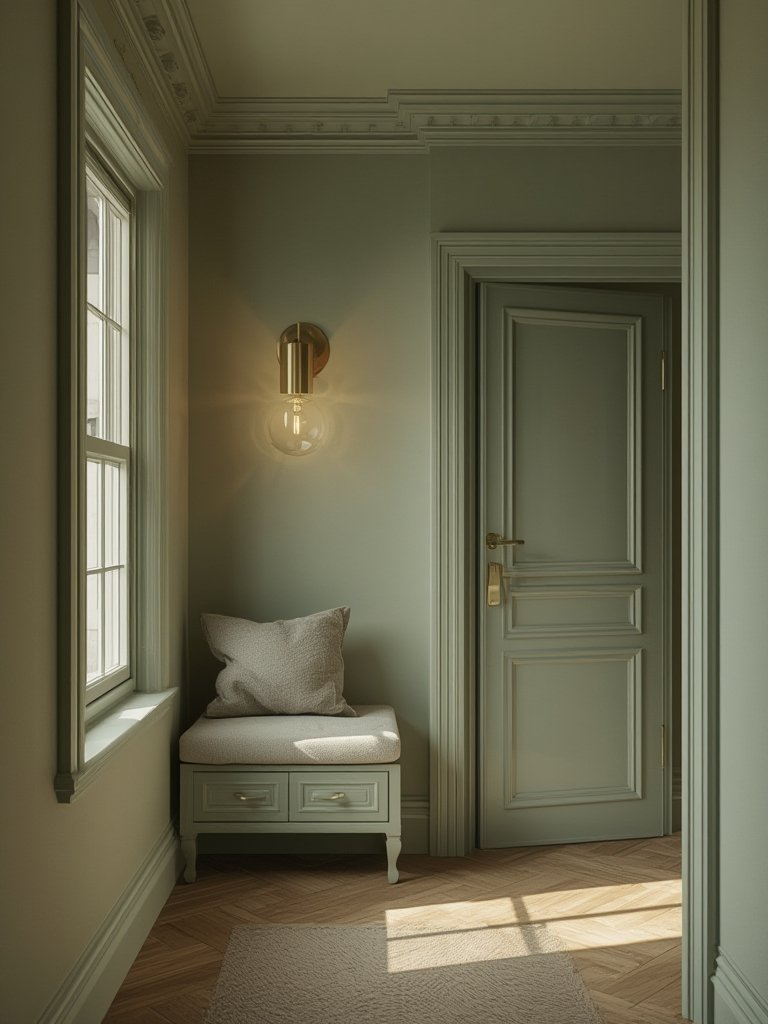
Color drenching walls is a dramatic, style-forward way to transform any room. With careful paint selection, surface prep, and application technique, the effect is seamless and high-impact. While it offers more design punch than classic two-tone rooms, color drenching does require more planning, stamina, and detail work—especially for ceilings and trim. Experiment in a small space, embrace varied finishes for rich dimension, and enjoy the bold statement this trend brings to modern interiors.
Ready to start your own color drenching walls project? Explore our guides to DIY peel-and-stick floor tiles, spa-like bathroom design, and biophilic home upgrades for more ways to elevate your space. Need a step-by-step approach or tips on contractor selection? Visit the Complete Guide to Home Renovation today!
FAQ
What types of rooms work best for color drenching walls?
Powder rooms, mudrooms, closets, and other small spaces are perfect for trying this trend. Larger rooms can be color drenched for drama, but the effect is most manageable (and budget-friendly) in compact areas.
Do I have to paint the ceiling the same color?
Yes. The immersive look only works when the ceiling matches the walls and trim. Skipping the ceiling disrupts the effect and creates an unfinished feel.
How do I maintain or clean color drenched walls?
Use a slightly damp, soft microfiber cloth for routine cleaning. For high-traffic areas, choose a scrubbable paint finish like washable matte or satin to make ongoing maintenance easier.
What paint brands and finishes are recommended for this technique?
Designers favor brands like Benjamin Moore for color depth and quality. Combine eggshell or satin on walls with semi-gloss on woodwork to avoid a flat appearance.
Can I use this approach in rental spaces?
If allowed by your landlord, yes. Otherwise, mimic the look with painted furniture, removable wallpaper, or colored textiles. For ideas, visit our renter-friendly upgrades guide.