


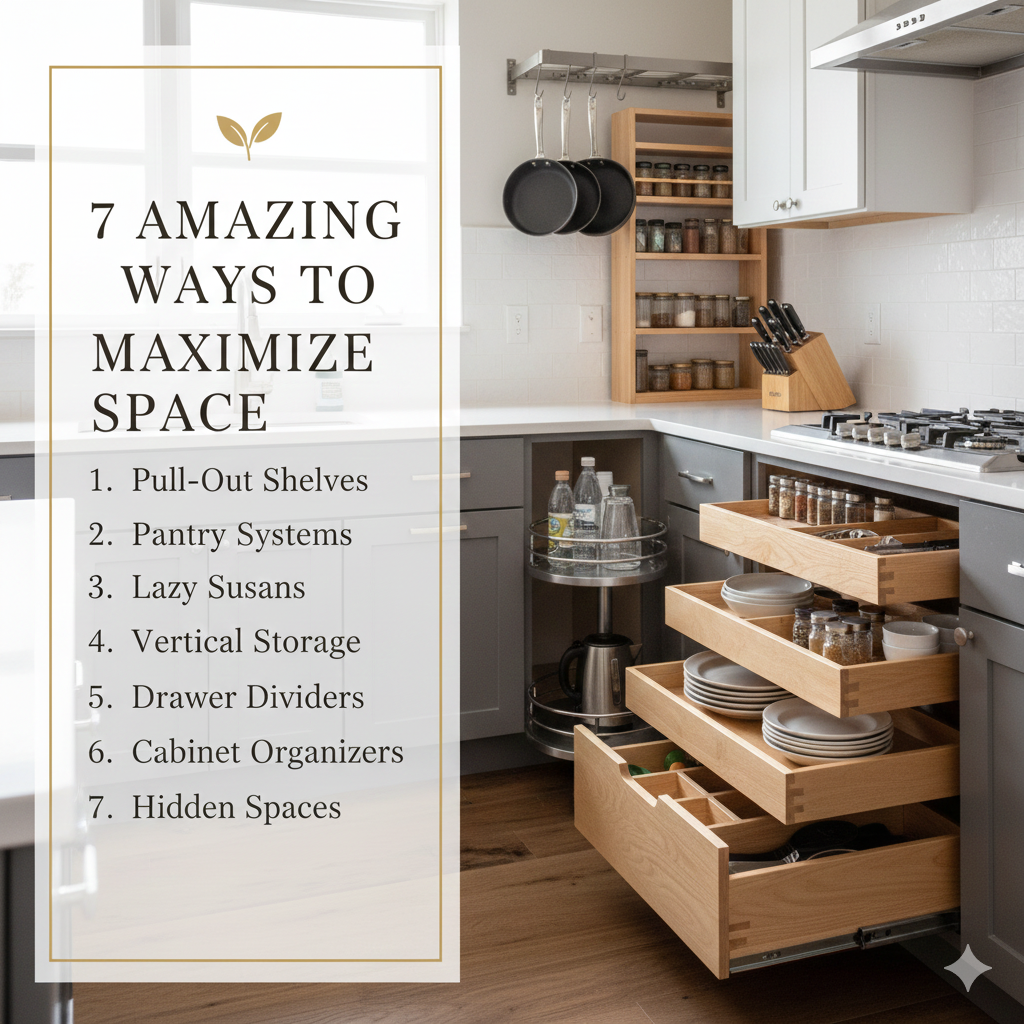
Kitchen storage solutions are more than just a nice-to-have; they’re crucial for maximizing every inch of space, reducing daily frustration, and keeping your kitchen functional for real life. If you’ve ever struggled with cluttered countertops, jammed cabinets, or awkward corners, this in-depth guide delivers research-backed strategies plus actionable tips for 2024’s most effective storage upgrades.
Key Takeaways
- Demand forkitchen storage solutions and organizing solutions is surging—market value hit over $137 billion in 2024, with custom pull-outs and pantry systems leading growth.
- Most common complaints are cramped cabinetry, wasted corner space, and poor accessibility; pull-outs, lazy susans, and modular organizers address these pain points.
- Costs and installation challenges vary widely, but careful planning prevents most technical pitfalls seen with retrofits and awkward layouts.
- What Are Kitchen Storage Solutions—and Why Do They Matter?
- Step-by-Step Guide: How to Optimize Your Kitchen Storage (2024)
- Advanced Analysis & Common Pitfalls: What Can Go Wrong?
- Conclusion: Making Kitchen Storage Work for You
- Frequently Asked Questions
What Are Kitchen Storage Solutions—and Why Do They Matter?
Kitchen storage solutions include pull-out shelves, modular organizers, lazy susans, vertical storage, and custom pantry systems designed to streamline how you access and organize everything—from utensils to small appliances. They matter because modern kitchens have to do more in less space, whether you’re in a suburban house, city apartment, or updating a short-term rental.
Unlike simply adding more cabinets, smart solutions optimize what you have. Analyst research confirms buyers care less about bigger cabinetry, and more about functional organization (see industry data here). Global demand for storage products grew from $131.4B in 2023 to $137.3B in 2024, and over two-thirds of this is driven by homeowners—not restaurants or commercial kitchens. In the US, the fastest-growing segment is drawer and cabinet organizers, up 2.75% annually.
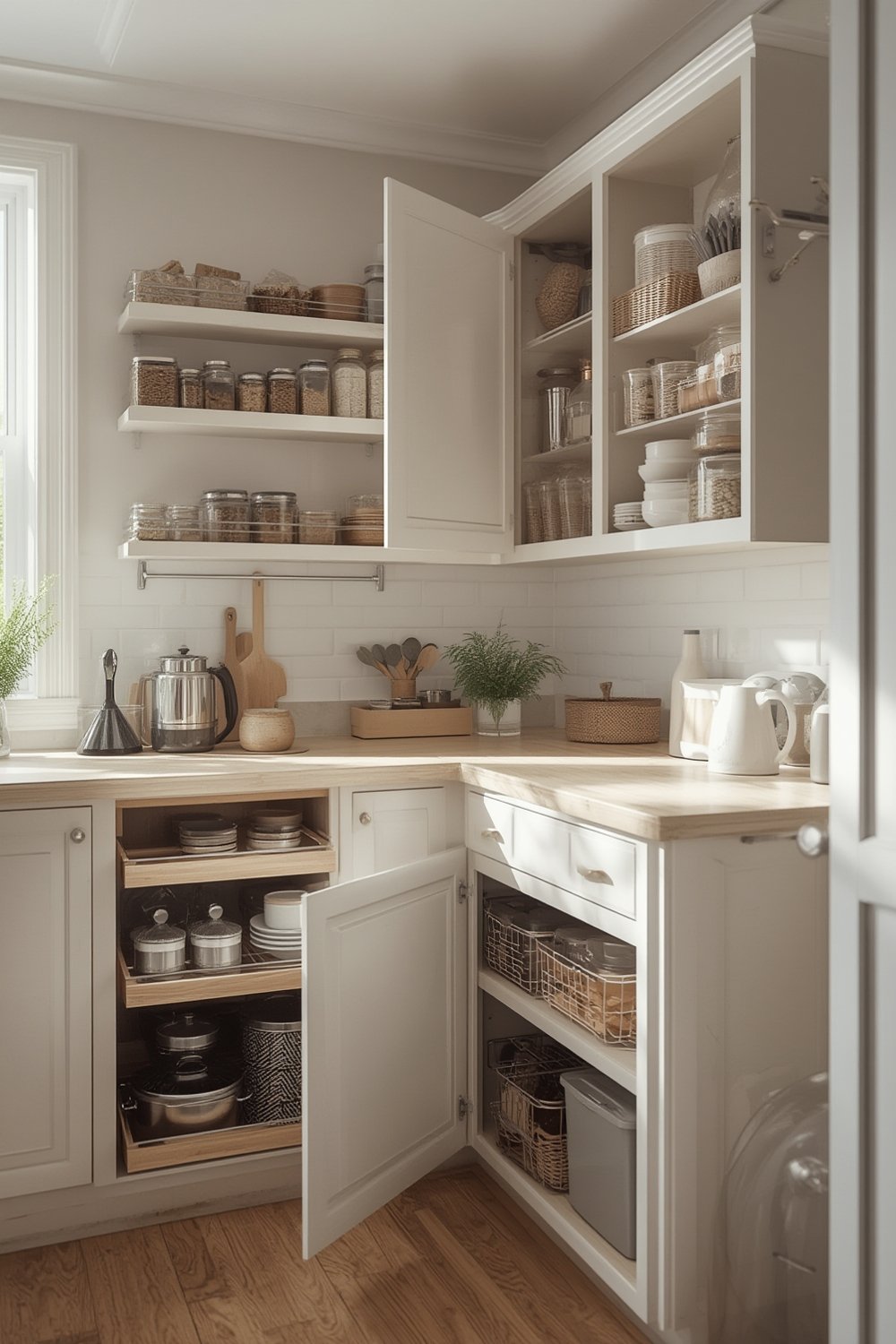
Organization solutions address these actual pain points:
- Limited cabinetry and pantries in smaller homes.
- Awkward corner cabinets that waste space.
- Inefficient access to items at the back of deep shelves.
- Cluttered countertops (especially in rentals and compact kitchens).
As more owners invest in home renovation projects, dedicated storage upgrades deliver tangible improvements for daily living, cooking efficiency, and even resale value. Done right, you use every inch—without a full kitchen remodel.
Step-by-Step Guide: How to Optimize Your Kitchen Storage (2024)
- Audit your kitchen’s problem zones. Open every cabinet and drawer. Are items inaccessible at the back? Are you bending or kneeling to reach daily-use pans? List what bothers you most—especially if you have small or oddly-shaped storage areas.
- Map out key solution types by pain point:
- pull-out shelves: For deep lower cabinets or pantry bases.
- lazy susans: For dead corners. Ideal for small appliances or spices.
- drawer organizers: For cutlery, utensils, and even upright spice storage.
- door-mounted racks: For lids, cleaning supplies, or cutting boards.
- Custom pantry organizers: For oddly-shaped or high-traffic pantries.
- Budget realistically. Mid-range pull-out shelves cost $80–250 each (materials only) or $150–450 installed. Custom pantry organizers start around $1,000 (install included). Don’t forget labor—tight corners or specialty hardware is pricier. For more, check out our insights in DIY Home Renovation Budget.
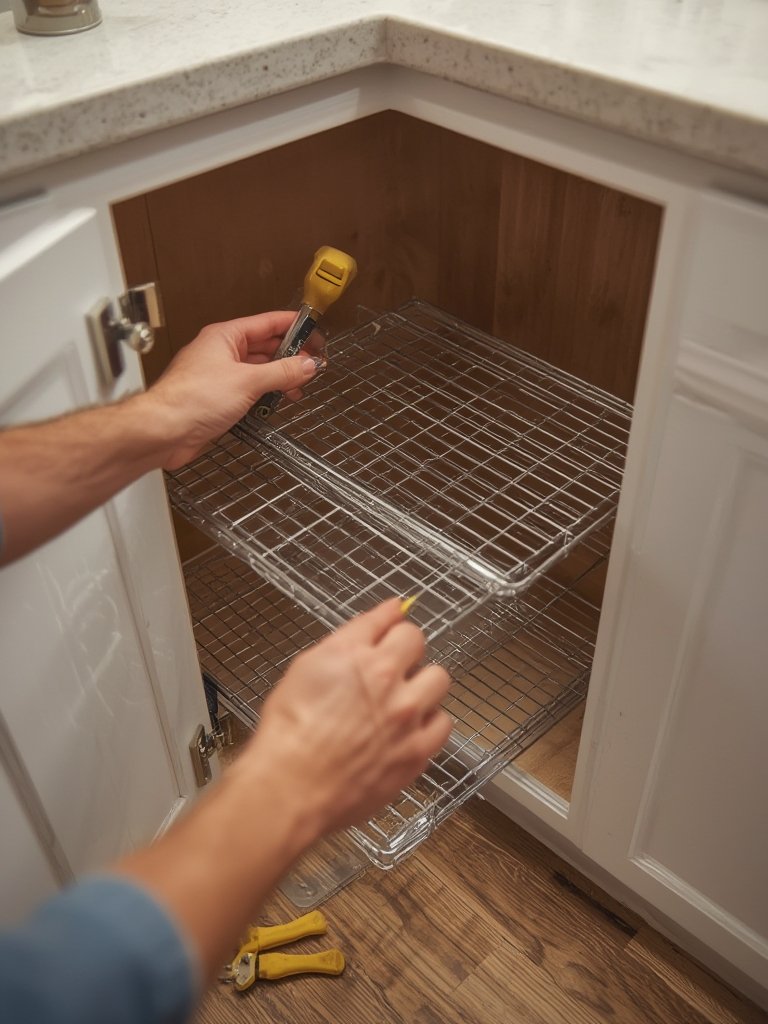
- Choose between DIY and professional installation. Most drawer inserts and racks are DIY-friendly; complex corner pull-outs or built-in lazy susans usually need a pro for proper fit.
- Upgrade your organizing system in logical stages.
- Begin with inexpensive drawer organizers and door racks.
- Tackle lower cabinets and deep pantry shelves with pull-outs.
- Finish with custom solutions for awkward corners or specialty pantries.
- Label by category and keep frequently used items at arm’s reach. This avoids the biggest ergonomic complaint—needing to stoop or stretch for essentials.
- Check dimensions—three times—for clearance and access before installation. Pay attention to adjacent cabinet doors, appliance handles, or plumbing lines, especially when adding sliders or rotating racks.
Pro tip for renters and short-term rental hosts: Focus on modular organizers, pull-out bins, and non-permanent upgrades that can move with you, as highlighted in Renter Friendly Home Upgrades.
Bonus resource: If your project is part of a larger remodel or budget crunch, consult Complete Guide to Home Renovation for strategies on contractor selection, financing, and design.
Advanced Analysis & Common Pitfalls: What Can Go Wrong?
Research shows that while pull-outs and organizers can dramatically improve efficiency, installation challenges or low-quality hardware often undermine results. Here’s what homeowners actually run into:
- Clearance and fit issues: New lazy susan trays or pull-outs sometimes bump cabinet doors or face frames, or won’t extend fully if adjacent appliances or handles are in the way.
- Center-pole and hardware fatigue: Lower-grade lazy susan hardware may sag or wobble when overloaded, leading to tray failure. Premium upgrades solve this, but cost more.
- Complexity of corner organizers: Blind-corner pullout systems need precise alignment; misplacement of brackets or template errors lead to jamming or blocked extension.
- Plumbing and electrical interference: In retrofits, existing pipes or wires may block organizers from fitting correctly. Sometimes you must switch to alternate storage systems.
- Durability varies with price: The expected service life and performance differ greatly by material and brand; this is rarely discussed in consumer-facing articles but is flagged in industry research.
Comparing custom pantry organizers vs DIY/store-bought kits:
| Feature | Custom Systems | DIY/Store-bought |
|---|---|---|
| Fit and Space Utilization | Tailored to exact measurements, fully uses awkward nooks | Good for standard closets, limited in odd spaces |
| Durability and Hardware Quality | Heavier-duty tracks, longer life | May use lighter or wire-frame materials; reduced longevity |
| Installation Complexity | Requires pro install, higher upfront cost | DIY friendly, fast setup for renters and budget projects |
| Upfront Cost (2024) | $1000–5000+ for pantry system | $15–80 per insert (drawer organizer) to $250–700 (pull-out kit) |
| Best Use Cases | Irregular kitchens, long-term homes, specialty storage | Rentals, short-term fixes, straightforward pantries |
Cost benchmarks for key solutions in 2024:
| Solution Type | Materials Cost | Typical Installed Cost | Notes |
|---|---|---|---|
| Pull-out Shelves (retrofit) | 80–250 per shelf | 150–450 per shelf | Custom, soft-close, or multi-shelf packages raise price |
| Corner Cabinet Lazy Susan | 150–400 | 300–800 | Custom fit/hardware complexity increases labor cost |
| Blind-corner Pull-out System | 250–700 | 500–1200 | Needs expert install and exact measurements |
| Drawer Organizers | 15–80 per drawer | 0–150 per drawer | DIY install is most common |
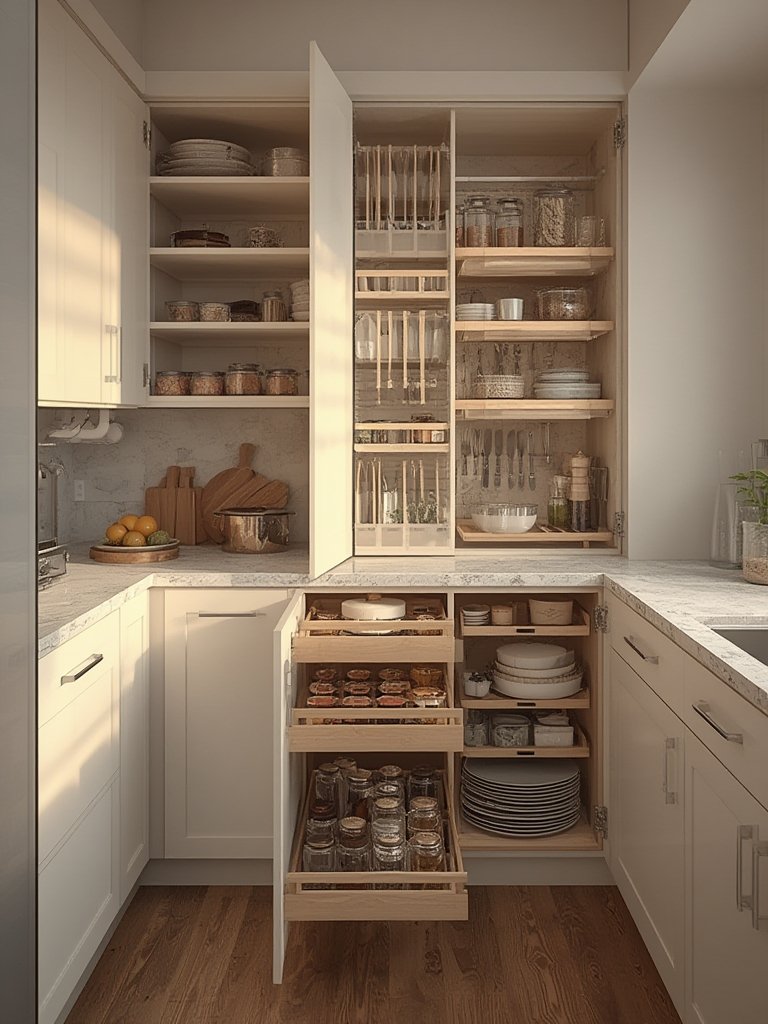
| Full Custom Pantry System | 500–3000+ | 1000–5000+ total | Typical of larger remodels |
If you want to maximize ROI and usability—especially in a luxury retreat or a high-end kitchen—investing in robust, pro-installed organizers makes sense. For compact city condos, rentals, or DIY-friendly spaces, stick to modular, no-drill upgrades.
For further reading on broader home upgrades, explore the best ways to maximize savings with energy efficient home upgrades.
Conclusion: Making Kitchen Storage Work for You
The right kitchen storage solutions resolve clutter, wasted space, and ergonomic headaches for virtually any household. The 2024 data confirms a shift—most homeowners don’t need “bigger” kitchens, just better-planned ones. Start with a careful audit, budget according to your pain points, and invest in organizers that fit both your layout and your long-term goals. Whether you opt for custom cabinetry or DIY bins, thoughtfully selected solutions will pay off in daily convenience and long-term value.
Ready to take the next step? Audit your space, set a budget, and start transforming your kitchen storage solutions today.
Frequently Asked Questions
What are the best kitchen storage solutions for small kitchens?
Pull-out shelves, vertical door-mounted racks, stackable bins, and rotating lazy susans are effective for small kitchens. Opt for modular, no-drill options if you’re renting or want to avoid major remodeling.
How much does it cost to organize a kitchen storage solutions in 2024?
Costs range from $15–80 for a drawer insert to $1,000–$5,000+ for a fully customized pantry system. Pull-out organizers for cabinets typically run $80–250 (materials only) or $150–450 installed per shelf.
Can I install pull-out shelves myself?
Yes, if you have basic DIY skills. Drawer inserts and simple pull-out baskets are usually DIY-friendly. More complex systems—especially for corners—work best with professional installation to avoid jamming and alignment issues.
Are custom pantry systems worth it compared to modular organizers?
Custom pantry systems excel in maximizing space and long-term durability, especially in irregular or oddly-shaped closets. If your needs are straightforward, modular organizers deliver good value per dollar and flexibility, but won’t use every inch as efficiently.