


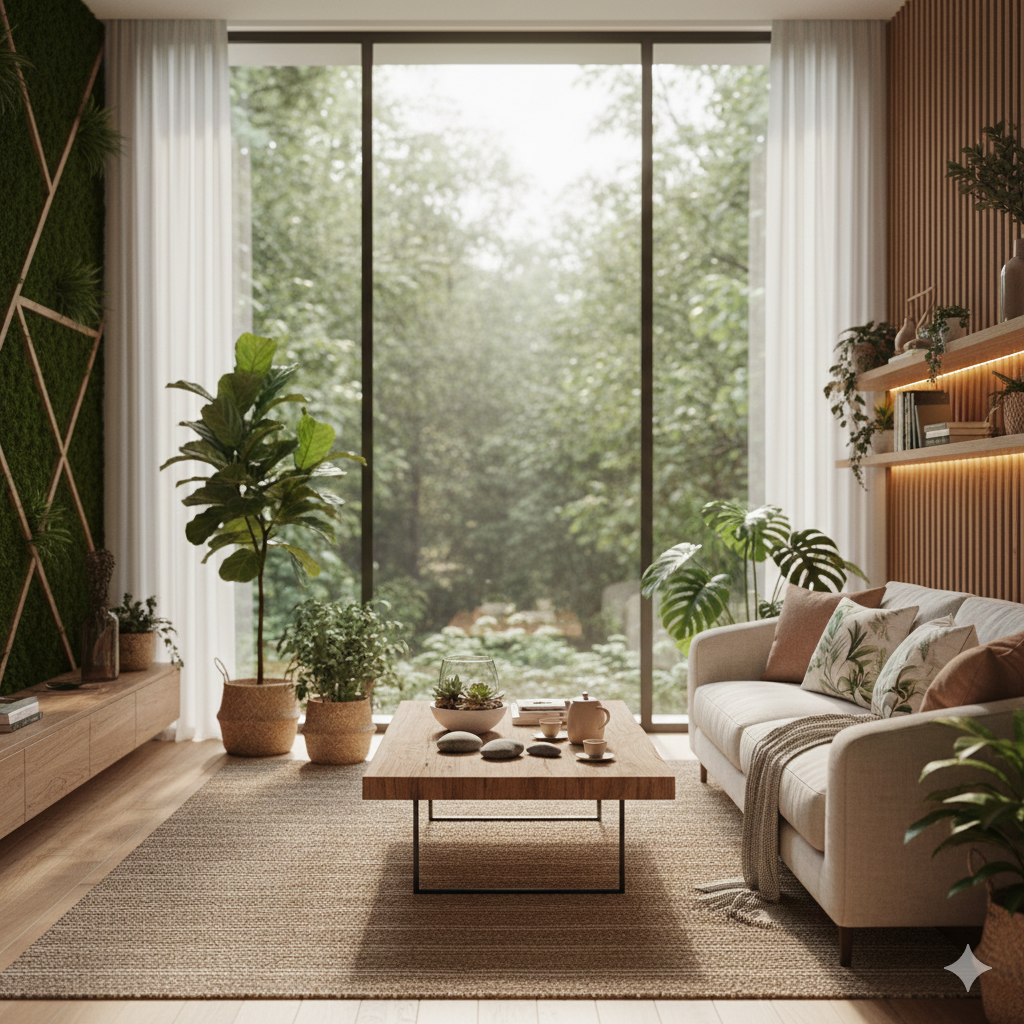
Biophilic design home strategies are transforming how we live, turning everyday spaces into restorative sanctuaries by bringing natural elements indoors. If you want your home to nurture wellbeing and spark creativity, this guide reveals real scientific insights, practical steps, and up-to-date trends for 2024.
Key Takeaways
- Biophilic design home directly boosts wellbeing and mood, as proven by recent 2024 studies.
- Integrating natural materials and living features is achievable in any space with the right strategy—even when facing challenges like low light or maintenance.
- Sustainable choices and multisensory design are shaping the most impactful biophilic homes in 2024.
- Understanding Biophilic design home
- Step-by-Step Guide to Biophilic Design Home
- Advanced Analysis & Common Pitfalls
- Conclusion
- Frequently Asked Questions
Understanding Biophilic Design Home
Biophilic design home is the practice of intentionally weaving nature into interior spaces to support human wellbeing. This goes way beyond decorative plants. Biophilic homes integrate natural light, organic textures, living walls, water features, and earthy materials for a multisensory experience.
Why is this important for homeowners in 2024? A 2024 cross-sectional study published in the National Library of Medicine examined people’s reactions to interiors with differing biophilic features. After facing a stressor, participants exposed to homes lacking any natural elements (Level 0) reported negative moods tied to ‘sick building syndrome.’ Homes rich with plants, wood, stone, and views of nature (Level 3) generated positive emotions and measurable wellbeing improvements. (Source)
This aligns with EPA findings that Americans spend about 90% of their time indoors (source). With so much of life inside, our interiors deeply affect our health, productivity, and mood. Biophilic design home is not just a luxury—it’s a practical response to modern living challenges.
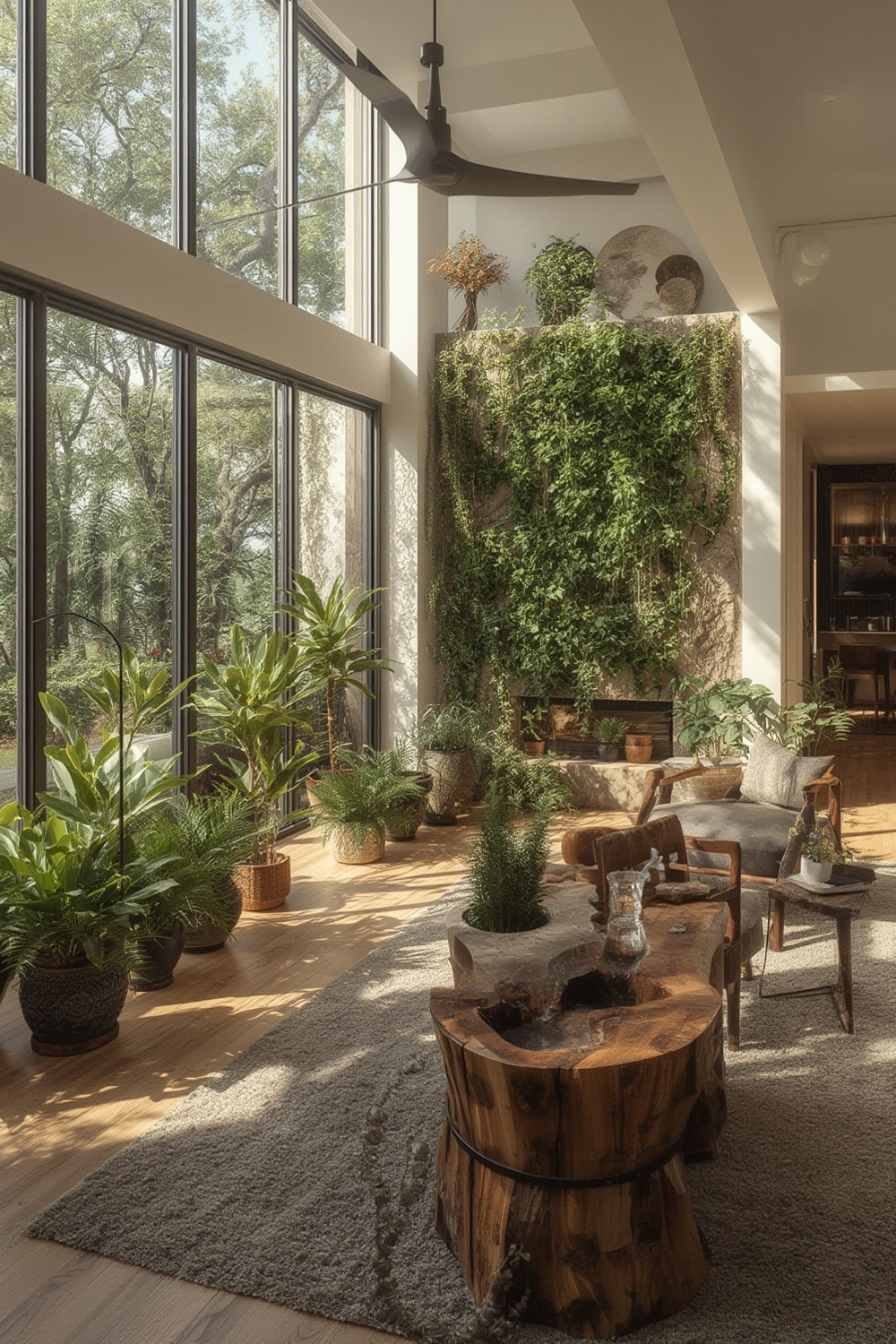
The core concept: you can nurture calm, focus, and vitality in your own living space by making deliberate choices—big or small—that deepen your connection with nature.
Step-by-Step Guide to Biophilic Design Home
1. Assess Your Space and Needs
Walk through your home and look for opportunities. Are there rooms that feel gloomy or impersonal? Spaces with harsh artificial light? Make a note of small corners, blank walls, and window orientations.
2. Maximize Natural Lighting
Install wider or additional windows wherever practical. Use sheer curtains and avoid heavy window coverings. In darker rooms, consider solar tubes or skylights. If renovations are out of reach, opt for daylight-mimicking LED bulbs that support circadian rhythms. Learn more about smart lighting systems for circadian health.
3. Bring in Living Greenery
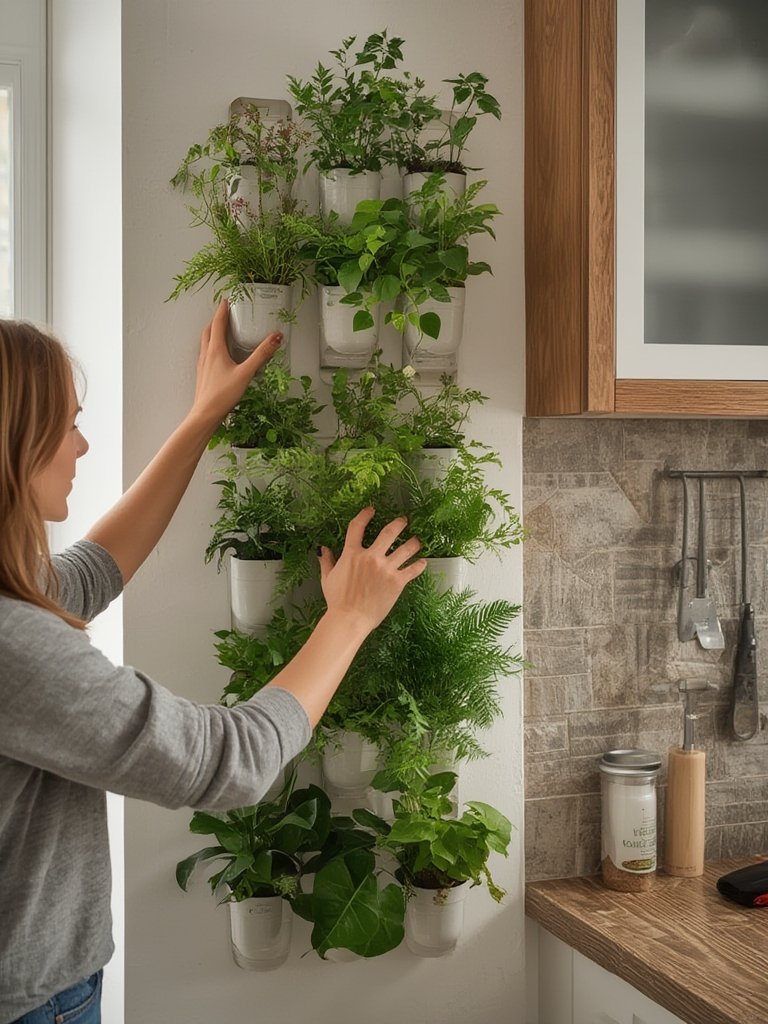
Choose plants that thrive with your lighting conditions—snake plants and pothos for low light, herbs or succulents for sunny spots. For visual impact, try vertical garden kits or wall-mounted planters. Remember that living walls require thoughtful selection of species, consistent watering, and drainage. Vertical garden systems can be DIY or professionally installed.
4. Incorporate Natural Materials
Seek out reclaimed wood beams, stone countertops, or bamboo panels. As of 2024, trends are shifting towards visibly imperfect, handcrafted items. Water features bring both visual and auditory calm—think tabletop fountains or pebble-lined basins.
5. Engage All Senses
True Biophilic design home goes beyond sight. Layer natural textures in textiles—linen, jute, wool. Open windows for fresh air when weather allows, or use diffusers with essential oils like pine or citrus. Add a soundscape with a small water fountain or background forest sounds.
6. Design for Function and Flexibility
Group seating areas near windows, or face furniture towards natural views. Use open shelving to display natural objects—river stones, pinecones, driftwood. Keep pathways open and let natural light flow. For more modular design ideas, check the home renovation guide for tips on multi-functional spaces.
7. Consider Sustainability and Certifications
Opt for non-toxic finishes, sustainably sourced wood, and energy-efficient lighting. While there are no strict codes for biophilic homes yet, green building rating schemes (like LEED and WELL) recognize the health value of nature integration (source).
Advanced Analysis & Common Pitfalls
Common Pitfalls in Biophilic Design Home
- Underestimating Maintenance: Living walls and certain natural materials require routine care. Without regular pruning, watering, and pest checks, plant walls can quickly become unhealthy.
- Ignoring Lighting Needs: Many homes have low-light corners that make growing plants a challenge. Choose shade-tolerant plants or invest in grow lights to support greenery in dim spaces.
- Allergies or Pests: Some homeowners discover post-installation that certain plants aggravate allergies or attract bugs. Research plant species and monitor closely. Opt for hypoallergenic species and keep areas clean.
- Budget Overruns: While some upgrades are inexpensive, living wall systems and high-end stone accents can add up. Get quotes, budget realistically, and look for DIY solutions where possible.
- Superficial Application: Simply adding a few potted plants won’t deliver long-term wellbeing gains. Aim for a layered, holistic approach that brings in natural light, textures, materials, and airiness.
Real-World Comparison Table
| Biophilic Element | Approximate Cost | Maintenance Level | Home Type Suitability | Potential Drawbacks |
|---|---|---|---|---|
| Vertical Garden (DIY Kit, Small) | $80-$250 | Moderate | Apartments, condos, houses | Water leaks, plant die-off |
| Living Wall (Professional Install) | $1,500-$4,000+ | High | Large homes, entryways | Upfront cost, ongoing care, potential for mold |
| Natural Stone Backsplash | $500-$1,800 | Low | All (kitchens, baths) | Weight, professional installation |
| Reclaimed Wood Flooring | $7-$18 per sq.ft. | Low/Medium | Houses, select condos | Cost, scratches, moisture damage |
Thinking about a budget refresh? Consider peel-and-stick flooring—an accessible upgrade that gives a sense of warmth without a major renovation. Need project financing? Explore renovation financing and contractor tips for larger biophilic improvements.
Emerging Trends in 2024
- Handcrafted stone and timber materials with visible grain and imperfections are favored for authenticity (source).
- Urban farming grows—think integrated vertical gardens, edible wall panels, and green roofs in city homes.
- Multisensory design matters: textures underfoot, nature-inspired aromas, trickling water features, and even soundscapes.
- Performance measurement: The most innovative homes are now monitored for biophilic efficacy using measurable outcomes, though tools like fMRI or EEG are expensive and remain niche (source).
If you’re adding electricals for lighting or water features, consider modern residential charging and smart power solutions to future-proof your setup.
Conclusion
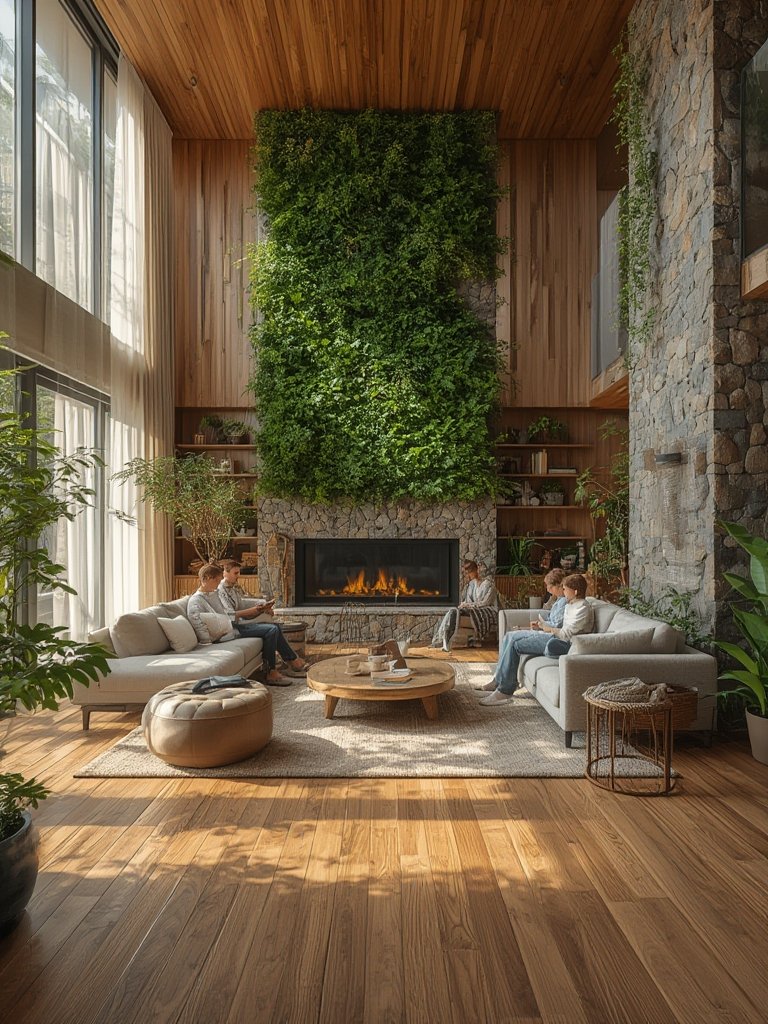
Incorporating biophilic design home principles is not about mimicry or fashion—it’s research-backed strategy for healthier, happier living. Whether you start with a single plant or a full-scale living wall, the right approach enhances wellbeing, comfort, and visual appeal. Remember to balance ambition with the realities of maintenance and budget. Take the first step today to make your home a nature-infused retreat that supports your best self. Ready to transform your space with biophilic design home strategies? Start planning your upgrade now.
Frequently Asked Questions
Does biophilic design increase home value?
Homes that prioritize natural light, eco-friendly materials, and integrated plantings often attract buyers and stand out in the market. While the exact premium varies, many homebuyers value spaces that feel fresh, healthy, and unique.
Are there affordable ways to apply biophilic design home?
Absolutely. Start with houseplants, natural fiber rugs, or peel-and-stick wood grain floor tiles. DIY wall planters and reclaimed wood decor offer cost-effective impact.
What if I have pets or allergies—are plant walls safe?
Stick with nontoxic, pet-safe plant species and regular cleaning to reduce allergens. Avoid pollen-heavy species and ensure plants are placed out of pet reach if needed.
How much maintenance do living walls need?
Automated irrigation systems can help reduce the workload. Living walls require consistent watering, pruning, and monitoring for pests or disease—typically a weekly routine for most home systems. Automated irrigation systems can help reduce the workload.
Can I use biophilic design in small condos or apartments?
Yes. Prioritize vertical space and movable planters, maximize window use, and choose multi-purpose furnishings to integrate greenery without crowding your living area.