


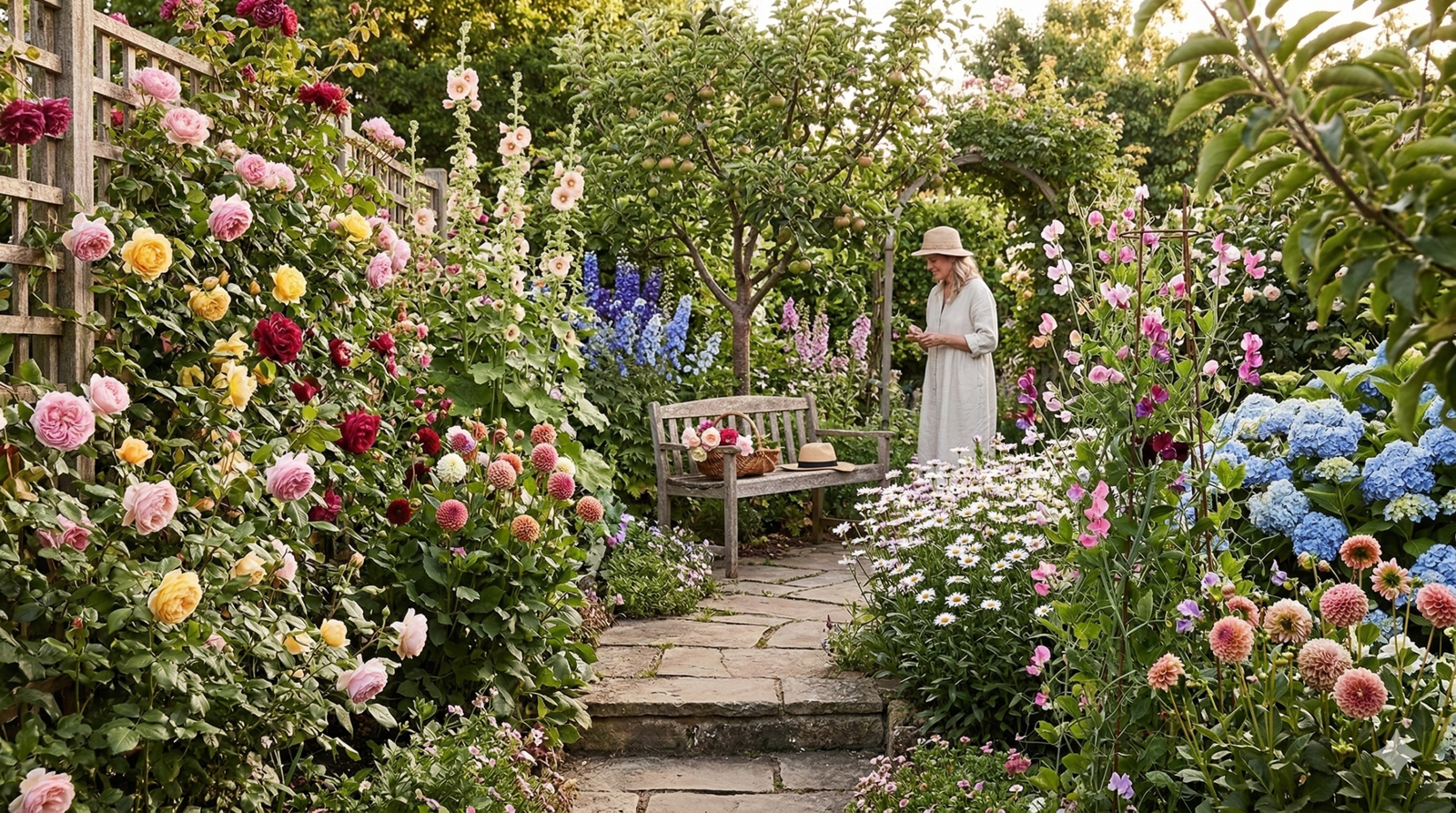
Nostalgia garden plants are more than a retro trend—they offer a real link to cherished family gardens and the sensory experiences of past decades. Recreating a traditional garden bursting with heirloom blooms is achievable today, but it comes with unique challenges and decisions. This guide shares what’s working now, what’s overhyped, and pragmatic steps to help you build your own evocative garden filled with history.
Key Takeaways
- Nostalgia garden plants are surging in popularity, with dahlias, asters, hydrangeas, and sweet peas topping 2024 best-seller lists.
- Sourcing true heirloom varieties can be difficult due to supply limitations and lack of clear authentication; plan sourcing early.
- Classic heritage flowers can deliver fragrance, pollinator value, and garden beauty—but expect possible regional or disease challenges.
- What Are Nostalgia Garden Plants and Why Are They So Popular?
- How to Build a Nostalgia Garden: Step-by-Step Guide
- Advanced Analysis and Common Pitfalls
- Conclusion
- FAQ: Nostalgia Garden Plants
What Are Nostalgia Garden Plants and Why Are They So Popular?
Nostalgia garden plants are varieties closely linked to family memories, old-fashioned garden styles, and classic trends—think fragrant sweet peas, Victorian asters, billowy hydrangeas, and showy heirloom roses. In 2024, this garden style is rebounding. Homeowners cite emotional connections with plants their grandparents grew, the appeal of cottage garden styles, and a desire for authentic, sensory-rich landscapes that offer more than modern, uniform hybrids.
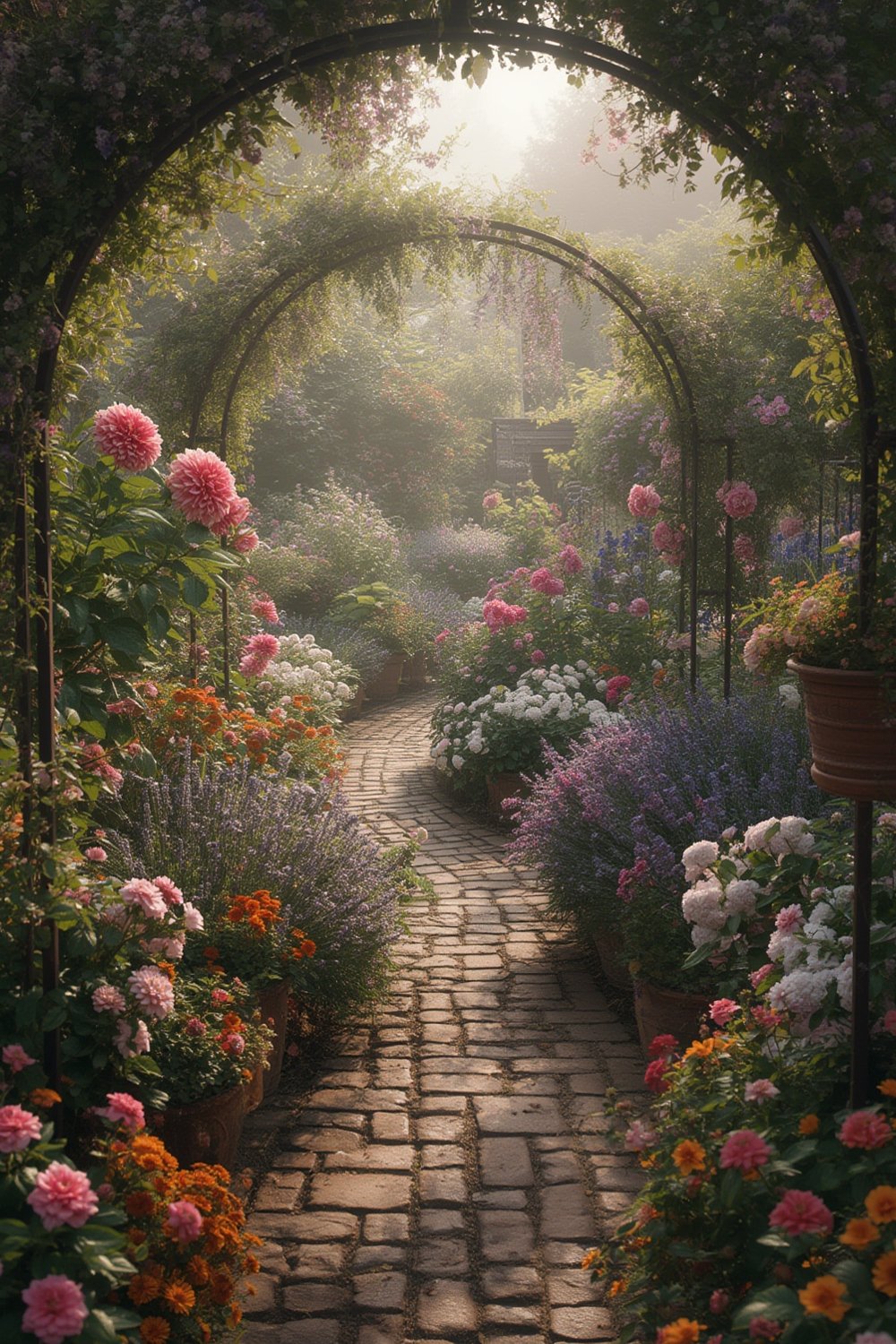
Data confirms the movement’s momentum. Asters, hydrangeas, marigolds, sweet peas, delphiniums, and dianthus are among the fastest-growing flower categories at British and US nurseries [Source]. Flowers like lavender and coral bells are also booming. The nostalgia garden isn’t just about looks—it’s about fragrance, seasonal rhythm, and pollinator support. Viewers seeking even more wildness or biodiversity should explore chaos gardening or native pollinator plants for complementary approaches.
How to Build a Nostalgia Garden: Step-by-Step Guide
Here’s a practical approach to building your own nostalgia garden, whether you want a small memory-packed bed or a sweeping vintage landscape.
- Define Your Nostalgia Zone
Decide if your nostalgia garden will be a dedicated bed, border, or theme throughout your yard. Many people start by revitalizing a cottage-style entryway or a childhood backyard nook. For year-round nostalgia with minimal strict rules, see the cottage garden design guide. - Select Heritage Varieties Thoughtfully
Focus on best-sellers with proven performance in home gardens:- Dahlias
- Chrysanthemums
- Hydrangeas (especially Paniculata)
- Asters
- Marigolds
- Sweet peas
- Delphiniums
- Dianthus
- Heirloom roses
- Lavender (try Blue Spear or LaDiva Eternal Elegance)
If you love fragrance, consider adding lilacs and lily of the valley. Balance annuals for quick color and perennials for long-term impact. For cut flower lovers, see the cut flower garden design guide.
- Source Authentic Plants and Seeds
Prioritize reputable nurseries and seed suppliers that label plants as “heirloom,” “heritage,” or list the cultivar origin. Ask for provenance and certification if it matters to you. Online reviews and garden club referrals help ensure you aren’t paying extra for ordinary hybrids. Consider swapping seeds or divisions within your network for true vintage DNA. If you need edible nostalgia options, check heirloom vegetable seeds. - Prep Soil and Garden Beds Like Grandma Did
Most classic plants thrive in rich, well-drained soils. Amend heavy ground with compost, and don’t skip the mulch—just as grandparents did to support blooms. For low-nutrient or no-dig approaches, see the no dig gardening method. - Plant, water at the base, and Mulch Carefully
Plant perennials at the correct depth (e.g., peony crowns just below the soil surface) and water at the base, not overhead, to avoid mildew (critical for marigolds). Mulch well to conserve water and suppress weeds. - Cultivate for Fragrance and Pollinators
Intermix fragrant sweet peas, lilacs, and lily of the valley for scent—these are plants famous for “evoking nostalgia” [Source]. For pollinator benefit, add hummingbird mint and phlox. If biodiversity is your goal, integrate elements from our lawn to meadow conversion guide. - Tune Maintenance for Old-Fashioned Results
Deadhead spent blooms, feed with compost each spring, and divide perennials every few years. Some nostalgia garden plants—such as delphiniums and peonies—prefer support stakes or spring feeding. Don’t rely on modern sprays; work with the plant’s natural strengths.
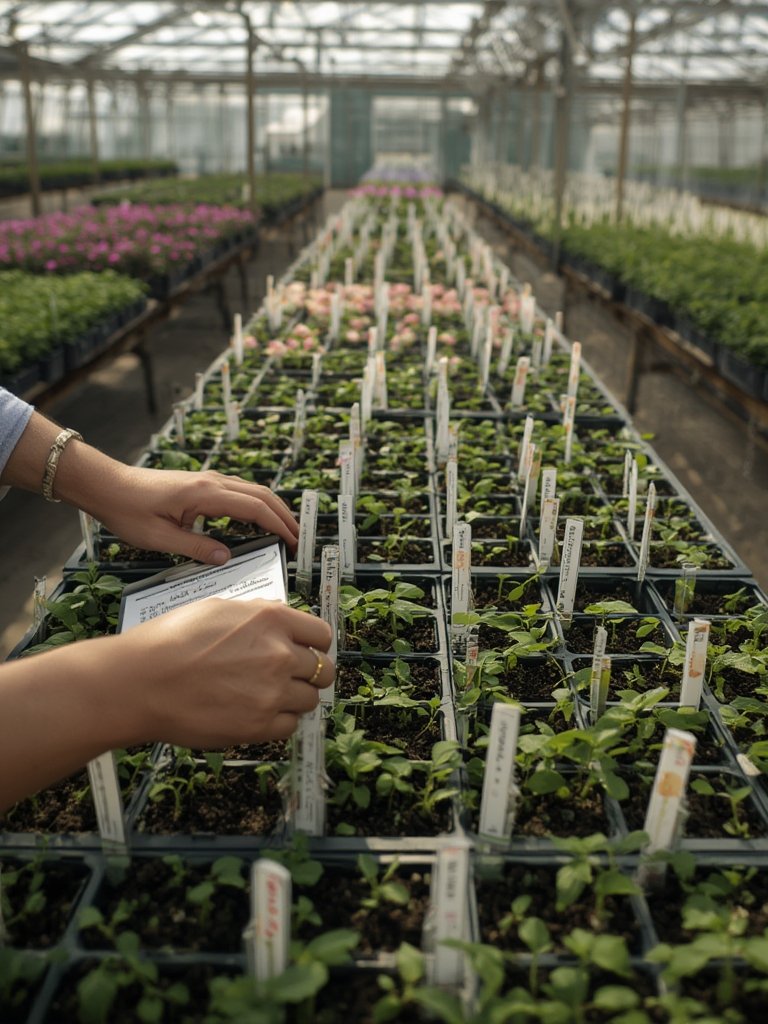
Avoid expecting instant results: classic blooms usually take a season or two to mature, but the long-term payoff is worth it. Choose varieties with disease resistance where possible, as improved hydrangeas and phlox can reduce maintenance headaches. Never forget to review sun and zone suitability for each species.
Advanced Analysis and Common Pitfalls
Nostalgia garden plants promise beauty and memory, but the path isn’t always simple. Here are frequent snags and a practical comparison of costs, sourcing, and performance.
- Sourcing supply limitations: Many classic varieties sell out quickly—reputable nurseries often “cannot keep up” during spring rush [Source].
- Lack of clear authentication: Not all “heirloom” or “heritage” labels are verified; always ask about provenance and avoid unknown online sellers.
- Regional adaptation questions: Some heirlooms thrive only in specific zones. Asters, peonies, and delphiniums, for example, require cold winters, while lavender needs heat and drainage.
- Disease challenges: Old-fashioned varieties aren’t always as robust as modern hybrids. mildew (on marigolds), lodging (delphiniums), or root rot can strike sensitive heirlooms if not grown in ideal conditions.
- Delayed gratification: Heritage perennials often take more than one season to give the lush displays seen in nostalgia photos.
| Aspect | Heirloom Plants | Modern Hybrids |
|---|---|---|
| Sourcing | Limited supply, seasons sell out, verification needed | Widely available, easier stock, reliable ID |
| Cost | Potentially higher, rare forms pricier | Usually less expensive, especially from big-box stores |
| Disease Resistance | Variable—some highly susceptible | Often bred for resistance, fewer problems |
| Fragrance & Nostalgia | High—classic scents and forms | Variable—sometimes less fragrance |
| Adaptability | Requires zone research, less forgiving | Often adapted to wider climates |
To sidestep disappointment, always:
- Ask about hardiness for your climate zone before ordering (advice from growers)
- Mulch and water at the base to avoid mildew, especially for marigolds
- Be open to blending disease-resistant hybrids with heirlooms for longevity
Looking to maximize impact with less water or eco input? Consider integrating ideas from our drought tolerant landscaping guide.
Conclusion
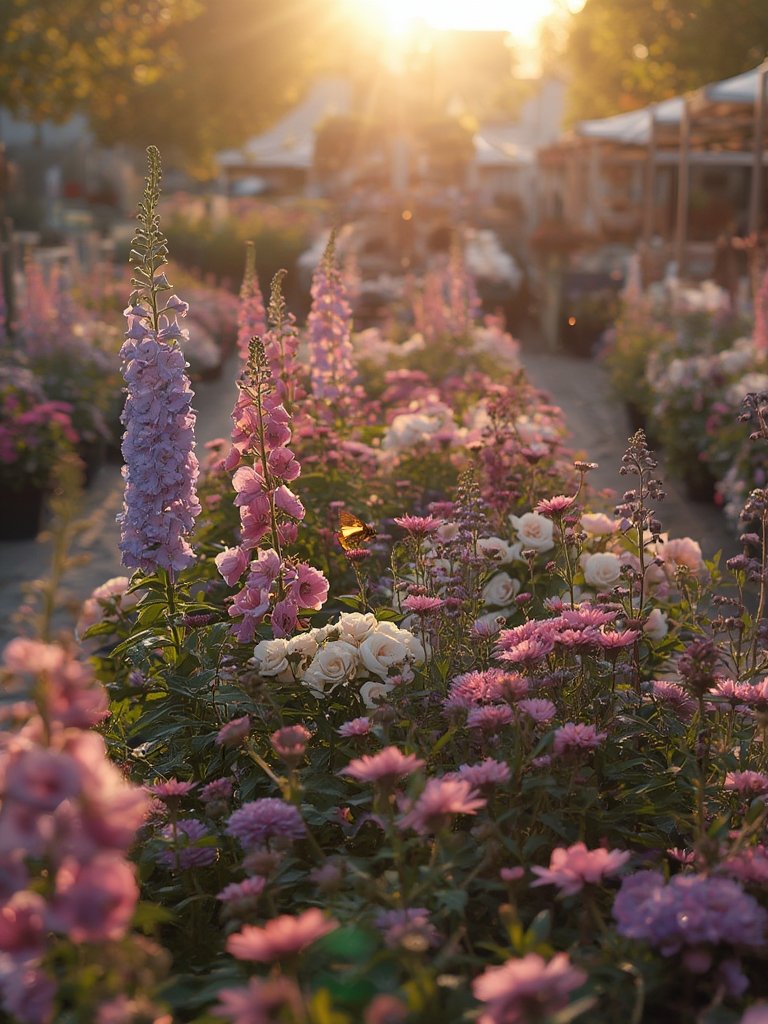
Nostalgia garden plants provide a living bridge to cherished memories, classic beauty, and the comforting rhythms of gardens past. The path to a vibrant heritage garden is realistic for modern homeowners—if you plan sourcing ahead, prep the soil thoroughly, and match your plants to your local climate. Don’t expect instant results, and blend disease-smart hybrids with heirloom stars for the best of both worlds.
Ready to grow your own story? Start sourcing your favorite nostalgia garden plants today and share the beauty for generations to come.
FAQ: Nostalgia Garden Plants
What are the best nostalgia garden plants for beginners?
Lavender, marigolds, asters, and hydrangeas are relatively forgiving, widely available, and deliver strong visual and fragrance impact even for novice gardeners.
How can you verify if a plant or seed is truly “heirloom”?
Always ask suppliers for cultivar origin or provenance info; choose nurseries or seed companies with clear labeling, and connect with local gardening groups for trusted swaps.
Are nostalgia garden plants more susceptible to disease than modern hybrids?
Many heirloom varieties lack modern disease resistance. While their fragrance and charm are unmatched, supplementing with disease-resistant hybrids can help reduce problems like mildew and root rot.
Do nostalgia garden plants attract pollinators?
Yes. Flowers like sweet peas, lavender, and hummingbird mint are famous for attracting bees, butterflies, and hummingbirds, supporting garden biodiversity.
Can nostalgia garden plants thrive in any climate?
No. Classic varieties each have unique zone requirements. Always consult a regional guide or nursery expert to ensure you’re selecting heritage plants suited to your local conditions.