


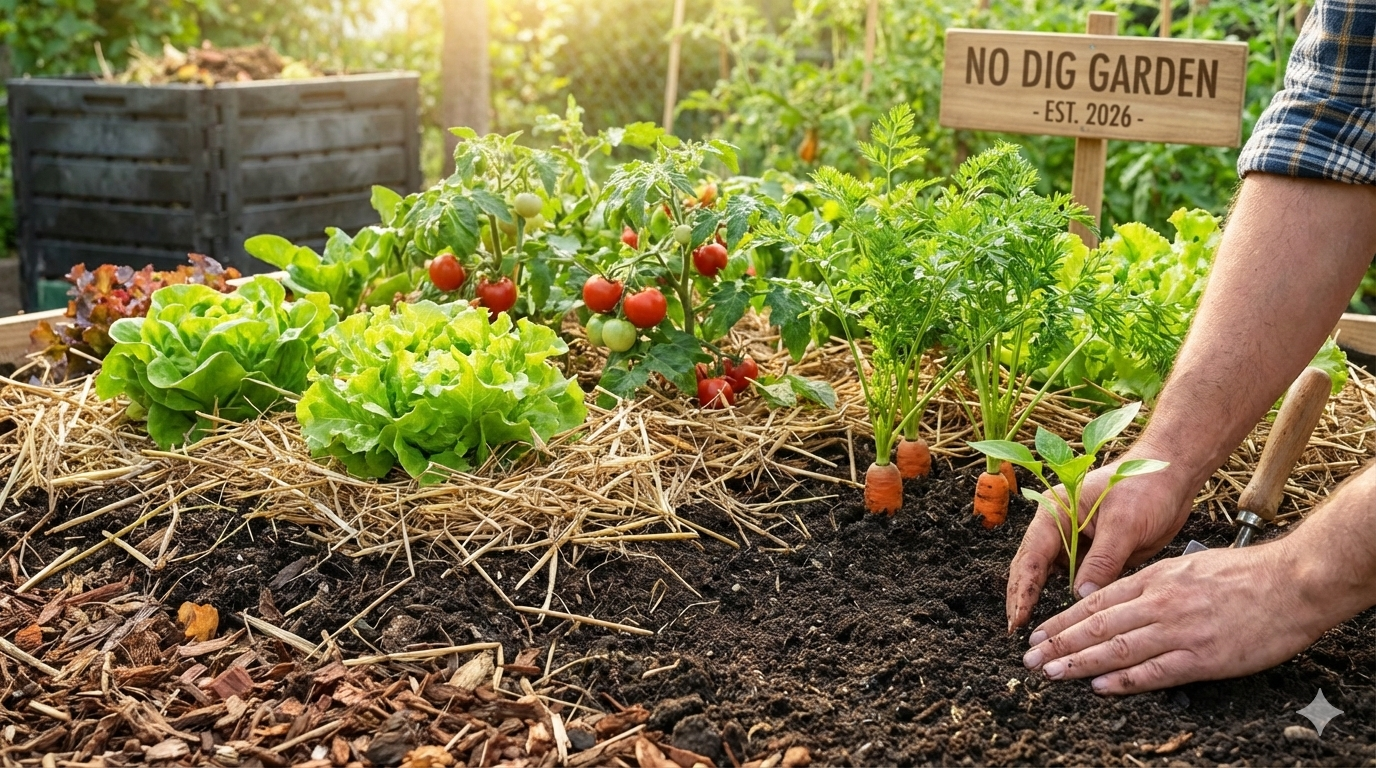
No dig gardening is revolutionizing how we grow vegetables by minimizing soil disturbance and maximizing ecosystem health. If you want healthier soil and fewer weeds without traditional tilling, this practical guide shows you exactly how to start, what to expect, and how to avoid the most common pitfalls—realistically, not idealistically.
Key Takeaways
- No dig gardening builds richer soil, supports biodiversity, and can increase yields over time.
- It requires up-front planning, layering materials, and patience–but reduces long-term weeding and watering.
- The method adapts well to clay, heavy rain, or cold climates, but beginners should know real challenges and cost factors.
- What Is No Dig Gardening and Why Choose It?
- How to Start No Dig Gardening: Step-by-Step Guide
- Advanced Analysis and Common Pitfalls
- Conclusion
- FAQ
What Is No Dig Gardening and Why Choose It?
No dig gardening means growing food or flowers without disturbing the soil with tools like spades or rototillers. The goal is to protect the soil web—fungi, earthworms, microbes—and build up organic matter year by year on top.
Scientific findings show that no dig:
- Boosts soil organic carbon by 20% in five years, which holds more water and buffers weather extremes (source).
- Preserves worm tunnels and fungal links that help roots access nutrients (source).
- Supports biodiversity—soil critters, fungi, beneficial insects—that breaks down mulch into plant food (source).
- Leads to stable or higher crop yields over time; one trial by Charles Dowding yielded 100kg extra from the same space in eight years (source).
Best of all, you spend less time weeding and watering, making it perfect for busy home gardeners.
How to Start No Dig Gardening: Step-by-Step Guide
-
Pick Your No Dig Style
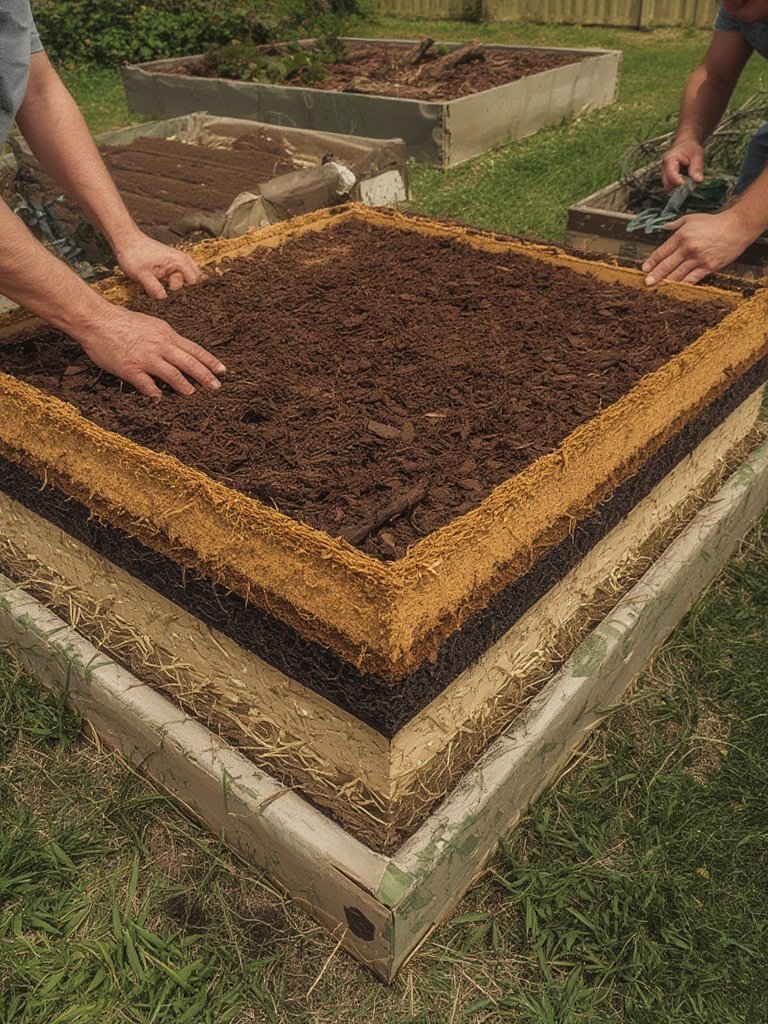
Decide which method fits your garden and budget best:- Lasagna Gardening (Layered): cardboard base topped by alternating layers of green/brown compostables. Great for suppressing weeds.
- Hugelkultur: Dig shallow trench, fill with logs/sticks, then layer compost and soil on top. Holds moisture and feeds plants for years.
- Charles Dowding Method: Skip the wood. Lay compost 10-15cm deep directly on soil, plant right through. Fastest, cleanest approach.
-
Gather Materials and Estimate Costs
For most home plots (3x1m beds):- Lasagna: Cardboard (free), straw/hay ($5-10/bale), leaves (free), kitchen scraps (free), purchased compost ($40-60 for 3 beds).
- Hugelkultur: Logs (free if sourced), twigs/chippings (free), compost ($40-60), topsoil (optional, $10-20/bag).
- Dowding: Bulk compost ($40-60) only. No framework or extra soil needed. Edge with thick mulch for neatness.
Total outlay: $40-80 per beginner bed, depending on what materials you already have.
-
Build Your Bed, Layer by Layer
- Start in late winter if possible (worms enrich layers for spring planting).
- Wet cardboard base to suppress weeds; overlap pieces by 10cm.
- Add rough organic matter (if using hugelkultur or lasagna style), alternating nitrogen-rich (green) and carbon-rich (brown) layers 3-10cm each.
- Top with compost layer (at least 10-15cm thick for Charles Dowding method).
- Water layers thoroughly, then wait. Beds are typically ready to plant after 2-3 months if started in late winter, instantly with fresh, weed-free compost (Dowding’s method).
-
Plant and Mulch
- Plant seedlings directly into compost layer, or sow seeds after surface settles. Add straw or bark mulch around plants for extra moisture control.
- If using hugelkultur, let the mound “settle” several weeks before dense sowing, as it may shrink.
-
Maintain Annually
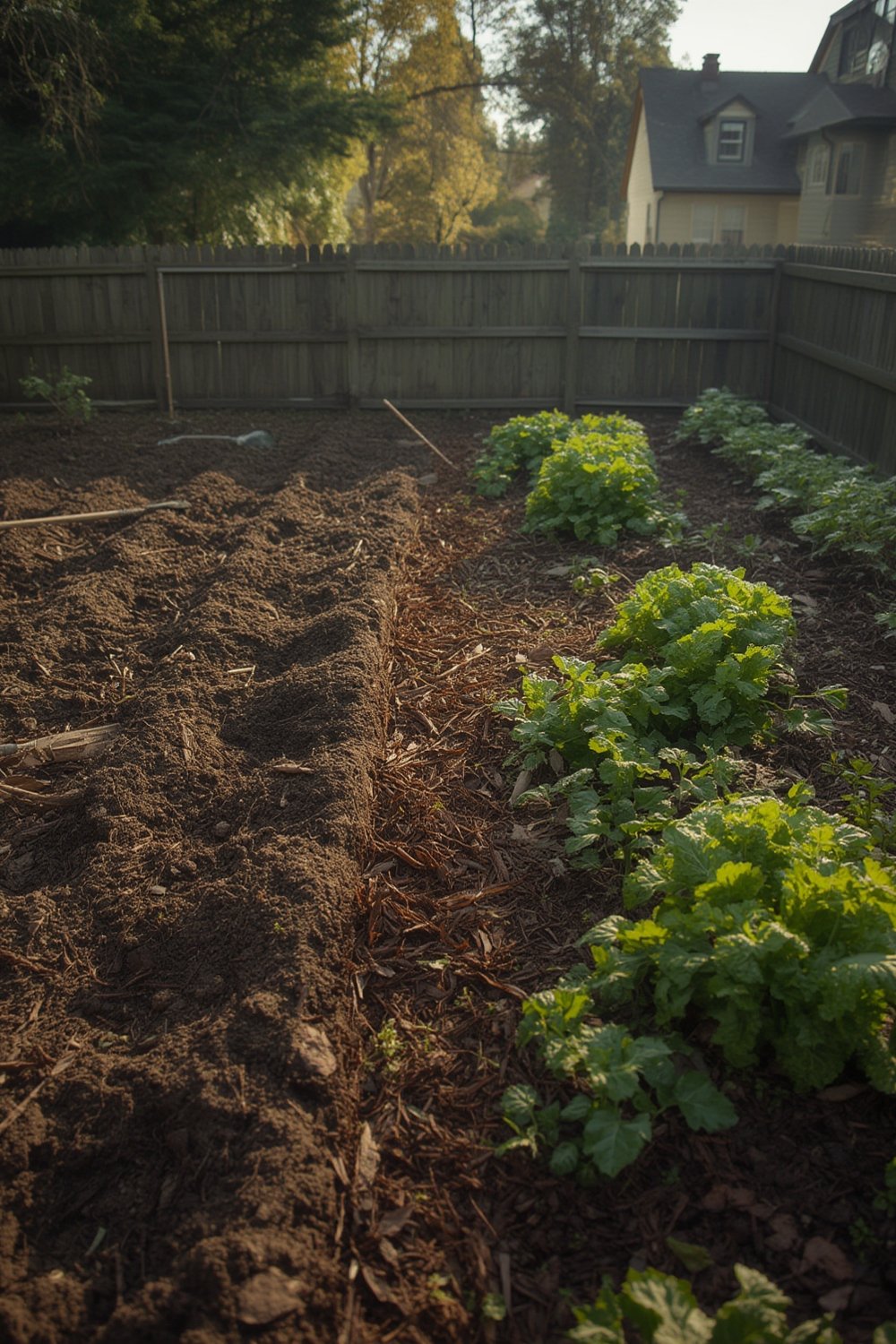
- Each winter, spread another 3-5cm compost layer over the surface. No digging or turning. Mulch paths with bark or woodchips to suppress walking weeds (source).
- Beds become sturdier and more fertile over 2–5 years with minimal effort.
See these chaos gardening tips for ultra-low maintenance design ideas.
For more biodiversity, read our native pollinator planting guide, and see how vertical gardens can integrate with no dig plots in tight spaces in our vertical gardening ideas.
Advanced Analysis and Common Pitfalls
Common Problems in No Dig Gardening
- Poor Drainage on Clay: If your soil is solid clay, no dig improves aeration over a year or two, but initial drainage may be slow. Add extra mulch and avoid compacting paths.
- Material Sourcing Costs: Buying enough compost for multiple beds can get expensive. In urban areas, seek out local leaf collection, restaurant scraps, or compost giveaways.
- Layered Bed Readiness: Thick lasagna beds require several months (usually late winter to early spring) to break down before direct sowing. Planting too early can cause slow seedling growth.
- Pest Habitat: Slugs and rodents may thrive in deep mulch if not monitored. Use minimal mulch early in slug-prone areas and hand-pick or trap pests.
- Persistent Weeds: Some perennial weeds (bindweed, couch grass) can push through cardboard barriers. Hand removal before layering reduces future issues.
- Yield Expectation: The system takes several seasons to reach peak fertility; harvests the first year may lag behind tilled beds, especially if beds started late or with coarse mulch only.
Comparison Table: No Dig Methods at a Glance (2024)
| Method | Upfront Cost Range | Ready to Plant | Region Suitability | Notes |
|---|---|---|---|---|
| Lasagna Gardening | $40-$80/bed | 2-3 months after layering | Most regions, effective on weedy ground | Best for weed suppression, slower to establish |
| Hugelkultur | $40-$100/bed | Needs several weeks settling | Dry/temperate climates, great on slopes | Excellent moisture retention; requires wood access |
| Charles Dowding | $40-$60/bed | Immediate with mature compost | All regions, especially small plots | Low maintenance; compost quality critical |
If you’re moving from lawn to food garden, see our edible landscaping guide for blending beauty with productivity, and learn how to transform lawns with meadowscaping tips for biodiversity and soil health.
Conclusion
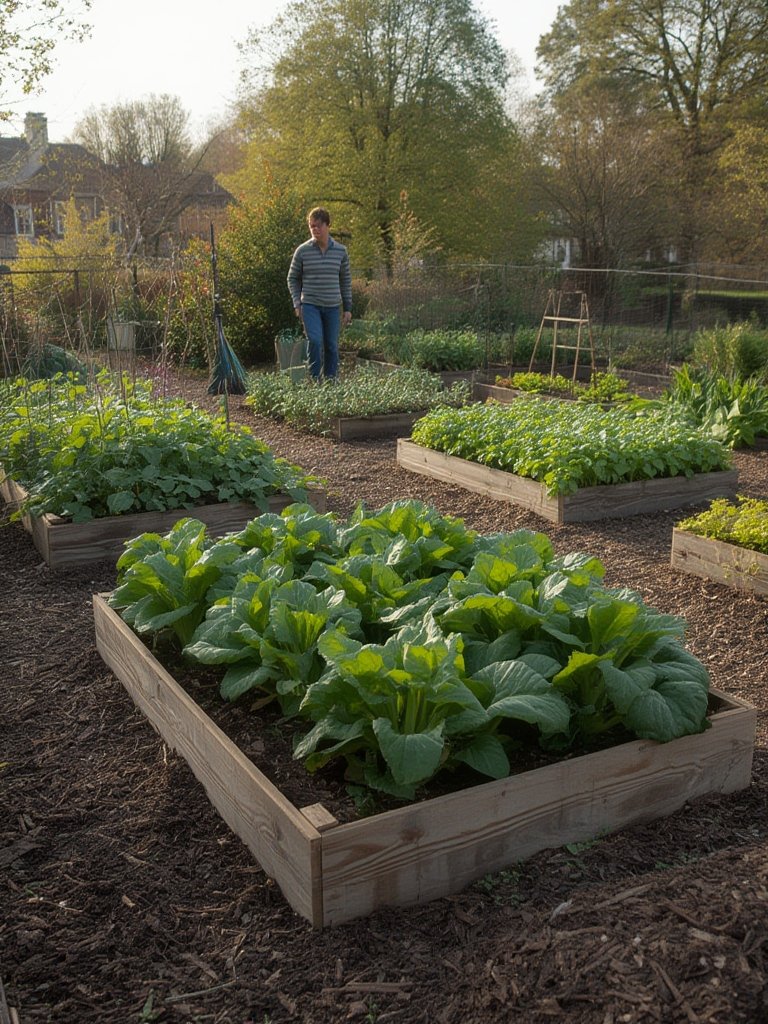
No dig gardening is a truly effective, scientifically grounded, and low-maintenance way to build excellent soil and strong crops, especially if you budget for the right compost and give your bed time to establish. Over time, you’ll enjoy fewer weeds, more moisture retention, and an ecosystem buzzing with life. While some patience and real work are required at the start, you’ll spend less energy maintaining healthy, fertile beds that can outproduce tilled gardens. Start your own no dig gardening experiment—plan your site, pick your method, and see the transformation for yourself.
Ready to start? Choose your method, gather your materials, and begin laying the ground for your most productive garden yet.
FAQ
Does no dig gardening really reduce weeds and watering needs?
Yes. Because seeds aren’t brought to the surface and the soil stays covered, annual weeds are greatly reduced. Mulches help hold in moisture, meaning you’ll water less—especially vital with the summer heat. Learn more here.
Can no dig gardening be done on clay or poor soil?
Absolutely. By adding organic matter on top, you allow worms and microbes to transform dense or depleted soils from above, making heavy clay far easier to work after a year or two of mulching.
See also the Royal Horticultural Society’s guidance.
What is the best time of year to start a no dig bed?
Late winter or very early spring is ideal. This timing lets organic materials break down, so your garden is plant-ready before most crops go in. If using mature compost (Dowding’s method), you can start almost anytime.
How does no dig compare cost-wise to traditional gardening?
No dig can be more expensive at first if you buy in large amounts of compost, but costs drop sharply after year one. You can offset costs by making your own compost, sourcing local materials, and eliminating expensive soil amendments or machines.
Are there any recommended adaptations for rainy or cold climates?
In high rainfall zones, use coarse mulch and slope beds for drainage. In cold climates, use black plastic or row covers in spring to accelerate warming. All methods benefit from thick bark mulch on paths to suppress weeds and retain heat.