


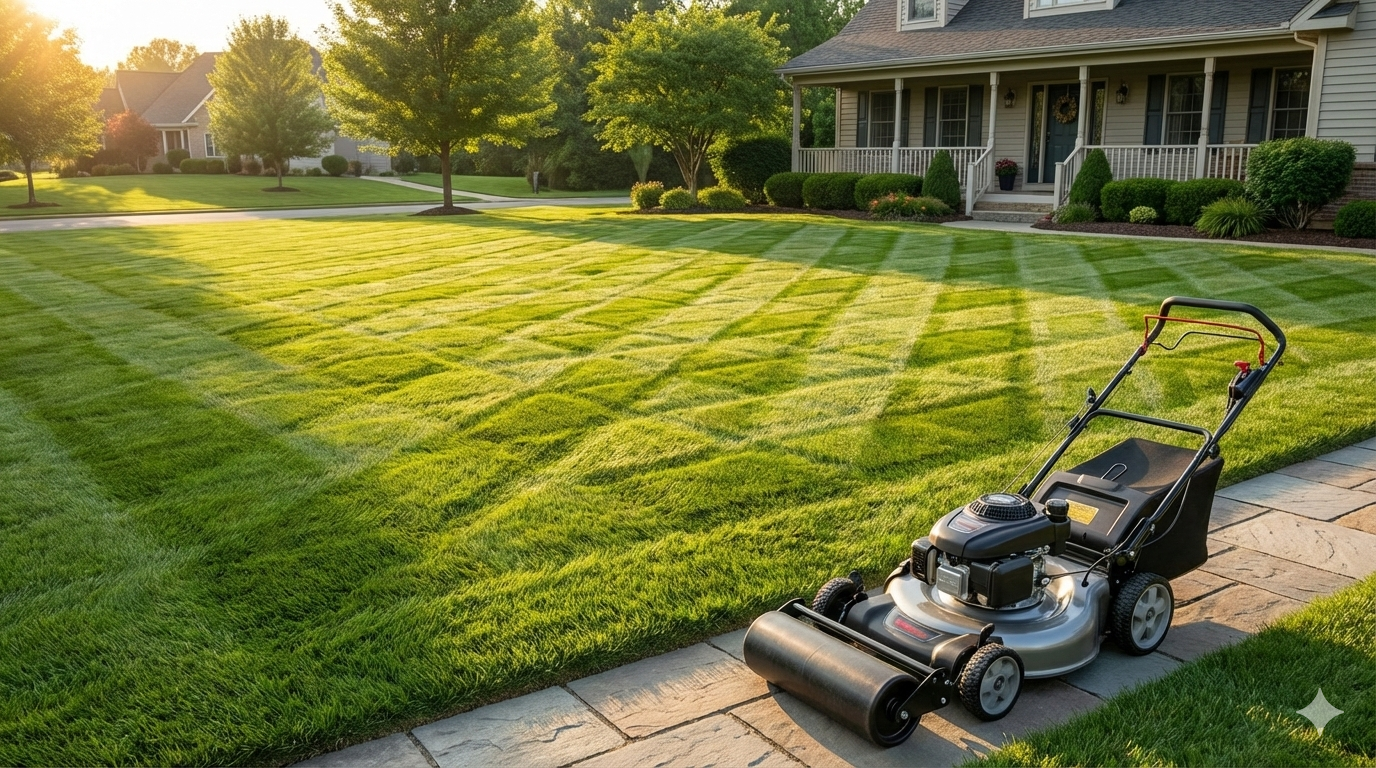
Lawn striping patterns are the fastest way to upgrade any yard from basic to standout, giving it that professional, golf-course look without replanting or major spending. Whether you want classic stripes, bold checkerboards, or intricate diamond shapes, nailing these mowing patterns can transform your curb appeal. This guide breaks down everything you actually need to know—what works, common mistakes, and step-by-step actions for crisp results at home.
Key Takeaways
- Proper mowing height (2.5-4 cm) and mower consistency are critical for sharp, professional-looking lawn striping patterns.
- Your grass species and mower type affect the visibility and durability of patterns—some need double passes or specialized rollers for best results.
- Frequent mowing and rotating striping directions protect grass health and prevent rutting or compaction.
- What Are Lawn Striping Patterns and Why Use Them?
- Step-by-Step Guide: How to Stripe Your Lawn at Home
- Advanced Analysis & Common Pitfalls
- Conclusion
- FAQs
What Are Lawn Striping Patterns and Why Use Them?
Lawn striping patterns are deliberate mowing methods that bend grass in alternating directions. The angle of sunlight on the blades—light reflecting from bent grass—produces visible stripes, checkerboards, or even diamonds. This simple aesthetic trick is a staple of top golf courses and sports fields, and more homeowners are experimenting with it for a dramatic, polished yard.
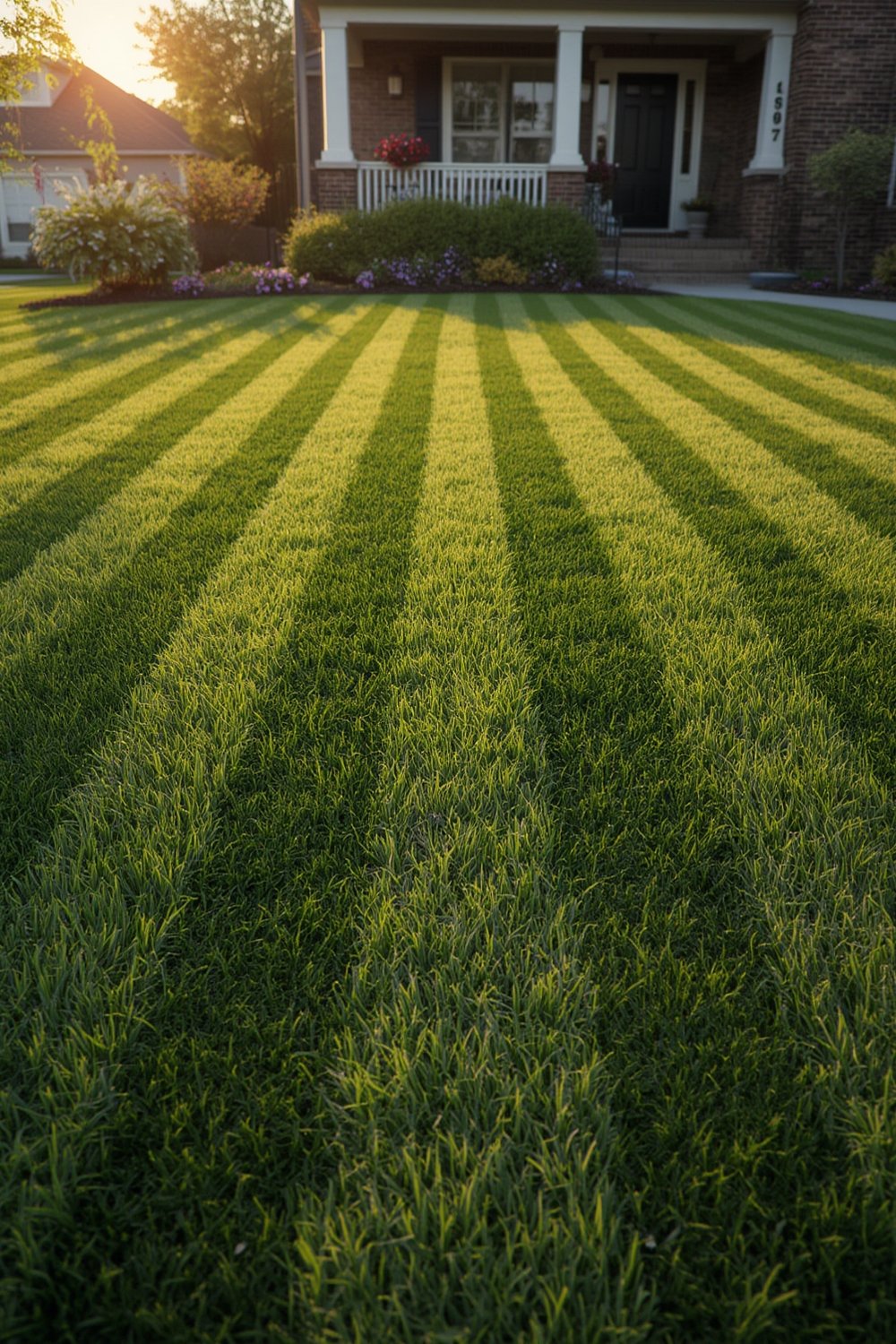
Even without specialized research on striping alone, the numbers are clear: 98% of homeowners believe good landscaping boosts curb appeal and home value. Mastering lawn striping patterns is one of the most cost-effective visual upgrades. If you enjoy AI lawn mower setup or want to compete with professional services, learning striping basics is the launchpad.
Patterns also offer functional turf benefits. Rotating your mowing direction helps protect against soil compaction and rutting, promoting healthier grass over time. Sharp stripes make patchy or uneven growth less noticeable, buying you time between seedings or future upgrades.
Step-by-Step Guide: How to Stripe Your Lawn at Home
Getting crisp, straight lines at home starts with basic mowing habits, then adds some pro-level tweaks. Here’s exactly how you do it—no experience or fancy gear required.
- Set mowing height to 2.5-4 cm (1-1.5 inches). Too tall and the grass doesn’t bend easily; too short and stripes disappear—or worse, the turf thins. This “Goldilocks” range works for most common lawn grasses.
- Check your grass type. Fine-leaf perennial ryegrass delivers ultra-clear stripes with one pass, while coarse tall fescue may require two passes in each direction.
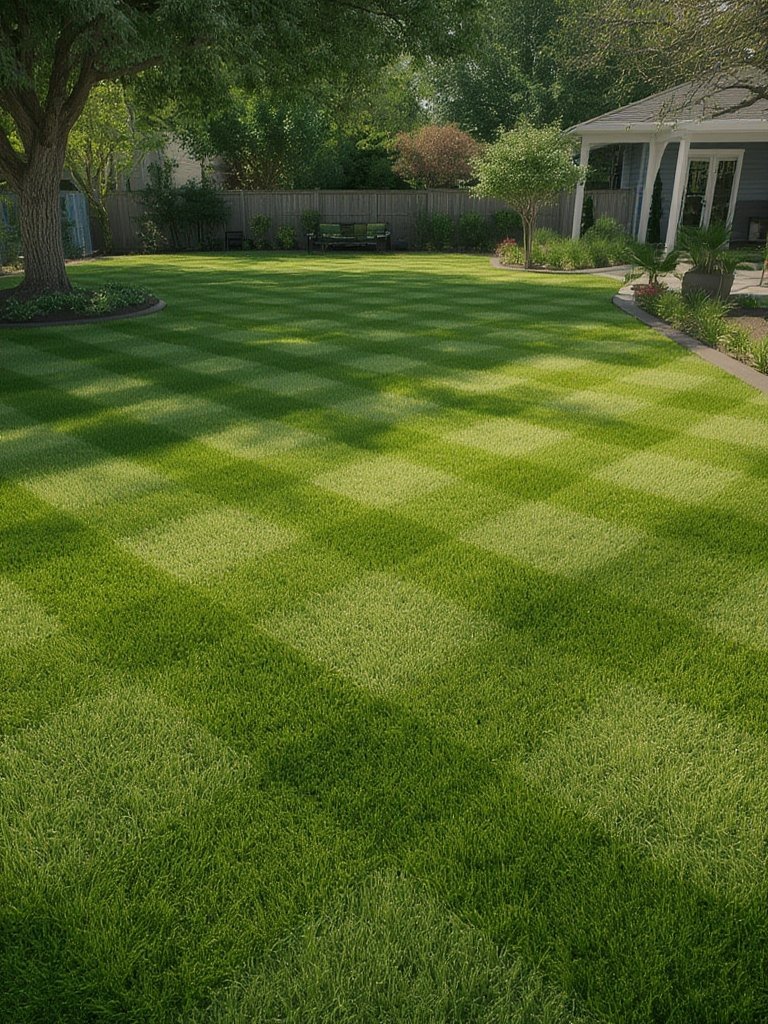
- Plan your pattern. Start with simple straight stripes. For checkerboards or diamonds, mow additional perpendicular and diagonal passes. Always align your first stripe with a driveway or walkway to keep lines true.
- Use a lawn roller or striping kit. Professional gear glides behind the mower, but you can improvise with a heavy push broom (see above). Wider rollers leave broader, bolder lines, adjustable kits flex to fit mower sizes, and hard plastic or metal rollers last longer for less rutting.
- Mow slowly and overlap each stripe slightly for contrast. For crisp lines, wheel overlap should be half a tire width. On each turn, use a wide arc rather than a sharp pivot to keep the ends of stripes clean—watch for missed patches at edges or on slopes.
- Rotate the pattern every few weeks. Vary between stripes, checkerboards, and diagonals for grass health and to avoid compacted tracks.
- Maintain your tools. Dull blades tear, rather than cut, reducing line clarity and stressing grass—sharpen mower blades every 4-6 uses for best results.
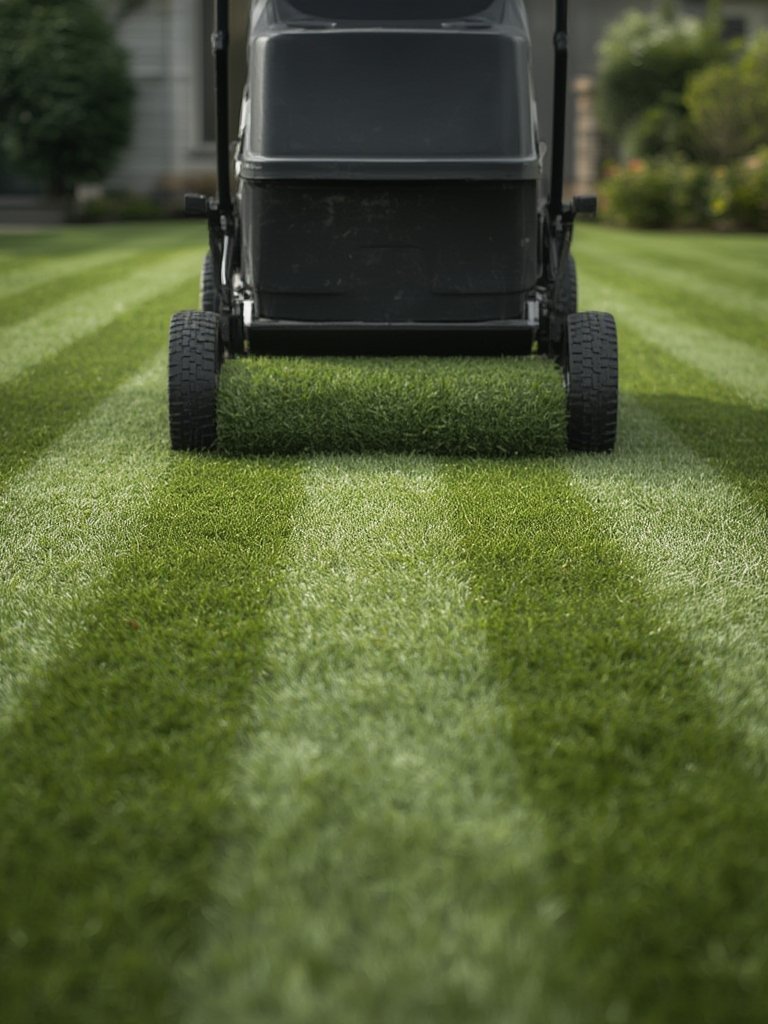
Want to automate it or handle steep slopes? Zero-turn mowers and battery powered lawn equipment now offer striping attachments and save tons of time on large, complex lawns.
If you plan on blending in wild areas or boosting biodiversity, check out our native pollinator plants guide or the lawn-to-meadow conversion strategy for sustainable alternatives around your primary mowing area.
Advanced Analysis & Common Pitfalls
Even motivated homeowners trip up on lawn striping patterns—here’s where most go wrong, and how to avoid disappointment:
| Challenge | Why It Happens | Fix |
|---|---|---|
| Weak/Uneven Stripes | Poor mower blades, low grass height, or inappropriate grass species for pattern | Sharpen blades; mow at 2.5-4 cm; choose perennial ryegrass or double-pass fescue |
| Patterns Fade Fast | Infrequent mowing, fast-growing grass, or lack of roller pressure | Increase mowing frequency (weekly or 2-3x during peak); use weighted roller or repeat passes |
| Crooked/Uneven Lines | Poor alignment, inconsistent turns, no visual guide | Start at a fixed straight landmark; make wide, gentle turns; overlap stripes |
| Grass Damage or Compaction | Always mowing in the same direction, overuse of heavy rollers | Rotate patterns often; avoid excessive use of heavy rollers especially in wet soils |
| No Visible Patterns | Warm-season grass (e.g., Bermuda, Zoysia), sun angle, or poor roller technique | Switch to cool-season grasses or mow at times of strong sunlight for best contrast |
Professional-grade striping kits outshine DIY setups for dense, showy lines—especially on large lawns or commercial grounds. Budget mowers and manual innovations work for small areas, but they struggle to deliver pro-quality checkerboard or diamond patterns over multiple seasons.
The type of roller also matters. Wider, heavier models ensure visual contrast, but increase your risk of rutting if used repeatedly in one direction. Consider kit adjustability for matching your mower and grass needs—metal kits last, but can be unwieldy for narrow spaces.
Don’t expect dramatic improvements overnight. Some species (like fine perennial ryegrass) produce jaw-dropping contrast with little effort, while coarse or elastic turf (like tall fescue) may demand patience and repeated passes. If you’re committed to a wildlife-friendly lawn, see our new tutorial on chaos gardening for less intensive maintenance ideas.
Finally, keep realistic expectations. There are no peer-reviewed studies tying years of striping to healthier grass, but rotating patterns is widely considered best practice to avoid compacted, thinning turf.
Conclusion
Anyone can achieve sharp, professional lawn striping patterns with attention to mowing height, consistent routine, and the right tools—whether that’s a pro roller or a homemade hack. Your results will depend on grass type, regional climate, and willingness to adapt your approach each season. Rotate your patterns, maintain your gear, and remember that a healthy, lawn striping patterns won’t just look great—it can make your entire landscape pop. Want to maximize your results or automate that perfect look? Explore the latest smart irrigation systems or upgrade your mowing kit for less manual effort and cleaner lines.
Start experimenting with lawn striping patterns on your next mow, and enjoy instant curb appeal upgrades—no need to hire a professional.
FAQ: Lawn Striping Patterns
Do lawn striping patterns damage the grass?
No, striping does not harm healthy turf if you rotate patterns and mow within the recommended height range (2.5-4 cm). Avoid repeated heavy roller use on wet soils, and vary directions to prevent compaction or rutting.
What grass types are best for visible striping?
Cool-season lawns like perennial ryegrass and Kentucky bluegrass show the boldest stripes. Tall fescue can work well with double passes. Warm-season grasses (e.g., Bermuda) are less responsive but can still show lines in ideal conditions.
How often should I mow for sharp patterns?
Most homeowners mow weekly, but for crisp, durable striping—especially in fast-growing seasons—aim for 2-3 times a week, particularly with perennial ryegrass. Adjust frequency based on the growth rate and desired stripe durability.
Do I need to buy a special mower or striping kit?
No, but using a dedicated striping kit or lawn striping patterns roller makes patterns clearer and more consistent, especially on large or uneven lawns. For small yards, you can DIY with a weighted push broom or squeegee.
Can robotic or zero-turn mowers create lawn striping patternss?
Yes. Modern robotic and zero-turn mowers can produce basic striping with some practice, especially if fitted with striping kits. Zero-turn mowers provide tighter turning and uniform patterns, ideal for complex lawns.