



### Blog Post:
Heirloom vegetable seeds are becoming the top choice for gardeners seeking old-world flavors, true-to-type plants, and real self-sufficiency. With market trends shifting toward organic and specialty seeds, understanding what sets heirloom varieties apart—and how to fully capitalize on their benefits—can transform your gardening success.
Key Takeaways
- Heirloom vegetable seeds align with the booming organic and specialty seed market, but reliable statistics and direct price comparisons are rare in 2024.
- Open-pollinated and non-GMO traits make heirlooms ideal for seed saving and biodiversity, but market dominance of hybrids is rising—underlining the urgency of preservation.
- Practical steps and proven seed-saving techniques give home gardeners a significant edge in maintaining rare varieties and enjoying richer flavors.
- What Are Heirloom Vegetable Seeds and Why Do They Matter?
- How to Grow and Save Heirloom Vegetable Seeds: Step-by-Step Guide
- Advanced Analysis & Common Pitfalls
- Conclusion
- Frequently Asked Questions
What Are Heirloom Vegetable Seeds and Why Do They Matter?
Heirloom vegetable seeds are open-pollinated varieties passed down through multiple generations, often prized for exceptional taste, genetic diversity, and resilience. Unlike hybrids and GMOs, heirlooms reliably breed true, enabling home growers to save seeds with confidence. The core value of heirlooms lies in their ability to support biodiversity, preserve unique regional flavors, and empower gardeners to break away from commercial seed dependency.
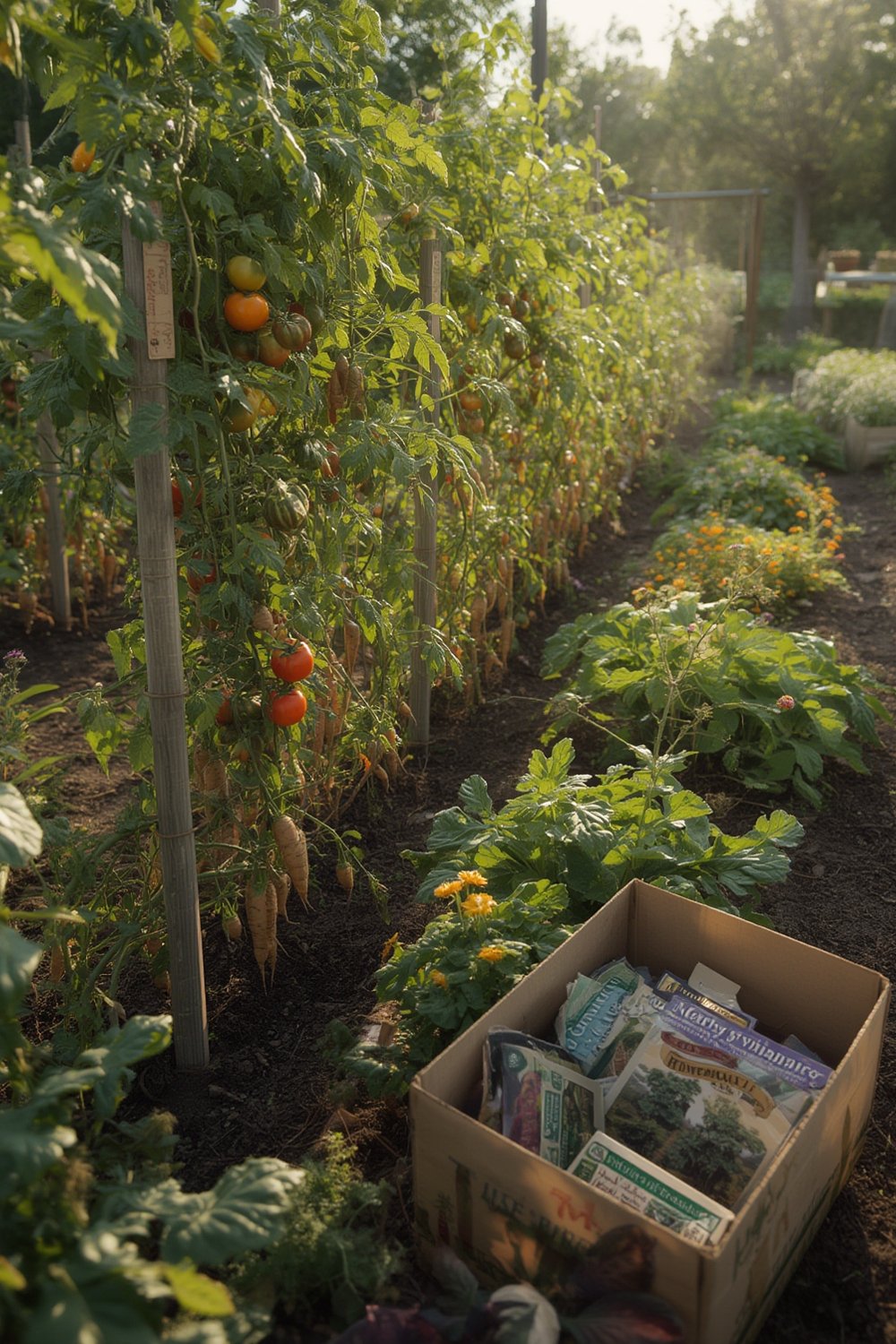
The organic vegetable seeds market was valued at $3,215.2 million globally in 2024, growing at a 13.4% CAGR. North America alone holds a 40% share. While hybrids make up the majority in industrial farming (with a 58.4% global market share for hybrids and 95% in the US), heirloom types remain at the heart of sustainability and regional food culture.
Interest in heirlooms often overlaps with broader trends: chaos gardening, pollinator support, and edible landscaping. Many gardeners using chaos gardening techniques integrate heirloom seeds for greater biodiversity and unique results.
How to Grow and Save Heirloom Vegetable Seeds: Step-by-Step Guide
- Select True Heirloom Varieties: Buy from reputable seed banks or exchanges. Ensure seeds are labeled as “heirloom,” “open-pollinated,” or “heritage.” Avoid hybrid (F1) types if planning to save seeds.
- Prepare Your Soil and Plant Thoughtfully: Amend soil with compost. Follow planting instructions specific to your climate. Consider no-dig methods such as layered beds for soil health.
- Prevent Cross-Pollination: Separate varieties of similar crops (especially squashes and tomatoes) by distance, caging, or timing. This ensures seed purity for next season.
- Cultivate Plants Organically: Use natural fertilizers and pet-safe organic treatments. Avoid chemical pesticides to maintain healthy, viable seed stock.
- Harvest at Peak Maturity: Wait for pods, fruits, or flowers to be completely ripe (often past the eating stage). For tomatoes, let fruit fully ripen; for beans, dry on the plant.
- Extract and Clean Seeds Carefully: Remove seeds from fruit or pods. For wet seeds (tomatoes, cucumbers), ferment for a day, rinse, and dry. For dry seeds (beans, peas), thresh and winnow to remove chaff.
- Cure and Store Properly: Dry seeds thoroughly. Store in cool, dark, airtight containers with desiccant packs for maximum longevity—ideally in a home seed bank setup.
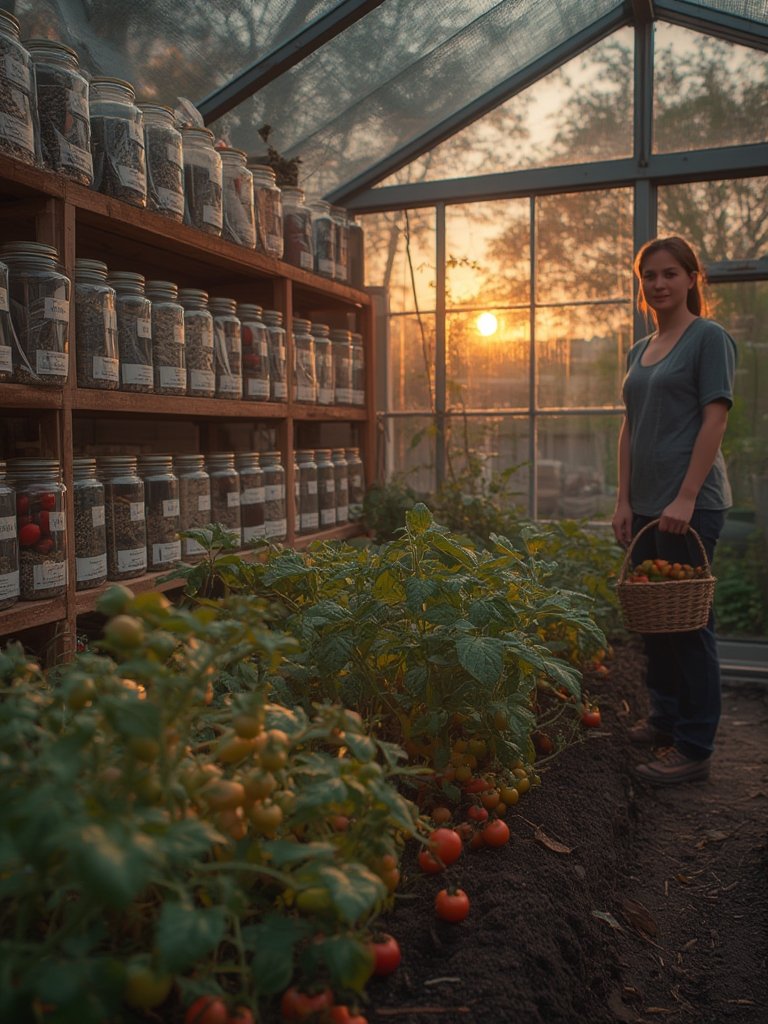
Caring for a seed bank? Build a system around airtight mason jars, add labels, and organize by crop type. Rotate older seed stock yearly. Many gardeners combine heirloom planting with native pollinator plants or a productive edible landscape for maximum ecological benefit.
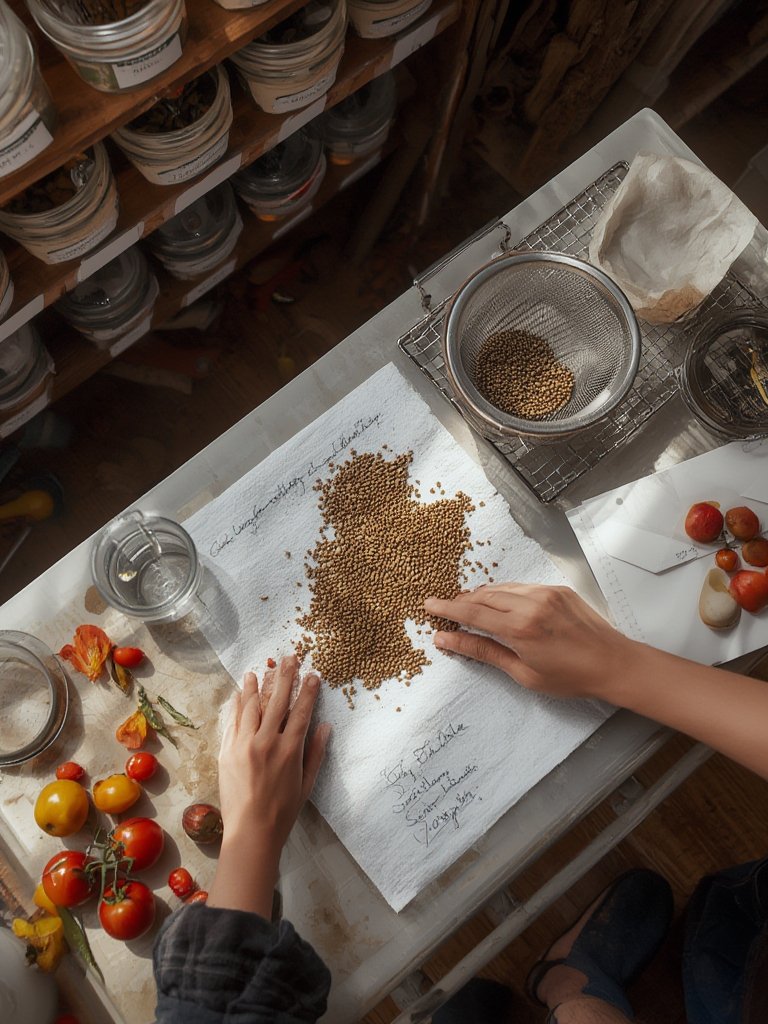
If you want a wild, low-maintenance approach, blend heirlooms into meadowscapes or low-till beds. This not only conserves seed genetics but also fosters pollinators and soil life.
Advanced Analysis & Common Pitfalls
The rapid growth of the organic seed sector—rising from $3.2 billion globally in 2024—shows strong enthusiasm, but there are some real obstacles for home gardeners:
- Hybrid Market Dominance: Industrial and even many home seed supplies now lean toward hybrids, which cannot be reliably saved. US seed supplies were 95% hybrid-focused in 2024 (source).
- Lack of Standardization: No universal certification or regulation for “heirloom” labeling exists in the US, EU, or Canada as of 2024—so shoppers must trust suppliers or research varieties themselves.
- Storage & Viability Problems: Most failures in seed saving come from incomplete drying, inadequate labeling, or fluctuating temperatures. Even slight moisture can cause mold or decrease germination rates within a year.
- Difficulty Accessing Transparent Data: Price comparisons, flavor trials, and nutritional studies for heirlooms versus hybrids are lacking (source), placing the burden of discovery on the gardener.
- Yield Uncertainty: Heirlooms tend to offer superior taste and unique traits but sometimes lower yields versus modern hybrids or GMOs, especially under industrial monoculture management.
| Aspect | Heirloom Seeds | Hybrid Seeds | GMO Seeds |
|---|---|---|---|
| Seed Saving | Reliable | Unreliable | Usually Prohibited |
| Genetic Diversity | High | Lower | Lowest |
| Flavors | Unique, intense | Uniform, sometimes bland | Varied |
| Yield | Variable, sometimes lower | High | Very High |
| Regulation | Minimal | Certified (F1) | Strict, patented |
| Organic Compatible | Always | Usually | No |
Many who start seed saving lose hard-won varieties to simple errors—poor isolation, incomplete drying, or unclear variety labeling. Consider cross-referencing best practices from specialty seed market reports or connecting with a reputable exchange to safeguard rare genetics long-term.
Conclusion
Heirloom vegetable seeds are more than a passing trend—they remain the backbone of resilient, flavorful home gardening. While data gaps around prices, government regulation, and flavor comparisons put more responsibility on the gardener, the core principles of selection, growing, and seed saving are straightforward and deeply rewarding. By investing in true heirloom seeds—and following proven techniques—you can ensure crop diversity and flavor for generations.
Ready to start? Take your first step with heirloom vegetable seeds today, and create your own living legacy of flavor and sustainability.
Frequently Asked Questions
What makes a vegetable seed “heirloom”?
Heirloom seeds come from open-pollinated plants with at least 40-50 years of documented history. They reliably produce true-to-type plants and are not hybrids or genetically modified.
Can I save seeds from heirloom vegetables every year?
Yes. Heirloom seeds are ideal for saving. Just isolate varieties and store them dry and cool for best germination.
Are heirloom vegetables always organic?
No, but they can be grown organically. Heirloom refers to genetics, not growing method. You’ll find many heirlooms sold as both conventional and organic seed.
Why can’t I find price comparisons for heirloom vegetable seeds in 2024?
Current data for 2024 does not include published price comparisons. Most statistics group heirlooms under organic or specialty seed categories, making direct price research difficult.
Are there government certifications for heirloom seeds?
No standardized heirloom certification exists. In the US and Europe, “heirloom” is primarily a marketing term. Trust reputable suppliers and look for detailed variety histories.
—