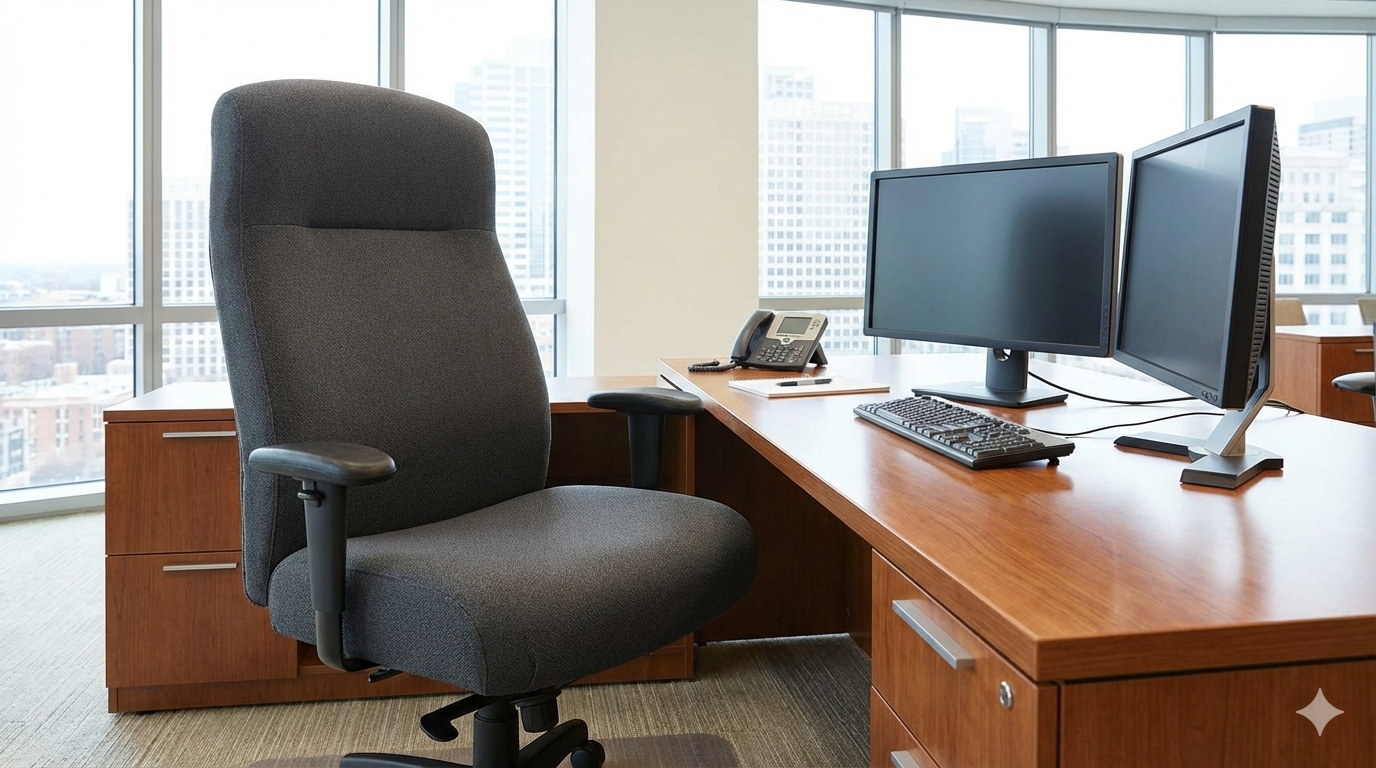
bariatric office chair selection isn’t just about size — it’s about safety, real ergonomic support, and avoiding expensive mistakes. If you’re shopping for office seating that truly meets plus-size needs (for yourself, an employee, or a healthcare environment), here’s exactly how to get it right the first time — with everything you need to know from core standards, step-by-step selection, realistic product pitfalls, and much more.
Key Takeaways
Bariatric office chairs must be chosen based on verified weight capacity, full ergonomic adjustability, and durable construction — not just price tags.
It’s common for standard chairs to fail in both support and comfort for larger users, making purpose-built bariatric models crucial for user health, safety, and morale.
Price, warranties, and real-world durability are rarely covered in detail by competitors — use our step-by-step guide to avoid costly oversights.
Understanding Bariatric Office Chairs: Core Standards and Market Context
Bariatric office chairs are purpose-built to provide safe, comfortable, and ergonomic seating for users weighing 500 pounds and above. Standard office chairs rarely exceed a 250 to 300-pound rating, while bariatric chairs are engineered for capacities of 500 to 1,000 pounds or more. They are critical not just in healthcare, but in modern offices as demographic and health trends shift toward growing demand for heavy-duty seating.
The bariatric office furniture sector is set to surpass $500 million in value by 2025, fueled by a 7% annual growth rate and a clear shift toward extended seat widths, reinforced frames, and adjustability as non-negotiable features. There is a clear market gap: inadequate, non-specialized seating leads to discomfort, equipment breakage, and significant health complaints.
Manufacturers distinguish between static load capacity (weight held when the chair is still) and active load capacity (weight during everyday use, such as when sitting down suddenly). In healthcare settings, a minimum 750-pound capacity is common, while top-end facilities opt for 1,000 pounds or more. Standard office chairs simply don’t make the grade for long-term or daily plus-size use.
Wondering how bariatric office chairs are engineered differently? Expect:
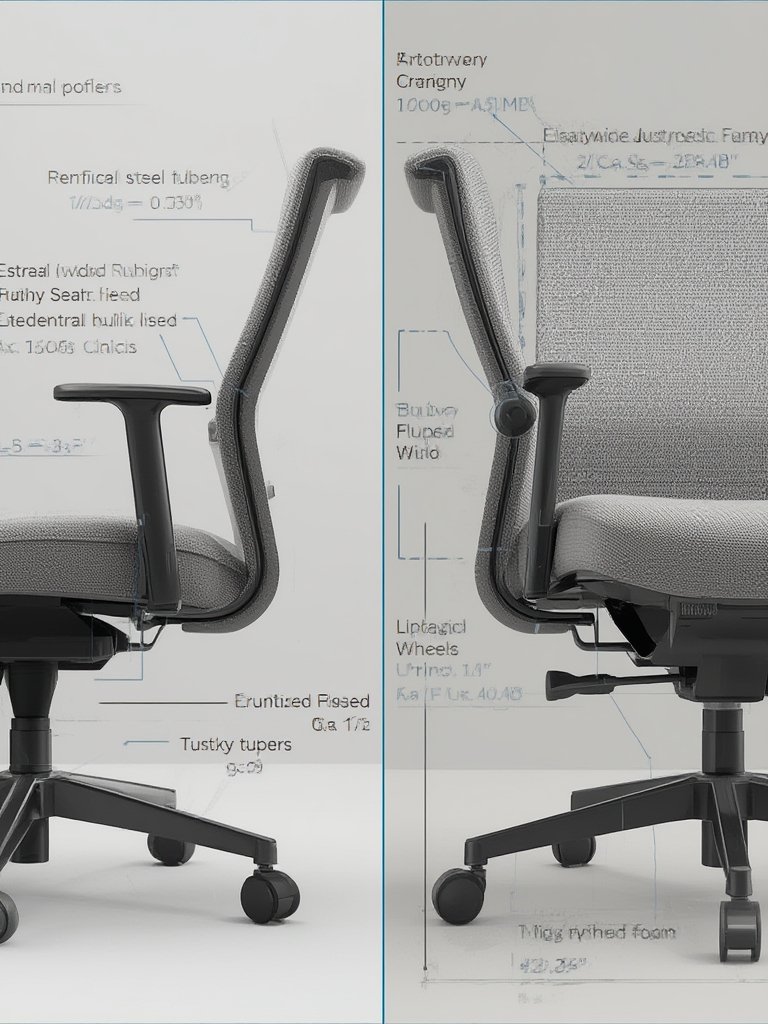
Much wider seat pans (33–39 inches is typical, vs. 20–21 on regular models)
Deep, high-density foam for pressure support
Frames built from heavy-grade steel, often double-welded or cross-braced
Multi-point ergonomic adjustments for custom fit (back, seat, arms, tilt)
But before you shop, you’ll need a simple, proven process to ensure you get what’s promised — and that your investment lasts.
How to Choose a Bariatric Office Chair: Step-by-Step
The following five-step process will help you navigate crowded marketplace claims — and pick the safest, most comfortable bariatric office chair for your needs.
💡 Pro Tip: Don’t trust a chair’s “weight capacity” rating alone. Ask for manufacturer test results — ideally for both static and active (drop test) loads — before you buy.
🔥 Hacks & Tricks: If you need custom fit or work in a mixed-size environment, look for chairs with adjustable seat width inserts or modular components. Some lines let you swap seat pans for different users at low cost.
Identify Your True Needs
Measure seat width, depth, and the space it will occupy. Standard bariatric office chairs span 30-39 inches, which can quickly overwhelm tight offices. Clearly document the heaviest anticipated user’s weight capacity, then add a generous safety buffer (at least 15% above actual weight).
Example: For a 450-pound user, buy a chair rated to at least 550 pounds, ideally 600 or more.
For multi-user spaces, always buy for the largest/planned user, not just the average.
Vet Construction and Material Quality
Frames should use cold-rolled steel, be free from weld cracks, and fit together without flex or creaking. Prioritize chairs that use high-resilience foam and commercial-grade upholstery.
Check for evidence of successful drop testing or a “10-year heavy-duty” performance claim (see advice).
If you see only generic “steel frame” claims, demand specifics: gauge, joinery, and official load test details.
Demand True Ergonomic Adjustability
Many “big & tall” chairs skip tilt or seat slide features, resulting in poor posture and increased strain. Look for models with:
3-lever (or more) adjustment: seat, tilt, and back independently
Armrests with height and width adjustments
Insist on a Written Warranty and Product Support
Pricing and warranty terms are rarely transparent in this category. Push for:
Minimum 5-year warranty (covering structure, foam, mechanisms, and fabric)
Clear process for claims and ongoing part replacements
Evidence of crash/durability testing within your target weight band
If the brand lacks these details, reconsider the purchase. See how transparency compares with guides on other adjustable furniture, like our analysis for multifunctional storage ottoman.
Audit for True Certifications and Safety Labels
Despite what you may read, there’s no global bariatric chair standard — but you should look for official safety and performance marks anyhow:
BIFMA or EN 1335 certification for office chairs
Fire resistance and chemical safety marks (if required by your state or country)
Done right, your bariatric chair will last years, support morale, and keep everyone safe. Done wrong, you risk discomfort, equipment failure, or liability — read the next section to avoid market pitfalls.
For even more guidance on matching ergonomic office furniture to both user needs and spatial constraints, see our actionable analysis on modular sectional sofas, which use similar logic for custom-fit comfort at scale.
Deep Dive: Pitfalls, Product Gaps, and Realistic Issues
Before you hit “Buy Now,” learn where most buyers go wrong — and what to do differently. Here’s a data-driven look at what’s rarely explained openly by manufacturers or retailers.
Feature/Issue
Standard Chair
Bariatric Chair (500+ lbs)
Common Pitfalls
Weight Capacity
250–300 lbs
500–1,000 lbs (some higher)
Manufacturers may exaggerate ratings or skip active load testing
Seat Width
20–21 in
30–39 in
Buyers sometimes underestimate width needed, causing discomfort
Adjustability
Basic (sometimes limited for big & tall models)
Full ergonomic (ratchet back, seat slide, 3-lever, adjustable arms)
Skipping ergonomic features reduces comfort and health outcomes
Frame Construction
Plastic/standard steel
Reinforced steel (cross-braced, welded)
Cheap or unstated metal quality may fail prematurely
Warranty
1–3 years
5–10 years (best practice in bariatric)
Warranties are rarely discussed transparently — ask directly
Certification
BIFMA/EN 1335 possible
No official bariatric standard; rely on overall office furniture certifications
Retailers sometimes claim “standards met” with no documentation
Other pitfalls include:
Failure to request or check for active load/drop test documentation
Underestimating the importance of ongoing part support (casters, arms, gas lifts)
Purchasing based solely on price, without factoring in longevity, adjustability, or cleaning requirements
Lack of end-user involvement in model selection — most comfort issues appear only after weeks of use
Assuming a high weight capacity means quality in all other areas (seat depth, adjustability, foam density, etc.)
Buyers have also reported (in other office furniture categories) that DIY assembly mistakes or using the wrong casters contribute to instability. If you expect frequent moves or tough flooring, request heavy-duty, field-replaceable rolling casters and anti-tip mechanisms — a useful tip echoed in our three legged accent chair and velvet curved dining chair coverage, which address different but related safety and comfort considerations.
Conclusion: Make an Informed, Confident Decision
A well-chosen bariatric office chair is a must-have for safety, inclusiveness, and ergonomic health in today’s workplace. Remember: verify bariatric office chair weight claims, demand full ergonomic fit, and push for transparency on warranty and certifications. Don’t settle. If you’re ready to invest in a chair built for the real world, insist on written specs, official test data, and clear after-sales support every time. For more expert guides on buying office and home furniture that fits your body and life, start with our best tips on Japandi dining tables and follow the latest in smart office furniture innovation.
FAQ: Bariatric Office Chairs
What weight capacity should I choose for a bariatric office chair?
Always select a chair rated 100–150 pounds above your heaviest anticipated user’s weight. Look for products rated to at least 500 pounds, and ideally higher for multi-user or healthcare environments.
Are bariatric chairs actually more comfortable than standard big & tall chairs?
In most cases, yes. Bariatric chairs offer wider seats (30–39 inches), deeper foam, and better adjustability — reducing pressure points and improving long-term comfort for plus-size users.
What’s the most important ergonomic feature for bariatric users?
Look for independent seat and back angle adjustments, plus adjustable armrests and lumbar support. Fixed-position “big and tall” chairs often cause pain or poor posture for larger users.
How can I verify if a bariatric office chair is truly safe?
Ask manufacturers for both static and active (drop test) weight certifications — ideally with documentation or lab results. If none can be provided, consider another brand.
Is there an official safety certification for bariatric office chairs?
No. There is currently no single global bariatric chair certification. Look for general commercial office chair standards (like BIFMA or EN 1335) and always demand a detailed warranty.