


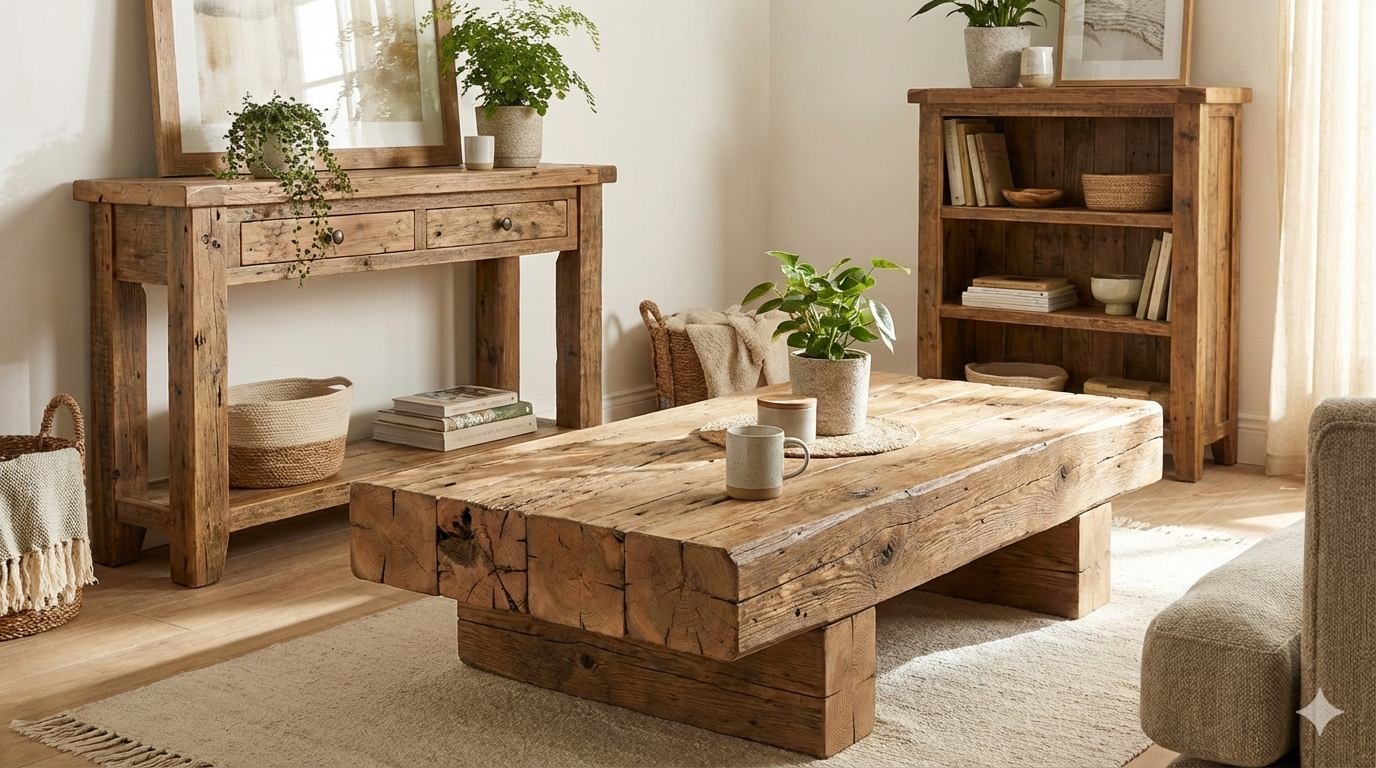
Sustainable reclaimed wood furniture is quickly becoming the gold standard for eco-conscious interiors, offering authentic character while reducing environmental impact. But what exactly makes it sustainable, and how do you ensure you’re making a genuinely green choice? In this guide, you’ll discover the practical steps, market stats, insider tips, and the real-world challenges of choosing and using reclaimed wood furniture.
Key Takeaways
- Demand for reclaimed wood and eco-friendly furniture is rising steadily, especially across North America, Europe, and Asia Pacific regions.
- Key buying challenges remain: understanding the real sustainability, sourcing transparency, and durability of reclaimed furniture.
- Despite impressive market growth, buyers must navigate greenwashing and practical pitfalls to make a truly sustainable choice.
- Sustainable Reclaimed Wood Furniture: The Core Concept
- How to Choose Sustainable Reclaimed Wood Furniture: Step-by-Step Guide
- Advanced Analysis & Common Pitfalls
- Conclusion
- FAQ
Sustainable Reclaimed Wood Furniture: The Core Concept
Sustainable reclaimed wood furniture is crafted from timber that has been salvaged from old buildings, factories, or previously used products, instead of using newly harvested wood. This not only preserves forests but also gives a second life to high quality materials that would otherwise be wasted. The appeal is clear: you get unique, storied pieces while dramatically lowering your carbon footprint.
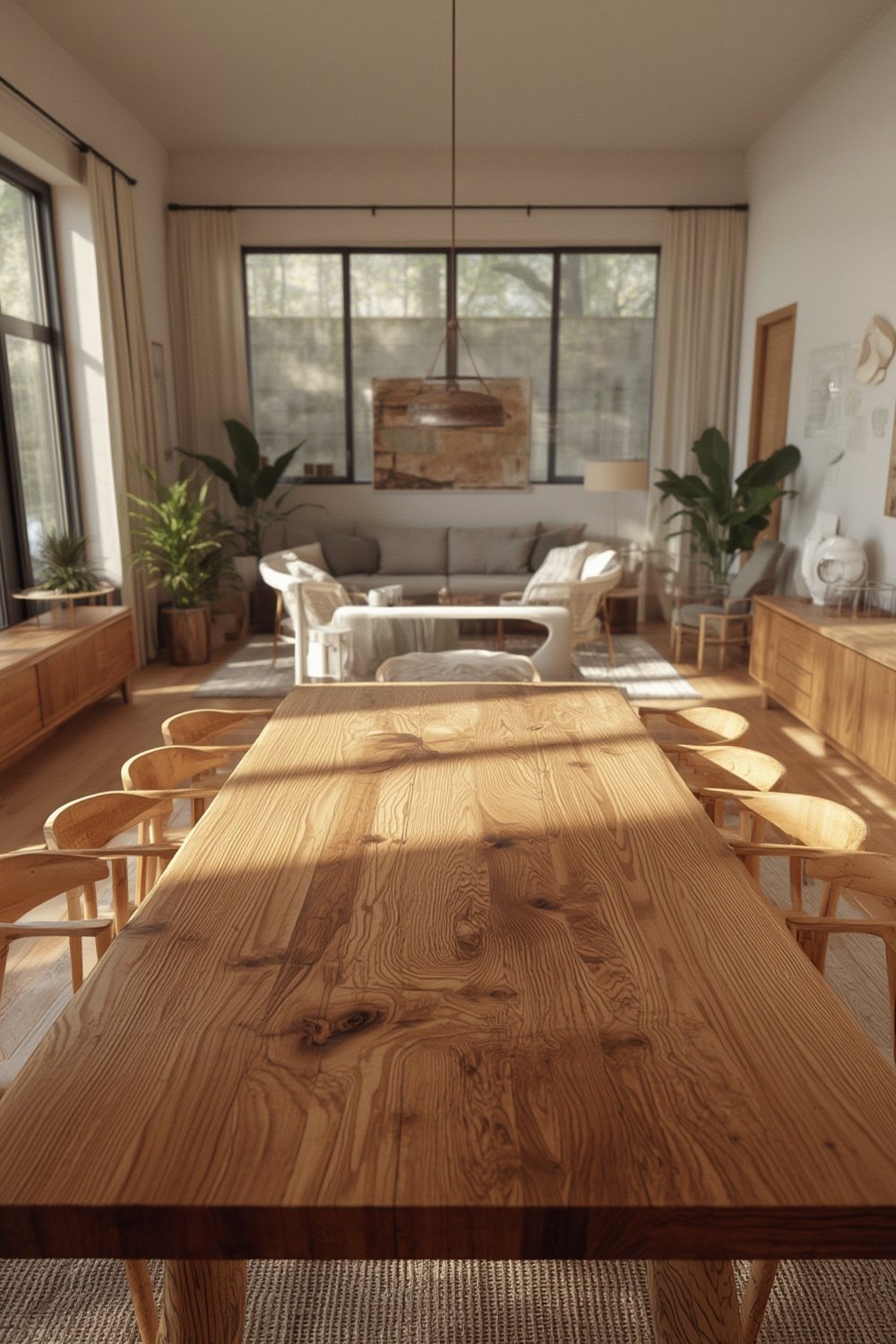
Globally, the reclaimed lumber market reached $55.72 billion in 2023 and is projected to soar to $98.10 billion by 2033, reflecting a 5.82% CAGR. North America dominates the eco-friendly furniture sector, holding over 43% market share in 2024, with Europe and Asia Pacific quickly catching up. This surge is driven by sustainable home trends, rising interest in biophilic design, and consumer demand for authentic, eco-conscious interiors.
Still, not all ‘reclaimed’ wood furniture is created equally. Without careful sourcing and transparent supply chains, some products can be less green than they appear. The key is understanding what makes a piece truly sustainable—and what is simply green marketing.
If you’re thinking about blending reclaimed wood with other trending styles, consider pairing with a curved bouclé sofa or a Japandi dining table for an updated, layered look.
How to Choose Sustainable Reclaimed Wood Furniture: Step-by-Step Guide
Before investing in sustainable reclaimed wood furniture, follow these actionable steps to make sure you’re making an informed and genuinely green choice:
- Define Your Sustainability Priorities. Do you want zero waste, carbon reduction, local sourcing, or a particular aesthetic?
- Ask About Provenance. Get clear documentation on where the wood was sourced. Was it salvaged locally? How old is the wood? Do not accept vague answers. Choose retailers who value transparency—this is a rising consumer demand, though not always easy to find.
- Check for Certifications. Look for third-party validation such as FSC Recycled, Rainforest Alliance, or alignment with LEED sustainable sourcing. Beware: not all certifications are equal, and some suppliers overstate their green credentials. Verify claims via links to organizations like the Sustainable Furnishings Council.
- Inspect Quality and Construction. Reclaimed wood can be extremely durable, but not all finishes are eco-safe, and some pieces may retain hidden flaws from prior use (nail holes, cracks, bug damage). Ask for details on finish, adhesives, and repair policy. Visit showrooms to check actual build quality.
- Assess Carbon Footprint and Lifecycle Impact. Although hard data is scarce, prioritize brands that share details about their supply chain, shipping practices, and product lifecycle—do they reclaim and recycle at end of use?
- Compare Price and Longevity. Prices can be higher than new wood furniture, but a well-built reclaimed wood table can last generations. Consider the long-term value and total cost of ownership.
Additionally, for modular flexibility, see how sustainable reclaimed wood furniture integrates with modular living room furniture or convertible Murphy beds for small spaces.

If you want to maximize comfort and function with your reclaimed finds, combine with multi-use pieces like a multifunctional storage ottoman or vintage accessories seen in our vintage accent chair guide.
Advanced Analysis & Common Pitfalls
Despite the appeal, buying sustainable reclaimed wood furniture isn’t risk free. Here are the most realistic challenges you’ll encounter based on market research and buyer sentiment:
- Lack of Sourcing Transparency: Many retailers cannot prove the real origin of their reclaimed wood. Some import products with limited sustainability practices or false claims. Always ask for documentation or direct supply chain details.
- Greenwashing: Watch for overblown marketing that labels anything “reclaimed” as eco-friendly. True sustainability includes responsible processing, non-toxic finishes, and ethical labor—not just recycled wood panels.
- Finish and Durability Concerns: Buyers sometimes report inconsistent finishes, rough surfaces, or unclear maintenance requirements. Unlike engineered wood, reclaimed pieces may have more natural variation (knots, splits), or leftovers from previous use. Maintenance and refinishing can be more complex.
- Higher Upfront Costs: Expect prices to be 10-40% over standard mass-produced wood furniture, even though broader price analysis data is lacking. The long-term cost can be lower if quality is high, but not all reclaimed products deliver generational durability.
- Certification Confusion: No single sustainability certification covers all aspects buyers care about, and few sellers explain what their labels really mean. FSC Recycled and LEED alignment are positives, but not guarantees. Deep research or third-party audits may be necessary if you want the full picture.
| Type | Pros | Cons |
|---|---|---|
| Reclaimed Wood Furniture | Reduces waste, unique character, avoids new logging, less carbon emissions | Sourcing/traceability issues, inconsistent finish, higher cost, harder to verify certifications |
| Bamboo Sustainable Furniture | Rapid regrowth, lighter weight, often less expensive | Faces deforestation in non-managed plantations, can involve chemical processes, sometimes imported unsustainably |
| Conventional Wood Furniture | Predictable build, smooth finish, wide variety | Contributes to deforestation, higher carbon impact, often lacks recycling plans |
| Upcycled/Recycled Furniture | Extends life of discarded items, maximal waste reduction | Unpredictable source quality, hard to certify as truly sustainable |
For regional context, the eco-friendly furniture market is expected to top $100 billion by 2034, with wood as the primary material and residential applications leading growth. Still, circular economy goals—like zero waste in supply chains and full material traceability—remain aspirational for most manufacturers. Retailer scorecards show progress but no case studies yet prove universal best practices.

Conclusion
Sustainable reclaimed wood furniture can offer real environmental impact, unique style, and long-term value when sourced and built responsibly. But smart buyers need to demand transparency, check certifications, and remain alert to greenwashing. As the market for sustainable reclaimed wood furniture evolves, careful choices—and sometimes a little skepticism—are the best tools for truly green interiors. Choose wisely and make your home a statement for both the planet and timeless design.
Ready to bring character and sustainability to your home? Start by exploring reputable local artisans or retailers with full material disclosure and certified practices.
FAQ
Is all reclaimed wood furniture truly sustainable?
No. True sustainability depends on transparent sourcing, non-toxic finishes, and responsible processing—simply being ‘reclaimed’ isn’t enough. Always verify with documentation and certifications.
What certifications should I look for on reclaimed wood furniture?
Look for FSC Recycled, Rainforest Alliance, or LEED-aligned certificates. However, ask sellers to explain each certification’s criteria, as not all are equal or strictly enforced.
Why is sustainable reclaimed wood furniture sometimes more expensive?
Higher costs reflect the labor required to source, process, and finish salvaged materials. True reclaimed pieces are often handmade or involve extra restoration, raising the price compared to mass-produced alternatives.
Can reclaimed wood furniture last as long as new furniture?
Yes, high quality reclaimed wood—properly processed and finished—can equal or exceed the durability of new furniture. Carefully inspect joinery and finishes, and follow recommended care routines.
How can I avoid greenwashing when buying reclaimed furniture?
Check for clear provenance, recognized third-party certifications, and transparent business practices. Beware of vague or unsupported sustainability claims, and ask tough questions before buying.