


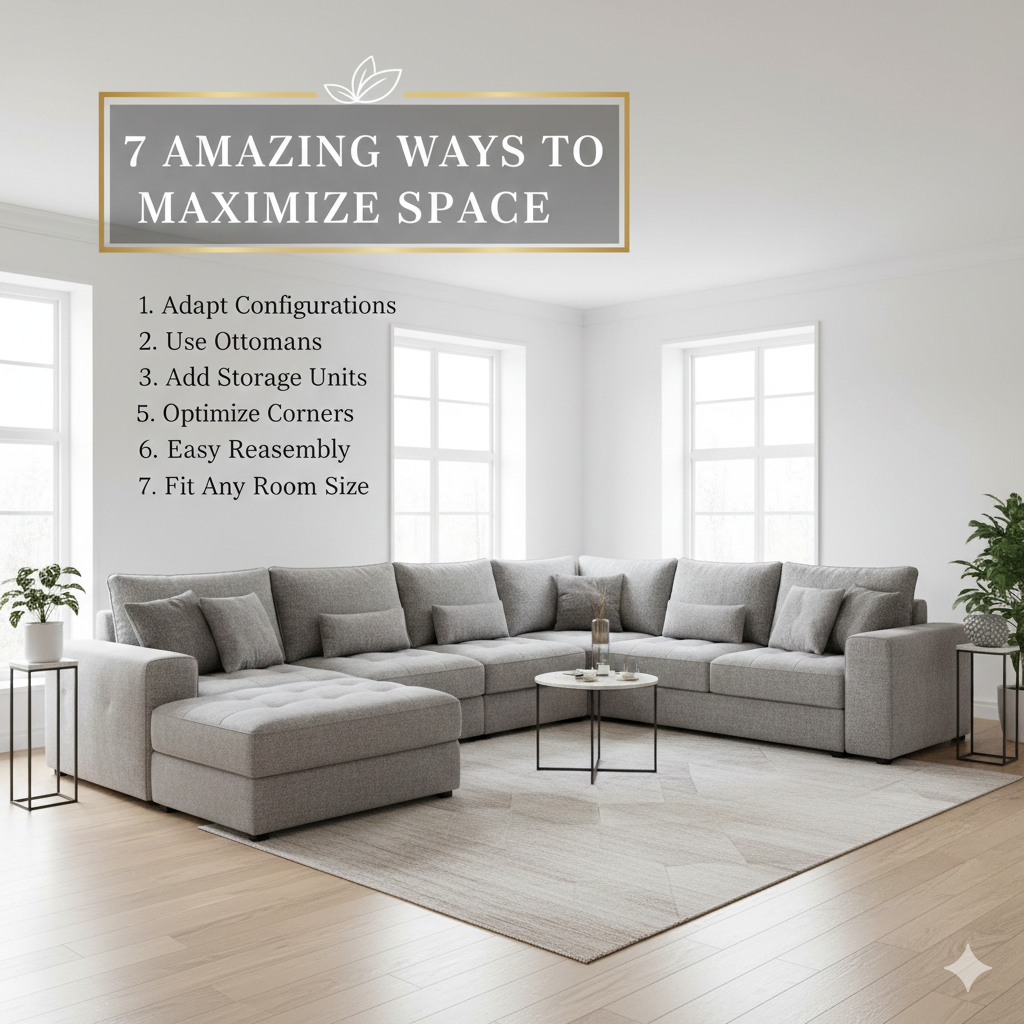
Modular sectional sofa designs have transformed how we approach modern, versatile living spaces, offering flexibility that suits everything from compact apartments to spacious homes. If you’re exploring this furniture trend, here’s a clear, data-driven guide covering the essentials, advanced considerations, and hard-earned insights rarely shared elsewhere.
Key Takeaways
- Modular sectional sofas are fast-growing in North America and Europe, with market size expected to hit USD 7.8 billion by 2031.
- Buyers should pay close attention to configuration potential, available upgrades, and technical specs—even as many popular models lack detailed transparency.
- Common pitfalls include model compatibility, difficulty sourcing replacement parts, and matching fabric colors across modules.
- The Core Concept: Modular Sectional Sofas Explained
- Step-by-Step Guide: Setting Up and Customizing a Modular Sectional Sofa
- Advanced Analysis & Common Pitfalls
- Conclusion
- FAQ
The Core Concept: Modular Sectional Sofas Explained
Modular sectional sofas let you adapt your seating layout to fit your space, needs, or changing tastes. Unlike fixed sofas or traditional sectionals, you can reconfigure modular units—think L-shape, U-shape, extra chaise, or standalone chairs—by connecting or rearranging segments as required.
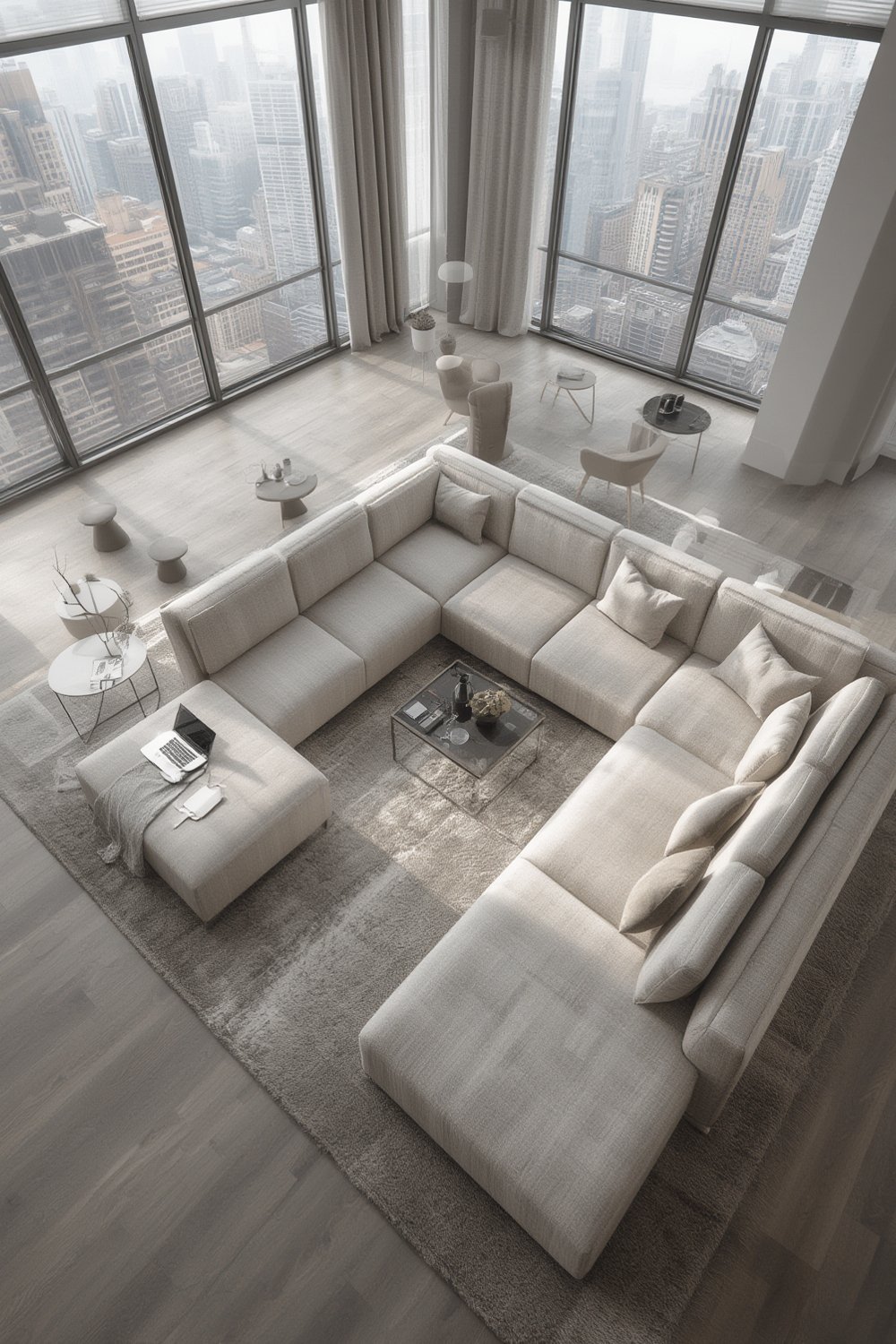
This flexibility is especially valuable as living arrangements change rapidly, whether you work from home, move frequently, or regularly entertain guests. North America leads demand, driven by smaller living spaces and the appeal of furniture that can be upgraded over time. Meanwhile, Europe’s market grows through sustainable materials and skilled craftsmanship (source).
See how modular furniture adapts in other home areas by reading about smart lighting system installation and efficient space integration.
Step-by-Step Guide: Setting Up and Customizing a Modular Sectional Sofa
Here’s a practical breakdown for choosing, assembling, and customizing your modular sectional sofa for maximum comfort and longevity:
- Assess Your Room Size and Shape.
Measure the available space. Account for doorways, windows, and traffic paths.
- Determine Your Configuration Preferences.
Choose your ideal layout—corner unit, chaise extension, or U-shaped setting.
- Research Key Technical Specs.
Look for frame materials (solid wood or metal), secure connection mechanisms, durable fabric with high Martindale or double rub ratings, and ensure your preferred weight/size capacity. Note: Many brands do not publish this info, so ask directly.
- Confirm Compatibility of Add-On Modules.
If you plan to expand in the future, ensure modules and connectors remain available and colors/fabrics match precisely.
- Follow Assembly Instructions Carefully.
Most modular sofas offer tool-free joints, but review locking details for stability. Arrange modules tightly, engage each connector, and periodically check for wobble or shifting.
- Customize and Style.
Add armrests, ottomans, or back supports as needed. Use removable covers or throw pillows to update your look or cover minor fabric mismatches.

For anyone considering integrating smart home functions into their living space, explore home automation lighting solutions to easily sync your modular sofa area with mood lighting or voice control setups.
Modular sectionals suit renters, urban dwellers, and families who may need to reconfigure often—or anyone wanting a truly customizable seating experience.
Looking for a detailed breakdown on overtly technical living room improvements? Our smart bulb setup guide complements the modular approach by adding scalable, connected lighting.
Advanced Analysis & Common Pitfalls
While modular sectional sofas provide unmatched flexibility, certain drawbacks and hidden problems persist. Here’s what most top search results and retail descriptions tend to omit—and what you must plan for:
| Potential Issue | Why It Matters | How to Mitigate |
|---|---|---|
| Model Compatibility Limitations | Not all brands allow new modules to fit older sets. Upgrading or expanding later could be impossible. | Buy extra modules up front or choose brands known for long-term module support. |
| Replacement Part Availability | Damaged or lost connectors, feet, or cushions are often hard to source once a model is discontinued. | Check return/replacement policies and stock up on small hardware when buying initially. |
| Color and Fabric Matching Issues | New fabric dye lots and finishes may not match your existing set, even for “same model” modules. | Order swatches and verify batch codes for a perfect match before adding modules. |
| Unclear Technical Details | Specs like fabric abrasion ratings, frame materials, and weight capacity are usually undisclosed. | Ask directly for technical data or seek third-party certifications before you buy. |
| Durability and Stability Concerns | Limited long-term data on wear, comfort retention, or frame wobble from buyers or independent testers. | Read vendor return policies, check for warranties, and look for user-uploaded photos/videos on review sites for real-life wear stories. |
Competitor articles rarely cover advanced configuration possibilities (such as integrating chaise lounges, ottomans, and recliners with smart features), nor do they discuss the impact of modular sectionals on room acoustics or resonance in small spaces—a must-know for home movie buffs and audiophiles.
Wondering how to further enhance the comfort and ambiance of your lounge space? Consider pairing your modular sectional with circadian rhythm lighting for a holistic upgrade.
For deeper market data, see Cognitive Market Research.

Price transparency is also lacking: concrete market data on average costs, additional interchangeable piece pricing, or upgrades (like L-shape extensions or sleeper conversions) is not yet published for 2024 (HTF Market Insights).
Conclusion
Modular sectional sofas have reshaped modern living by letting you create a custom, adaptive lounge layout that fits your evolving needs. While the flexibility is unmatched, buyers must watch out for compatibility gaps, part availability, and fabric inconsistencies—issues most retailers gloss over. Always demand clear information, test samples in real settings, and plan ahead for future upgrades. Explore more on modular furniture and smart home synergy by checking our proven home automation lighting guide. Ready to design your ideal setup? Start researching the modular sectional sofa that aligns best with your lifestyle—every feature and limitation included.
FAQ
What exactly is a modular sectional sofa?
A modular sectional sofa is a seating system made from separate pieces (modules) that you can connect, rearrange, or add to as needed—offering more flexibility than traditional sofas.
Do modular sectionals stay connected, or do they slide apart?
Most use brackets or connection mechanisms to stay together, but frequent shifting can happen—especially on smooth floors. Adding non-slip pads or lockable connectors can help.
Are extra modules and upgrades always available later?
Availability depends on brand and model. Some lines are updated regularly, so matching colors and connectors is not guaranteed. Purchase additional pieces early if possible.
How do you clean and maintain fabric on a modular sectional sofa?
Most have removable covers you can wash or spot-clean. Always check care instructions and consider protective sprays for stain-prone fabrics.
Can modular sectional sofas integrate with smart home features?
Few modular sofas come with integrated tech, but you can add smart lighting or nearby outlets to enhance your sofa area. For more, learn about alexa compatible lights for living rooms.