


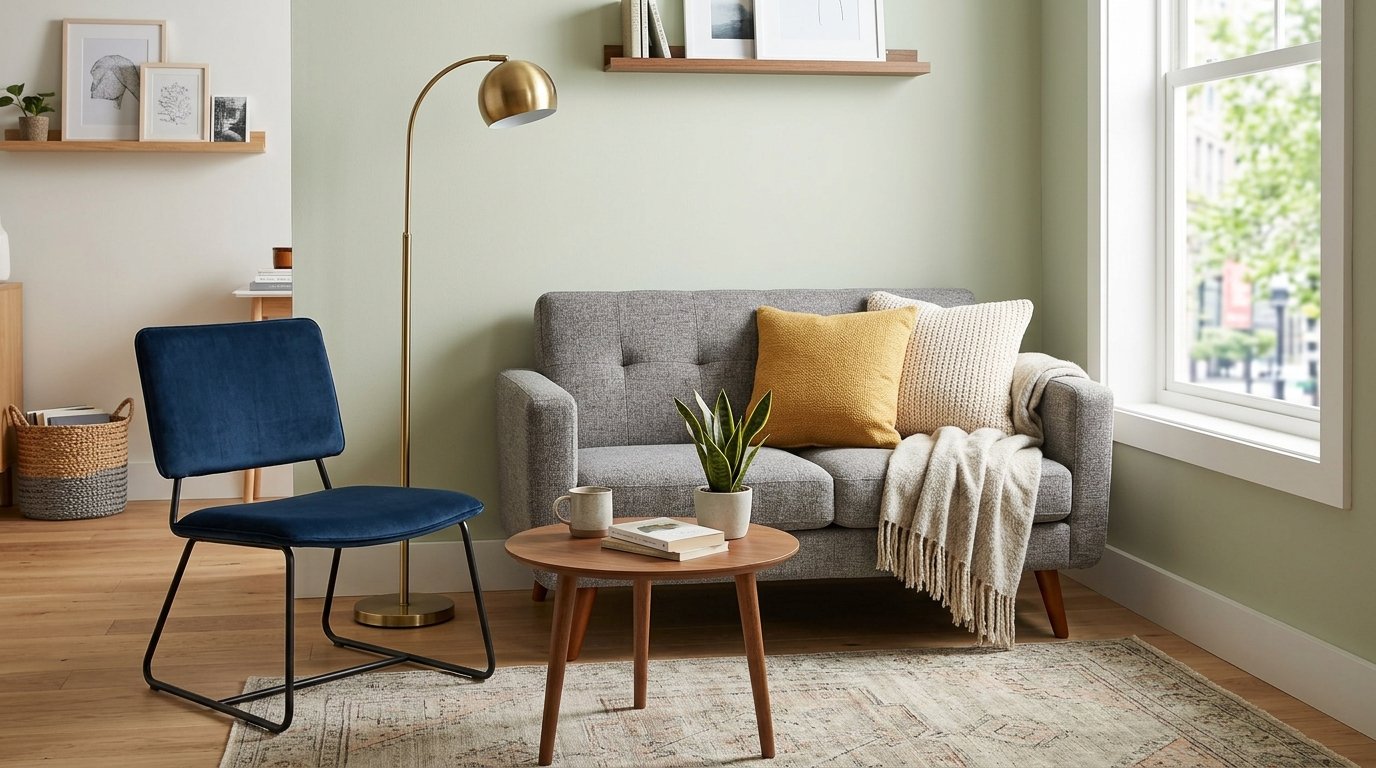
Small apartments, rental studios, and awkward corners all have one thing in common: furniture frustration. The world isn’t built for big sofas anymore, and small scale seating has gone from afterthought to a multimillion-dollar obsession for a reason. But not every tiny loveseat or armless chair actually works in real life — let’s sort out what actually delivers for comfort and space (and what’s a waste of money).
- How Big Is the Small Scale Seating Boom?
- Mini Chair Frustrations: What Annoys Real Buyers
- How Much Space Do You Actually Save?
- Price & Material Breakdown: What Lasts in Compact Seating
- Modular, Folding, Stackable: How Flexible Is Small Scale Seating Really?
- Are Compact Loveseats Comfortable For Actual Lounging?
- Design Styles and Upholstery Wins for 2024
How Big Is the Small Scale Seating Boom?
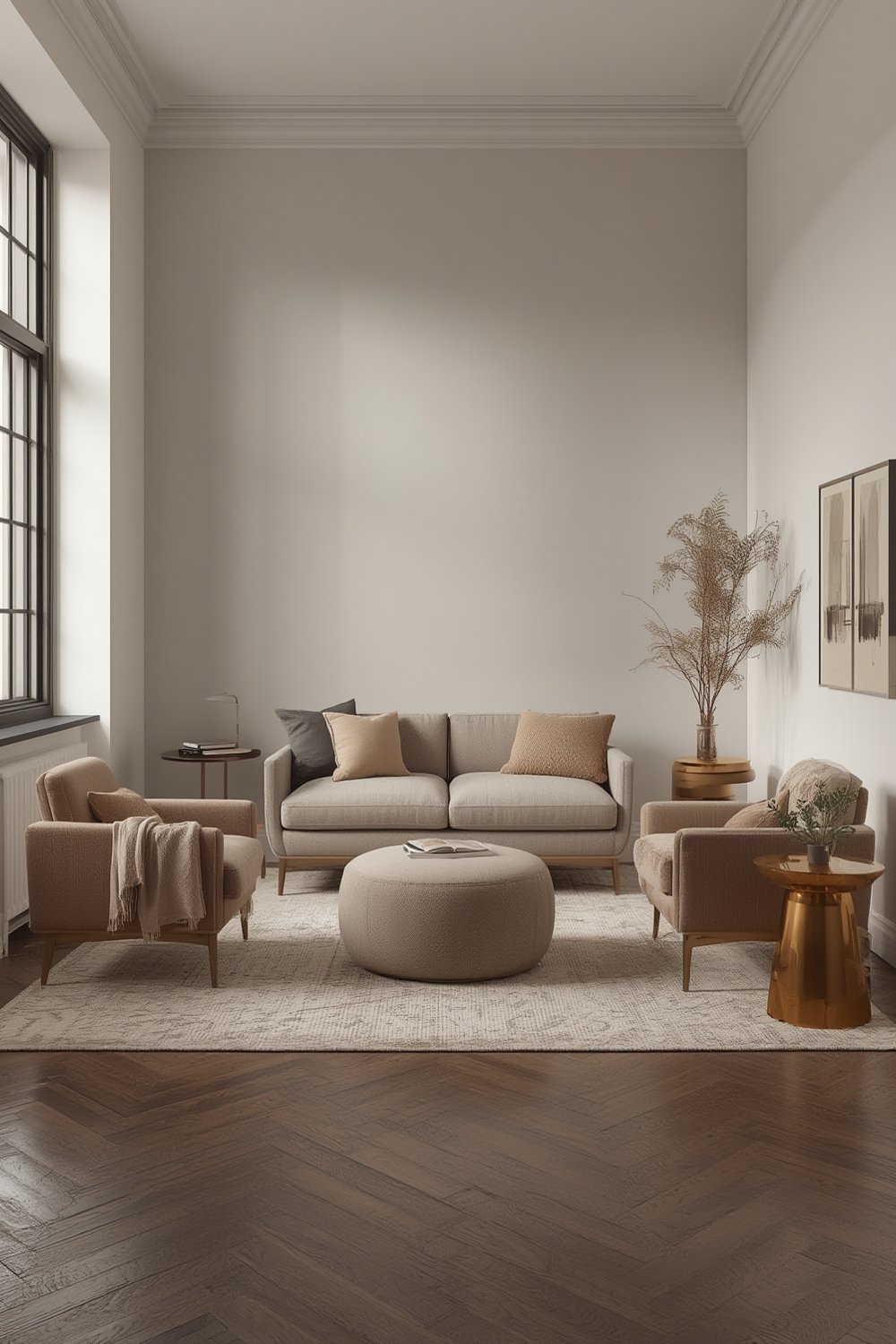
If you walk through any major furniture store, you’ll see way more compact armchairs and apartment sofas and 56″-wide “apartment sofas” than even five years ago. In 2024, the small space furniture market (that’s everything from folding chairs to sofa beds) is valued at USD 3.4 billion and is on track to hit $4.8 billion by 2031 (5% CAGR). That growth isn’t hype — it’s people moving into city apartments and condos with 500–900 square foot footprints, shifting priorities from “huge sectional” to “what can I actually fit?”
If you’re shopping in the US, don’t be shocked about that long ship estimate: imports of upholstered wooden seats hit $8.17 billion this year, up 9.5% over last year. Globally, 64% of buyers now look for modular systems and 59% want custom compact designs. Asia Pacific is leading the charge (7.2% growth annually) because if you’ve ever tried to furnish a Tokyo or Singapore flat, you know every inch counts.
What’s selling? Think foldable chairs, small-scale club chairs, modular or L-shaped sectionals (the kind that actually reconfigure, not just “split in two”), and convertible sofa beds. For a deep dive on why customizable modular sofas are so huge right now, you can check out my space-maximizing guide.
Mini Chair Frustrations: What Annoys Real Buyers
No glossy retailer website will tell you this, but mini accent chairs and tiny armchairs aren’t universally comfortable. As someone who reviews these things for a living, here’s what buyers really grumble about:
- Shallow seats. Looks cute, but you’ll end up perched—never lounging. Deep seat comfort is a rarity (if you want the “sink in for hours” vibe, read the honest scoop on deep seat sofas).
- Low weight limits. A lot of petite club chairs tap out at ~220 lbs. Not so inclusive.
- Cramped armrests or none at all. Aesthetically “airy” designs often mean nowhere to prop your arm.
- Sliding on hard floors. Lightweight means they’re easy to scoot—but also easy to accidentally launch into a wall when you stand up.
- Assembly can be ridiculous. 95% of small imported accent chairs arrive flat-packed, and the included Allen key is almost always a letdown.
- Stain-prone fabric. Cheap poly velvet and basket-weaves pill and spot almost instantly if you live with pets or kids. If that’s you, look at performance fabric sofas for genuinely washable (not just “spot clean”) upholstery, even on the smallest frames.
Bottom line: if a mini chair feels like a budget airline seat, it will only get less comfortable over time. Pay close attention to cushion fill, seat depth (anything under 18″ is kid-sized), and frame material. I’ve seen plenty of hardwood frames from West Elm or Crate & Barrel last a decade, while many of the $99 Amazon options start wobbling after a season.
How Much Space Do You Actually Save?
There’s almost zero transparent data out there comparing just how much square footage you save trading full-size furniture for compact pieces. But after years of measuring client rooms and swapping out seating, here’s what I’ve consistently seen:
- Standard sofas run 84-90″ wide. Most “apartment” or small-scale sofas fall between 54–68″. That’s an extra 16–30″ of open floor you gain — which is the difference between being able to open a closet or not hit your knees on a coffee table.
- Armless loveseats (think classic settee style) can be under 48″ wide, making them a go-to for “dead” wall spaces.
- Banquette seating against a wall (especially in breakfast nooks) both frees up walk space and can double as storage if you opt for a lift-top design. You’re looking at saving about 2 feet in depth versus pushing out loose chairs in a small dining corner.
In practical terms, if you outfit a 10’x12’ living area with petite pieces, you clear enough square footage for a dedicated workspace, a bigger rug, or (realistically) just not feeling hemmed in by furniture. If you love modular, layout-changing flexibility, the modular sectional sofa guide I wrote spells out tricks for getting the most seating with the smallest footprint.
Price & Material Breakdown: What Lasts in Compact Seating
There’s a con going on in small space seating: because it’s “specialty size,” markups are huge — but the construction isn’t always better than standard models. Here’s how to shop smarter:
Price Ranges to Expect
- Club chairs & petite armchairs: $175 to $900 for decent quality. Under $200, expect MDF frames and questionable fabric. Over $400 you should be getting kiln-dried wood, spring support, and performance upholstery.
- Compact two-seaters/loveseats: $250 to $1200 on average. IKEA KLIPPAN is famous for running cheap (~$279), but I’d recommend springing for higher-density cushions if you want it to last long-term.
- Custom upholstery or designer “lounge” mini chairs: $900 to $2200. Here, you’re often paying for fabric selection and brand, not always superior construction.
What Actually Lasts (and What Doesn’t)
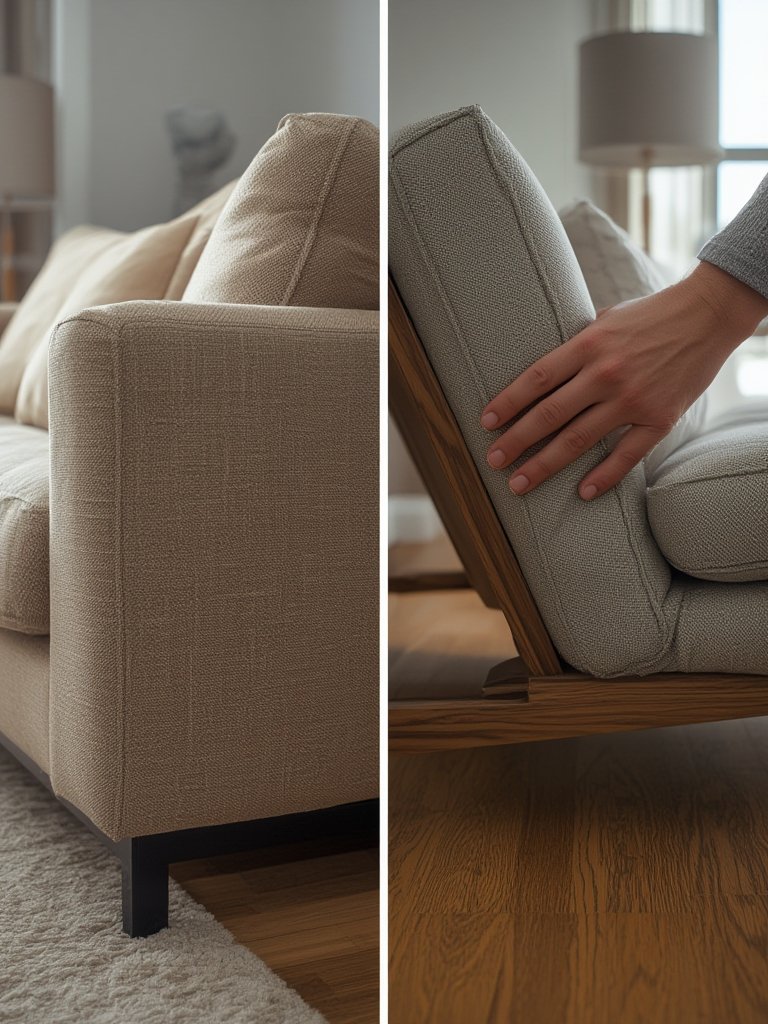
- Solid hardwood frames are still king for durability. You’ll feel the weight but also the stability — and they don’t warp over time like particleboard. I’ve seen budget frames pull apart at the glue joints after 2-3 years in humid apartments.
- Upholstery matters more than you think. Poly velvet looks plush out of the box, but the cheap stuff pills within six months. If you can, look for performance fabrics with a 50,000+ double rub rating or try the newer recycled polyester blends. Bouclé was everywhere last year, but unless it’s a high-grade wool blend, expect it to mat down fast (see my take on the bouclé sofa trend).
- Sustainable woods (bamboo, certified reclaimed) are making a real dent, both for eco value and resistance to splitting. If you want to go even greener, read the insights in the sustainable reclaimed wood furniture guide.
With small scale seating, the rule of thumb is: if it feels too light to hold its own, it’s probably not going to survive a move (or even a year with energetic kids).
Modular, Folding, Stackable: How Flexible Is Small Scale Seating Really?
People love the idea of furniture that moves with you — modular sectionals, folding chairs, stools that stack in a closet. At least, until you try to actually configure them in a tiny room.
- Modular sofas really do make sense in small spaces, but only when the joining hardware is solid. Snap-together IKEA-style models are usually reliable, but the ultra-cheap versions on marketplaces get wobbly fast. For genuinely interchangeable layouts, see which modular couches hold up (and which ones frustrate users with shifting pieces).
- Folding chairs/stools: Excellent for a backup (and yes, some are sturdy), but if you’re over 6’0” or sit for longer than 30 minutes, they’re rarely comfortable enough as a daily driver. Watch out for squeaky hinges and check that the locking mechanisms are metal, not plastic.
- Stackable accent chairs: Better for occasional use. Some contemporary designs are surprisingly stylish (see the three legged accent chair trend), but always test the balance/stability before committing.
- Dual-purpose ottomans give you extra seating and storage — the modern versions really do hold up for most homes, especially if you want hidden storage without the bulk (multifunctional storage ottomans reviewed here).
If you’re mapping out a very tight living room or want to see real-world user layouts that flex with actual daily routines, don’t just trust retailer renderings. Look for reviews from people in ~500 sq. ft. spaces or check Instagram for setups that aren’t showroom-perfect. A little research saves a lot of buyer’s remorse.
Are Compact Loveseats Comfortable For Actual Lounging?
Not all small scale seating is made for lounging (despite what the catalogs suggest). Most compact loveseats excel for quick chats or as guest overflow — but if you want Netflix marathon comfort, you’ll need to be picky about seat depth, cushion quality, and back height.
- Seat depth is everything. Anything shallower than 20” (front to back) is not lounge material. Stick to at least 22” if you want to curl your legs up (even at 5’7”, I notice the difference).
- Low arms look chic but make for awkward napping. High, padded arms = better relaxation, though they visually chunk up the footprint.
- Cushion composition: Avoid super firm or all-foam bottoms. The better compact sofas use pocket coil or spring-and-foam hybrids.
- Try before you buy. I can’t stress this enough. If you’re shopping online, read (and believe) the negative reviews on comfort. For some, the little curved bouclé sofa gets uncomfortable after an hour, despite being Instagram gold.
I wish there was robust user testing data comparing compact versus full-sized sofas, but the honest reality: for all-day lounging, the deep seat and oversized cushion category wins out. That said, if you need a loveseat to fit a bedroom or an oddly-shaped area, the tradeoff might be worth it.
Design Styles and Upholstery Wins for 2024
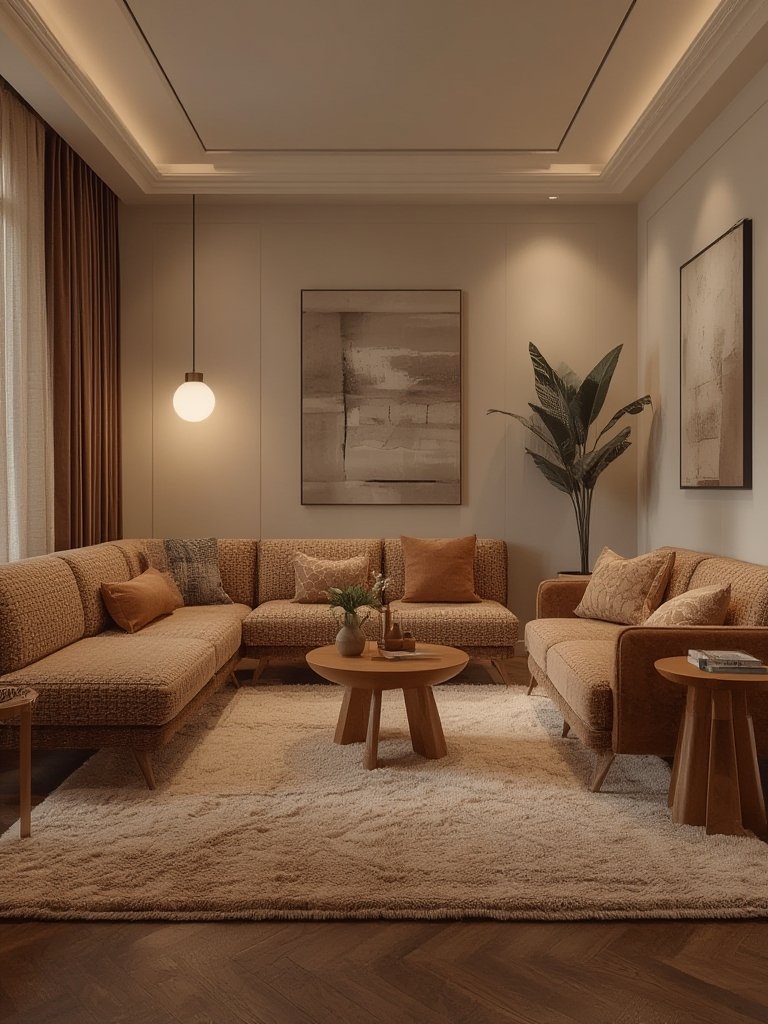
With furniture design in 2024, it’s more about multi-function and texture than sticking to one style. Bouclé, chenille, and performance velvets are still big — though I’ve seen a shift toward richer colors, not just plain white (and good, because white bouclé is impossible to keep clean in real homes). Velvet dining and accent chairs (here’s what’s actually durable) are on a hot streak, boasting deep emeralds and sapphire blues that hide stains pretty well. I’ve also noticed organic, biomorphic curves popping up in everything from sofas to statement accent chairs.
Sustainability matters, too. Bamboo, FSC-certified reclaimed wood, and recycled fabrics have gone mainstream, and they’re often just as tough as traditional options (if not more so). For fans of the Japandi vibe — simple, wood-heavy comfort — read up on why this style actually works in tight rooms.
If you want room for personality, vintage and hand-painted furniture (now a huge TikTok trend) let you bring in something literally no one else has. Thrifted club chairs upholstered in performance fabrics can outlast many new “designer” options — read my honest take on vintage accent chairs actually worth buying here.
Maintenance, Cleaning & Keeping It Looking Good
I rarely see top articles mention this, but you’ll thank yourself for picking fabrics and finishes you can actually clean. For fabric, stick to removable covers if possible or at least opt for stain-resistant materials — the ones marked as “washable” aren’t all hype and do save you money when accidents happen. With wood or bamboo frames, avoid over-wetting during cleaning to prevent swelling or veneer bubbles. If you go with skirted or upholstered pieces (like the new skirted upholstery trend), a regular vacuum with an upholstery brush is your best friend for keeping dust and hair at bay.
If you have pets or kids, stay away from open-weave or loop fabrics — claws snag those instantly. For tight rooms, get into the habit of rotating lightweight pieces every month to avoid uneven sun fading on one edge (especially relevant if you grab a compact velvet or bright color chair).
Most issues crop up from ignoring the basics: overloading seats, not tightening hardware, or waiting too long between spot cleans. Take five minutes once a season to check legs, tightening screws or bolts as needed — this alone can extend the life of your compact seating by years.
In most small scale seating, a manufacturer’s return policy says as much about durability as any spec sheet. If it’s under a year, be a little suspicious — true quality usually means longer confidence.
Small scale seating isn’t just a trend — in cities and tight homes, it’s a practical necessity. Shop smarter by focusing on true build quality, comfort for actual living (not just catalog shots), and honest flexibility. Don’t let price or marketing hype fool you: real wood, robust hardware, and performance fabric matter more than buzzwords. The right petite sofa or chair can make a 600 sq. ft. space feel so much bigger — and a lot more comfortable in daily life. Small scale seating, when chosen carefully, is proof you don’t have to sacrifice comfort, style, or durability for space.
How do you clean small scale seating if you have pets or kids?
Vacuum upholstery weekly (use the brush attachment). For serious spills, removable/washable slipcovers are best. If your seating isn’t washable, look for performance fabric sprays safe for kids and pets. Spot clean promptly and consider a pet throw for ultra-light fabrics.
Are all small scale chairs uncomfortable for tall people?
Not all — but many have shorter seats and low backs. Look for “apartment size” chairs with at least 21″ seat depth and a tall enough back to rest your shoulders. Always double-check seat dimensions; don’t trust lifestyle photos alone.
Is it worth paying for modular or customizable compact seating?
If your needs or space change often, yes. Modular sofas, for example, can be rebuilt into different shapes as rooms evolve. Just inspect the mechanism/hardware before buying — some budget brands use cheap connectors that loosen fast.
What’s the best upholstery material for a compact club chair in sunny rooms?
Look for UV-resistant performance fabrics or tightly-woven linen blends. Standard polyesters and (especially) vintage velvets fade quickly under direct sun. Revolution Fabrics and similar performance lines hold color well, even in bright window spots.