


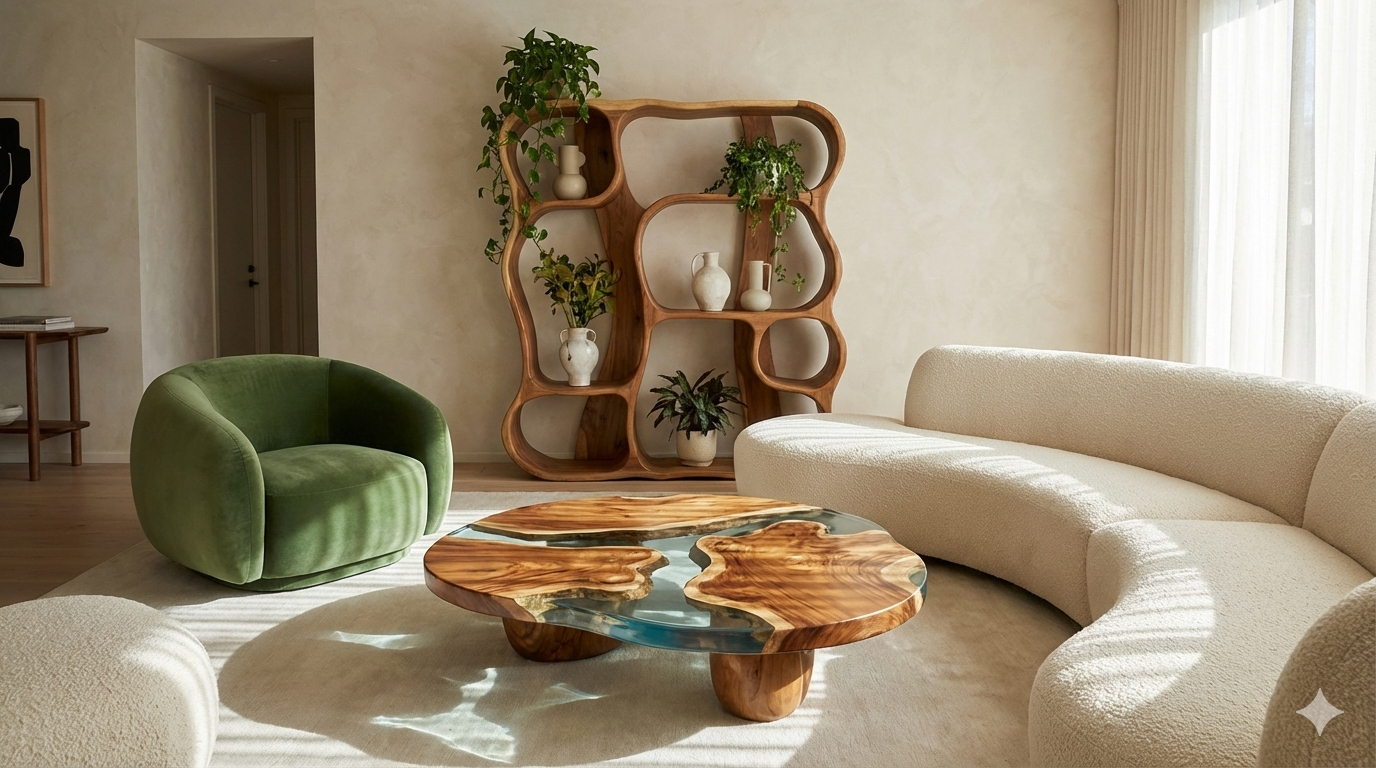
Biomorphic furniture design is changing how we think about interiors, merging organic shapes with the tactile warmth of natural materials to produce truly unique pieces. If you crave furniture that looks sculpted by nature—think fluid, curved tables or seating that feels alive—biomorphic forms deliver visual impact, comfort, and a modern sense of artful living.
Key Takeaways
- Biomorphic furniture design is a dominant trend for 2024 and 2025, responding to growing demand for organic shapes, customization, and sustainable materials.
- Producing biomorphic resin and wood tables involves precise materials and artisan techniques—attention to durability and maintenance is key.
- Buyers must look past the aesthetics and consider real-world concerns like production timelines, care, and the expertise of makers.
- What Is Biomorphic Furniture Design (and Why It Matters)?
- How to Get (or Make) the Perfect Biomorphic Piece: Step-by-Step
- Real-World Problems & Advanced Insights
- Final Thoughts
- Frequently Asked Questions
What Is Biomorphic Furniture Design (and Why It Matters)?
Biomorphic furniture design takes inspiration directly from natural forms—ocean waves, tree branches, stones smoothed by rivers—replacing rigid lines with flow and softness. These pieces make interiors feel connected to the outside world and bring visual calm, contrasting with sharp-edged modernism.
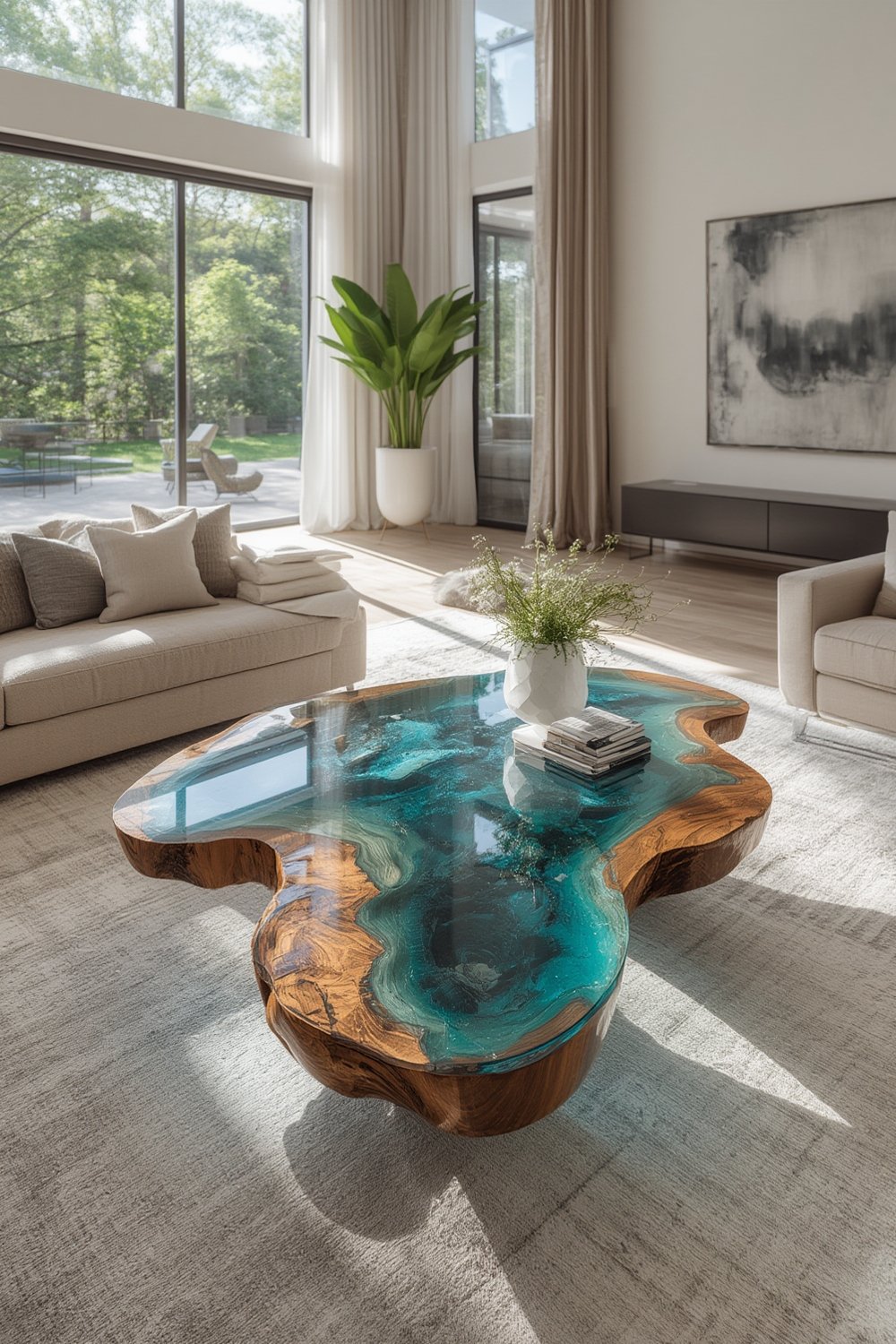
In 2024, organic-shaped furniture surfaces in everything from live edge epoxy river tables to curved sofas. Google search trends and design forecasts highlight biomorphic design as a breakout trend. The broader furniture market is huge, but the real movement is toward customizable, sustainable, and sculptural furniture. If you want to escape cookie-cutter interiors, biomorphic design stands out.
The desire for curves and soft shapes is visible across categories. For instance, see how organic shaped sofas and multifunctional ottomans are rising in popularity, providing both comfort and sculptural appeal. This aligns with consumer interest in customizable, versatile furnishings that adapt to changing needs and compact spaces: modular, convertible, and statement pieces are on the rise.
Adopting biomorphic furniture can transform static, boxy rooms into spaces that feel personal, inspiring, and natural. But before you buy or commission an organic epoxy resin table or curved chair, you need to understand the process—along with some crucial realities most guides ignore.
How to Get (or Make) the Perfect Biomorphic Piece: Step-by-Step
Whether you’re sourcing a custom dining table or considering a DIY resin and wood project, here’s a clear, no-nonsense blueprint:
- Define Your Aesthetic and Space
Decide what “biomorphic” means for you. Do you want a live edge coffee table with an epoxy river, a kidney-shaped dining table, or a natural wood Japandi-style table? Measure your space, note light conditions, and plan color/materials to fit the room. - Choose the Right Maker or DIY Approach
For one-of-a-kind pieces, work with a reputable artisan. Look at portfolios for real examples—avoid makers who don’t show detailed process or finished pieces. If DIY, equip yourself with a dust-free workspace and all necessary materials before starting. - Select Key Materials
- Wood: Sourced from hardwoods like walnut, oak, or reclaimed timber. For maximum sustainability, opt for FSC-certified or recycled woods. Example: See how reclaimed wood furniture minimizes impact.
- Epoxy Resin: Use high-clarity, UV-stable resin for rivers or inlays.
- Finish: Non-toxic, food-safe finishes protect and highlight the natural grain or resin.
- Understand the Artisan Process
- Design Shaping: Artisans sketch or model the proposed organic shape, sometimes using CAD for precise curves.
- Wood Preparation: Live edges are preserved. The wood is kiln-dried to prevent warping.
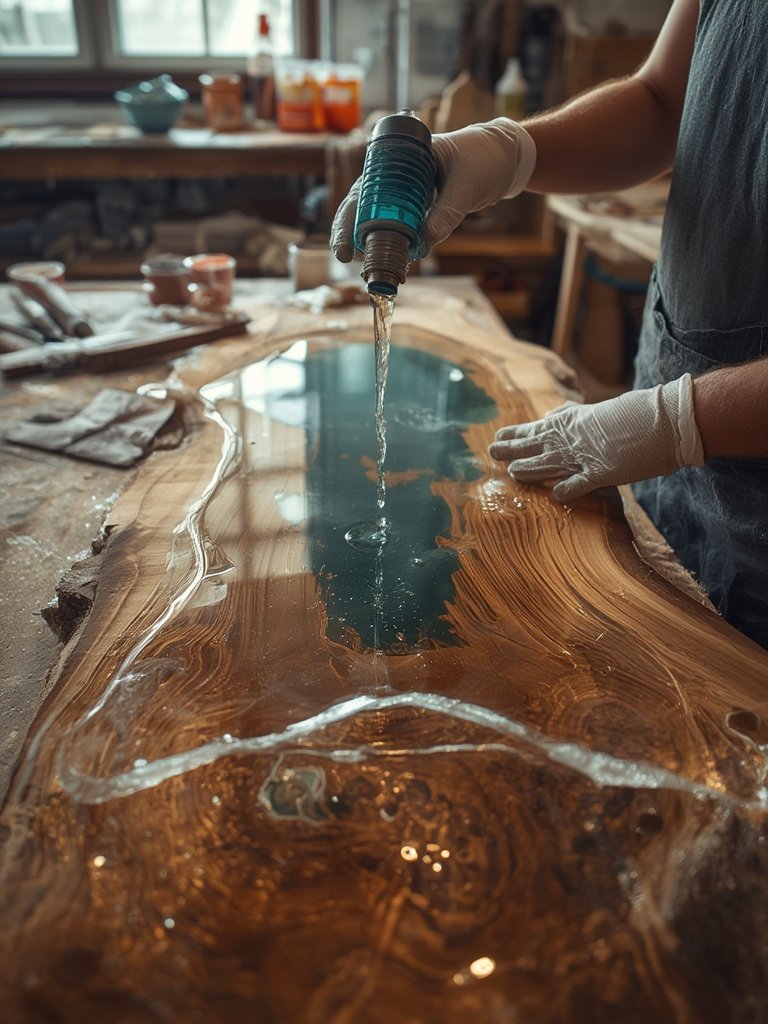
- Resin Pouring: Molds are created for complex curves. Resin is poured in layers (never all at once) to avoid bubbles and cracking.
- Finishing: Machine and hand-sanding smooth all surfaces; resin is polished to a deep gloss or satin.
- Plan for Logistics
- Production Lead Time: Custom biomorphic tables typically require at least 8-16 weeks for completion. Plan well ahead for delivery, especially if ordering for events or new homes.
- Shipping: Due to irregular shapes and weight, shipping (especially international) can be expensive. Require crated delivery and insured transport. Always get quotes upfront.
- Final Placement
Set on a level surface and avoid areas with direct sunlight, which can yellow resin over time.
For extra function, consider biomorphic designs that do double duty—like a coffee table ottoman with hidden storage (see multifunctional ottomans for ideas) or a modular system that adapts as your needs change (modular sectionals are a good model of this flexibility).
Real-World Problems & Advanced Insights
Biomorphic furniture design is visually stunning, but there are practical challenges that even experienced buyers sometimes overlook. Here’s an honest look at what can go wrong, and how to deal with it:
- High Cost and Long Lead Times: True biomorphic pieces, especially those made by skilled artisans, command premium prices. With global furniture market competition rising (source), expect custom organic epoxy resin tables to cost considerably more than off-the-shelf alternatives—with production often taking months, not weeks.
- Care & Maintenance: Resin is durable, but can be scratched or clouded by abrasive cleaners. Traditional wood requires periodic oiling, especially live edge slabs. Compare this to glass tables, which can be wiped clean but are prone to chipping.
- Durability Issues: Quality depends on the maker’s skill. Poorly mixed resin can develop bubbles, yellowing, or surface cracks. Inferior wood selection may warp or split over time. If durability is your top concern, compare biomorphic pieces to classic glass or solid-wood tables (see table below).
- Logistics Complications: Irregular shapes are difficult to ship and may not fit through doorways or elevators. Insurance is a must.
- Fakes and Inexperienced Makers: Increasing demand means more companies are jumping into the trend without sufficient technique. Seek out established artisans with real reviews and a strong history of organic design work (not just CNC-milled “wavy” tables).
| Aspect | Organic Epoxy Resin Table | Traditional Wood Table | Glass Table |
|---|---|---|---|
| Maintenance | Gentle cleaning, mild soap, avoid abrasives/polishes | Periodic oiling/waxing, avoid spills | Simple wipe, glass cleaner |
| Durability | Very tough but can scratch or yellow | Strong if kiln-dried; can split or warp | Brittle, prone to chips/cracks |
| Long-Term Satisfaction | High for uniqueness, but needs care | Classic, ages well if maintained | Easy, but lacks warmth |
| Lead Time | 8-16 weeks+ for custom orders | 4-8 weeks (custom), 0 for stock units | Off-the-shelf |
Looking for iconic examples? Modern artists and craftspeople are prolific, but many makers aren’t well publicized. Seek out portfolios that show both raw materials and finished results. For curved, sculptural seating, see quick wins in the curved bouclé sofa trend—softness and organic contours without compromise.
Final Thoughts
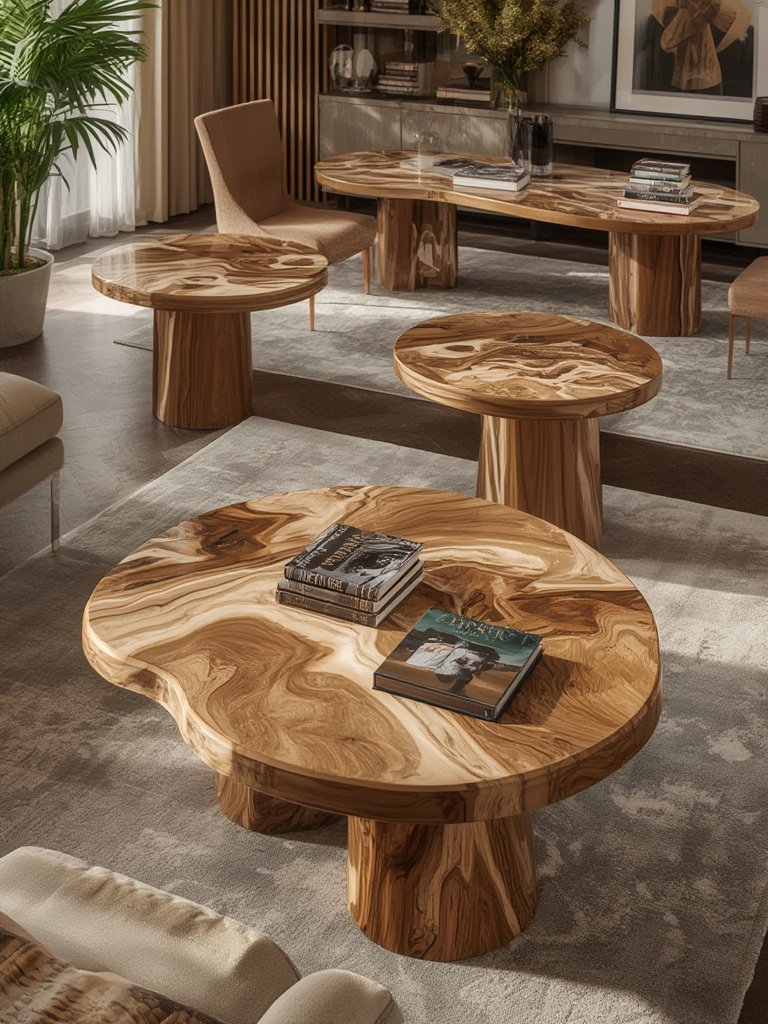
Biomorphic furniture design offers a stunning, natural alternative to conventional interiors—but it’s much more than a fleeting fad. Expect to invest both time and research to get a quality piece that stands the test of daily use. For those considering organic resin wood tables or sculptural seating, remember: blend beauty with practicality, partner with genuine artisans, and maintain your pieces carefully. If you’re ready to transform your home, explore more modular and organic wood designs for deeper inspiration. Start your search or commission your own biomorphic masterpiece today.
Frequently Asked Questions
What exactly defines biomorphic furniture design?
Biomorphic furniture design is characterized by organic, flowing shapes inspired by natural forms—think curves and undulating surfaces that mirror trees, waves, or stones. The goal is to bring softness, movement, and connection with nature into interiors.
How are organic epoxy resin tables made?
They start with carefully selected live edge woods, which are dried and prepared. A mold captures the final shape. High-quality, food-safe epoxy resin is poured in layers—often colored or clear—then hand-sanded and polished. Skilled makers craft each piece for stability and lasting beauty.
Are biomorphic furniture pieces more expensive than regular tables?
Yes. Due to the complexity of shaping, material quality, and hand-finishing, biomorphic pieces usually cost significantly more than mass-produced furniture. Plan for custom quotes and longer lead times—especially for large resin wood tables.
How do I care for a biomorphic epoxy resin table?
Use mild soap and water on both resin and wood parts; avoid abrasive sponges. Do not place hot items directly on resin surfaces. Periodically oil wood sections per maker’s instructions.
What is the average production time for custom biomorphic furniture?
Most custom biomorphic tables take 8 to 16 weeks from deposit to delivery. Timelines increase with complexity, rarity of materials, or international shipping needs.