


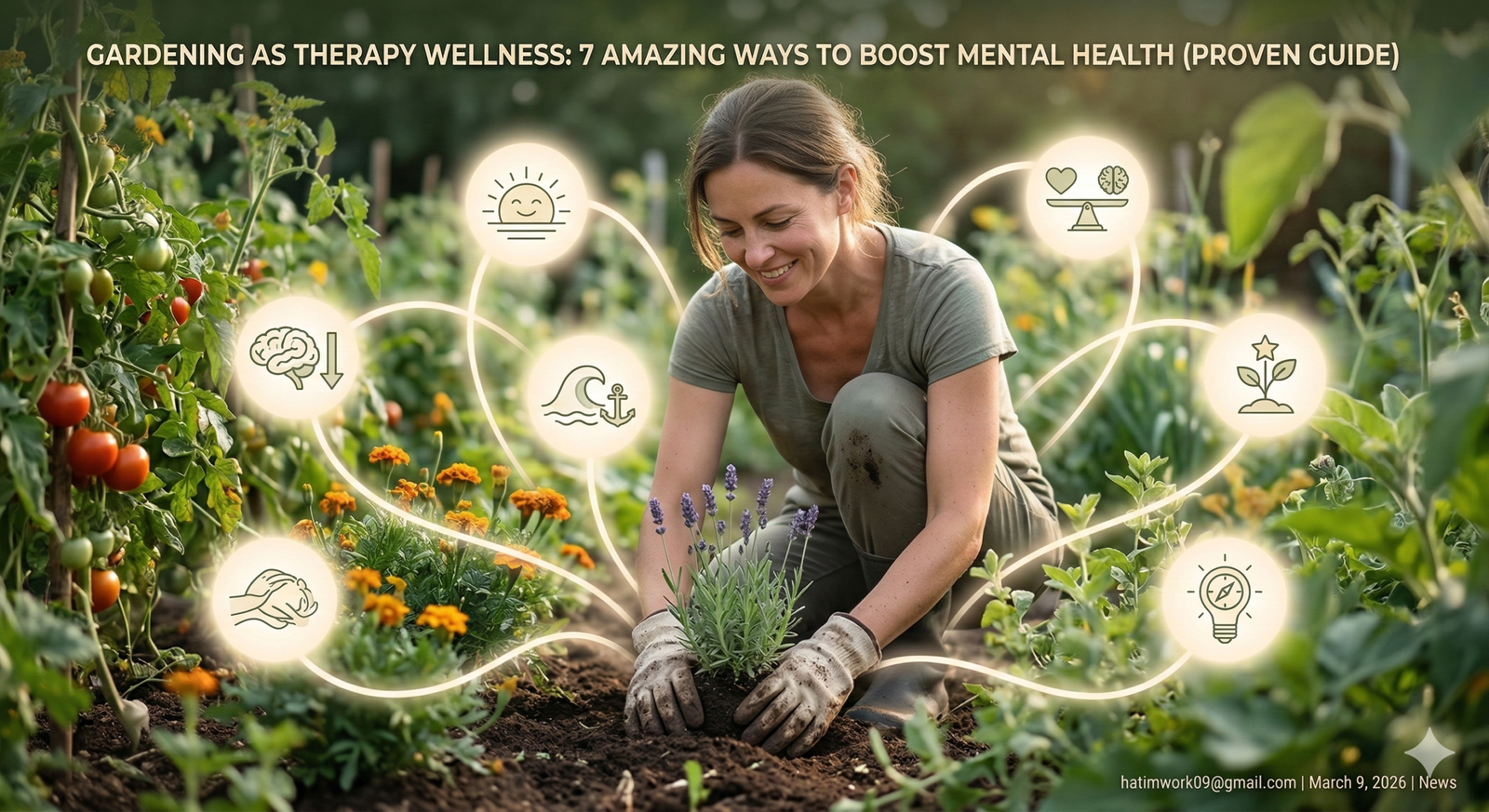
Gardening as therapy wellness is gaining attention as a realistic, research-backed approach for improving mental health. If you want to reduce stress, lift your mood, and support long-term wellness with your own two hands, evidence now shows this is more than just garden lore—depression, anxiety, and quality of life all respond strongly to active time spent in nature.
Key Takeaways
- Systematic reviews show significant benefits of gardening on depression and anxiety, with measurable improvements in mood, stress, and social connection.
- Active, hands-on gardening in outdoor environments works best; simply observing nature often isn’t enough for real mental health gains.
- Programs of 4–8 weeks, with sessions 1–3 times weekly, provide optimal results—shorter or less frequent efforts are less effective.
- The Core Concept: Gardening as Therapy Wellness Explained
- Step-by-Step Guide: How to Use Gardening for Wellness
- Advanced Analysis & Common Pitfalls
- Conclusion
- FAQ
The Core Concept: Gardening as Therapy Wellness Explained
Gardening as therapy wellness combines purposeful gardening activities with the goal of improving mental, emotional, and even physical well-being. Unlike casual gardening, therapeutic gardening programs use activities like planting, harvesting, flower arranging, and nature crafts to reduce symptoms of depression, anxiety, and stress. Modern research shows these interventions do more than make you feel better—they actually shift brain and body chemistry, lower cortisol, reduce inflammation, and support emotional regulation.
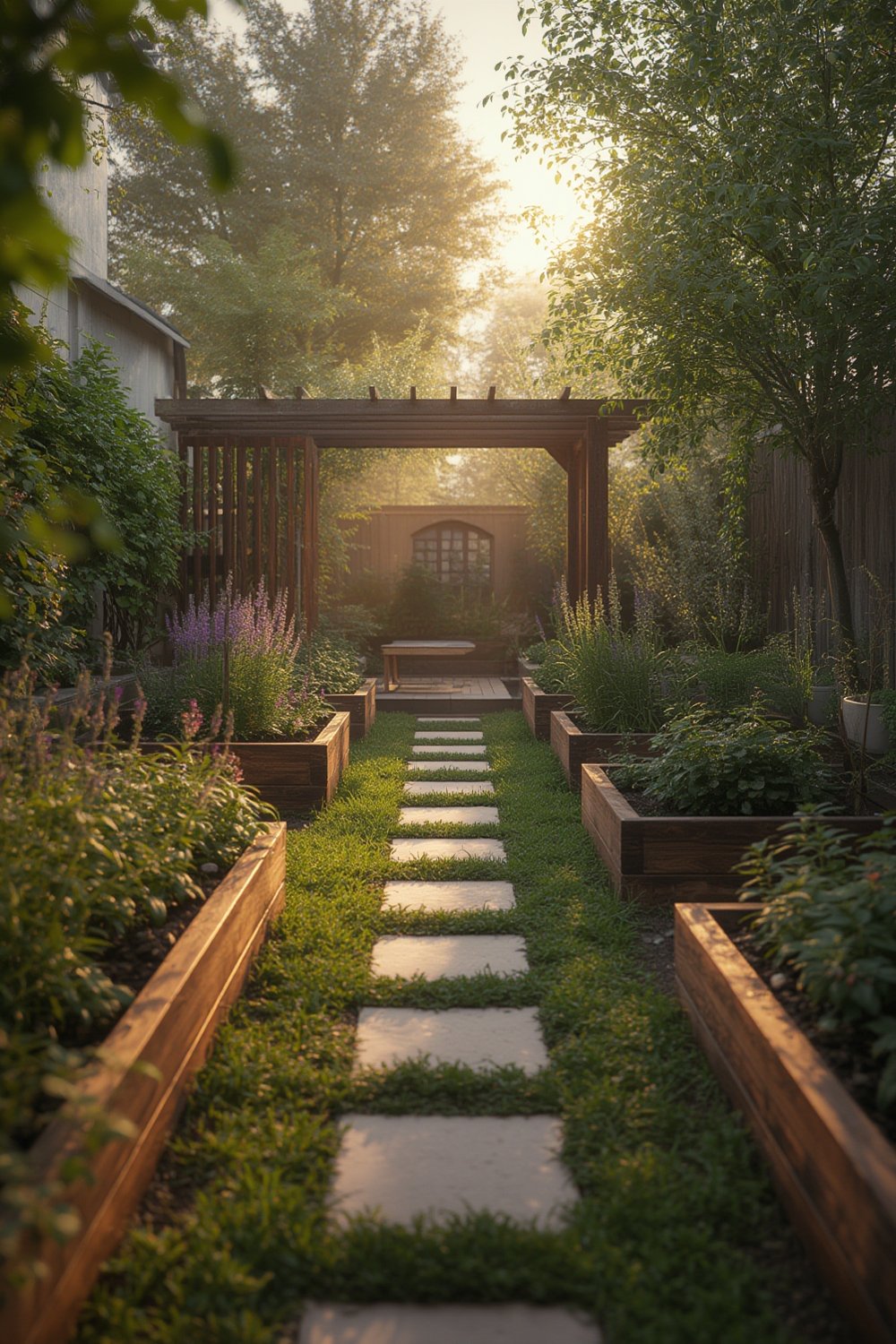
In recent studies, people assigned to gardening as therapy wellness programs experienced not only improved mood, but measurable changes in cortisol, cardiovascular response, and even EEG readings. Yet, hands-on engagement—like touching soil and working with plants—matters more than passive activities. Programs work best when run 1–3 times per week for at least a month, ideally outdoors, and involve multi-sensory and social elements for maximum benefit. Learn more from recent research.
Step-by-Step Guide: How to Use Gardening for Wellness
Ready to start your own gardening as therapy wellness practice? Follow these practical steps to create real, science-backed benefits for your mind and body:
- Set a Clear Intention. Decide if your primary goal is stress reduction, mood lift, social connectedness, or creative expression. This helps you stick to your gardening wellness plan even on tough days.
- Pick Your Setting. Choose outdoor spaces when possible. Outdoor, natural environments amplify the benefits, but indoor options—like a living wall planter or small terrarium garden—work if you have no yard.
- Select Participatory Activities. Activities like planting, digging, flower arranging, and harvesting boost psychological outcomes much more than just observing. Start with sensory plants—think lavender or mint for smell, or vibrant flowers for color therapy.
- Set a Realistic Schedule. Commit to at least 1–3 sessions per week for 30–90 minutes. Research supports doing this for at least a month, but optimal benefit may come after two months. For reference, check session structure ideas from chaos gardening if you want an unstructured, less rigid approach.
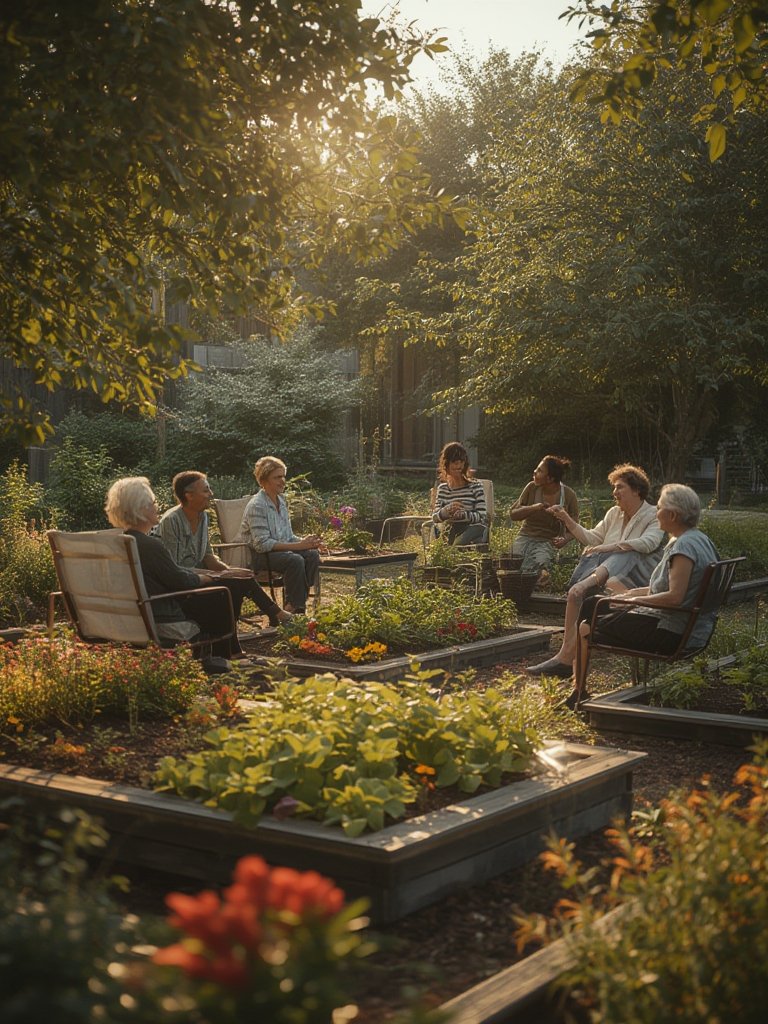
- Make It Social if Possible. Gardening with a friend, partner, group, or even virtually can accelerate positive impact. Studies found participants in digital gardens reported a massive 81 percent boost in social interaction benefits.
- Include Mindful and Sensory Elements. Add nature-based crafts or sensory stimulation (smelling herbs, touching textured foliage) for emotional balance. If you struggle with limited resources, start with a simple cardboard mulch garden or no dig garden—both require minimal digging and investment.
- Track Your Outcomes. Use a mood journal, or measure physical changes like heart rate or perceived stress after each session. This mirrors the research approach and helps you stay motivated.
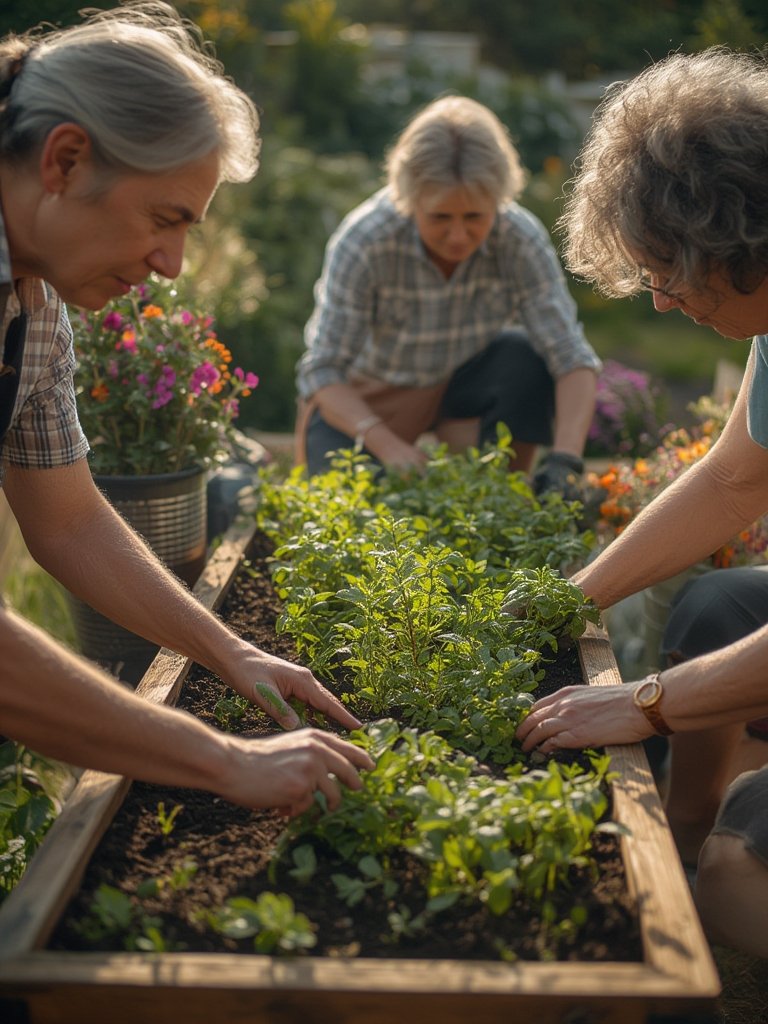
If you want ongoing success, revisit and revise your activities every two months. Try mixing in features from a living wall planter for more visual stimulation, or cycle through short workshops like floral arranging or sensory walks. The most successful gardening as therapy wellness programs adapt over time, with variety and a social or sensory focus as shown in high-performing evidence-based guides.
Advanced Analysis & Common Pitfalls
Even the best intentions can stumble when implementing gardening as therapy wellness. Here are the main pitfalls backed by systematic research—plus tips for staying on track:
| Pitfall | Why It Happens | How to Overcome |
| Lack of Active Participation | Trying to get benefits by just watching nature or plants | Get your hands dirty—plant, prune, harvest, craft. Active involvement changes outcomes. |
| Inconsistent Schedule | Gardening only sporadically | Set specific days and times, just like gym sessions. Use reminders and invite a friend for accountability. |
| Poor Setting Selection | Relying on indoor or urban artificial spaces | Maximize outdoor exposure. If outside isn’t an option, create multi-sensory zones indoors. |
| Too Short Programs | Stopping after a week or two | Plan for at least 4–8 weeks. Research shows shorter durations rarely produce measurable changes. |
| Ignoring Social Component | Gardening solo, missing social interaction | Invite family, form a group, or join online gardening communities for more pronounced effects. |
| Accessibility Barriers | No yard, limited mobility, harsh climate | Consider chaos gardening, terrariums, or compact methods like vertical gardens. Adapt approaches to fit your home and needs. |
| Lack of Measurement | Neglecting to journal or check progress | Track mood and stress levels, or even light physiological changes, to build motivation. |
| Overlooking Sensory/Mindfulness Elements | Focusing only on routine tasks | Incorporate fragrance, texture, and beauty; try guided mindfulness during gardening sessions. |
Critically, evidence supports the use of structured programs over ad-hoc routines. Interventions also work best when guided by someone with basic therapeutic or horticultural training, though this is too often overlooked in community programs and most online wellness guides. Most publications ignore objective indicators—such as tracking cortisol or heart rate—which could help optimize your program. For more on rigorous study methods, read this meta-analysis.
Conclusion
Gardening as therapy wellness offers credible, measurable benefits for depression, anxiety, and overall quality of life. The best results come from hands-on, sensory experiences in green outdoor spaces over a period of four to eight weeks with a consistent schedule. If you’re ready to transform your mind and well-being, start planning your first wellness-focused gardening session today. Gardening as therapy wellness could be the most rewarding—and real—change you’ll make this year.
Don’t wait. Map out your schedule, invite a friend, and browse practical methods like living wall planters or vertical gardening if space is tight. Take the first step toward a healthier mind and body now.
FAQ
What are the most effective gardening therapy activities?
Hands-on activities like planting, harvesting, flower arranging, and nature crafts are most effective. Multisensory stimulation—using fragrant, textured, or colorful plants—boosts benefits over passive observation.
How long should a therapeutic gardening program last?
Research recommends 4–8 weeks with 1–3 sessions per week, each lasting 30–120 minutes, to see meaningful improvements in mood and anxiety.
Can I see benefits even in a small yard or indoors?
Yes. While outdoor spaces provide greater effects, you can use indoor ideas like living wall planters or terrarium gardens for mental wellness when outdoor gardening is limited.
Is gardening as therapy wellness effective for everyone?
Studies show benefits across diverse groups, including students, older adults, and people with anxiety and depression. Results vary by setting, activity, and engagement level—hands-on outdoor activities work best for most people.
Are there any drawbacks to gardening as therapy wellness?
Major challenges include inconsistent schedules, environment limitations, and lack of active participation. Benefits drop when programs are too short, passive, or isolated. Adapt activities to your resources for best results.
—