

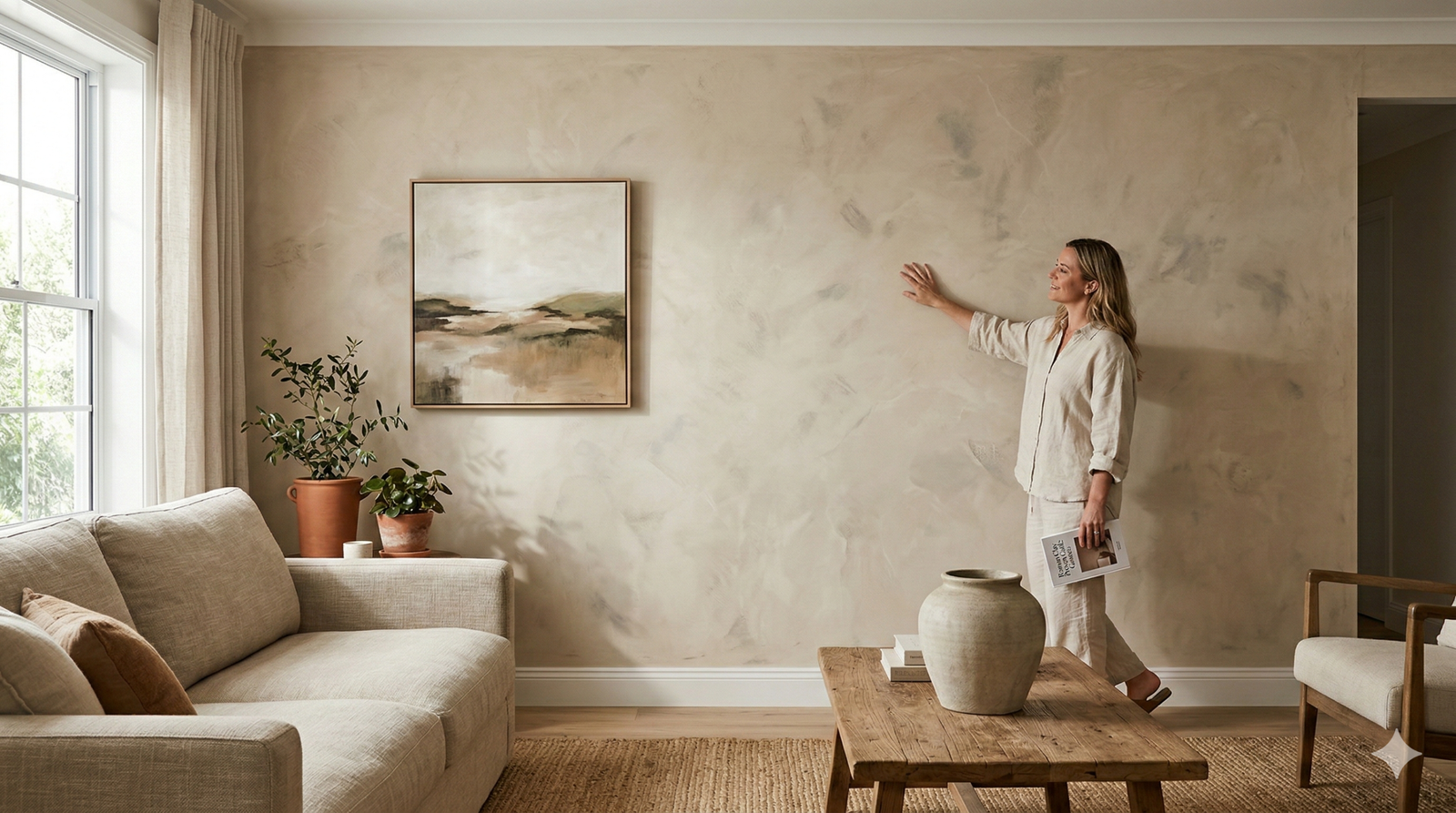
Roman clay wall finish is transforming interiors in 2024, offering an elegant, natural alternative to conventional paint or drywall textures. This guide explains how roman clay brings authentic depth, what you need to know before choosing it, and how to achieve results that last decades.
Key Takeaways
- Roman clay wall finish is a breathable, eco-friendly, and durable plaster alternative that is trending for its artisan look and compatibility with modern and historic interiors.
- Professional installation is recommended due to the complexity of surface prep and multi-coat application; improper DIY methods risk poor adhesion and unsatisfactory results.
- Maintenance is minimal, with surfaces lasting decades and only requiring gentle cleaning; advanced clay plasters even self-heal minor cracks.
- What Is Roman Clay Wall Finish and Why Choose It?
- How to Apply Roman Clay Wall Finish: Step-by-Step Guide
- Advanced Analysis and Common Pitfalls
- Conclusion
- FAQ
What Is Roman Clay Wall Finish and Why Choose It?
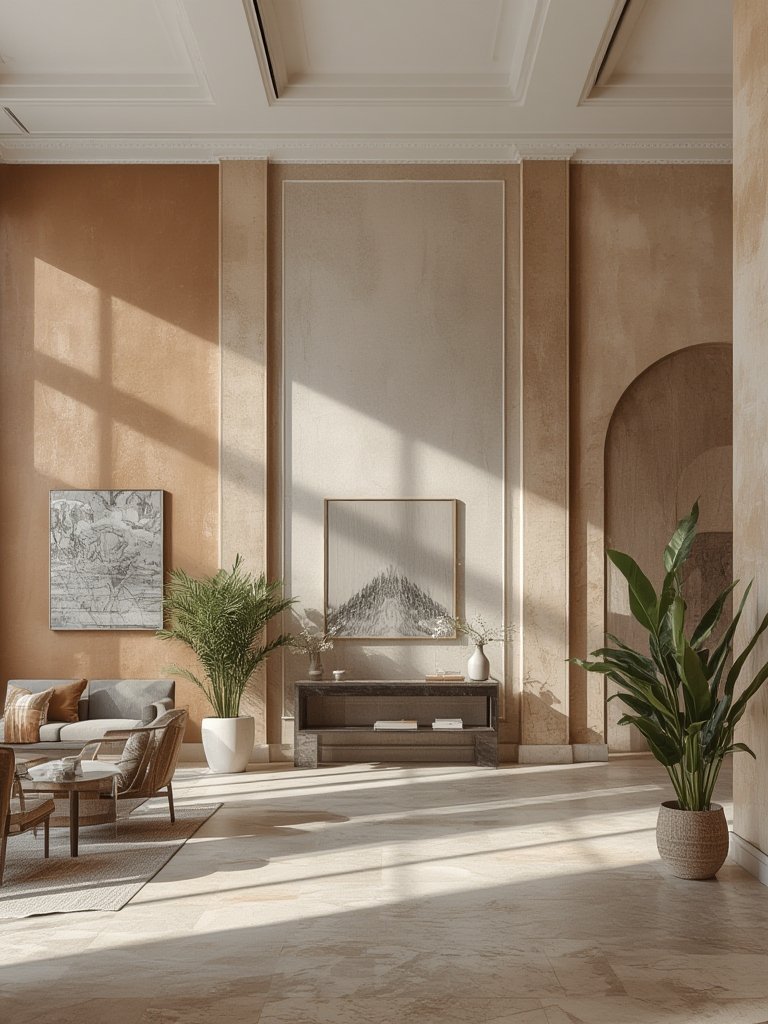
Roman clay wall finish is a decorative, gypsum-based plaster hybrid applied in thin coats to achieve a hand-troweled, organic texture. Unlike traditional flat paint or rough wall textures, roman clay plaster creates soft movement and nuanced color shifts, reminiscent of European artisan finishes.
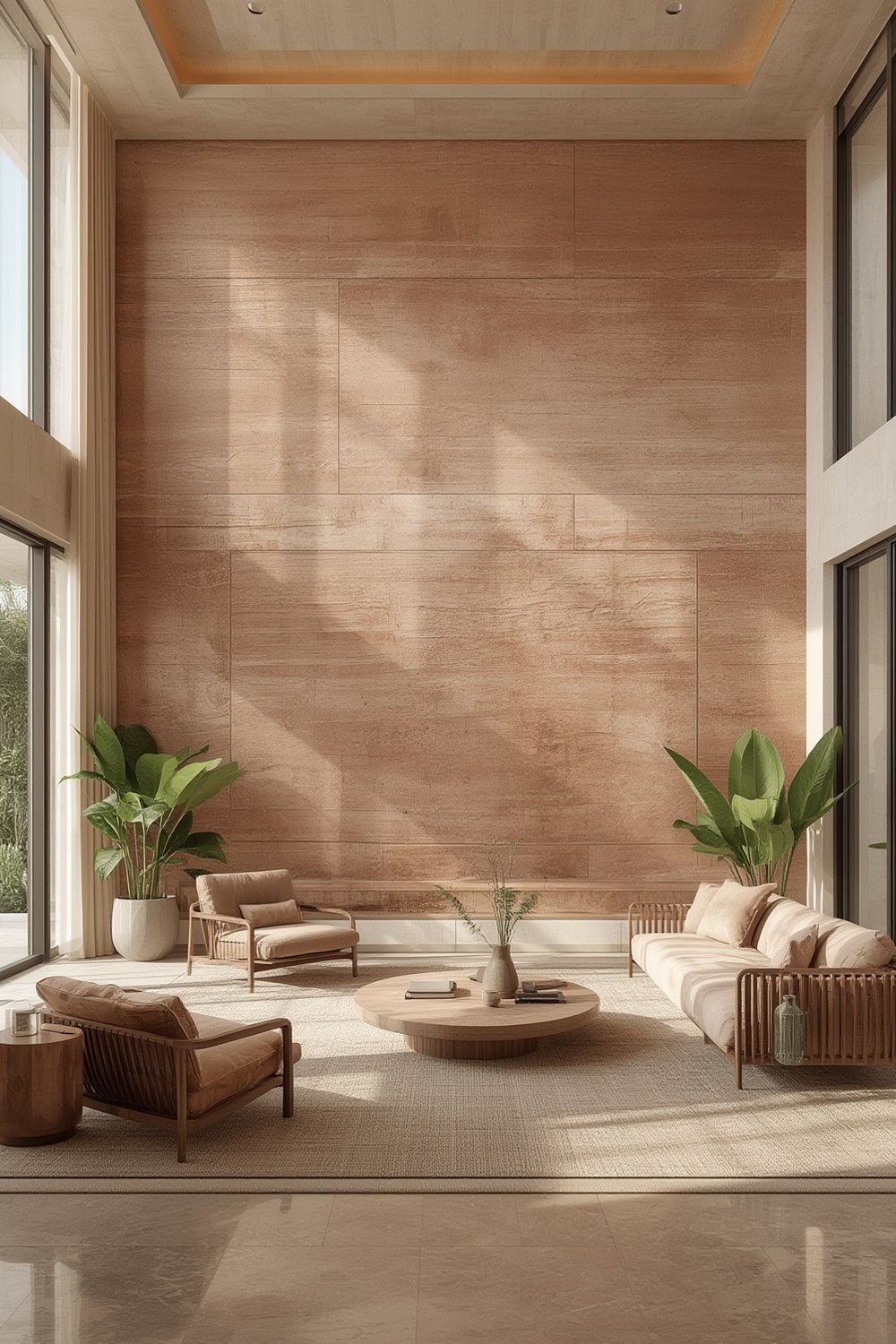
This finish soared in popularity as residential and commercial projects in 2024 prioritized natural materials, biophilic design, and timeless, tactile surfaces. According to industry reports, demand has climbed sharply, especially for feature walls in living rooms, bedrooms, boutique hotels, and upscale offices. Its breathable mineral composition helps regulate indoor humidity and temperature shifts, suiting both historic buildings and new builds seeking a low-VOC, eco-friendly alternative.
Roman clay’s soft, layered appearance pairs seamlessly with home renovation strategies focused on biophilic design and tactile, authentic materials. The finish stands out for its subtle luxury and lasting patina not achievable with synthetic paints.
How to Apply Roman Clay Wall Finish: Step-by-Step Guide
Achieving a flawless roman clay wall finish requires both skill and patience. While possible for advanced DIYers, mistakes in preparation or application can compromise durability and appearance. Below is a professional workflow for superior, long-lasting results.
1. Prepare the Surface
- Remove old paint, dust, or loose debris from walls. Fill holes or cracks with patch compound and sand smooth.
- Use a high-grit sanding sponge for a silky finish. Wipe down walls with a damp cloth.
- Apply a breathable primer formulated for mineral plasters, ensuring maximum adhesion. Let it dry as recommended by the manufacturer.
2. Gather Tools and Materials
- Roman clay plaster or pre-mixed product
- Wide stainless steel plaster trowel, putty knife, and mixing drill
- Painters’ tape and drop cloths for protection
- Personal protection: gloves and a dust mask
3. Mix and Apply the First Coat
- Stir roman clay thoroughly; add pigment if customizing color.
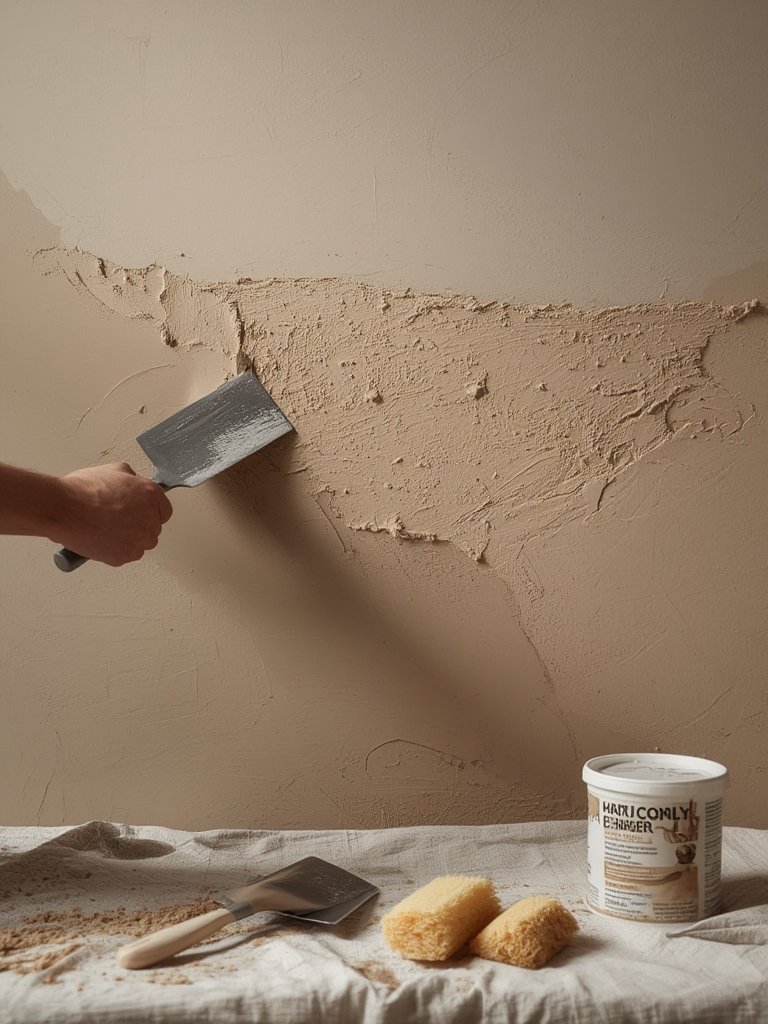
- Starting at a top corner, apply a thin, even coat (approx. 1mm) using sweeping trowel strokes at a 15-30 degree angle.
- Keep the finish thin—building color and texture through layers is key.
- Let the first coat dry fully (typically 6-8 hours); this may vary by humidity.
4. Apply Additional Coats for Depth
- Repeat with a second and third thin coat. Use partial overlap and gentle pressure to create subtle movement and texture; avoid overworking the same area to prevent pulling up previous coats.
- Let each layer dry completely. For best patina, avoid heavy-handed smoothing—embrace the brush and trowel marks for authenticity.
5. Curing and Finishing
- Allow the final coat to cure for at least 24 hours after application. Full cure and hardening may take several days in cool or humid conditions.
- Once cured, polish gently with a soft, dry cloth for a satin sheen or leave matte for a relaxed, velvety appearance.
- If needed, touch up edges or feather transitions with a trowel and diluted material.
Maintenance
- Dust gently with a microfiber cloth; always avoid abrasive cleaning.
- For stubborn marks, use a barely damp, soft cloth—never harsh chemicals.
This process is comparable to applying limewash paint yet results in a thicker, more dimensional effect. For renters or those seeking less permanent options, review our renter friendly home upgrades guide for alternatives.
Advanced Analysis and Common Pitfalls
Roman clay wall finishes offer unique advantages but are not a panacea. Below, we break down performance, compare to similar finishes, and spotlight real-world challenges.
Roman Clay vs. Venetian Plaster: Quick Comparison
| Feature | Roman Clay | Venetian Plaster |
|---|---|---|
| Base Material | Gypsum-hybrid, natural pigments | Lime-based, pure minerals |
| Application | Multi-coat, thin layers with trowel Best on smooth drywall | Multi-coat, often burnished Works on wide range of surfaces |
| Durability | High, but surface-level (like premium paint) | Very high; resists cracking and humidity |
| DIY Suitability | Challenging—prep is critical | Usually professional |
| Common Failures | Poor adhesion if prep is bad, visible streaks, short lifespan if cleaned harshly | Improper burnishing causes dullness, application inconsistencies |
| Eco/Fresh Air Score | Excellent: mineral, low-VOC, breathes well | Excellent: natural, mineral, very low-VOC |
| Maintenance | Minimal, gentle dusting/cleaning | Minimal, can be repolished after years |
| Cost | High labor cost, moderate material cost | Higher labor/material costs |
Common Pitfalls to Avoid
- Skipping surface prep: DIYers often neglect sanding and proper priming. This leads to peeling, patchy finish, or visible wall imperfections. Confusing roman clay for standard paint is a recipe for disappointment.
- Overly thick application: Thick or uneven layers crack on drying and lose the subtle movement of traditional finishes.
- Cleaning errors: Using abrasive pads or harsh chemicals can permanently scar the soft mineral surface.
- Incorrect substrate: Roman clay is optimal on smooth, non-glossy interior walls like drywall. Avoid applying directly over masonry, glossy paint, or damp surfaces.
- Lack of experience: Professional skills matter. Achieving a luxury result takes practice—budget for specialist labor unless you already have advanced troweling skills.
Performance Benefits (Cited)
Roman clay’s composition makes it highly breathable, helping to regulate moisture and air quality. Its mineral pigments are naturally low-VOC, supporting green building goals. According to industry experts, properly applied roman clay surfaces can last for decades indoors with minimal care, and some advanced clay plasters even self-heal minor cracks. However, there is no direct data confirming mold resistance—avoid in damp or unventilated bathrooms unless using specialist formulas.
For comparison with other trending wall surfaces—like color drenching or textured tile treatments—roman clay offers easier maintenance and a softer, more organic depth, but requires more advanced prep and skill.
Conclusion
Roman clay wall finish is an artisan-worthy upgrade that delivers eco-friendly luxury and rich, touchable surfaces for years. The key is proper prep, multiple thin coats, and patience with curing. While costs are higher than standard paints and DIY efforts can fail without experience, the final result transforms interiors with depth and warmth that standard finishes cannot match. For anyone serious about healthy, beautiful walls, roman clay wall finish is worth the investment.
Ready to take your space to the next level? Explore more on smart renovation strategies or uncover the best temporary floor upgrades to pair with your new roman clay walls.
FAQ
How long does roman clay wall finish last?
If properly applied to a prepared surface, roman clay wall finish can last for decades indoors with only gentle dusting and cleaning.
Can you clean roman clay walls with water or cleaner?
Use a dry or slightly damp microfiber cloth for cleaning. Avoid abrasive pads and harsh chemicals, which can damage the mineral finish.
Is roman clay wall finish a good DIY project?
Roman clay requires precise wall prep and skilled trowel work. Intermediate or advanced DIYers may attempt it, but most people are better off hiring a professional for a true luxury effect.
What rooms are best suited for roman clay wall finish?
Roman clay is ideal for living rooms, bedrooms, feature walls, and offices. It is less suitable for wet areas like showers or unventilated bathrooms, unless using a specialty finish.
How does roman clay compare to limewash or Venetian plaster?
Roman clay offers a thicker, more dimensional texture than limewash, while being easier to apply than traditional Venetian plaster. All three are breathable and eco-friendly, but roman clay sits between the two in terms of labor and raw material costs.