


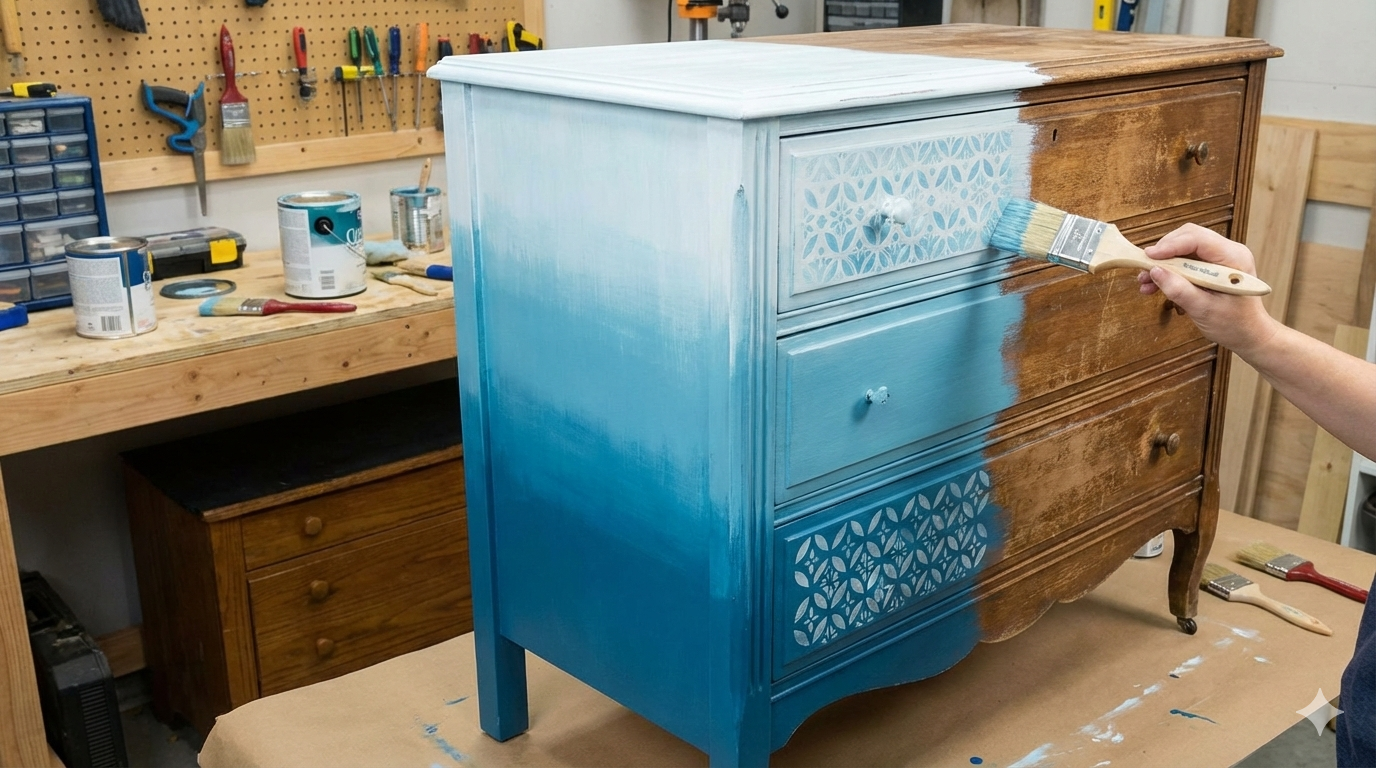
Hand painted furniture DIY has become one of the most rewarding and creative ways to transform old, outdated, or plain pieces into true statement items—without breaking the bank or settling for generic store bought looks.
Key Takeaways
- Chalk painting, ombré, stenciling, and advanced blending are the top trending techniques for hand painted furniture DIY in 2024.
- Pitfalls include visible brushstrokes, adhesion failures, and safety oversights—always plan for extra time and proper ventilation.
- Hand painted makeovers often cost a fraction of new furniture and deliver custom results with personality and sustainability.
- How Hand Painted Furniture DIY Works and Why It’s Trending
- Step-by-Step: How to Hand Paint Furniture at Home
- Advanced Analysis: Pitfalls & Realistic Issues of Hand Painted Furniture DIY
- Conclusion
- FAQ
How Hand Painted Furniture DIY Works and Why It’s Trending
Hand painted furniture DIY lets you transform dressers, cabinets, or thrift finds into one of a kind pieces that match your style while saving money and reducing fast furniture waste. The process typically includes surface prep, painting with chalk or mineral paint, and sealing for durability. In 2024, creative techniques like chalk finishes, ombré, marbling, and decoupage are trending thanks to sustainable living and inspiration from platforms like TikTok and Pinterest.
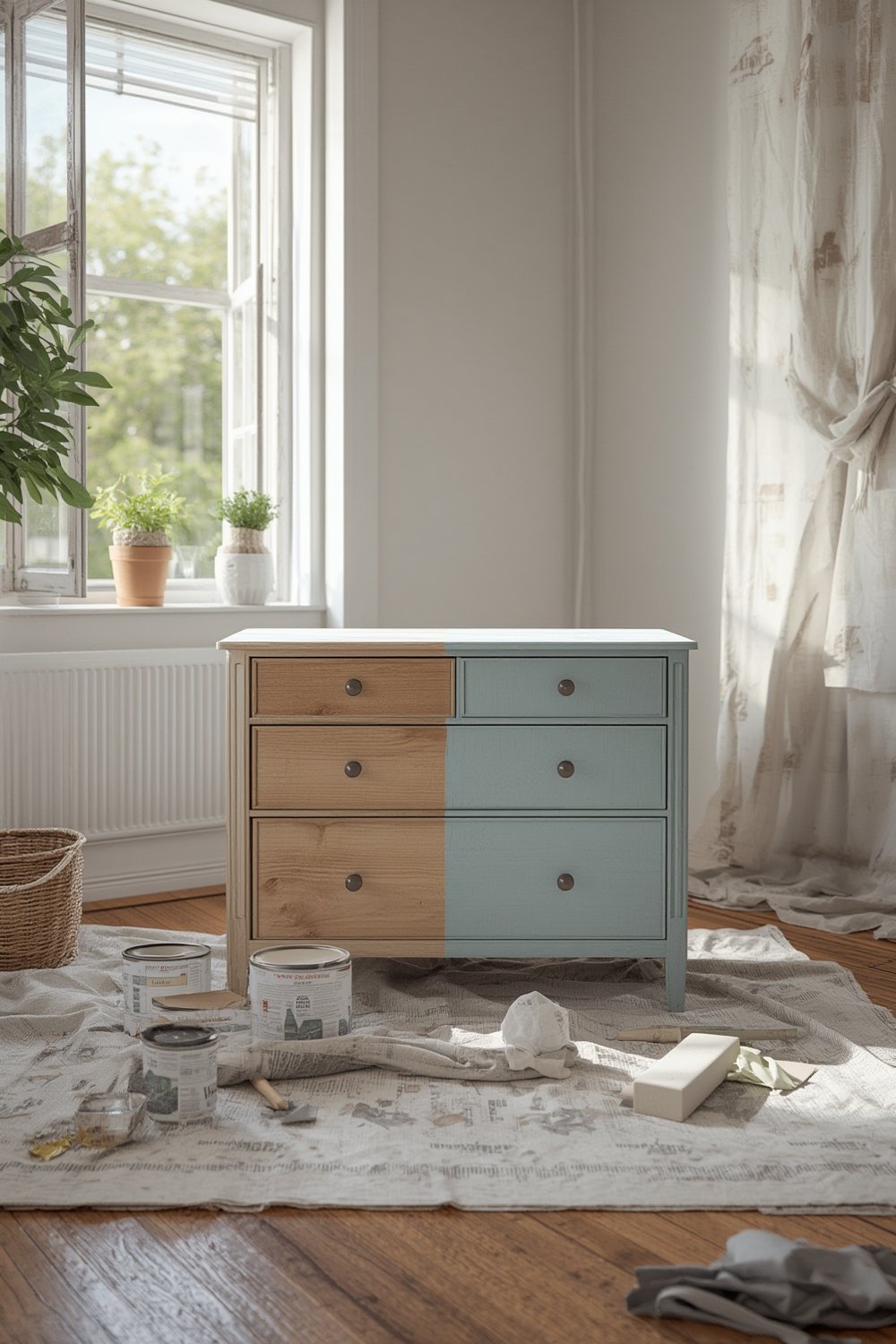
Step-by-Step: How to Hand Paint Furniture at Home
Ready to try hand painted furniture DIY? Follow these steps for reliable, repeatable results:
- Choose Your Piece. Pick a solid dresser, nightstand, cabinet or table. Avoid unstable or peeling pieces for your first project.
- Prep the Surface. Remove hardware, wipe down dust and grime, and lightly sand glossy finishes for better paint adhesion. Wipe clean again.
- Prime (Optional). For stained or dark wood, or when using bold colors, a stain-blocking primer helps with even coverage. Some chalk and mineral paints let you skip this step.
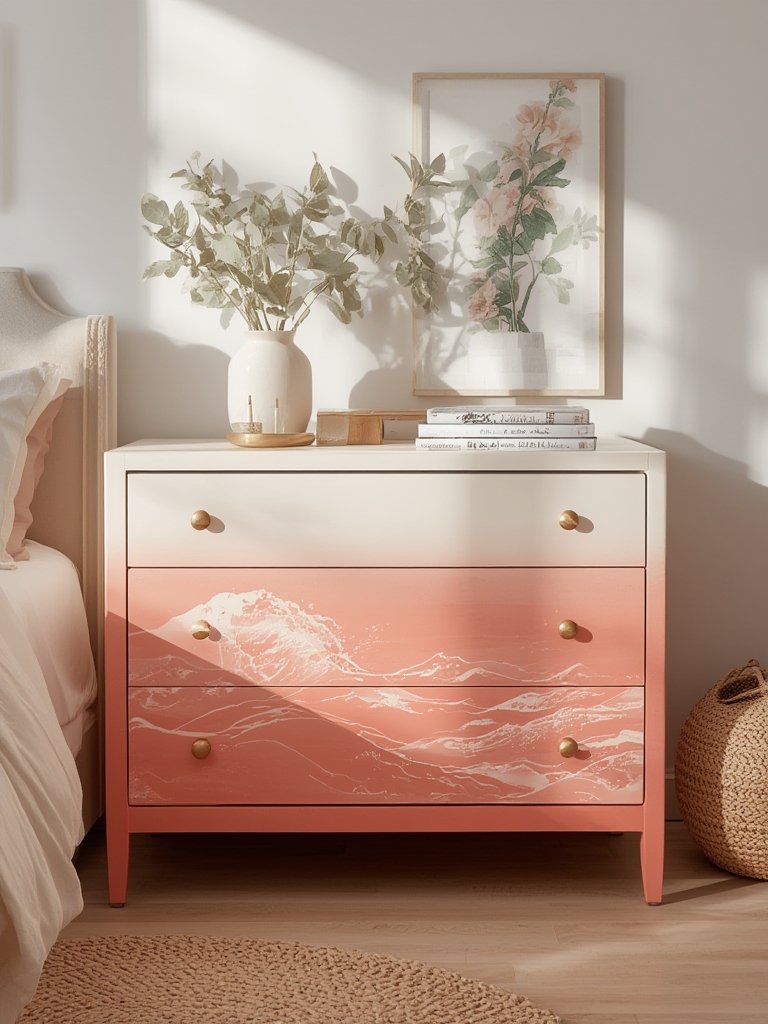
- Pick Your Technique. For beginners, chalk painting is highly forgiving—just brush on in even coats. For ombré, blend two coordinating colors with a dry brush or foam sponge. Try stenciling for patterns, or decoupage for layered looks. Explore advanced ideas like blending, metallics, or textured effects as you grow confident. See this guide for inspiration.
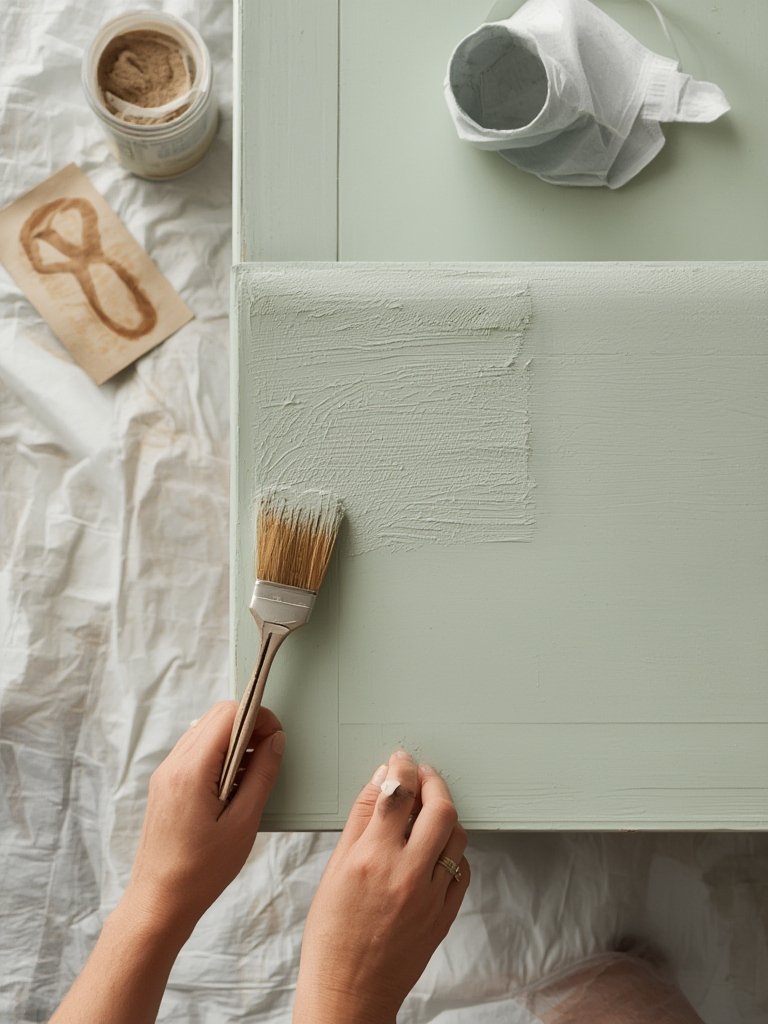
- Paint in Layers. Apply the first coat, then let dry fully. Repeat for a second coat, lightly sanding between coats for extra-smooth results. Always let paints dry as recommended on the container—rushing leads to problems like peeling.
- Add Details (Optional). Stencil patterns with stippling motions and painter’s tape. For ombré gradients, work top-to-bottom with a blending brush while paint stays wet. For decoupage, use paper cutouts and a glue medium, then seal.
- Distress or Texture. For a vintage look, sand edges and raised details lightly to expose the undercoat. For textured murals, layer on raised stencils or Venetian mediums.
- Seal and Protect. Once dry, finish with a Seal and Protect clear wax, polycrylic, or water-based topcoat to make the paint last, especially on high-touch areas.
- Reattach Hardware. Add new or updated pulls and handles to complete your look.
Need more inspiration on multifunctional furniture? Discover ways to maximize space with a modular sectional sofa or optimize any room with a multifunctional storage ottoman.
Advanced Analysis: Pitfalls & Realistic Issues of Hand Painted Furniture DIY
Hand painted furniture DIY looks simple online, but real-world execution poses challenges. No matter the paint or technique, common problems can crop up:
- Brush Marks and Streaks. Fast-drying paints like chalk can leave visible ridges if overworked. Use quality brushes and minimal strokes.
- Paint Not Sticking. Skipped prep on glossy or oily wood leads to paint peeling. Always sand or degloss surfaces unless the paint specifically guarantees adhesion.
- Drips, Runs, and Uneven Coverage. Overloading the brush, skipping dry times, or painting in humid spaces causes sagging or clumps. Thin layers work best.
- Lack of Durability. No matter the technique, skipping a protective topcoat leaves finishes prone to scratches, chips, or water damage.
- Ventilation and Safety Gaps. Neglecting airflow with certain sealants—or sanding indoors—creates respiratory risks. Open windows and run a fan whenever possible.
- Underestimating Time and Supplies. Underbudgeting for extra brushes, sandpaper, sealants, or new hardware can stall projects.
- Texture or Decoupage Lifting. Not allowing enough dry time between layers can cause bubbling or peeling of decorative elements.
| Technique | Main Challenge | Prevention |
|---|---|---|
| Chalk Paint | Visible Brush Strokes, Chipping | Quality Brushes, Seal with Wax or Polycrylic |
| Ombré/Blending | Hard Color Lines | Blend While Wet Using Circular Motions |
| Stenciling | Bleeding Under Stencil | Secure with Tape, Use Minimal Paint, Dab Not Drag |
| Decoupage | Bubbles/Lifting | Work Slowly, Smooth As You Go |
| Textured Finishes | Caking, Slow Dry Times | Thin Layers, Ample Drying Time |
While viral makeovers make it look fast and flawless, patience and prep are key for lasting results. No research provides clear data on the average cost versus buying new. However, supplies for a dresser makeover (quality chalk paint, sealant, brushes, sanding pads, hardware) often total $40-$90—many times less than the $300+ price tag of most new dressers. For more on sustainability benefits, explore these proven guides on reclaimed wood furniture or increasing value with vintage accent chairs.
Looking for more smart home upgrades? See how you can maximize charging efficiency with USB smart furniture or make your bed frame a streaming comfort zone.
Conclusion
Hand painted furniture DIY remains one of the most flexible, affordable, and personally rewarding ways to refresh your space in 2024. While viral videos promise instant gratification, the best results come from methodical prep, deliberate technique, and the courage to experiment with trending finishes—from chalky matte to glam jewel tones and sculptural texture. Practical pitfalls like streaks, peeling, or safety slip-ups are real, but avoidable with patience and planning. If you want high-impact change at low cost with a side of sustainability, start your own hand painted furniture DIY project today—your future self (and your space) will thank you.
Ready to transform your furniture? Grab your paintbrush, experiment with the latest styles, and don’t forget to share your results for a shot of creative community inspiration.
FAQ
What is the most popular paint for hand painted furniture DIY?
Chalk paint is currently the top choice for hand painted furniture DIY because it offers a matte vintage look, requires minimal prep, and is easy for beginners to work with. It dries quickly and distresses easily for classic shabby chic effects. Source
How much does it cost to hand paint a dresser compared to buying new?
There’s no firm average, but most DIY dressers cost $40-$90 in supplies if you already own basic tools. That’s usually much less than purchasing a new, comparable dresser, which can start at $200-$300 for basic styles and go much higher for unique shapes or quality materials.
Do I need to sand before painting furniture with chalk or mineral paint?
Light sanding is always safest. While some paints advertise “no prep,” sanding glossy or previously finished wood increases adhesion and prevents peeling. Always clean and dust after sanding.
How do I prevent brushstrokes or uneven finish?
Use high-quality synthetic or natural bristle brushes, apply thin coats, and avoid over-brushing as paint dries. If working for a super-smooth result, lightly sand between coats and try finishing with a foam roller to even out texture.
Are there any safety tips for painting furniture at home?
Yes—work in well-ventilated spaces, open windows, and wear a mask if sanding or spraying. Avoid using oil-based paints or strong sealants in enclosed rooms. Always follow manufacturer safety recommendations on your paint or sealant label.