


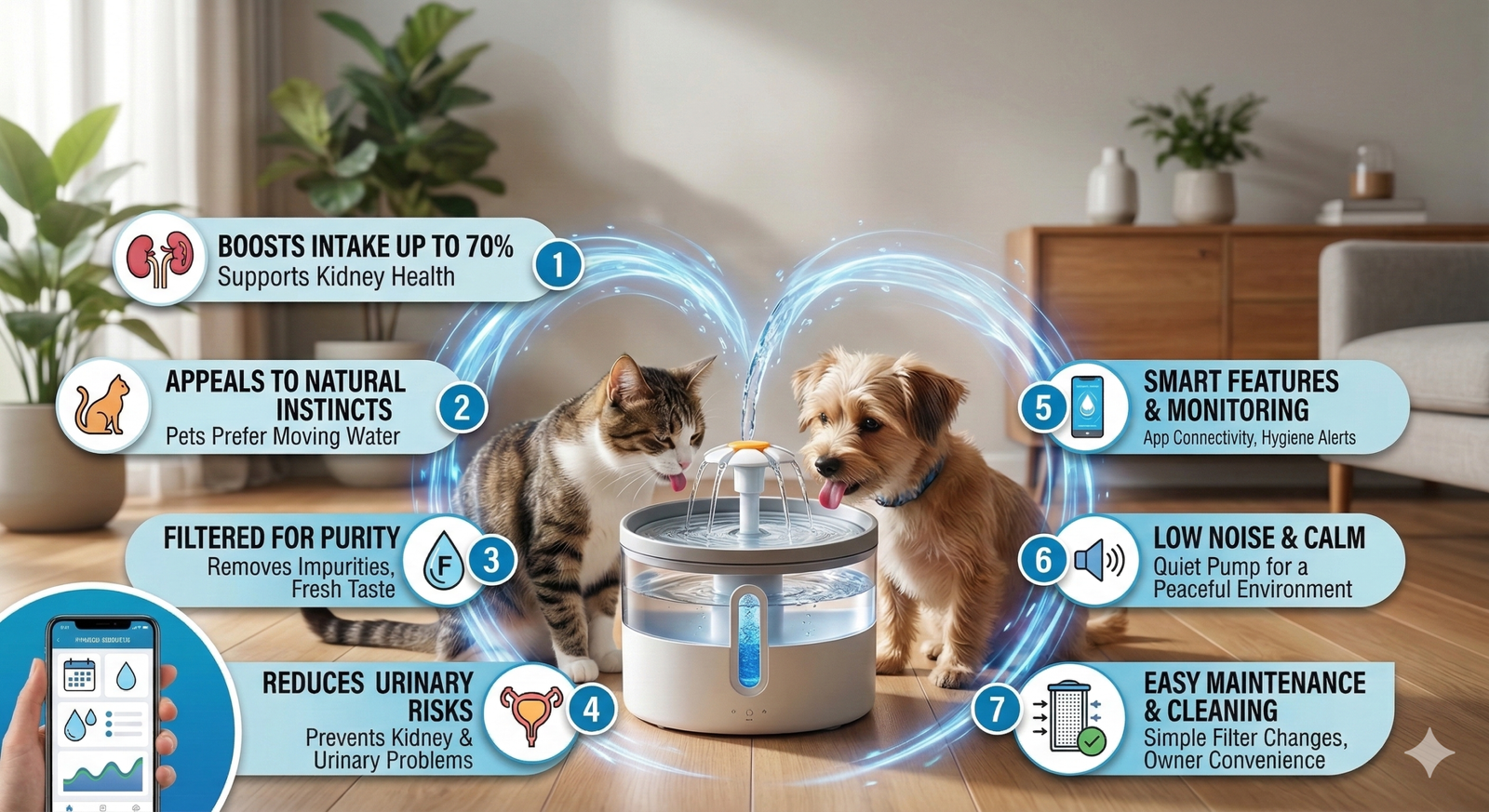
Pet water fountain use is rapidly transforming pet hydration, offering real health benefits, smart features, and owner convenience that manual water bowls simply can’t match.
Key Takeaways
- Pet water fountains can increase your pet’s water intake by up to 70%, supporting kidney health and hydration.
- Smart and low-noise models dominate in 2024, with new features like app connectivity and hygiene monitoring.
- Choose wisely: maintenance, filter changes, and smart tech adoption play a key role in long-term satisfaction.
- What is a Pet Water Fountain and Why Does It Matter?
- How to Choose and Use a Pet Water Fountain (Step by Step)
- Advanced Analysis & Common Pitfalls
- Conclusion
- FAQ
What is a Pet Water Fountain and Why Does It Matter?
A pet water fountain is an automatic device designed to provide constant flowing, filtered water for pets. Unlike ordinary bowls, these fountains use pumps to circulate water, which appeals to cats’ and dogs’ instincts to drink moving water. Why is this important? Research shows cats drink 31.6 mL/kg/day from fountains versus just 22.9 mL/kg/day from bowls, and overall pet water fountain intake rises up to 70% with a fountain in the home. Increased hydration can directly reduce the risk of kidney and urinary problems, improve digestive health, and support skin condition [Cat Water Fountain Research]. Modern models also cater to busy lifestyles, offering convenience, app integrations, and low-maintenance upkeep for owners.
How to Choose and Use a Pet Water Fountain (Step by Step)
- Assess your pet’s needs: Is your pet a cat, small dog, or large dog? Cats and small dogs thrive with lower bowl heights and softer water flow. Large dogs need greater capacity and higher jets for comfortable drinking. Make sure to research species-appropriate designs—a gap missing from many guides (source).
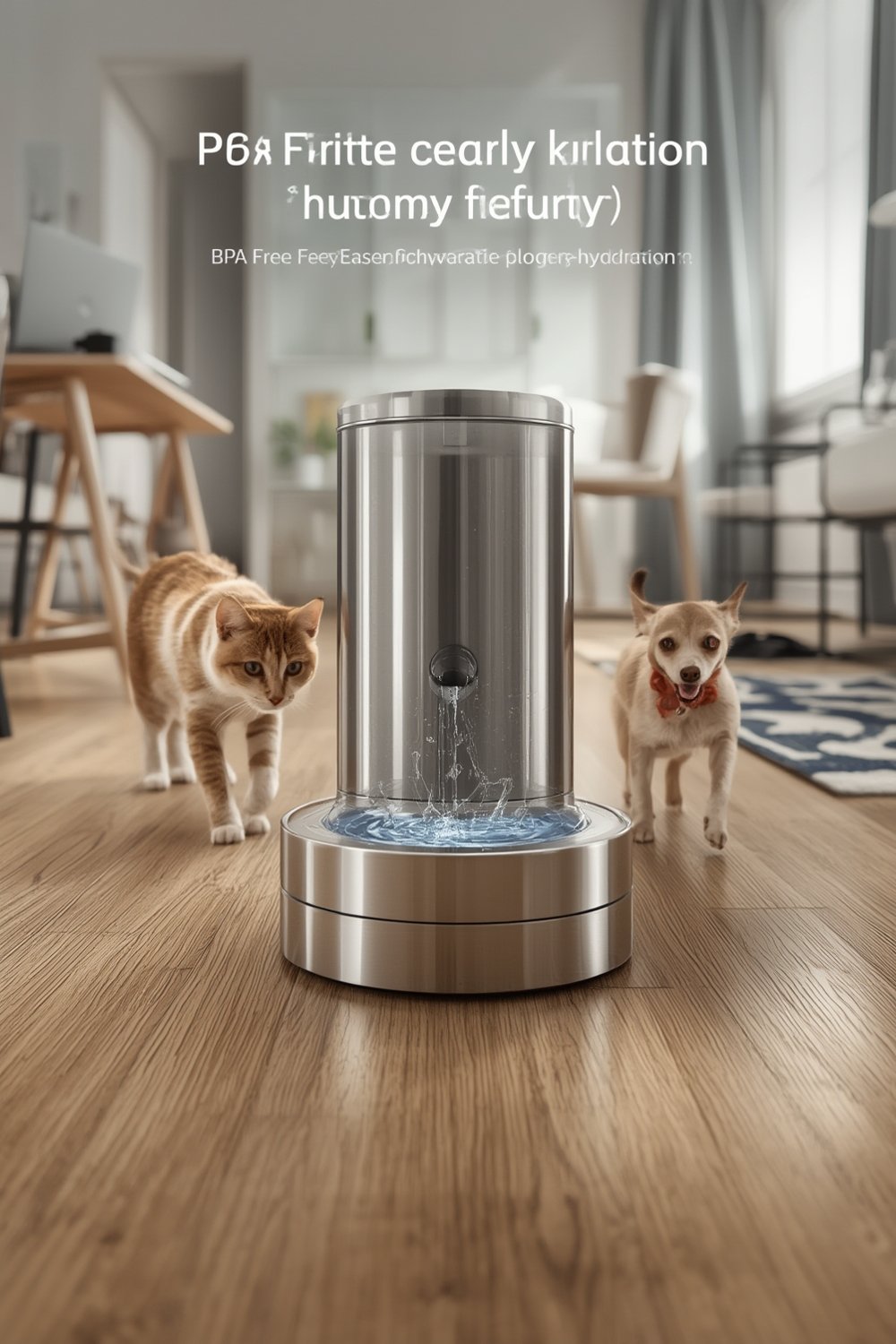
- Pick the right materials: Stainless steel fountains are durable and may reduce bacteria build-up, while BPA-free plastic is cost-effective and lightweight. Both types are now available with quiet pumps for peaceful operation, especially valued in small apartments.
- Prioritize smart models if needed: If you want less hassle, focus on smart models with app integration, filter/cleaning reminders, scheduled flow cycles, or even real-time hydration tracking (source). These have seen swift adoption, like in China where 58.3% of buyers chose smart fountains in 2023 [Cat Water Fountain Market Stats].
- Evaluate filtration and hygiene: Opt for UV sterilization or multi-layer filters if your pet is sensitive or you want the best water quality. Subscribe to auto filter delivery for convenience.
- Read the manual and set up correctly: Assemble all parts, insert the filter, and ensure the pump is fully submerged before plugging in. Rinse all components before first use.
- Introduce your pet: Place the fountain in a familiar location. Many cats and dogs are naturally curious and may drink immediately, but some need gradual introduction—don’t force, let them explore.
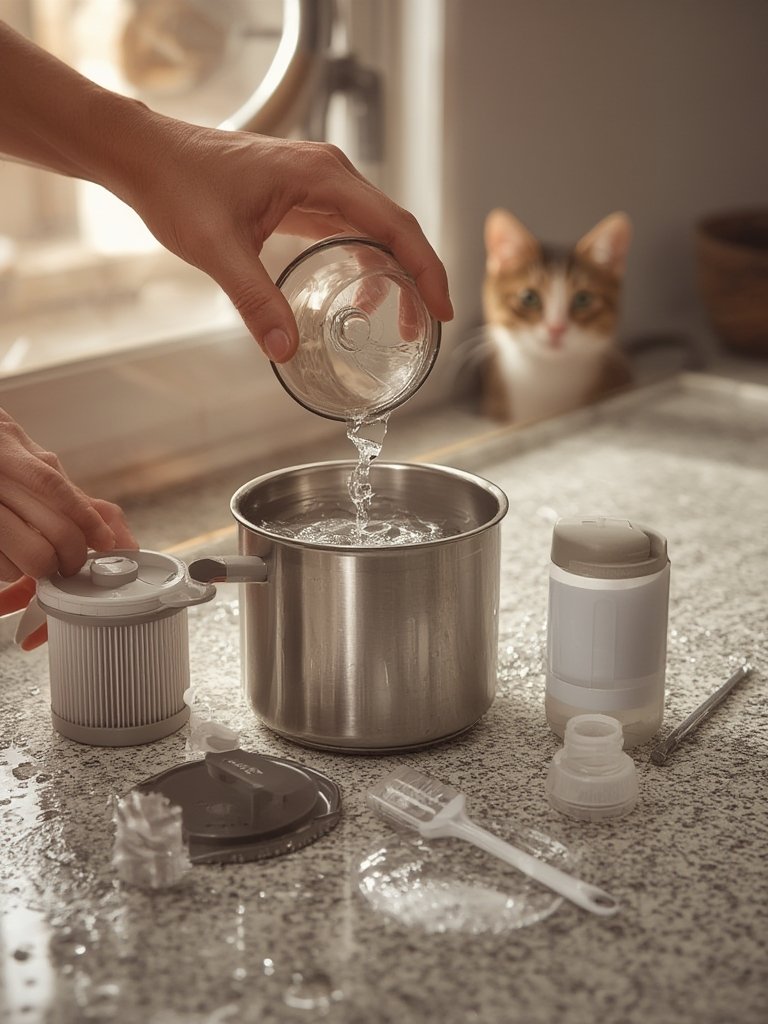
- Establish a cleaning routine: While some fountains promise “low-maintenance,” all require regular cleaning and filter replacement to keep the water safe. Set reminders on your phone or via your app (if available).
Looking to maximize overall pet health? Consider pairing hydration improvements from fountains with targeted supplements for digestion (best dog probiotics 2025), skin and coat improvements (fish oil for cats), or even freeze-dried raw treats as healthier snacking options (freeze-dried raw treats).
Advanced Analysis & Common Pitfalls
Despite the benefits, not every pet water fountain will suit every household—or every pet. Here’s what you need to know before buying:
- Noise Sensitivity: Some pumps are louder than expected. Japanese buyers report strong preference for ultra-quiet operation, leading manufacturers to develop low-noise tech. If your pet is anxious or easily startled, check reviews and avoid models without quiet ratings (source).
- Maintenance Burden: Marketing may promise “easy-care” or “auto-cleaning,” but all fountains need routine attention. Filters must be changed regularly (even with subscriptions). Neglected fountains quickly develop odorous water and pump buildup. No model is truly “set and forget.” Compare models with easy-to-remove components or dishwasher-safe parts for less hassle.
- Filter and Replacement Costs: Actual filter expenses and replacement schedules vary widely—yet few manufacturers are transparent about ongoing costs. Subscription and auto-delivery services can help, but check if your preferred model locks you into proprietary supplies.
- Material Choice Myths: There’s little real-world data comparing stainless steel versus plastic in terms of owner satisfaction. Stainless steel may offer marginal hygiene benefits, but plastic is lighter and often cheaper. Both can harbor bacteria if not properly cleaned.
- Species Mismatch: Models optimized for cats may frustrate large dogs, and vice versa. Cat models often have lower flow jets and smaller bowls; dog designs prioritize capacity and height [Fountain Market Features]. Always check capacity and height specs against your pet’s needs.
- Tech Features Overload: App connectivity, IoT controls, and veterinary platform integration sound impressive but can be buggy or drain pumps faster. If you’re not tech-savvy or prefer minimal setup, a manual model may suit you better.
- Health Claims: While fountains are shown to improve hydration (a key factor in urinary and kidney health), long-term studies on chronic kidney disease prevention are still lacking (reference).
| Feature | Stainless Steel Models | BPA-Free Plastic Models | Smart/IoT Models |
|---|---|---|---|
| Noise Level | Low (if quality pump used) | Varies (some models hum) | Lowest (premium pumps) |
| Ease of Cleaning | Dishwasher safe, less odor | Often dishwasher safe, check label | Some offer cleaning reminders |
| Maintenance Required | Manual cleaning | Manual cleaning | Manual, with possible auto-alerts |
| Filter Replacement Cost | Varies | Usually lower | Highest, often tied to brand subscription |
| Durability | High, scratch-resistant | Moderate, prone to scratching over time | Depends on electronics, can fault sooner |
Always compare real user reviews, especially regarding noise, maintenance, and parts durability. For additional enrichment and boredom relief, consider pairing hydration upgrades with lick mat anxiety relief tools, which support healthy routines and reduce stress in pets left at home.
Conclusion
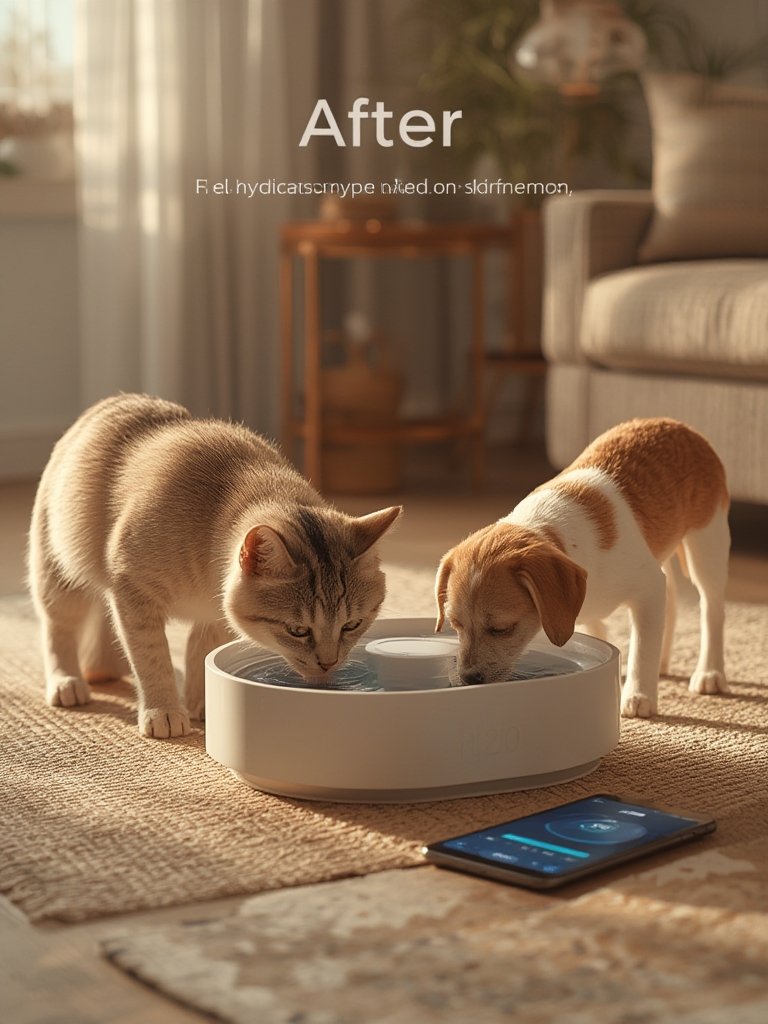
Investing in a pet water fountain is one of the simplest ways to improve your pet’s hydration and health, especially for cats and small dogs prone to urinary issues. Smart features, durable materials, and quiet operation define 2024’s best models, but don’t overlook maintenance or the real needs of your pet. Ready to give your companion better health? Research your options today and commit to cleaner, fresher water—your pet will notice the difference.
FAQ
Do pet water fountains really make a difference in health?
Yes. Studies show cats drink up to 70% more water with a fountain compared to a static bowl, supporting kidney function, urinary health, and skin condition. Most veterinarians recommend moving water for better hydration.
How often should I clean my pet water fountain?
Clean the fountain and replace the filter at least once a week for best hygiene. Some smart models send reminders or automate certain cleaning steps, but all devices need routine upkeep.
Are stainless steel fountains better than plastic models?
Both offer advantages. Stainless steel is very durable and resists odors, while BPA-free plastic is lightweight and less expensive. What matters most is regular cleaning and filter changes.
What is the average cost to run a pet water fountain?
While price varies by brand and features, most ongoing costs stem from filter replacement, typically every 2-4 weeks. Some models offer subscription delivery for convenience, but always factor in these expenses before buying.
Will my pet really use a fountain if I switch?
Most pets adapt quickly, especially cats who prefer moving water. If hesitant, use treats or ice cubes to encourage initial use. Owners report 83% of cats prefer fountains after a short adjustment period.