


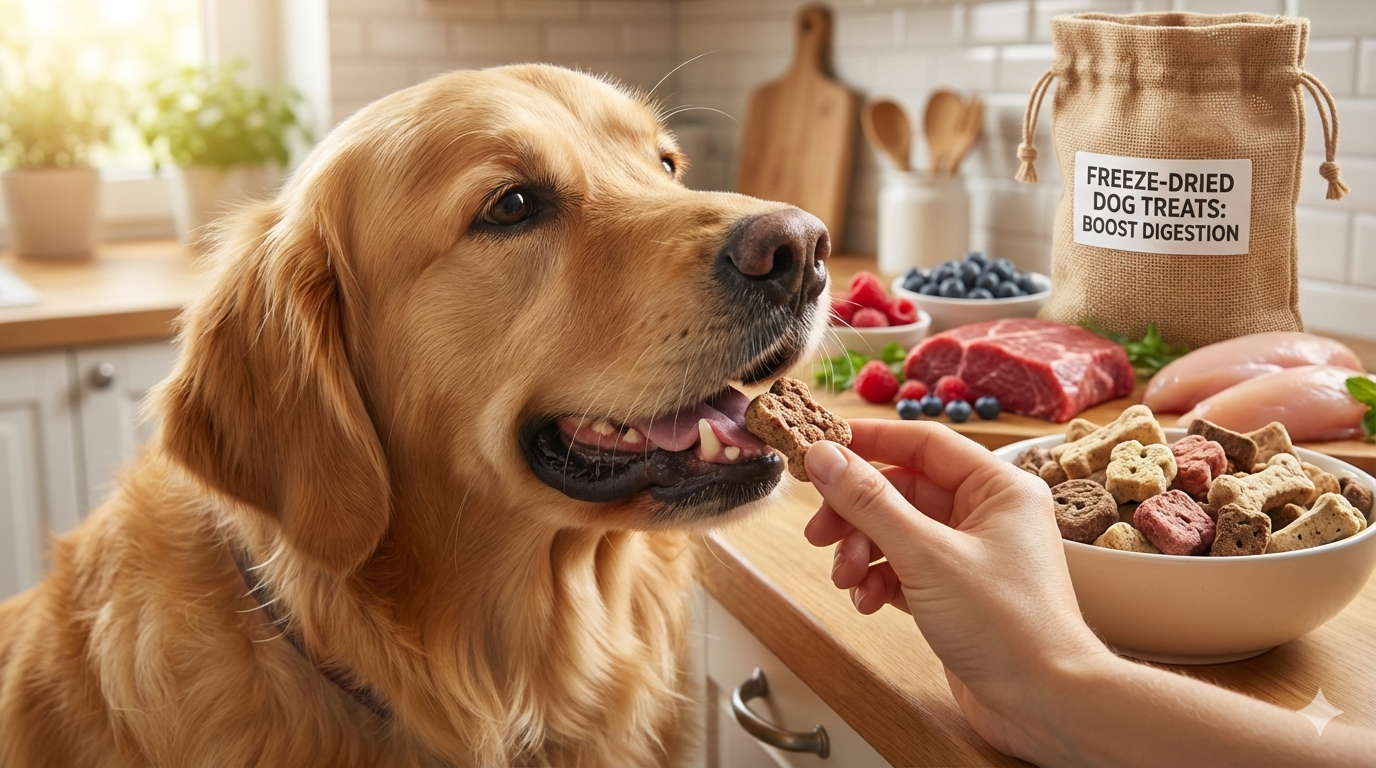
Freeze-dried dog treats are rapidly rising on pet store shelves, but do they really deliver on promises like better nutrition and digestibility compared to traditional dog treats? Let’s break down the science, the process, and the real-world facts before you choose your next bag of rewards for your pup.
Key Takeaways
- Freeze-dried dog treats retain more nutrients and protein integrity than traditional heat-processed treats, but may carry safety risks if not manufactured correctly.
- Perceived benefits like improved digestion and energy mostly come from consumer reports, with few peer-reviewed studies confirming advantages over standard treats.
- Manufacturing transparency, detailed safety steps, and clear ingredient labeling are lacking in many competitor articles and products.
- What Are Freeze-Dried Dog Treats? The Core Concept
- How to Choose and Use Freeze-Dried Dog Treats: Step-by-Step
- Advanced Analysis and Common Pitfalls
- Conclusion
- FAQ
What Are Freeze-Dried Dog Treats? The Core Concept
Freeze-dried dog treats are snacks made by removing moisture from fresh raw ingredients (usually meats) using low temperature and vacuum technology. This process preserves most nutrients, protein structures, and natural flavors without using artificial preservatives or excessive heat.
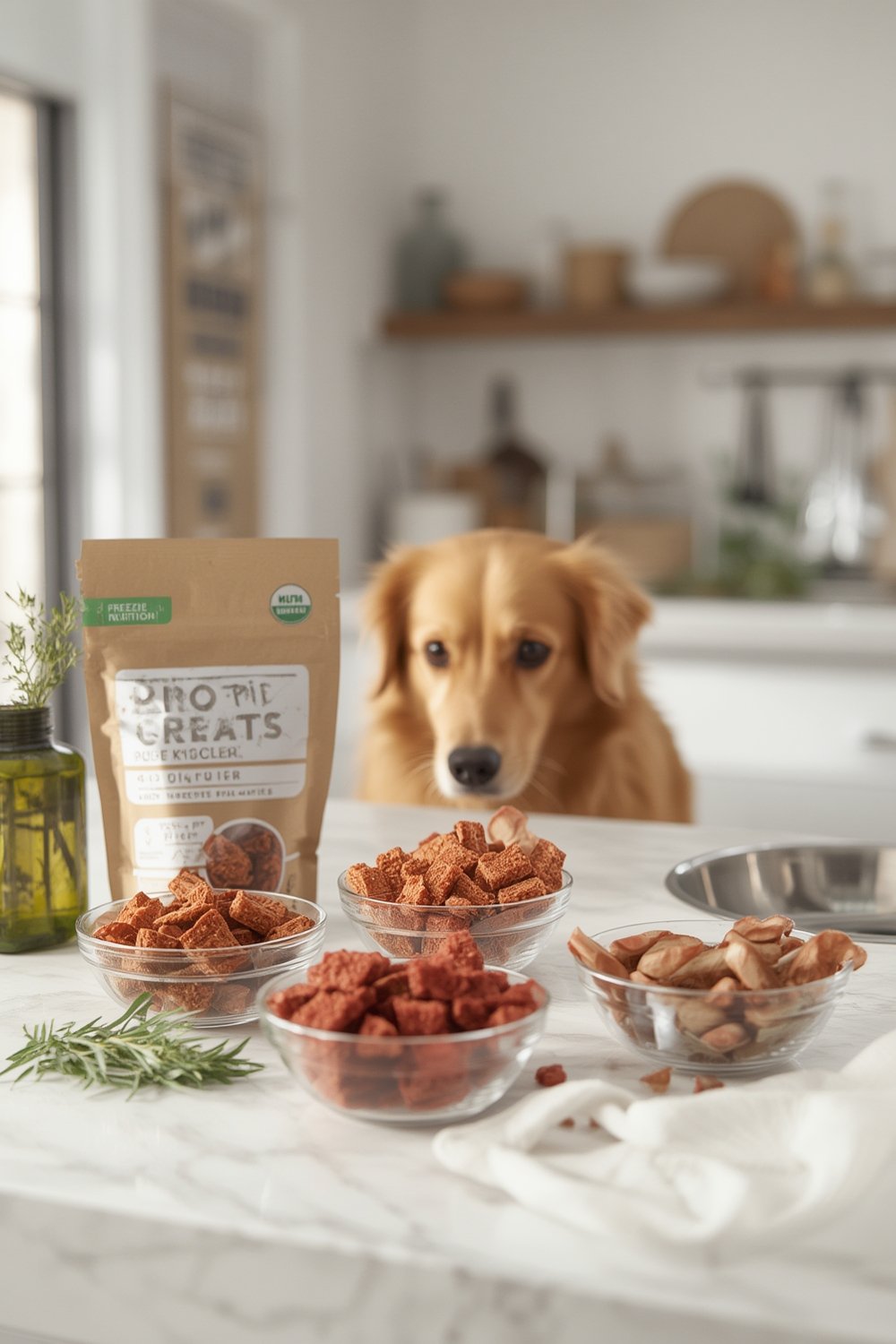
Pet owners are increasingly drawn to freeze-dried treats because the minimal processing is thought to mirror what ancestral canines might have eaten, supporting the “raw” or “ancestral” diet philosophy. Compared to traditional baked treats, which often lose vitamins, amino acids, and enzymes due to high heat, freeze-dried products aim to lock in more nutrition and flavor.
Leading brands, such as Stella & Chewy’s and Primal, position their products as high-protein whole food alternatives. However, even these minimally processed treats must be handled cautiously due to ongoing concerns about pathogen contamination, a risk shared with raw-frozen pet foods.
The growing popularity of single-protein and single protein source options reflects demand among dog owners managing allergies or sensitive stomachs. Despite the excitement, detailed safety standards and consistent scientific backing are still evolving, so informed choices matter.
For those aiming to address canine digestion specifically, pairing freeze-dried treats with a probiotic for dog digestion may further support gut health and minimize symptoms like loose stools or excessive gas.
How to Choose and Use Freeze-Dried Dog Treats: Step-by-Step
- Check Ingredient Transparency: Choose treats that give clear, complete ingredient breakdowns. Single-ingredient (e.g., 100% chicken breast) options are ideal for dogs with allergies or sensitive digestion. Multi-ingredient treats should list every component, including added nutrients or preservatives, even if they are minimal.
- Analyze Nutritional Content: Look for high protein by percentage (often 30% or higher), with meat or fish as the first ingredient. Prefer products that state protein digestibility or have brand-specific testing data available. Brands like Primal and Stella & Chewy’s typically offer higher nutrient retention and digestibility.
- Review Safety Practices: Investigate the manufacturer’s safety checks. Do they use USDA-approved meats? Is each batch tested for pathogens like salmonella? Is there a transparent recall history or QR codes for batch tracing? Brands that do not disclose their food safety protocols warrant extra caution.
- Assess Shelf Life and Storage: Freeze-dried dog treats are lightweight and shelf-stable, often lasting 12-24 months unopened. Always check for expiration dates. Store treats in an airtight container away from moisture and heat to maximize shelf life and prevent spoilage.
- Observe Palatability and Digestive Response: Introduce new treats in small amounts. Observe your dog for excitement, willingness to eat, and any digestive symptoms like gas, loose stools, or vomiting in the next 24-48 hours.
- Adjust Based on Protein Type and Individual Needs: Alternate between single-ingredient and multi-ingredient treats to see what suits your dog’s digestion and taste preferences best, especially for breeds prone to allergies.
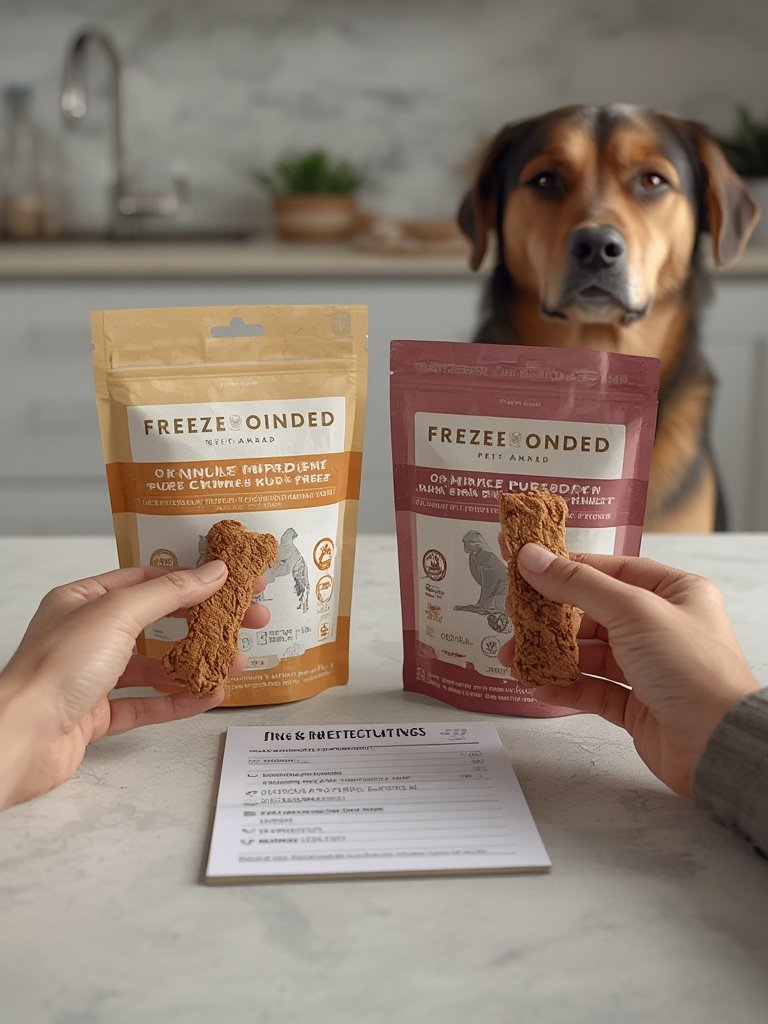
Below is a quick-access checklist for selecting a quality product:
- Clear ingredient label (preferably single protein source)
- Protein content of 30% or more
- Pathogen safety testing disclosed
- Expiration date and shelf-stable packaging
- No added sugars, artificial colors, or fillers
While freeze-dried treats are marketed as healthier, always introduce them slowly and monitor your dog’s response, especially if they have a history of food sensitivities or allergies.
Advanced Analysis and Common Pitfalls
Despite promising trends, freeze-dried treats are not a guaranteed nutrition upgrade for every dog. Here’s what owners should be aware of:
- Pathogen Risk: Even after freeze-drying, bacteria like salmonella may survive if strict controls are not in place. This risk is highest with brands lacking transparent safety protocols. Always wash hands after handling and avoid feeding treats to immunocompromised pets or humans.
- Digestive Upset: Switching too quickly or choosing treats with novel proteins can trigger gastrointestinal issues. While many owners report better digestion, these claims are mostly anecdotal. Actual improvements may depend on the individual dog and their gut health. You might want to read our guide on dog probiotic supplement to avoid the most common digestive pitfalls.
- Palatability: Some dogs adore freeze-dried options, while others dislike the texture or taste — especially with single-ingredient varieties. Consider breaking treats into smaller pieces and experimenting with different proteins.
- Manufacturing Gaps: Many competitor articles skip a true manufacturing deep-dive, omitting details on pathogen mitigation, shelf-life comparisons, or unique ingredient percentages. Always cross-check with external testing reports or certifications before purchase.
- Cost: Premium ingredients and extra food safety steps mean higher prices. While some multi-ingredient formulas (with added probiotics or omega-3s) may cost more, there is no industry-wide price difference by ingredient count as of 2024. Learn about value in this freeze-dried dog food market analysis.
| Aspect | Freeze-Dried Treats | Dehydrated Treats | Baked (Traditional) Treats |
|---|---|---|---|
| Processing Temperature | Very low (vacuum, <40°F) | Low-medium (115-150°F) | High (350°F+) |
| Nutrient Retention | Excellent: minimal loss | Moderate: some loss | Poor: heat-sensitive nutrients degraded |
| Protein Digestibility | High | Moderate | Low-Moderate |
| Safety (Pathogen Risk) | Moderate-High | Lower (due to partial cooking) | Lowest |
| Shelf Life | Up to 24 months unopened | 6–12 months | 6–12 months |
| Price | Premium | Mid-range | Low |
Freeze-dried treats undeniably lead the pack on nutrient integrity, but they require conscious purchasing and safe handling. For dogs with allergies, prioritize single-ingredient treats. For better digestion, combine with an evidence-based canine probiotic chew or gut health supplement.
Conclusion
Freeze-dried dog treats offer a nutrition-dense reward packed with high-quality protein and preserved taste, outperforming many traditional options in nutrient retention and palatability. However, you must check each brand’s manufacturing and safety checks, watch for individual digestive response, and adjust as needed. Remember, while most owners see perceived gains in digestion and coat quality, scientific studies are still catching up.
Ready to give your dog a modern, whole-food reward? Choose freeze-dried dog treats from transparent brands and always introduce new snacks with observation and care. For added digestive peace of mind, pair them with a dog gut health supplement or probiotic for supporting skin and coat.
FAQ
Are freeze-dried dog treats safer than raw or dehydrated treats?
Freeze-dried treats preserve more nutrients and have a longer shelf life than dehydrated or raw/frozen treats but can still pose pathogen risks if not properly manufactured. Always select brands that test for bacterial contamination and use USDA-inspected meats.
Can freeze-dried dog treats trigger allergies?
Some freeze-dried treats use single ingredients, which can help pinpoint or avoid allergens. Still, always check labels closely. Introduce slowly and observe your dog’s response, especially if they have a known allergy history.
How should I store freeze-dried dog treats for maximum freshness?
Keep freeze-dried treats in an airtight container, stored in a cool, dry place away from direct sunlight or moisture. Use them within the recommended shelf life, which is usually up to 24 months if unopened.
What symptoms could mean my dog is reacting poorly to freeze-dried treats?
Signs include gastrointestinal issues (such as loose stool, vomiting, or gas), skin irritation, or refusal to eat. Discontinue use and consult your veterinarian if any symptoms appear.
Do freeze-dried treats help with my dog’s digestion?
Owners often report digestion improvements with freeze-dried treats due to minimal processing and higher protein digestibility. For best results, combine with a dog digestive probiotic supplement, as gut health is multifaceted.