


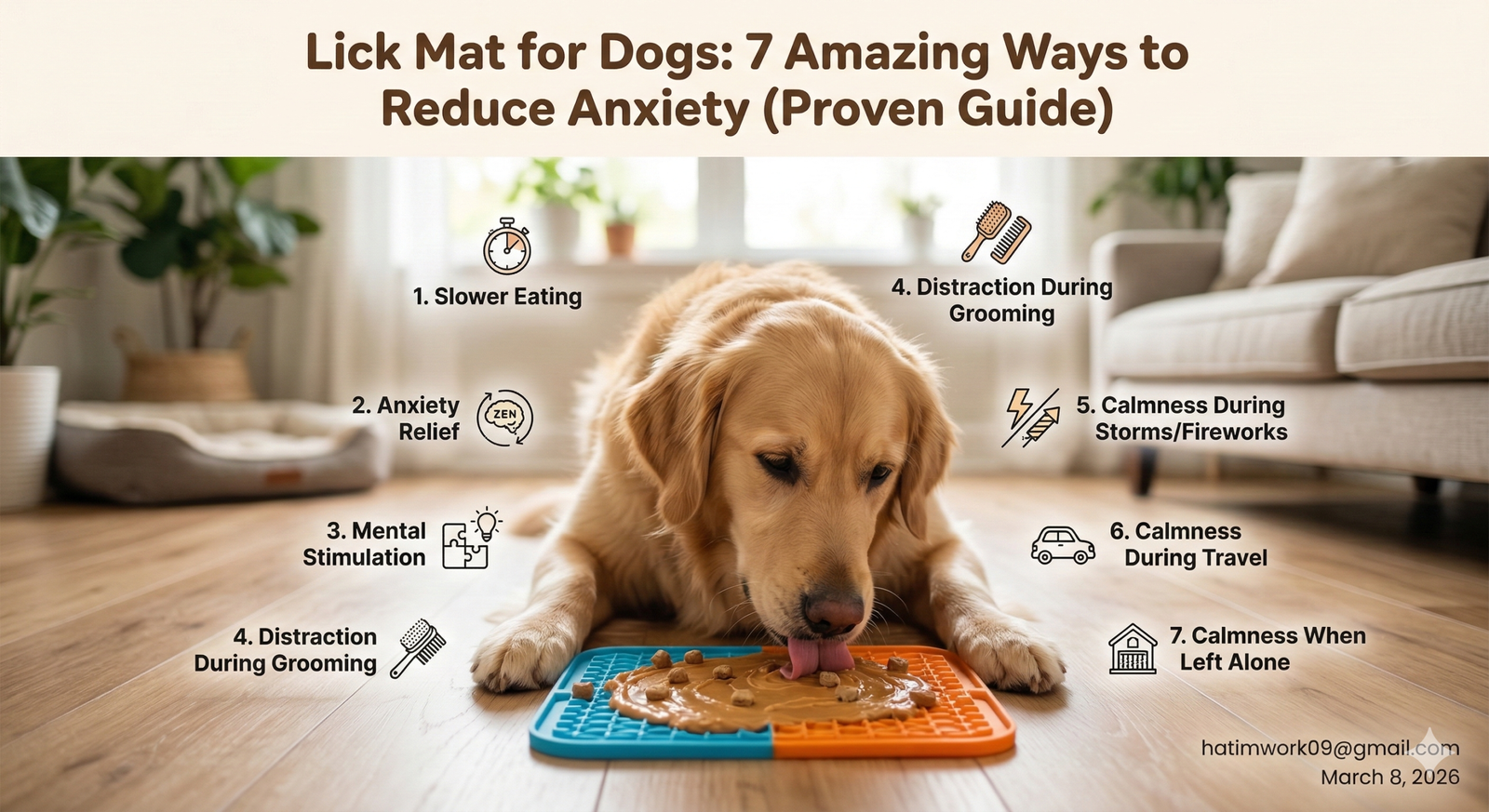
Lick mat for dogs is making waves for dog owners seeking enrichment, anxiety relief, and healthier mealtimes. But do they live up to the hype, and what should you know before introducing a lick mat to your routine? Here’s a realistic, actionable guide based on the most up-to-date 2024 market research—and no-nonsense advice.
Key Takeaways
- The lick mat for dogs market is booming, with North America leading in adoption and innovation.
- Benefits include slower eating, anxiety relief, and mental stimulation, but scientific validation is limited.
- Success depends on ingredient safety, cleaning habits, and realistic expectations about durability.
- What Is a Lick Mat for Dogs and Why Use One?
- How to Use a Lick Mat for Dogs: Step-by-Step Guide
- Advanced Analysis and Common Pitfalls
- Conclusion
- Frequently Asked Questions
What Is a Lick Mat for Dogs and Why Use One?
A lick mat for dogs is a textured, food-safe mat designed for spreading soft treats or dog food. The dog spends several minutes licking the grooves and patterns to extract the food. This simple interaction can encourage slower eating, reduce the risk of digestive upset, curb boredom, and provide gentle mental enrichment. According to market research from IMARC, lick mats are increasingly popular for their potential calming effects and their role in the pet wellness trend, especially in North America, which holds over 44% of the global mind share in 2024.
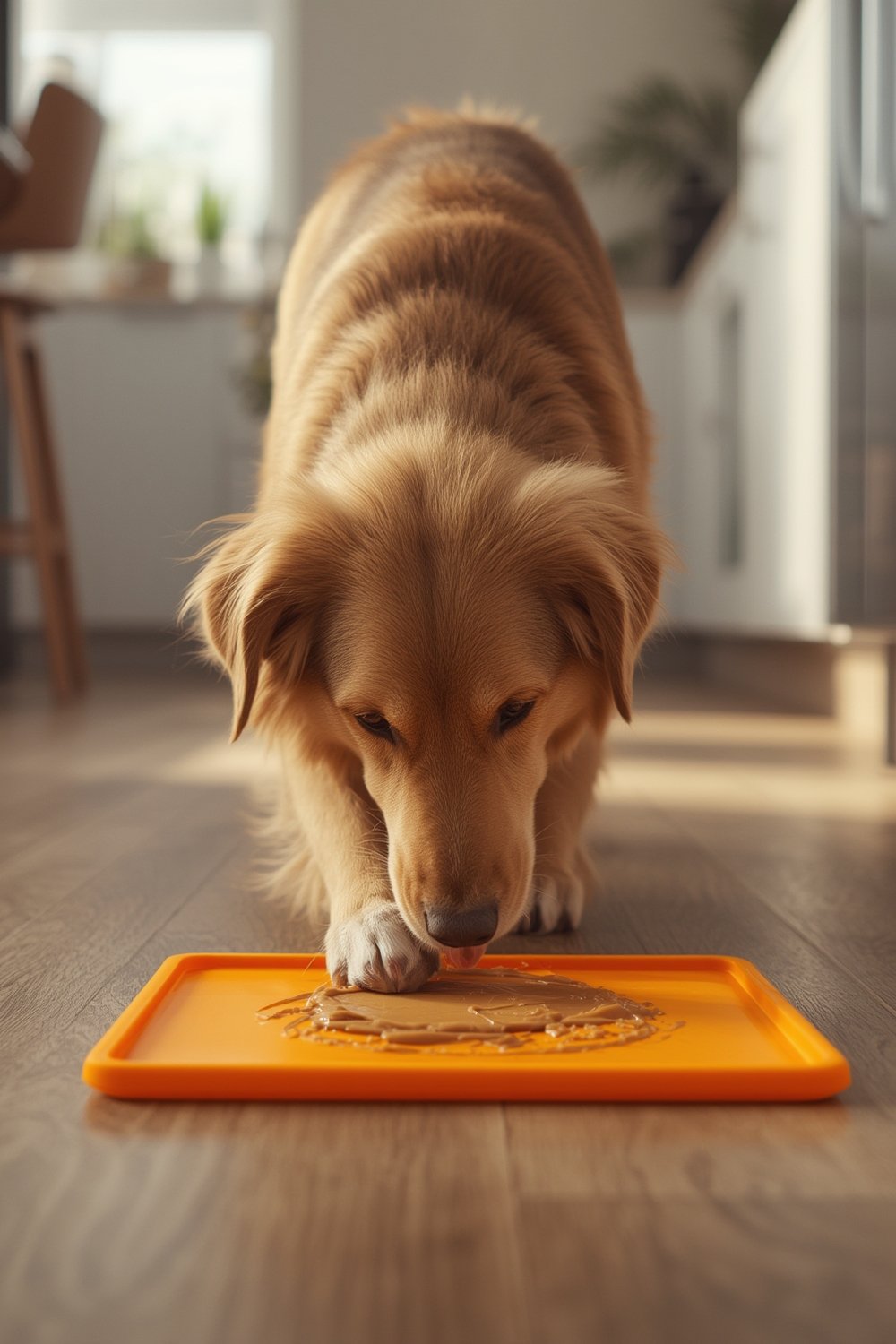
Lick mats are especially useful for:
- Encouraging dogs to eat more slowly to reduce risk of bloat and obesity
- Offering distraction during stressful moments, like vet visits or storms
- Making treat time less messy, and extending mental engagement
The global lick mat for dogs market reached USD 152.58 million in 2024, with faster growth than traditional feed bowls and canine interactive toys. Growth is fueled by rising pet wellness awareness, especially among US and Canadian owners.
If your dog bolts down food, struggles with boredom, or needs anxiety relief, a lick mat is likely worth trial. Be aware, though—peer-reviewed evidence for clinical benefits is lacking, and product quality varies significantly.
How to Use a Lick Mat for Dogs: Step-by-Step Guide
Integrating a lick mat into your dog’s daily routine is simple but doing it right can make a big difference in safety and results. Here’s a practical, stepwise approach:
- Choose the right lick mat. Opt for food-grade silicone, preferably free of BPA. For aggressive chewers, select mats labeled “extra durable” or made from reinforced rubber. Dishwasher-safe designs save cleaning time.
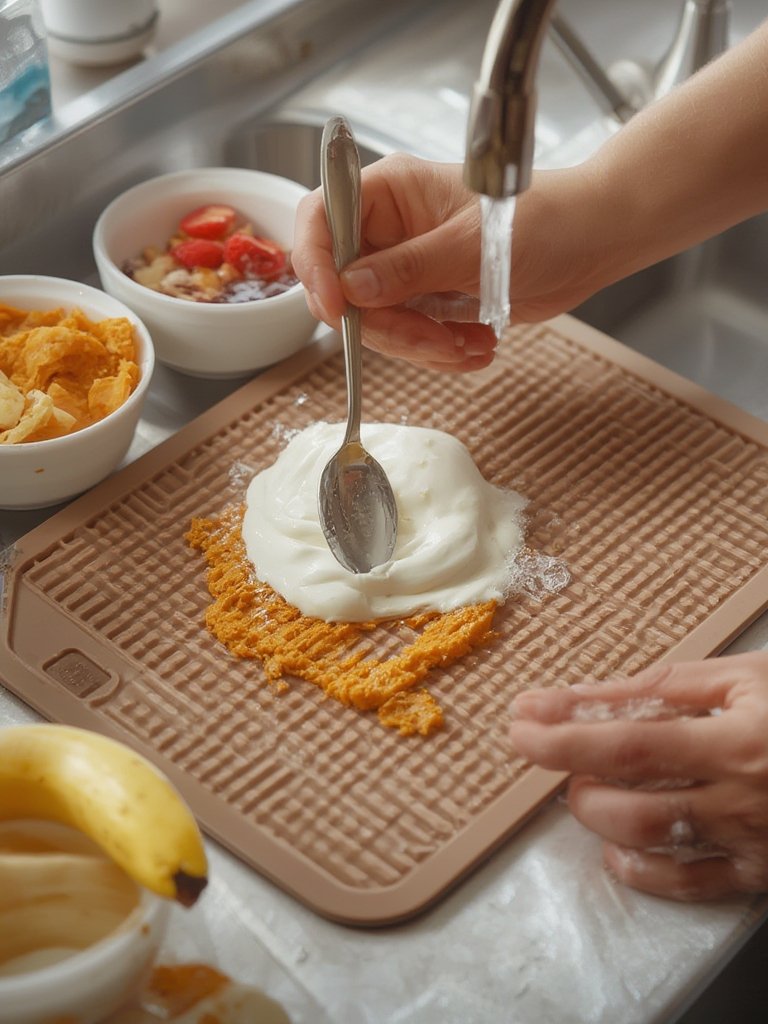
- Select safe, healthy spreads. Go for single-ingredient purees, natural peanut butter (xylitol-free), canned pumpkin, dog yogurt, or mashed banana. Avoid highly processed, sugary, or salty ingredients.
- Introduce the mat calmly. Smear a tiny treat sample onto the mat and let your dog explore it in a low-distraction area. Remove the mat after a few minutes to prevent overzealous chewing or destruction.
- Gradually increase challenge. Use frozen spreads to extend licking time or create divided “zones” with different flavors. Only freeze treat combinations if the mat is freezer-safe.
- Practice safe, regular cleaning. Clean with hot soapy water or on the dishwasher’s top rack after each use. Discard mats with deep bite marks or if any material is missing, especially for super-chewers.
Want to further boost your dog’s digestion or skin health? Consider pairing the lick mat with a dog probiotic supplement or use as a serving base for freeze-dried dog treats for easy enrichment. These options combine convenience with the growing demand for functional pet treats.
For anxious pups, alternating between a lick mat and dog calming chews can address multiple behavioral needs. Always observe your dog for the first few sessions and adjust treat volume to avoid overfeeding.
Advanced Analysis and Common Pitfalls
Despite their popularity, lick mats are not perfect. Here are pitfalls and user complaints you should know before making them a regular part of your dog’s routine:
- Durability Issues: Aggressive chewers can quickly destroy low-quality mats, risking ingestion of small silicone or rubber pieces.
- Cleaning Difficulties: Many mats retain traces of peanut butter or yogurt, leading to odors or mold if not thoroughly cleaned. Mats with intricate grooves are hardest to clean.
- Lack of Supervision: Dogs left alone with mats may bite or tear chunks, especially high-energy or bored dogs.
- No Scientific Proof: Market claims about anxiety relief or weight loss are not backed by peer-reviewed studies (source).
- Ingredient Risks: Some owners use unsafe spreads, such as xylitol-containing peanut butters or seasoned human foods.
There is no substantive data comparing lick mats with other enrichment tools such as puzzle feeders or snuffle mats, so experiment to find what genuinely engages your dog over time.
| Feature | Lick Mat | Puzzle Feeder | Snuffle Mat |
|---|---|---|---|
| Best for | Soft/wet spreads Quick enrichment | Kibble or solid treats Advanced problem solving | Dry treats/kibble Sniffing stimulation |
| Average engagement time | 3–15 min | 10–40 min | 5–25 min |
| Mess Level | Low to moderate | Low | Moderate to High |
| Durability | Variable: prone to chewing | Generally high | Depends on mat quality |
For additional digestive or allergy support, you might want to explore freeze-dried dog treats, dog probiotics, or a reliable allergy supplement for dogs to round out your enrichment approach. Likewise, for senior pups, enriching mealtime with a lick mat can be paired with a hip and joint supplement to support mobility.

Conclusion
Lick mat for dogs is more than a passing fad—market data and pet owner feedback show growing use in North America and globally. While lick mats offer real benefits like slower eating and potential anxiety reduction, their success is tied to safe recipes, cleaning vigilance, and realistic expectations. Start slowly, supervise closely, and remember that every dog responds differently. Ready to try a lick mat for dogs? Choose a safe, food-grade mat and get creative with spreads for happier, healthier enrichment.
Frequently Asked Questions
Are lick mats safe for all dogs?
Lick mats are generally safe but require supervision, especially with puppies or aggressive chewers who may bite off pieces. Always inspect the mat after each use for signs of damage.
How often should I use a lick mat for my dog?
Many owners use lick mats several times a week for enrichment or slow feeding. Frequency depends on your dog’s digestive tolerance and interest. Start with short, supervised sessions and monitor for any digestive upset.
What are the best foods to put on a lick mat for dogs?
Safe options include xylitol-free peanut butter, plain yogurt, pumpkin puree, mashed sweet potato, or prescription dog food. Avoid anything containing onions, garlic, artificial sweeteners, or excessive salt.
How do I clean a lick mat?
Wash in hot, soapy water immediately after use or place in the dishwasher’s top rack, if safe. Use a soft brush for stuck-on food in tight grooves. Do not soak for prolonged periods as this may degrade the material over time.
Do lick mats help with dog anxiety?
Many owners report that licking has a calming effect, but scientific studies are limited. For severe anxiety, consult your veterinarian and consider using a lick mat alongside calming chews or professional behavioral training.
—