

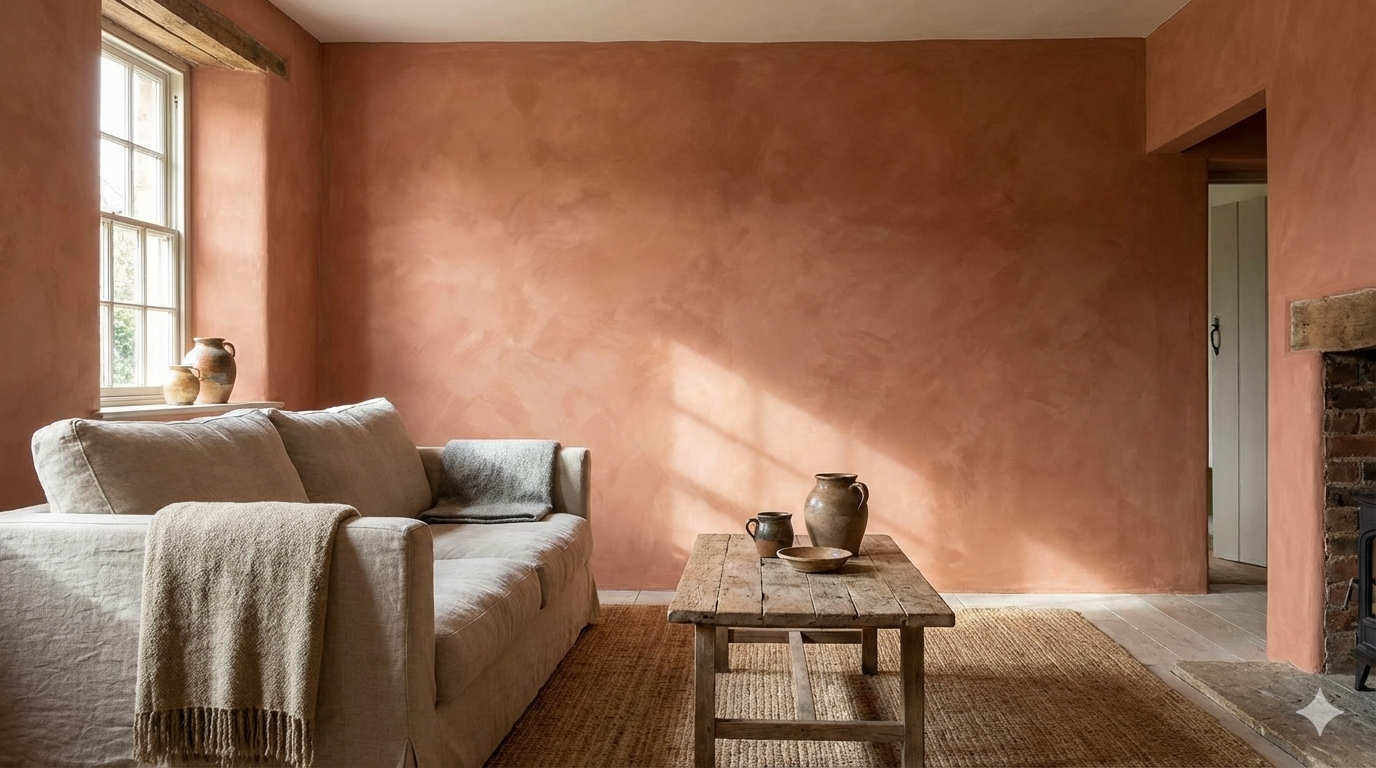
Limewash paint interior walls have surged in popularity for homeowners aiming for rich texture, healthy air, and a timeworn European look inside their homes. But as with any wall finish, there are crucial pitfalls—and overlooked steps can ruin both results and budget.
Key Takeaways
- Limewash paint interior walls deliver a natural, matte look with breathability, but require special prep on drywall and painted surfaces.
- DIY costs start around $150 for small rooms, while professional application averages nearly $2,000, mainly due to extensive labor.
- Proper primer, skilled application, and understanding sealer compatibility are essential for longevity and avoiding costly mistakes.
- What Is Limewash Paint for Interior Walls?
- How to Apply Limewash Paint Interior Walls: Step by Step
- Real-World Challenges & Advanced Tips for Limewash Paint Interior Walls
- Conclusion
- FAQ
What Is Limewash Paint for Interior Walls?
Limewash paint interior walls is a mineral-based wall finish used for centuries on both interior and exterior surfaces. Made from crushed limestone and water—often with natural pigments—limewash sinks into porous substrates and dries to a soft, matte look that changes with the light. For home renovation projects focused on wellness and texture, limewash offers a compelling alternative to acrylic or latex paints thanks to its breathability and natural formula.
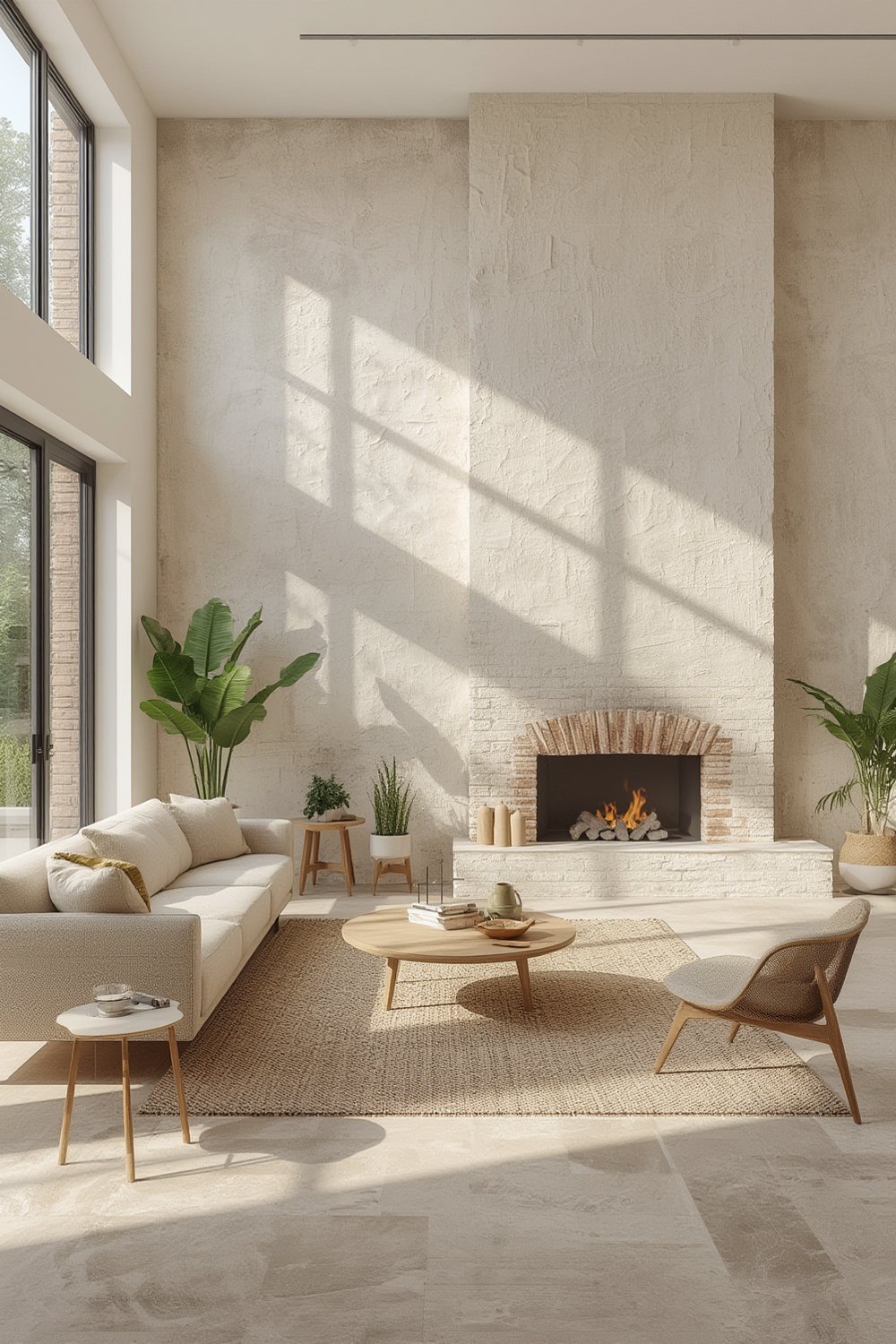
Unlike standard paints that form a sealed coating, limewash penetrates surfaces, leaving behind a unique, streaky patina. It is ideal for brick, stone, or properly primed drywall but has very different maintenance, costs, and application methods compared to modern paints. Many 2024 design trends—especially biophilic interiors and accent wall ideas—embrace limewash for its organic, touchable finish and environmental benefits.
However, it is less forgiving than regular paint. Successful application requires skill, prep, and a good understanding of wall conditions.
How to Apply Limewash Paint to Interior Walls: Step by Step
Applying limewash to your interior walls is DIY-friendly with patience and the right tools. Follow this process for optimal results and durability:
- Assess Your Walls: Limewash works best on clean, porous masonry (e.g., unpainted brick, stone, or cured plaster). If you’re dealing with drywall, painted surfaces, or old repairs, proper prep is critical.
- Gather Materials: Plan for limewash paint interior walls ($25–$100/gallon), acrylic-based primer ($10–$20/gallon as needed), quality natural bristle brushes or sprayer, painter’s tape, drop cloths, mixing buckets, stirring stick, ladders, and optional sealant.
- Wall Preparation:
- For drywall or painted surfaces: Sand glossy areas, remove dust, patch holes, and spot prime repairs. Apply an acrylic-based primer and allow to fully dry. This ensures limewash binds evenly and prevents patchy absorption.
- For brick or stone: Clean surface of loose dust or debris. Avoid heavy wetting; just a gentle wipe-down is best. Remove old wallpaper—limewash reacts badly to adhesive and textures.
- Mix and Test: Stir limewash thoroughly. Dilute according to manufacturer instructions for the desired transparency. Always do a small, hidden test patch before proceeding.
- Apply First Coat: Use a large masonry brush or sprayer. Work in random crisscross strokes to avoid defined lines and visible brush marks. Keep a wet edge as you move. Allow the first coat to dry at least 1 hour.
- Apply Second (and Third) Coat: Most walls need 2 to 3 coats for even color and depth. Each layer must dry fully between applications. Thin, overlapping applications create the signature mottled limewash effect.
- Inspect and Touch Up: Once fully dry, inspect under different lighting. Touch up thin patches or streaks with additional diluted limewash.
- Optional Sealer: For bathrooms, kitchens, and high-traffic areas, a breathable masonry sealer can protect your finish. Test first, as some sealers may slightly alter color or reduce surface breathability.
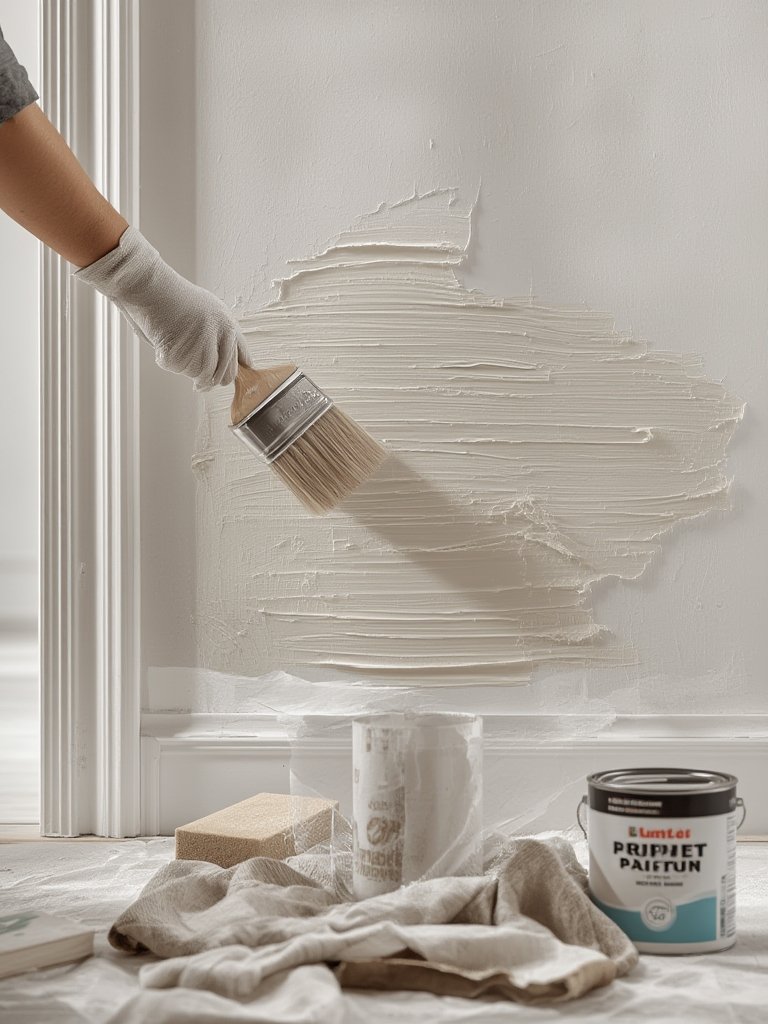
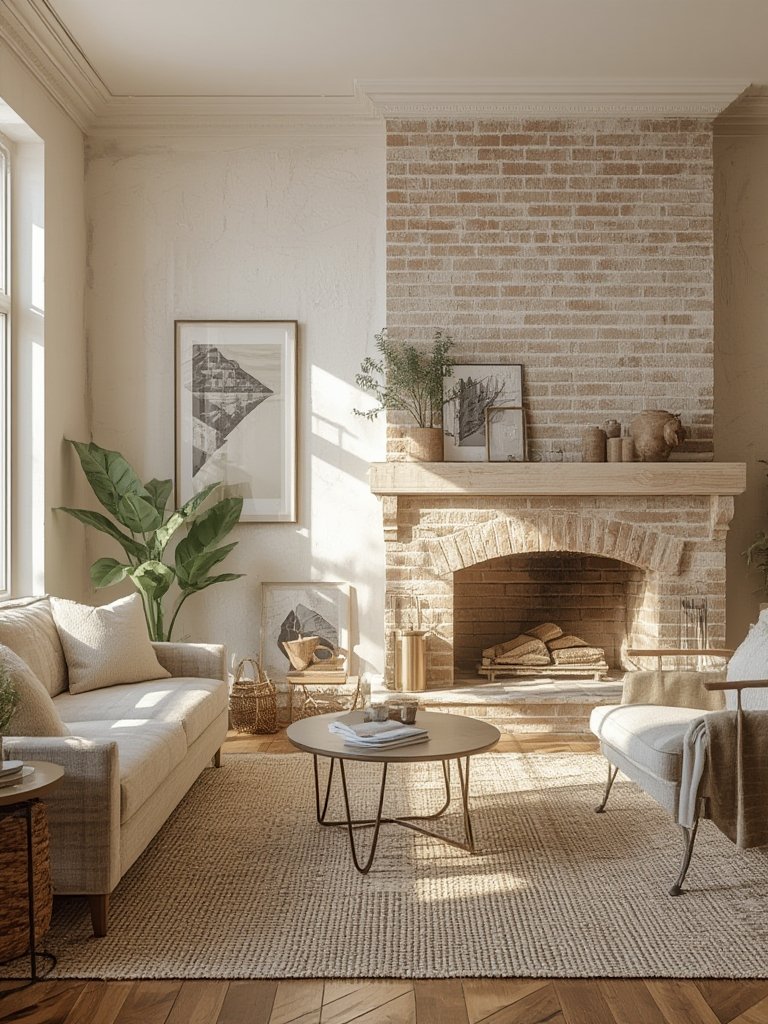
For fireplaces or textured tiles, follow the same principles. Use a stiffer masonry brush and focus on deeply working the paint into crevices, minimizing excess drips. Allow extra drying time in thick or deep areas.
If you are pressed for time or precision is not your priority, try a patchwork “cloudy” finish on accent walls—leaning into limewash’s variation instead of fighting it.
Real-World Challenges & Advanced Tips for Limewash Paint Interior Walls
While limewash paint interior walls delivers a unique look, it brings real challenges—especially for first-time DIYers or those tackling substrates other than bare brick. Understanding these pitfalls can help you avoid wasted time, money, and frustration.
| Surface | Prep Required | Typical Pitfalls | Expected Longevity |
|---|---|---|---|
| Drywall/Painted Walls | Acrylic primer, dust removal, patching | Adhesion failures, patchy absorption, visible streaks | 5–7 years with touch-ups |
| Bare Brick/Stone | Light cleaning only | Drips in deep joints, uneven color | Up to 10 years with minor repairs |
| Venetian Plaster/Roman Clay | Polishing, possible base coat | Skill intensive, costly to redo mistakes | Up to 20 years |
- Recurring Complaints: Homeowners find limewash harder to apply than regular paint—especially on previously painted or nonporous walls. Missing a primer step causes patchy, streaky results and early flaking. Reference: Angi: Cost to Limewash Interior Walls
- High-Traffic Dilemmas: Unlike traditional paints rated for scrubbing, limewash scuffs and erodes if repeatedly rubbed or exposed to water. Spot repairs are possible, but matching old and new coats takes skill.
- Sealer Confusion: Many top guides skip details on which sealers to use, how to apply them, or impacts on the limewash’s natural breathability. You risk a plastic “shiny” look or peeling if you choose poorly. For durability in busy rooms, use a breathable masonry sealer—and always spot test first.
- Cost Shock: Despite limewash’s “old-world” reputation, DIY expenses stack up fast with high paint and prep material costs. For full rooms or open plans, professional labor quickly dwarfs supply expenses. See full breakdown at Angi: Cost Details.
- Environment & Health: Limewash is among the healthiest finishes, containing almost no VOCs and enabling moisture to escape walls, reducing mold risk. This makes it suitable for those with allergies or looking to enhance indoor air quality. Cited in Oreate: Limewashing Cost & Benefits.
If you’re keeping budget tight, compare limewash with modern alternatives like microcement flooring or peel-and-stick faux wall finishes for cost, durability, and ease of application.
Conclusion
Limewash paint interior walls bring timeless, health-conscious character to any room, but require careful surface prep, layered application, and occasional maintenance to look their best. Mastering primer choice, mastering the brush technique, and choosing the right sealer are the difference between a stunning, durable finish—and a costly redo. For those nervous about undertaking a large project solo, start with a small accent wall or fireplace to hone your skills. If you’re ready to upgrade your walls to a natural, stunning finish, gather your supplies and give limewash paint interior walls a try. Need more home paint or wall design inspiration? Explore our latest accent wall transformations and biophilic home guides for ideas before you begin.
FAQ
How much does it cost to limewash interior walls yourself versus hiring a professional?
DIY application of limewash paint interior walls costs $150 to $600 for a small room (100 sq ft), mainly for paint, primer, and tools. Hiring a pro averages $1,950, or $1.50–$6 per square foot, because of labor intensity and prep work. Costs scale up fast for larger areas or multi-room projects.
Can I apply limewash paint interior walls over existing paint or drywall?
Yes, but you’ll need to sand any glossy spots, clean thoroughly, and apply a high-quality acrylic primer first. Skipping the primer step causes poor adhesion and uneven absorption, leading to patchy results.
Does limewash paint help with indoor air quality or allergies?
Yes, limewash is low-VOC, natural, and fully breathable—allowing moisture to escape and reducing risks of trapped mold or mildew behind your walls. It’s healthier than traditional latex paints, especially for homes focused on wellness or biophilic design.
How durable is limewash paint interior walls compared to modern paints or alternatives?
Limewash paint interior walls last about 5–7 years before needing reapplication, with the exterior on brick lasting up to 10 years. It’s more sensitive to scrubbing and moisture damage than acrylics or plasters, so expect occasional touch-ups in high-traffic spots.
What mistakes should I avoid when using limewash paint interior walls ?
Don’t skip the right primer on anything but porous stone or brick. Avoid trying to “hide” major wall repairs—limewash highlights rather than disguises imperfections. Always blend multiple coats while checking dry areas under natural light, and be cautious choosing sealers if breathability is critical.