


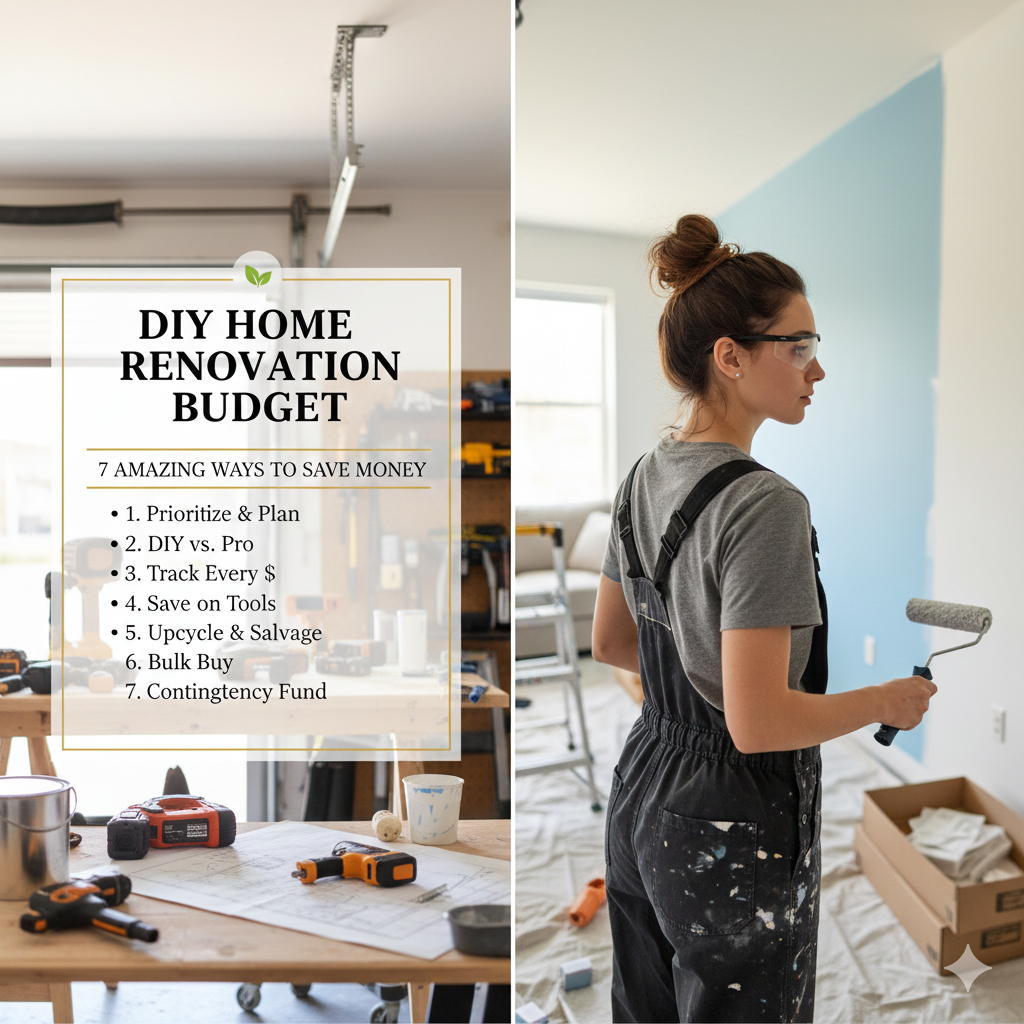
A solid DIY home renovation budget is what separates a successful upgrade from a financial disaster most homeowners never see coming. Americans spent over $600 billion on home remodeling in 2024—yet nearly 40% exceeded their planned budgets. This guide covers the real numbers, the step-by-step planning process, and the pitfalls that derail even well-researched projects.
Table of Contents
DIY Home Renovation Budget: The Complete Planning Guide for 2025
A DIY home renovation budget is a practical, realistic plan for tracking every dollar involved in home upgrades you do yourself. Done correctly, it tells you what you can actually afford, predicts costs accurately, and prevents the two most common renovation outcomes: blown budgets and mid-project surprises that force you to either stop work or borrow money you did not plan to spend. According to the NAR Remodeling Impact Report, Americans spent over $600 billion on home remodeling and renovation in 2024—with nearly 40% of homeowners exceeding their planned budgets. The planning process makes the difference between being in that 40% and not.

What Is a DIY Home Renovation Budget and Why Does It Matter?
A DIY home renovation budget covers every financial element of a self-managed home improvement project: materials, tool purchases or rentals, permit and inspection fees, waste disposal, and a contingency buffer for the unexpected. It differs from a contractor estimate in one critical way—it requires you to account for your own labor value, learning curve costs, and the higher probability of material waste and rework that comes with doing skilled work for the first time.
The core reason budgeting matters is scope creep—the phenomenon where a planned $1,500 bathroom refresh becomes a $4,200 project after discovering water damage behind the tile, needing to rent a wet saw, buying three extra boxes of tile to account for cutting errors, and adding a vanity upgrade because the existing one looked dated next to the new tile. Every one of those additions was predictable with proper upfront planning. Most were not budgeted because the initial estimate only covered the items that were visible and expected.
Contractor-led projects typically cost two to four times more than DIY for the same scope, primarily due to labor charges and material markups of 15–30%. But professional work provides code compliance, workmanship warranties, and liability coverage that DIY does not. Knowing when the cost difference justifies the risk transfer is as important as knowing how to track the money. For a comprehensive overview of contractor selection, permits, and remodel financing, our Complete Guide to Home Renovation covers the full picture.
How to Build a DIY Home Renovation Budget Step by Step
Building a reliable DIY home renovation budget follows a specific sequence. Skipping steps—particularly the contingency buffer and the skills audit—is where most budgets fail.
- Set clear scope and priorities before any numbers. Identify every task involved in the project and categorize each as “must do,” “would improve the result,” or “nice to have if budget allows.” This categorization prevents mid-project additions from derailing the budget. Focus initial scope on areas with high visual impact and ROI: kitchens, bathrooms, curb appeal, and flooring.
- Research true cost differences for your specific project. A contractor-led kitchen remodel has a median cost of approximately $24,000. A DIY kitchen refresh—new hardware, paint, peel-and-stick backsplash, and appliance upgrades—typically runs $1,000–$3,500. The gap is real, but the scope is also different. Understand what you are actually comparing before deciding.
- Build a line-item budget spreadsheet with every cost category. Include materials (with waste factor of 10–15% for cuts and errors), tool purchases or rentals, permit fees, inspection fees, waste disposal, and a minimum 15–20% contingency buffer. The contingency is not optional—surprise expenses occur on nearly every project, whether it is hidden rot, a wrong measurement, or a tool that fails mid-project.
- Conduct an honest skills audit before committing. Cosmetic projects—painting, hardware replacement, peel-and-stick tile, fixture swaps—are ideal candidates for DIY. Complex tile work, plumbing, electrical, waterproofing, and structural changes typically require professional involvement for both safety and code compliance. The Tristar Built analysis of DIY vs. contractor tradeoffs provides a useful framework for this decision.
- Account for indirect living costs. Projects that disable a kitchen or bathroom for more than a few days generate additional costs: eating out, temporary storage for furniture, potentially temporary accommodation if the work is extensive. These costs are real and commonly omitted from initial budgets.
- Track spending daily or weekly throughout the project. A budget that exists only as a pre-project estimate and is never updated is not a budget—it is a wish. Log every purchase, every tool rental, every material delivery. Review against your budget weekly and adjust your remaining scope if you are tracking above the plan.
- Factor in maintenance and resale ROI when choosing materials. Low-cost materials that require replacement in 3–5 years cost more over a 10-year period than mid-grade materials installed once. Energy-saving upgrades like smart thermostats generate ongoing savings that offset installation cost—our guide to smart thermostat installation cost covers the numbers in detail.

DIY vs. Contractor: The Real Cost Comparison
The financial case for a DIY home renovation budget versus hiring a contractor depends heavily on project type and your actual skill level. The data from the 2024 Clever Real Estate Survey provides the most current available comparison:
| Metric | DIY | Contractor | Source |
|---|---|---|---|
| Projects over budget | 42% | 53% | Clever Real Estate Survey 2024 |
| Significant delays reported | 32% | 46% | Same source |
| Homeowner satisfaction | 71% | 76% | Same source |
| Projects requiring loan financing | 27% | 37% | Same source |
| Material markup added | None | 15–30% | Tristar Built Analysis |
| Code compliance and warranty | Not included | Included | NAR Remodeling Impact |
The satisfaction gap between DIY (71%) and contractor (76%) is smaller than most homeowners expect—but it masks significant variation by project type. For cosmetic projects where DIY execution is straightforward, satisfaction rates are comparable. For complex projects where errors required rework or professional correction, DIY satisfaction drops substantially. The key variable is not DIY versus contractor in the abstract—it is whether the specific project falls within your actual skill set.
Common DIY Home Renovation Budget Pitfalls
Nearly every DIY home renovation budget failure can be traced to one of five recurring mistakes. Understanding them in advance eliminates most of the risk:
1. Underestimating tool costs. Specialty tools—wet tile saws, oscillating multi-tools, heavy-duty drills, laser levels—can cost hundreds of dollars each to purchase or $50–$150 per day to rent. A project that requires four or five specialty tools can accumulate $300–$600 in tool costs alone before a single material is purchased. Always list required tools explicitly in the budget and decide purchase vs. rental based on whether you will use the tool again within 12 months.
2. Omitting permit and inspection fees. Many DIY guides focus entirely on materials and labor while ignoring permits, which can add $200–$800 or more depending on jurisdiction and project type. Unpermitted work creates problems at resale and can require demolition and redo if discovered during a home inspection. Our complete renovation guide covers permit requirements by project type.
3. No material waste buffer. Cutting tile, flooring, or lumber generates waste—typically 10–15% of total material for straight cuts and 15–20% for diagonal or complex patterns. Buying exactly the right amount of material guarantees a mid-project supply run, which costs time and risks color or batch mismatches. Always add 10–15% to every material quantity calculation.
4. Taking on high-skill work without a backup plan. Waterproofing failures, incorrect electrical work, and improper plumbing connections are not just cosmetic problems—they create liability, safety risks, and code violations that cost far more to correct than a professional installation would have cost originally. If you take on complex work, budget explicitly for a professional inspection before closing up walls or finishing surfaces.
5. Choosing trendy low-durability materials. Viral home improvement trends frequently feature materials that photograph beautifully but perform poorly under real-world use—certain peel-and-stick wallpapers in high-humidity rooms, ultra-thin tile in high-traffic areas, or fashion-forward finishes that show wear quickly. Evaluate any material against its maintenance requirements and expected lifespan, not just its initial appearance and price.
Highest ROI Projects for a Low DIY Home Renovation Budget
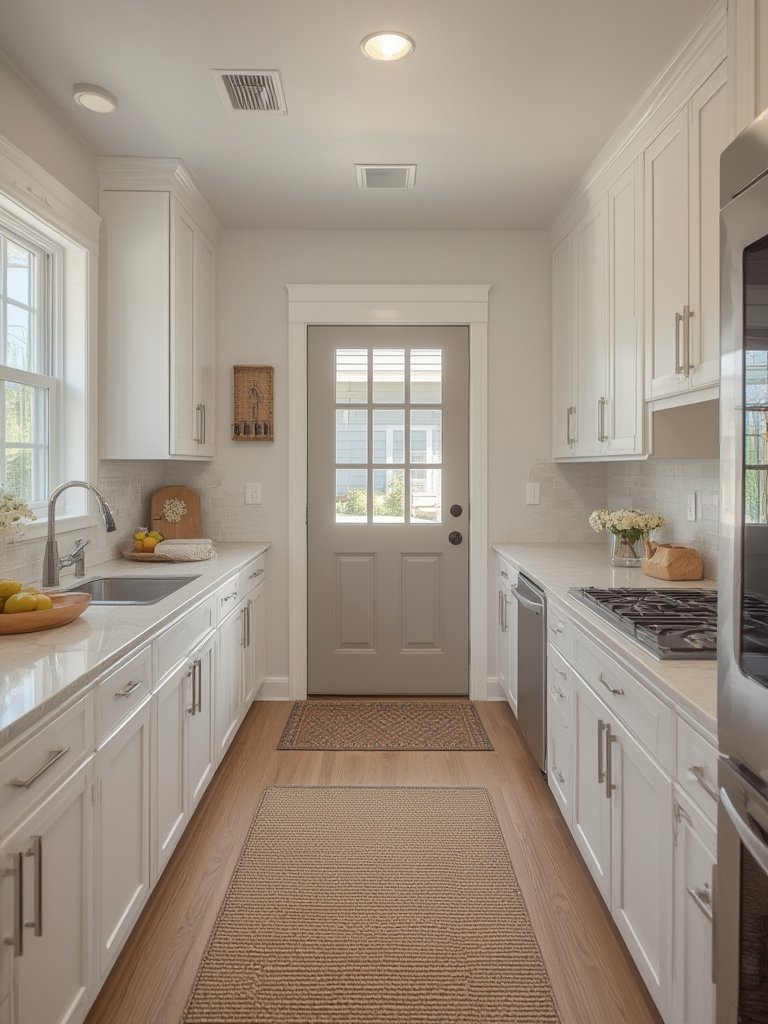
The best projects for a limited DIY home renovation budget share three characteristics: low skill threshold, high visual impact, and strong cost-to-value ratio at resale. Based on current remodeling data, these consistently deliver the best return under $2,500:
- Interior painting: The single highest-ROI DIY project. A full interior repaint in current neutral tones transforms the perception of a home at a material cost of $200–$500 for an average house. No specialist skills required beyond preparation—which is where 80% of the quality difference lies.
- Cabinet hardware and door hardware replacement: New pulls, handles, and hinges update kitchens and bathrooms without touching cabinetry. Material cost runs $100–$300 for a full kitchen. Takes 2–3 hours with a screwdriver and a template.
- Curb appeal upgrades: Front door paint or replacement, house numbers, mailbox, and porch lighting are consistently among the highest-returning exterior investments. A painted front door and new hardware cost under $100 in materials and deliver outsized first-impression impact.
- Smart lighting and thermostats: Combination of immediate energy savings, modern aesthetic upgrade, and strong buyer appeal at resale. Our guides on smart lighting systems and smart thermostat installation cover the specifics.
- Bathroom refresh without demolition: Replacing a vanity light, mirror, faucet, and toilet seat—without touching tile or plumbing beyond fixture swaps—updates a bathroom for $300–$600 in materials. For more comprehensive bathroom ideas, our spa-like bathroom upgrade guide covers options at multiple budget levels.
How to Finance a DIY Home Renovation
For projects where your DIY home renovation budget exceeds available cash, several financing options exist with meaningfully different costs. The right choice depends on project size, your credit profile, and how quickly you can repay:
- Unsecured personal home improvement loans: Available at APRs of 8–25% depending on credit score. Suitable for projects of $2,000–$15,000 where you need a fixed repayment schedule. No home equity required.
- Home equity line of credit (HELOC): Lower interest rates than personal loans because the loan is secured against your home. Best for larger projects or ongoing renovations where you draw funds as needed. Requires equity in your property and a longer approval process.
- 0% APR store financing: Many home improvement retailers (Home Depot, Lowe’s) offer promotional 0% APR financing for 6–24 months on qualifying purchases. Effective option if you can repay within the promotional window—rates jump to 26–29% on any remaining balance after the promotional period ends.
- Credit cards (with caution): Only appropriate if you can pay the balance in full before interest accrues. High-interest credit card debt on home renovation is one of the most expensive financing mistakes homeowners make.
For complete current rates and a detailed comparison of financing options by project size, our home renovation financing guide covers the full landscape.
Frequently Asked Questions About DIY Home Renovation Budget
How much money can I actually save with a DIY home renovation budget?
DIY projects can reduce renovation costs by 20–80% compared to hiring contractors, primarily by eliminating labor charges and contractor material markups. Actual savings depend on your skill level, project scope, and whether any professional intervention is required to correct errors. Simple cosmetic projects consistently deliver savings at the higher end of this range; complex technical projects with a learning curve often deliver savings at the lower end or none at all after accounting for mistakes.
What are the biggest budget risks with DIY renovations?
The five consistent budget risk categories are: underestimating tool costs, omitting permit and inspection fees, failing to build a material waste buffer, taking on high-skill technical work without a backup plan, and scope creep from mid-project additions. A 15–20% contingency buffer above your base estimate absorbs most of these surprises without derailing the project.
When should I hire a contractor instead of DIYing?
Hire a contractor for any work involving electrical panels or wiring, plumbing beyond basic fixture swaps, structural changes, waterproofing, or HVAC modifications. These projects require permits, inspections, and code compliance that DIY typically cannot match—and errors in these categories create safety risks and expensive correction work. Also hire a professional for any large or time-sensitive project that exceeds your confidence and available time.
What projects offer the highest ROI for a low DIY home renovation budget?
Interior painting, cabinet hardware replacement, curb appeal upgrades (front door, house numbers, exterior lighting), smart thermostat and lighting installation, and bathroom fixture refreshes consistently deliver the highest cost-to-value ratio under $2,500 in most markets. These projects combine low material cost, low skill requirements, and high visual impact at resale.
How do I avoid going over budget on a DIY renovation?
Build a line-item budget before purchasing anything, include a 15–20% contingency buffer from the start, categorize every planned task as “must do” or “nice to have” before beginning, and track spending weekly against your budget rather than only checking at the end. The homeowners who stay within budget are not the ones who estimate more accurately—they are the ones who monitor more consistently and make scope decisions early rather than reactively.
For more renovation planning resources, explore our guides on renter-friendly home upgrades, biophilic interior design, and DIY statement tile projects.