


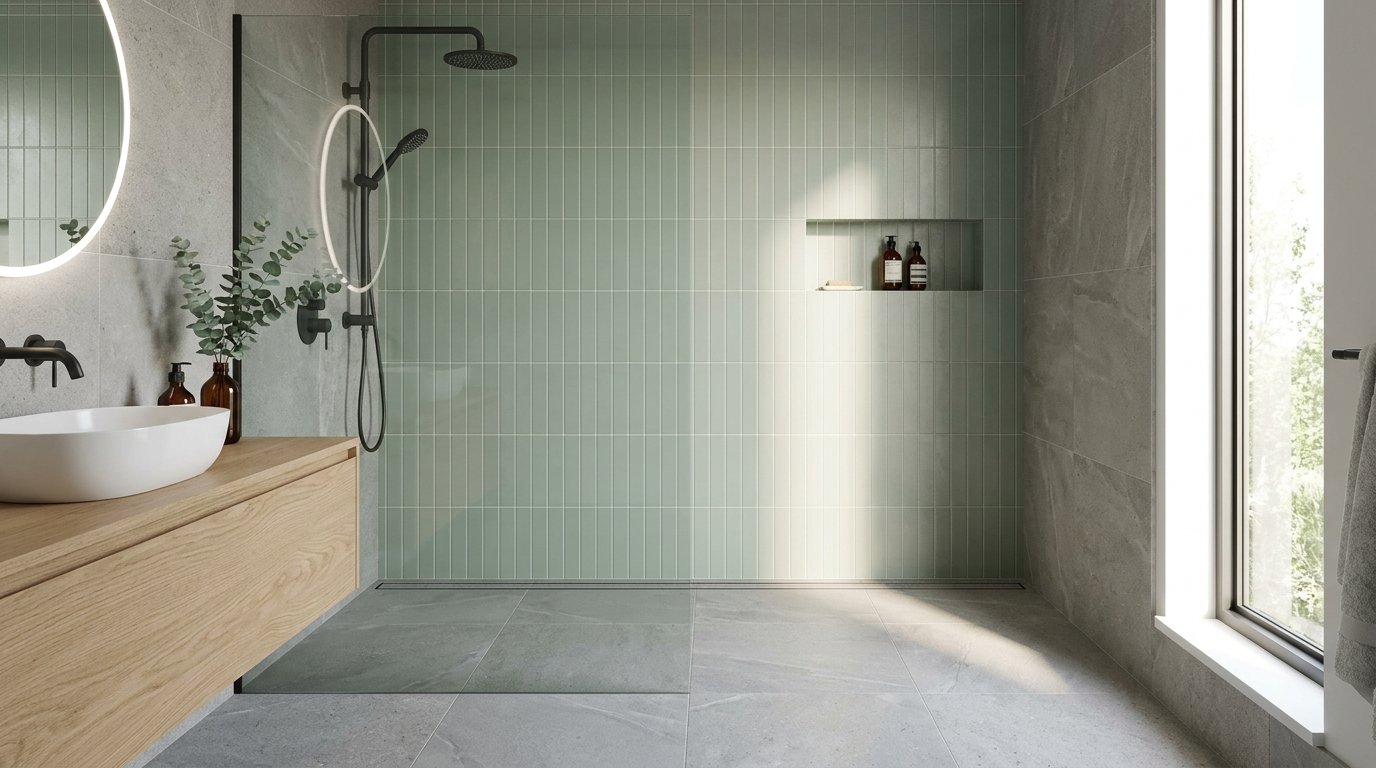
Curious if a curbless walk-in shower is worth the upgrade? This is one project homeowners and designers can actually agree on: modern, sleek, more spacious, and a massive step up for accessibility. But is the hype justified—and what do you really need to know before you swing the sledgehammer or meet with your contractor? Here’s what’s trending, what’s true, and what everyone else forgets to mention.
- Curbless Walk-In Shower Market Trends & Demand (2024)
- What Homeowners & Contractors Love – and Hate
- Costs: Curbless Walk-In Shower Conversion in 2024
- 3 Big Details the Most-Read Guides Miss
- Technical Requirements: What Actually Matters
- Safety, Slips & Accessibility (Do Curbless Showers Actually Help?)
- What’s New in Curbless Showers? Customization & New Features
Curbless Walk-In Shower Market Trends & Demand (2024)
The global walk-in shower market hit $3.5 billion in 2024 and is on track to nearly double by 2034. That’s not just new construction—over 60% of U.S. homeowners say bathroom upgrades top their reno wish-list, and walk-in showers (especially the curbless/zero-threshold variety) are leading the charge. Why? A few reasons: everything from “aging in place” (think: making your house future proof), to sleek, open layouts catching fire on social, to just plain hating cleaning shower doors.
These aren’t just for retirees, either. Millennials and Gen Z care way more about both design and accessibility than most folks think. The 2024 National Kitchen & Bath Association survey found 70% of designers and clients prefer curbless and frameless—it’s not a niche anymore, it’s mainstream. The demand is even higher in cities where space is tight, with linear drains for barrier-free showers making rapid gains for their clean line look (and surprisingly efficient drainage if installed right).
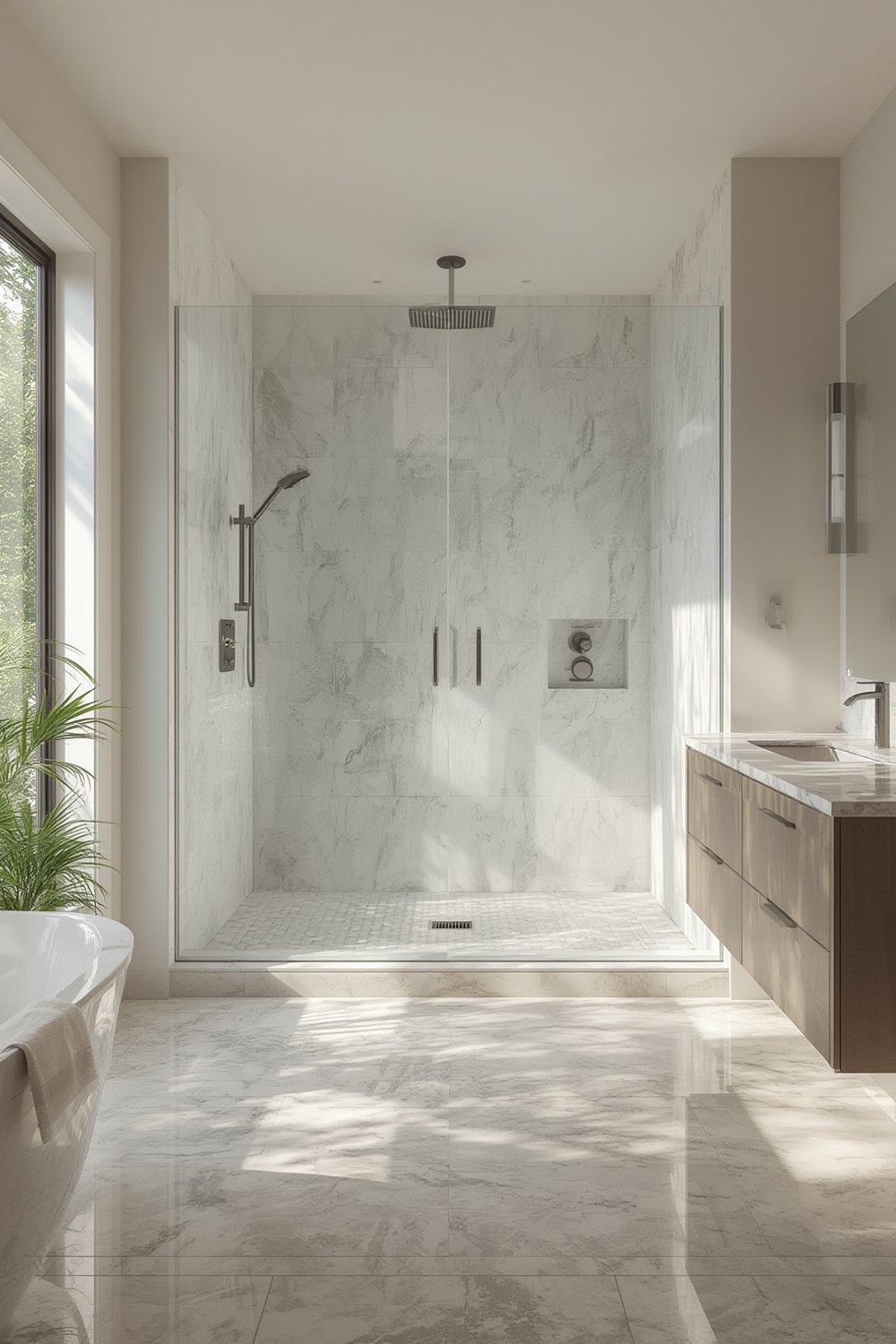
In North America, the U.S. leads the pack. Credit goes to both luxury renovation fever and government accessibility push (HUD and VA actually help fund these in some cases). Want more design inspiration? Check out Spa Like Bathroom Design: 7 Amazing Ways to Create a Luxury Retreat for trend ideas.
What Homeowners & Contractors Love – and Hate
The fan club for zero-threshold showers is huge: easier access, less trip hazard, and that magazine spread look. But what about buyer’s remorse? Oddly, there just isn’t much hard data on post-install complaints—at least not in the major public studies. That doesn’t mean these are flawless. In real life (and in the trenches with tile pros), a few issues pop up again and again:
- Water leakage: Run-of-the-mill if shortcuts are taken, especially with slope/drainage or if waterproofing is sloppy.
- DIY disasters: It’s not just “remove curb, done”. You’re changing floor height, moving drains, and messing with waterproof membranes—one wrong move can mean wet subfloor and much bigger bills.
- Upkeep surprises: Large open glass panels? Gorgeous, but they show water spots and soap scum faster than a regular shower stall. Linear drains? Better at looks than trapping hair.
You’re not likely to find many regrets about barrier-free access or aesthetics among homeowners, though. Contractors are the ones who usually grumble about the extra prep work and more expensive materials. If you have a contractor who says, “No problem, I can do it cheap and fast”—run.
Want to combine accessibility and beauty in a big renovation? See what it takes in Complete Guide to Home Renovation: Smart Contractors, Loans, and Design Ideas.
Costs: Curbless Walk-In Shower Conversion in 2024
Here’s the raw truth: going curbless rarely comes cheap. In 2024-2025, most folks pay anywhere from $4,000 to $20,000 for a full conversion from a standard tub/shower. Why the huge range?
- Demo and re-framing: Dropping the shower floor so it slopes right, especially in slab homes or condos, means more labor.
- Drain relocation: If it’s not already near an edge, add $500-$2,000 to the project.
- Tiling and waterproofing: Quality counts here. Cheap tile work is a fast track to water leaks, and waterproof membranes cost more but last longer (look for names like Schluter or Wedi).
- Glass: Frameless panels and doors up the luxury look fast, but also the budget. A real “wet room” design (glass only partway or none at all) can cost less in hardware, but you’ll need top-notch waterproofing everywhere.
Honestly, this is not the place to go bargain-basement: cut corners and you’ll be paying for mold remediation later. If you need ideas for balancing the spend, try DIY Home Renovation Budget: 7 Amazing Ways to Save Money—there are a few sensible shortcuts, but never skip waterproofing or drainage planning.
3 Big Details the Most-Read Guides Miss
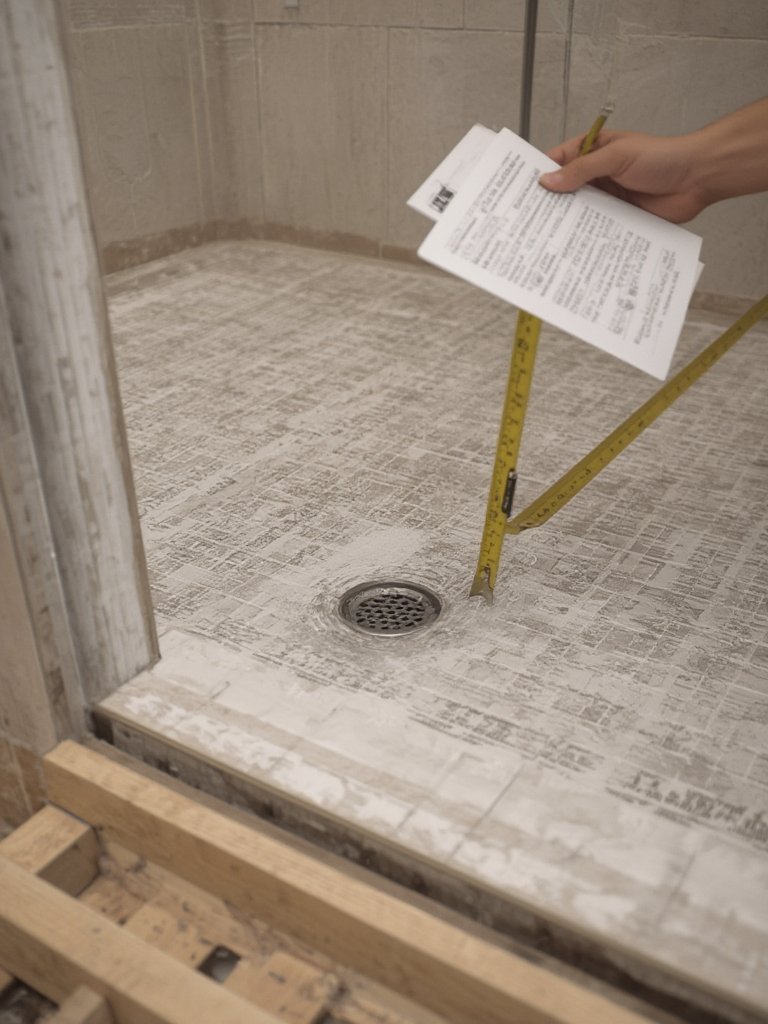
- Real installation technicalities: Not enough guides talk about required floor slopes (at least 2% toward the drain), drain placement, and full-perimeter waterproofing. These are not nice-to-haves, they are need-to-haves.
- No real safety numbers: Everybody says curbless is “safer” for seniors, but few cite actual slip, fall, or hospital data. Yes, removing trip hazards helps, but wet tile is still slippery. (Oddly, some studies tracked overall falls but not curbless-specific injury rates.)
- Homeowner complaint honesty: You’ll rarely see detailed “what went wrong” lists. Leaks, delayed tile shipments, weird smells under the floor from poor waterproofing—a lot of it gets hushed because nobody wants to admit they cut corners or picked the wrong pro.
If you’re after real-life cautionary tales and technical do’s and don’ts, you’re better off checking recent contractor forums than glossy magazines.
Technical Requirements: What Actually Matters
Here’s where most blogs get squishy. If you want your curbless walk-in to look great in year five, you’ll need to sweat these details:
- Drain Selection: Linear drains work best for curbless installs; you can run them along the entry edge or back wall so your floor only slopes once. Center drains are trickier (multiple slopes) and risk shallow puddling.
- Slope and Height: Aim for a slope of 1/4” per foot (2% minimum) toward the drain—with no sudden “lip” at the entry. That means your bathroom floor may need to be lowered in the shower zone, or the main bath floor raised slightly to compensate.
- Waterproofing System: Use full-sheet membranes, not paint-on waterproofing, especially if you’re skipping a shower curb. Overlap up the walls (6” or more), and absolutely waterproof the transition into the main bathroom.
- Building Codes: Check your city’s rules. Some require “zero threshold” to meet minimum clear space for mobility devices (like wheelchairs), and some demand secondary drains if you’re removing barriers. No single national standard here—codes vary by state or even city.
If your house is old, watch for rotten subfloors or joists that’ll need shoring up before pouring new mud and tile. For a look at waterproofing systems that really hold up, read up on bathroom ventilation and mold control—they go hand in hand with curbless design!
Safety, Slips & Accessibility (Do Curbless Showers Actually Help?)
I wish there were more hard stats here. The common wisdom says, “take away the curb, reduce trips,” and that’s true. But as of 2024, there still aren’t clear numbers on actual reduction in falls or bathroom injuries in homes that switch to curbless walk-in showers. That said, accessible design is rapidly outpacing the old “one-size-fits-all” approach, and the WHO expects 1.4 billion people aged 60+ by 2030—so expect even more demand.
Here’s what I’ve seen and what gets reported by pros focused on Aging In Place Bathroom Remodels:
- Removing the step is a big plus for wheelchair users, people using walkers, and for anyone with vision issues. It’s also good for families with young kids (less tripping at bath time).
- Slippery tile is still a risk. Plenty of “barrier-free” showers are finished with smooth porcelain. If accessibility is a concern, textured, non-slip tile and install grab bars (even if you think you won’t need them yet).
- Open layouts can pool water if the slopes aren’t perfect, causing slip risks in the wider bathroom. Linear drains and careful sloping help majorly here.
For older adults, especially, tackle multiple hazards while you’re at it: lever-style handles, decent lighting, and wide entry doors make just as much difference as the missing curb itself.
What’s New in Curbless Showers? Customization & New Features
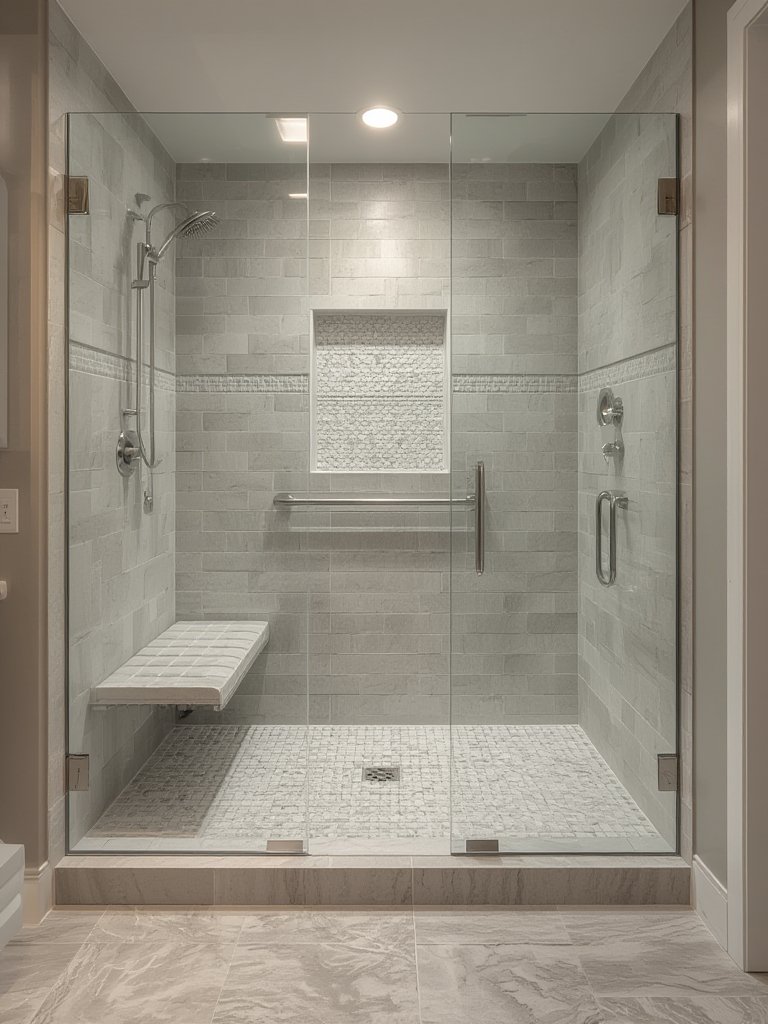
The past couple years have seen some surprisingly cool features hit the market—and not just on the luxury end of things. Stuff like:
- Smart showers with app-controlled temperature, water usage tracking, and programmable spray patterns from brands like Kohler and American Standard.
- Linear and tile-insert drains that are flush with the floor, almost disappearing into the tile grid. Not only more attractive, but they make it easier to roll in with a wheelchair or walker, too.
- Non-slip and anti-microbial tiles, so you get fewer wipe-downs and way better grip, even if the floor is wet (finally, form AND function in one package).
- Frameless glass and wet room styles for a more open, light-filled look (and less gunk building up in metal tracks).
- Eco-smart fixtures that lean into water savings without feeling stingy—big for anyone doing a full energy efficient home upgrade.
Sustainability and accessibility are officially driving the design discussion now. The days of the cramped, curb-sided “econo-shower” are over. For upgrades that actually feel like upgrades, tech-forward features and quality tile are where it’s at. Want more bathroom tile ideas? Check out trending terracotta and handmade-look statement tiles—yes, even in showers.
Want to connect your curbless shower project to other smart upgrades? Consider future-proofing your whole home while you’re at it—curbless showers integrate beautifully with other universal design improvements.
Ready to ditch the curb? A curbless walk-in shower can be a game-changer for accessibility, style, and the future value of your home—if you get the technical details and drainage right. Don’t let design blogs gloss over the hard parts. Do it right, and you’ll not only love your bathroom every morning, you’ll thank yourself as your needs change down the road.
How much space do I need for a curbless walk-in shower?
You’ll want at least 36″ x 36″ for tight fits, but 42″ x 60″ or more is best for true walk-in comfort and wheelchair accessibility. If you’re working with less space, a custom glass panel (or curtain) can keep things feeling open without water splashing everywhere.
Can you do a curbless conversion in a slab-on-grade or condo?
Yes, but it’s a lot more work. You’ll probably need to trench (cut into) the concrete slab to lower the shower floor, which adds expense and mess. Not impossible, just not a simple swap. In upper floor condos, check with the HOA and building codes before you start—it’s way easier when you have control of the subfloor.
Are curbless walk-in showers a good idea for resale?
Absolutely—especially in homes aimed at downsizers, retirees, or young families. The broad appeal keeps growing, and buyers love the accessibility and fresh design. It’s one of the rare projects where “universal design” finally lives up to its name.
What’s the best way to prevent water from escaping a curbless shower?
Proper floor slope (usually 1/4″ per foot), a quality linear drain at the right edge, and full waterproofing are critical. Adding a fixed glass panel or partial wall helps contain spray without feeling boxed in. Cheap sweep strips or floppy rubber dams aren’t worth it—they get grimy and look DIY.