


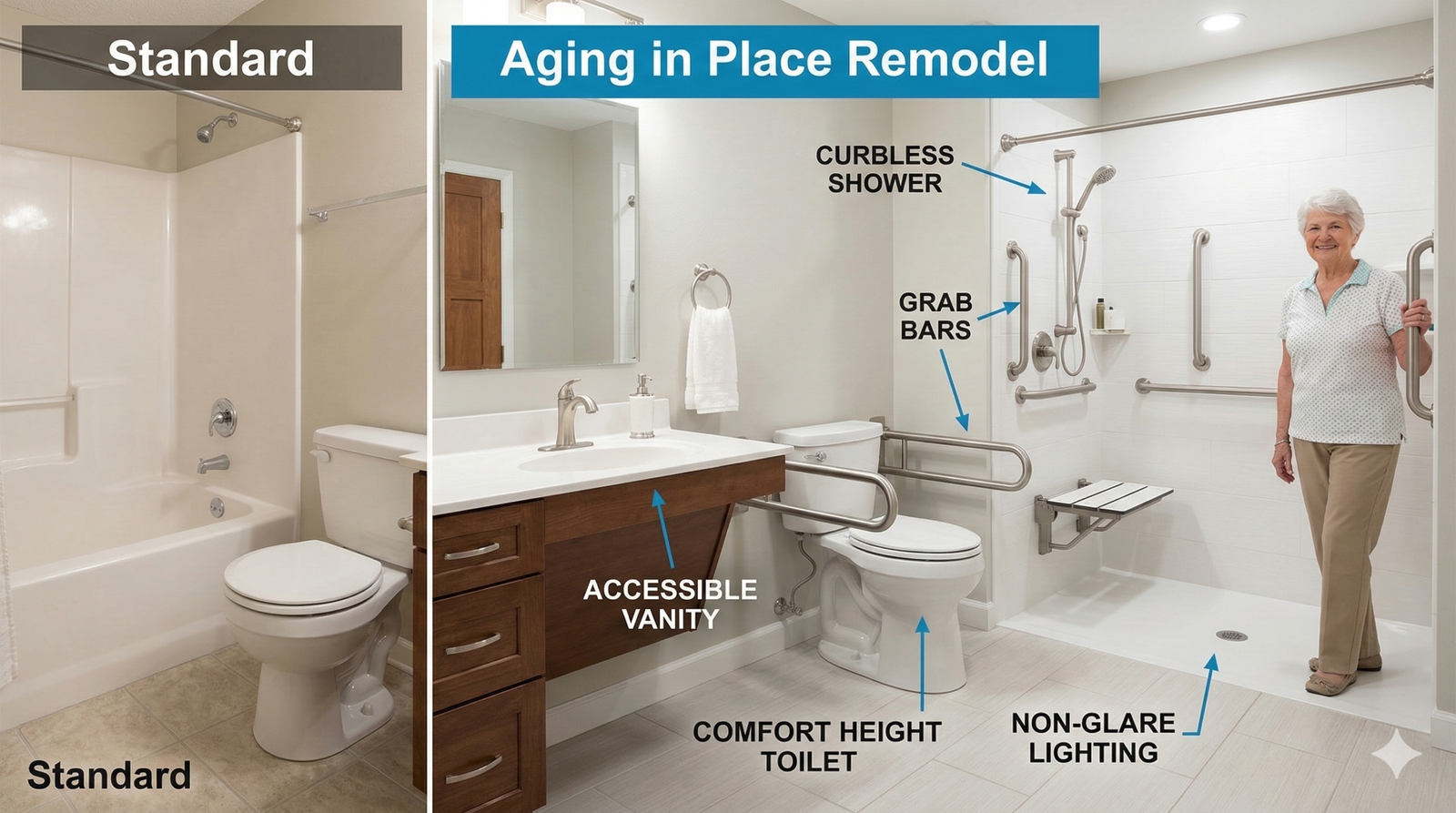
Aging in place bathroom remodel is quickly becoming one of the most sought-after home upgrades for Americans aiming to stay independent, safe, and comfortable in their own homes as they age. If you’re a homeowner exploring how to future-proof your space, this guide lays out realistic strategies, data-backed trends, and exactly what you need to know—without the hype or guesswork.
Key Takeaways
- Bathroom remodels for aging in place are the largest and fastest growing segment, with high ROI and increasing demand through 2033.
- Planning mistakes, lack of clear ADA specs, and missing data on real-world complaints make research and design more challenging—attention to detail is critical.
- Costs average $14,000–$25,000, with walk-in showers or tubs starting at $5,000; discovering grants or insurance help usually requires proactive research.
- Aging in Place Bathroom Remodel: The Core Concept
- Step-by-Step Guide to a Successful Aging in Place Bathroom Remodel
- Advanced Analysis & Common Pitfalls
- Conclusion
- FAQ
Aging in Place Bathroom Remodel: The Core Concept
An aging in place bathroom remodel focuses on modifying your current bathroom so you or your loved ones can use it safely, comfortably, and independently—both now and in the years to come. The goal: adapt the space to reduce fall risks, improve accessibility, and provide long-term peace of mind.
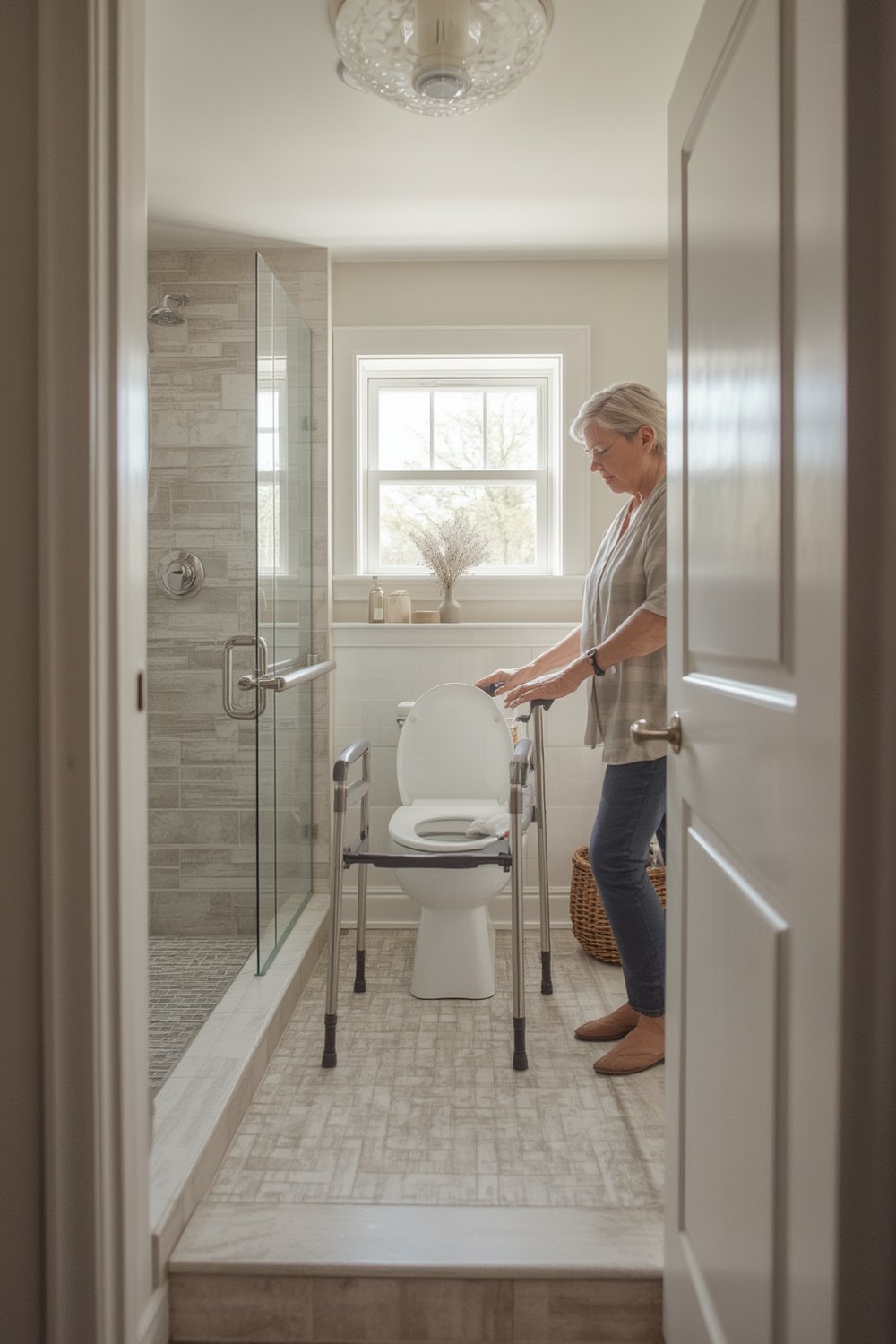
Why is this remodel so important? Over 28% of homeowners tackling aging in place bathroom remodel renovations choose bathroom upgrades first, representing the largest share of the aging-in-place renovation market in 2024. More people want to stay home as they age, and the risks in a traditional bathroom—such as slips, inaccessible tubs, and tight layouts—are major drivers behind remodeling decisions. With the majority spending $14,000 or more and ROI above 48% in US cities, these changes aren’t just about safety, but also about long-term investment and quality of life.
Upgrades such as curbless showers, non-slip flooring, grab bars, and higher toilets aren’t just nice-to-haves—studies show the main motivator is genuine independence, with older adults and their families ranking it the top reason for remodeling over even resale value or aesthetics.
For homeowners or caregivers planning a renovation, understanding both the most effective modifications and hidden landmines (from missed ADA specs to product durability and grants you might overlook) is key to a successful aging in place bathroom remodel.
Step-by-Step Guide to a Successful Aging in Place Bathroom Remodel
- Start with a Needs Assessment.
Evaluate your bathroom’s accessibility—think about current and potential mobility needs, lighting, and fall risks. Try walking through the space with a walker or folding chair to identify barriers early. - Create a Realistic Wish List.
Distinguish between must-haves and nice-to-haves: zero-threshold shower, raised toilet, slip-resistant flooring, adjustable-height fixtures, lever handles, and sufficient turning space. - Research Products and Pros.
Look for bathroom fixtures and surfaces specifically marketed for accessibility—such as slip-resistant tiles, ADA-height toilets, and wall-mounted sinks.
Interview contractors who specialize in home renovation for aging in place bathroom remodel to avoid basic design errors. - Plan Your Layout with Universal Design Basics.
Prioritize widened doors (ideally 36”), open floor space (at least 60” turning radius for wheelchairs), reinforced walls for grab bars, and shower seats. - Collect Quotes and Compare Costs.
A basic bathroom remodel averages $14,000; walk-in showers or tubs start at $5,000. Ask contractors to break down labor and material estimates, and clarify timelines. - Secure Financial Help If Needed.
Investigate Medicaid waivers, VA benefits, and local grants—these programs can offset significant costs, and often go unclaimed. - Stress-Test Your Design.
Mock up layouts with masking tape or cardboard. Confirm clearances, grab bar locations, and door swings before signing off on plans—this step prevents expensive and frustrating do-overs. - Begin Construction—Monitor as You Go.
Stay involved, request photo updates, and double-check ADA specs. If problems arise, be proactive in addressing them immediately to avoid costly rework later.
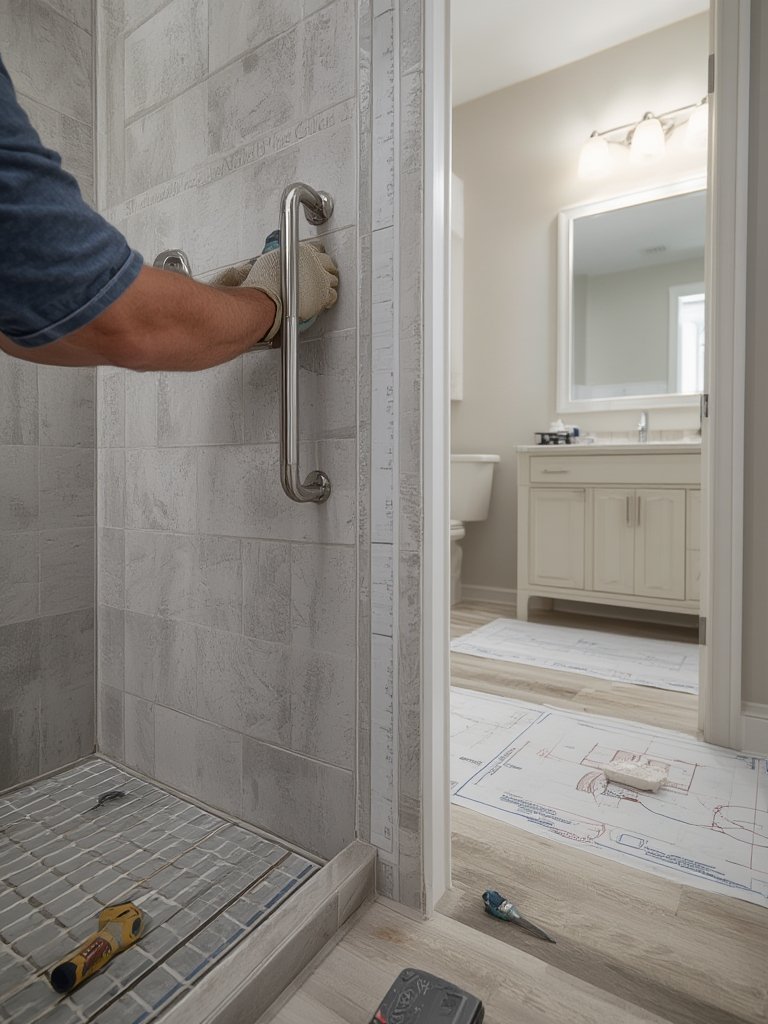
Looking for further design inspiration? Browse proven spa like bathroom design ideas to combine safety and style, or discover peel and stick tile options that allow easy changes without damaging subfloors.
Don’t forget: features like walk-in bathtubs, sturdy grab bars, and slip-resistant flooring add both safety and real resale value. Austin homeowners can expect as much as 62% ROI on smarter bathroom investments, while Houston averages 48% according to recent studies.
Advanced Analysis & Common Pitfalls
Remodeling a bathroom to age in place isn’t without risks. Data gaps in homeowner complaints or product durability can leave even thorough planners vulnerable to expensive missteps. Knowing what to watch for increases your odds of long-term satisfaction.
Common Pitfalls to Avoid
- Lack of Detailed ADA Specifications. Many contractors reference “universal design” but skip precise measurements for grab bars, door widths, or turning radii—sometimes resulting in features that don’t actually work for wheelchair or walker users.
- Planning Oversights. Failing to consider lighting, ventilation, or maintenance—like mold issues behind walls or slip-resistant surfaces that are hard to clean—can make your bathroom less usable day-to-day.
Read our bathroom ventilation upgrade guide to prevent hidden moisture problems. - Missed Grant and Financial Aid Opportunities. Many city or state programs aren’t well publicized. Not proactively researching can mean missing thousands in savings.
- Underestimating Maintenance. Walk-in tubs or curbless showers promise ease—but some have higher cleaning or repair needs. Compare material warranties and ask about product track records.
- Insufficient User Testing. Mock-ups and temporary grab bar placements help ensure comfort before you install anything permanent.
Comparing Curbless Showers and Walk-In Tubs
| Feature | Curbless Shower | Walk-In Tub |
|---|---|---|
| Entry/Threshold Height | Zero—wheelchair and walker accessible | Low threshold, but requires step-over |
| Maintenance | Easy to clean, but may require waterproofing updates under floor | Requires regular cleaning and occasional door seal checks |
| Initial Cost | $5,000+ | $5,000+ |
| Real-World User Data | Limited formal studies—mock up design for your space before choosing | Limited formal studies—test at a showroom if possible |
| Potential Issues | Poor drain slope leads to water spillage | Slow fill/drain times, possible leaks if seals fail |
Both have strengths, but it’s critical to evaluate your own (or your family’s) mobility and preferences. For zero-threshold comfort, most experts lean toward curbless showers—just make sure drainage and slope are professionally planned.
Want to maximize value and day-to-day usability? Pair your remodel with energy efficient home upgrades for savings and comfort or add smart lighting systems that respond to movement or time-of-day.
Conclusion
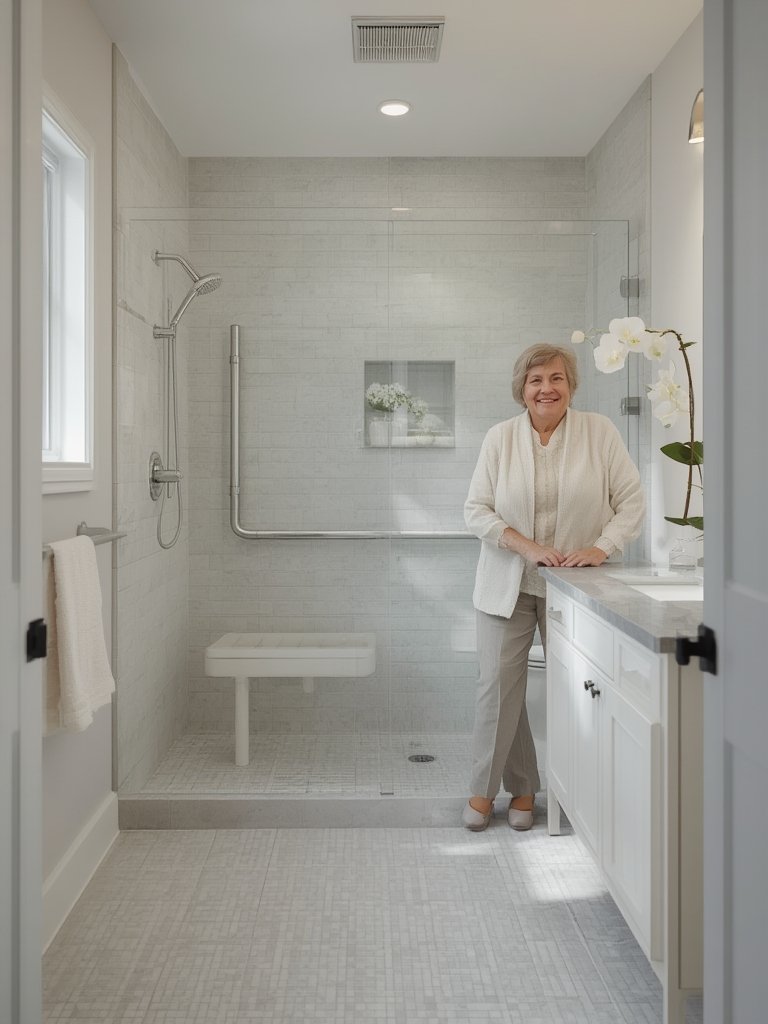
Designing an aging in place bathroom remodel is more than just installing a grab bar or buying a non-slip mat. With demand and costs rising, and data around real-world outcomes still incomplete, careful planning—paired with diligent research—pays off for safety, comfort, and investment. Prioritize the features that fit your needs, double-check specs, and explore every financial aid option. Your future self will thank you.
Ready to start your own aging in place bathroom remodel or want to compare costs and design ideas? Use our guides, reach out to certified contractors, and take the next step toward a home that works for every stage of life.
FAQ
How much does an aging in place bathroom remodel cost in 2024?
The average cost ranges from $14,000 to $25,000, with walk-in showers or tubs starting at $5,000. Prices vary by location, material choices, and desired features.
What is the best first upgrade for an aging in place bathroom remodel?
Experts typically recommend a curbless (zero-threshold) shower with slip-resistant flooring and well-placed grab bars. These changes address the most common causes of bathroom falls.
Can I get financial assistance for these aging in place bathroom remodel?
Yes. Options include Medicaid waiver programs, VA home modification benefits for eligible veterans, local senior grants, and some insurance plans. Availability and criteria differ across regions.
Where can I find exact ADA bathroom specifications?
Official ADA requirements can be found at the ADA website, or consult a certified universal design specialist to ensure your remodel meets required guidelines for aging in place bathroom remodel accessibility.
Is a walk-in tub or curbless shower better?
It depends on your mobility needs and bathing preferences. Curbless showers offer greater flexibility and ease for wheelchairs or walkers, while walk-in tubs prioritize soaking comfort. Test both at a showroom if possible.