


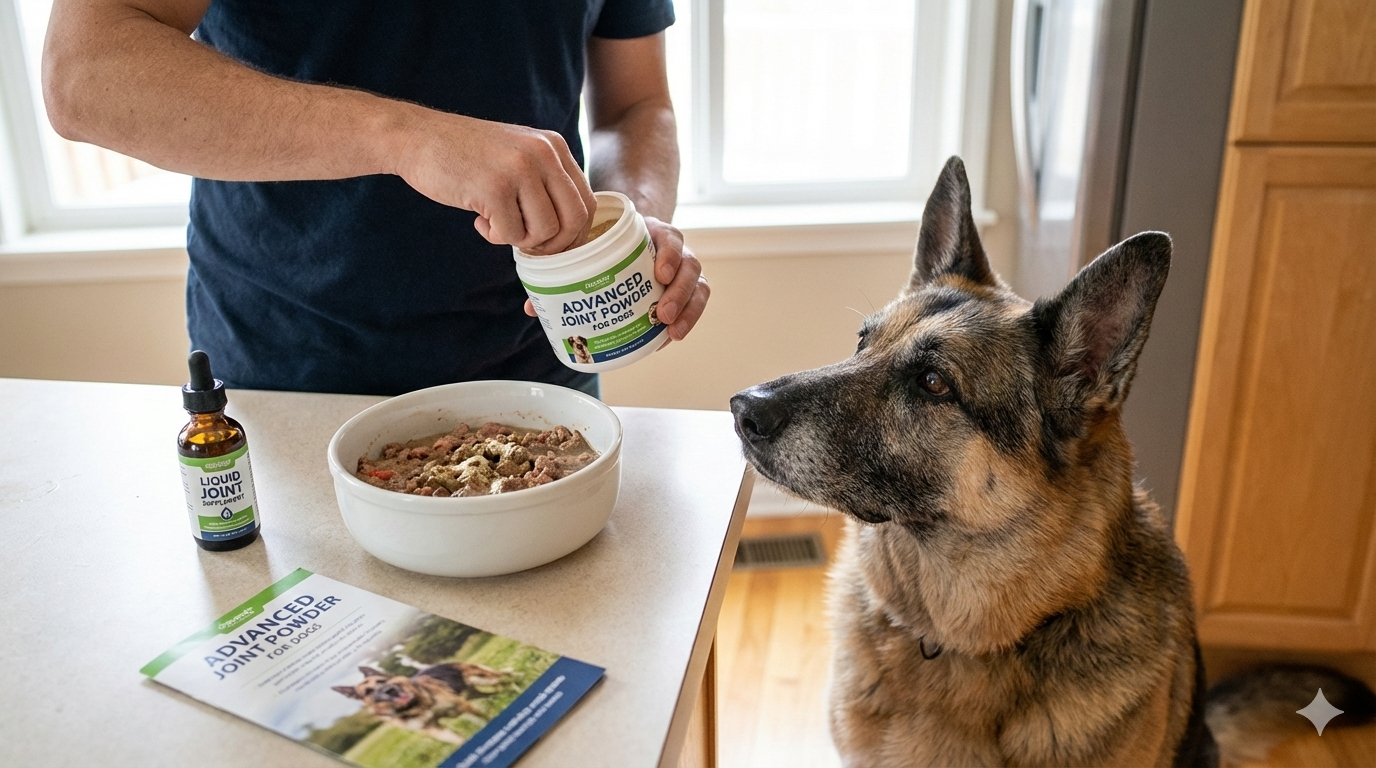
Hip and joint supplement dog options have become a central focus for pet owners looking to improve mobility and ease discomfort in aging, active, or large breed dogs. Advances in research reveal mixed results—some formulas show promise, others may do little. If you want results that last, you need to separate proven science from clever marketing.
Key Takeaways
- Recent studies show only certain hip and joint supplements for dogs actually improve comfort or mobility.
- Most leading formulas lack genuine customization by breed, size, or severity of mobility issues.
- Owners must watch for quality sourcing and realistic ingredient efficacy—not every supplement delivers as promised.
- What Are Hip and Joint Supplements for Dogs and Why Try Them?
- Step-by-Step Guide: Getting Real Mobility Results
- Advanced Analysis & Common Pitfalls
- Conclusion
- Frequently Asked Questions
What Are Hip and Joint Supplements for Dogs and Why Try Them?
Hip and joint supplements for dogs are products designed to support mobility, reduce joint pain, and slow the progression of conditions like osteoarthritis or hip dysplasia. They typically contain active ingredients aimed at cushioning joints, reducing inflammation, or preserving cartilage. The main reason dog owners reach for these supplements is to help older dogs stay active or large breeds prone to joint issues enjoy a better quality of life without heavy medication.

Recent research has cast doubt on some popular formulas. For example, a 2022 meta-analysis found that glucosamine-chondroitin supplements, long the gold standard, showed no meaningful effect compared to placebo for canine osteoarthritis (source). However, newer ingredients and advanced blends—like Curcumin C3 Complex combined with glucosamine-chondroitin—showed measurable reductions in key inflammation markers and subjective pain in dogs with OA (source). Small studies also point to undenatured type II collagen (UC-II) possibly improving comfort and activity (source).
If you’re considering adding a dog joint supplement, be sure to set realistic expectations and look for transparent brands informed by the latest research—especially for aging or large breed dogs. Want more holistic pet wellness info? See our proven guide on dog probiotic supplements boosting digestion.
Step-by-Step Guide: Getting Real Mobility Results
- Check Your Dog’s Specific Needs
Start by identifying why you want a hip and joint supplement. Is your dog a senior? A large breed prone to hip dysplasia? Showing stiffness after activity? Write down symptoms and age, weight, and size details. Consult your veterinarian to rule out other medical problems. - Research Proven Ingredients
Look for supplements containing ingredients backed by real evidence. While older glucosamine and chondroitin combos are found in nearly every joint chew, the 2022 meta-analysis reports their lack of measurable effect in many dogs (source).
Emerging formulas with Curcumin C3 Complex, eggshell membrane, krill oil, and undenatured type II collagen (UC-II) may offer better anti-inflammatory and chondroprotective results. - Don’t Rely Solely on Chews
Chewable formats are convenient, but verify full ingredient lists and look for test results or vet-recommended protocols. Always monitor your dog for side effects like digestive upset—even though serious adverse reactions are rare in current studies (source). - Ignore Hype, Follow Science
Pay attention to transparent brands that openly share ingredient sourcing and test results. If a company claims “fast results for all breeds,” be skeptical. Seek out supplements that state their source, manufacturing process, and any third-party purity verification. For ingredient-conscious owners, you may also want to explore freeze-dried dog treats as healthy reward options during joint health routines. - Review Progress Regularly
Keep a journal of your dog’s mobility, comfort, and activity at the start, 2 weeks, and monthly intervals. Share updates with your vet. Joint supplements may take several weeks for subtle changes, and may not help every dog. Consider regular walk tracking or even recording short videos for reference.

While supplements play a supporting role, a complete joint care plan may also benefit from addressing allergies, gut health, and even skin and coat through targeted solutions. Explore related strategies in our trustworthy guides for allergy supplements reducing itching and fish oil for improved joint and skin health.
Advanced Analysis & Common Pitfalls
It’s tempting to expect a miracle, but here are the realistic upsides and stumbling blocks you’ll encounter with hip and joint supplements for dogs:
Common Pitfalls
- Ineffective Ingredients: Scientific reviews show that many over-the-counter glucosamine and chondroitin formulas do not outperform placebos in controlled canine arthritis trials (source).
- No Dosage Customization: Nearly all mainstream products lack tailored dosages by weight, mobility severity, or breed—an informational gap not covered in most online guides.
- Ingredient Sourcing and Purity: Brands often fail to disclose how ingredients are sourced, their bioavailability, or if third-party quality verification is performed.
- Limited Data on Palatability, Cost, and Long-Term Safety: No large studies address taste acceptance rates, true monthly costs, or rare adverse effects in seniors with chronic diseases (source).
- Neglecting Whole-Health Solutions: Owners sometimes overlook daily activity, weight control, and other supportive steps—joint health is only one facet of your dog’s wellbeing.
| Formula Type | Key Ingredients | Proven Benefit | Drawbacks |
|---|---|---|---|
| Standard Glucosamine-Chondroitin | Glucosamine HCl, Chondroitin Sulfate | Minimal; often no measurable effect in OA dogs | May not exceed placebo per 2022 meta-analysis |
| Curcumin C3 Complex Blend | Curcumin, Glucosamine HCl, Chondroitin | Reduces inflammation markers; possible cartilage protection | Limited to new studies; not widely available |
| Undenatured Type II Collagen (UC-II) | UC-II (cartilage protein) | Small studies show pain relief, increased activity | Studies are few and sample sizes are small |
| Novel/Combination Formulas | Eggshell membrane, Krill oil, Haematococcus pluvialis | Efficacy under study—some early promise | Long-term results unknown, not widely sold |
Looking for complementary approaches? Calming behaviors, allergy support, and whole-dog wellness can work alongside joint support, such as calming chews to reduce stress and prevent pain flare-ups from anxious movement. And if you’re living a pet-centered lifestyle, explore the modern trend of matching pet owner outfits for happy, healthy duos.

Conclusion
Science-backed hip and joint supplement dog strategies require more than picking the first chew off the shelf. Many formulas show little value, but select newer blends—when paired with targeted activity and vet partnership—can bring real comfort to senior or at-risk dogs. To truly support your pet, look for transparent sourcing, care practices beyond supplements, and ingredient lists rooted in modern veterinary research. Ready to make a positive, evidence-based choice for your dog’s future? Start with knowledge and stay involved in every step.
Frequently Asked Questions
Do hip and joint supplements work for all dogs?
No. Recent research shows most glucosamine-chondroitin supplements don’t help every dog. Some newer blends like Curcumin C3 Complex offer better results in controlled studies, but benefits are still dog-dependent.
How long should I give a joint supplement before seeing results?
Most owners should expect at least 4 to 6 weeks for any subtle improvements. Some dogs may never show changes, while others notice more comfort within a month.
Are there any risks or side effects for senior dogs?
Large reviews report joint supplements are generally safe, even for senior dogs. Mild side effects like digestive upset are possible, but serious reactions are rare.
Should I combine supplements with other pet wellness routines?
Absolutely. Supplements are just one part of dog mobility and comfort. Weight management, gentle exercise, and addressing allergies or anxiety all play a role.
Do vets recommend any new ingredients for large breeds?
Some veterinarians point to emerging ingredients like Curcumin C3 Complex, krill oil, and UC-II as promising, especially for breeds prone to hip or joint problems. Classic formulas are not universally endorsed due to inconsistent results.