

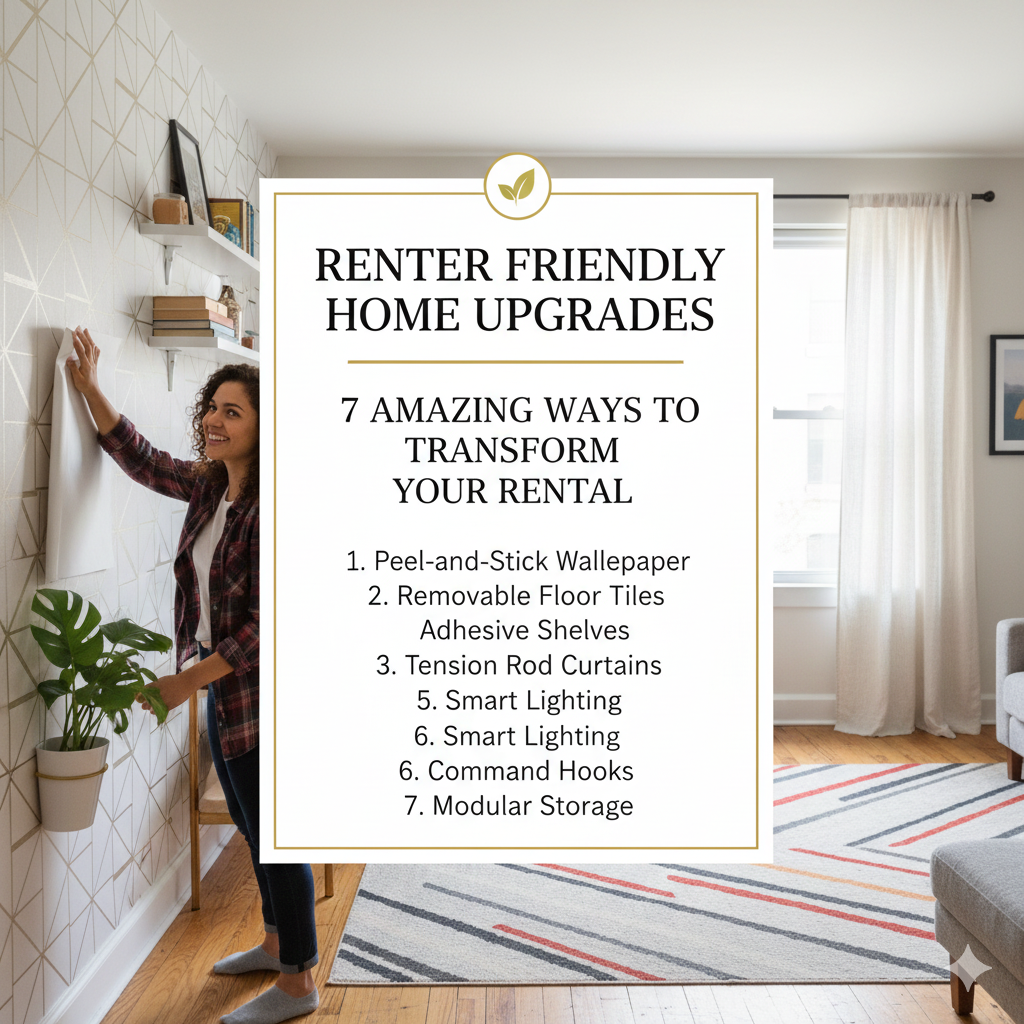
Renter friendly home upgrades are transforming the rental experience, letting tenants personalize their space—without risking their security deposit or violating the lease. If you feel boxed in by bland walls, limited storage, or a restrictive landlord, you’re not alone. Demand for renter-centric home improvements is booming, with new products and creative workarounds making it easier—and more affordable—than ever to customize your rental safely.
Key Takeaways
- Renter friendly home upgrades are in high demand, especially for home organization, peel-and-stick tiles, and temporary decor solutions.
- Most temporary upgrades cost under $1,000 and prioritize easy removal to protect your security deposit.
- Success depends on realistic planning, landlord approval, and knowing product limitations before making changes.
- What Are Renter Friendly Home Upgrades—And Why Bother?
- How to Upgrade Your Rental: Step-by-Step Guide
- Real-World Challenges, Cost Breakdown, and Pitfalls
- Conclusion: Smarter Upgrades, Fewer Regrets
- FAQ: Renter Friendly Home Upgrades
What Are Renter Friendly Home Upgrades—And Why Bother?
Renter friendly home upgrades are improvements you can make to your rental that look good, work better, and—most importantly—won’t cause damage or financial headaches when it’s time to move out. These changes are temporary, easy to reverse, and designed to fit the unique rules of renting. In 2024, the big winners are organization products, peel-and-stick tiles, and smart home gadgets according to Yelp.
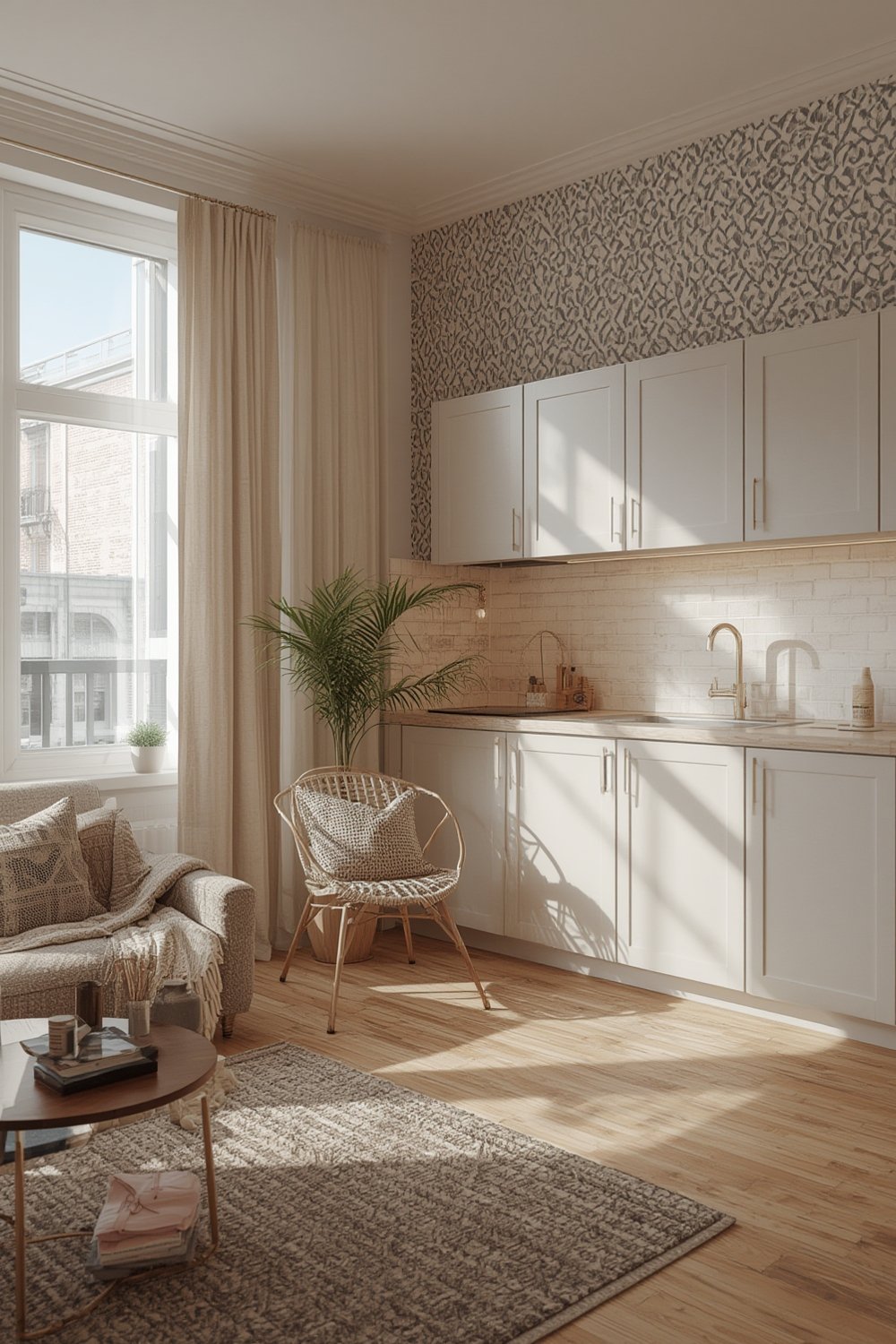
Why bother? Beyond aesthetics, these upgrades solve real problems: awkward storage, lack of style, and making a place feel like home quickly. With home organization searches up 362% and peel-and-stick tile up 73% Yelp research, renters clearly crave customizable and functional living spaces. By understanding Renter friendly home upgrades, you unlock creative, low-risk ways to improve comfort and enjoyment—without risking your deposit or a lease violation.
How to Upgrade Your Rental: Step-by-Step Guide
- Assess Lease Limitations
Before purchasing products or making changes, check your lease. Temporary upgrades often require landlord approval—especially anything involving walls or fixtures. If unsure, send your landlord a short, clear request outlining the change and planned removal. - Set a Realistic Budget
Most temporary upgrades cost less than $1,000. Focus on highest-impact areas first: kitchen, bathroom, organization, and lighting.
Zillow estimates cabinet hardware swaps at $50 to a few hundred dollars, and accent wall painting at $324–$1,620. - Choose True Removable Products
Use products designed specifically for renters: command strips, peel-and-stick tiles
(see Peel And Stick Floor Tiles guide), temporary wallpaper, and freestanding shelving. Prioritize products with strong-but-removable adhesives, and check reviews for removal experience. - Measure and Prep Surfaces Carefully
For stick-on products, thoroughly clean surfaces to improve adhesion without residue. For strangely-shaped or uneven surfaces, make paper templates—this reduces wasted materials and poor fit. - Install Upgrades in Logical Order
Start with wall or floor treatments, add shelving next, then overlay with decor, lighting
(smart lighting guide for renters), and organization systems last. This prevents the need to undo work. - Document Everything
Take before-and-after photos in case you need to prove you left the apartment undamaged. Keep packaging and instructions for hassle-free removal later.
Top Renter Friendly Upgrades to Try in 2024
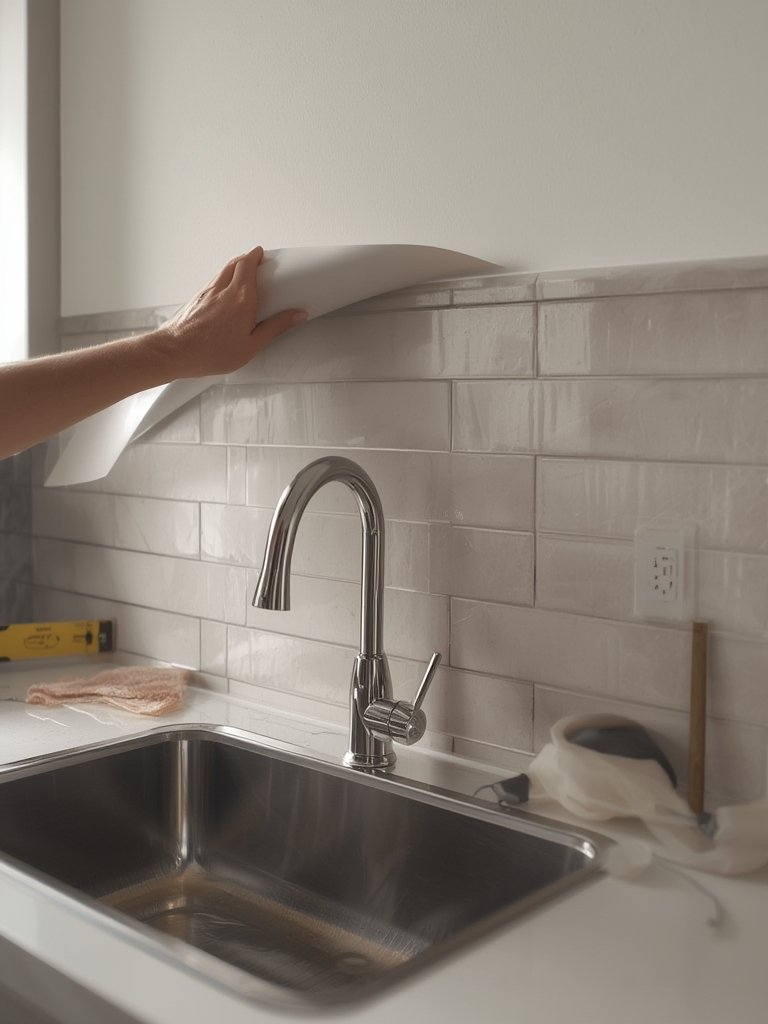
- Peel-and-stick backsplash or floor tile: Fast, affordable, and offered in hundreds of styles. See Peel And Stick Floor Tiles: 7 Amazing Ways to Upgrade Your Space for proven results.
- Temporary wallpaper: Peelable and repositionable wallpaper adds color without commitment. Perfect for accent walls or small spaces. See techniques in the Complete Guide to Home Renovation.
- No-drill open shelving: Freestanding or tension-rod shelving gives instant storage—ideal for kitchens, closets, and bathrooms with zero damage risk.
- Command hooks and strips: Versatile, easy to use, and instantly removable. Ideal for hanging artwork, mirrors, and organization systems.
- Plug-in smart lighting: Smart bulbs or LED strips turn any rental into a high-tech retreat, with no rewiring or drilling. See Smart Lighting System Installation: 7 Amazing Ways.
- Plants and rolling carts: Bring biophilic design indoors and add flexible storage in space-starved areas. For DIY plant walls and wellness tips, check Biophilic Design Home: 7 Amazing Ways to Boost Wellbeing.
Real-World Challenges, Cost Breakdown, and Pitfalls
Temporary upgrades promise stress-free personalization, but they’re not always as simple as the packaging suggests. Based on available research data, here are the most important trade-offs—and what to realistically expect.
Common Pitfalls of Renter Friendly Home Upgrades
- Adhesive Issues: Cheap peel-and-stick products may not adhere well to textured or humid surfaces, leading to peeling, curling, or failure.
- Residue on Removal: While marketed as ‘damage free,’ many adhesives can leave marks—especially if applied to unprimed walls, aged paint, or cheap finishes. Heat or rubbing alcohol helps, but test first.
- Misfit for Odd Spaces: Most products are designed for standard wall and floor sizes. For uniquely shaped or cramped spaces, DIY templates or modular systems are critical for a clean fit.
- Landlord or Lease Complications: Even removable changes can be restricted. Large modifications (painting, new shelves) almost always need written approval.
- Durability Myths: There’s little real-world data on longevity. Expect higher wear in kitchens, baths, and high-traffic areas. Some products require occasional touch-ups or replacement, especially over a year or two.
| Upgrade Type | Avg. Cost | Install Time | Removal Difficulty | Best For | Potential Problems |
|---|---|---|---|---|---|
| Peel-and-stick tiles | $50 – $400 | 2–6 hours | Easy—possible residue | Kitchens, baths, floors | Poor adhesion, edges peeling, residue |
| Temporary wallpaper | $100 – $350/room | 1–4 hours | Easy—test first | Accent walls, bedrooms | Bubble formation, surface tears |
| Command hooks/strips | $10 – $100+ | <1 hour | Very easy | Artwork, organization | Pulled paint on old surfaces |
| No-drill shelving | $30 – $200 | 1–3 hours | Moderate—bulky to remove | Closets, kitchens, bathrooms | Stability, fitting in tight areas |
| Smart lighting (plug-in) | $30 – $200 | 10–30 min | Very easy | Living rooms, bedrooms | Connectivity, compatibility |
Always keep documentation, service manuals, and receipts for easier removal. Learn more about cost management and contractor advice in our Complete Guide to Home Renovation.
Finally, be cautious with floor treatments or permanent adhesives—if a product is not truly removable, or if damage occurs, you may risk a portion of your security deposit.
Conclusion: Smarter Upgrades, Fewer Regrets
Renter friendly home upgrades let you showcase your taste and boost comfort—even in a space you don’t own. Just remember: prioritize true removability, double-check your lease, and keep costs in check. Never make changes you can’t fully undo. For durability and design help, explore our peel-and-stick floor tile guide or the biophilic design strategy to get the most from your rental.
Ready for your own transformation? Pick a single project and start small. With the right strategy, renter friendly home upgrades can change everything—without the stress or hidden costs.
FAQ: Renter Friendly Home Upgrades
Do I always need landlord approval for renter friendly upgrades?
Not for all upgrades, but anything involving paint, drilling, or semi-permanent attachments usually requires written permission. Double-check your lease first to prevent penalties. Simple decor changes (curtains, art, plug-in lights) rarely need approval.
Will removable products really protect my security deposit?
Most true renter friendly products are designed to remove cleanly. However, old or poorly painted walls can sometimes peel or stain. Always test first, follow manufacturer instructions, and document your changes to help protect your deposit.
How do I clean off leftover adhesive from peel-and-stick tiles or strips?
Start by gently heating the residue with a hair dryer, then use a soft cloth and rubbing alcohol. Avoid harsh scrubbing or paints thinner, which may damage the underlying surface. Always spot-test before using chemicals.
What are the best upgrades for small apartments or uniquely shaped spaces?
Freestanding storage, modular rolling carts, and tension rod shelves work anywhere—even in awkward corners or closets. For extra style, try removable wallpaper behind open shelving to create a custom look in small areas.
Where can I find more step-by-step guides on renter friendly and budget-conscious home upgrades?
For hands-on tips, visit our renovation resources like the Complete Guide to Home Renovation or read the latest decorating ideas for renters and owners on Zillow’s upgrade guide.