



Japandi dining table styles are redefining modern interiors, blending Japanese serenity with Scandinavian function—and the data shows this isn’t just a fleeting trend. With sales up over 200 percent since 2020, Japandi dining tables are now the centerpiece of a design-driven furniture boom. But behind the calming wood grain and minimalist shapes, some pitfalls and big questions emerge. This guide covers what top retailer roundups skip, so you make a smart, lasting investment.
Key Takeaways
- Japandi dining tables are the fastest-growing category in design furniture for 2024, with certified solid wood and sustainability features in high demand.
- Buyers should plan for possible pitfalls—surface scratches, color mismatch, shipping issues—and ask for true product details before purchase.
- Most guides miss crucial info: long-term finish durability, real sustainability breakdowns, and ergonomics for daily comfort.
- What Is a Japandi Dining Table (and Why Choose One)?
- Step-by-Step: How to Buy or Use a Japandi Dining Table
- Advanced Analysis & Common Pitfalls
- Conclusion
- FAQs
What Is a Japandi Dining Table (and Why Choose One)?
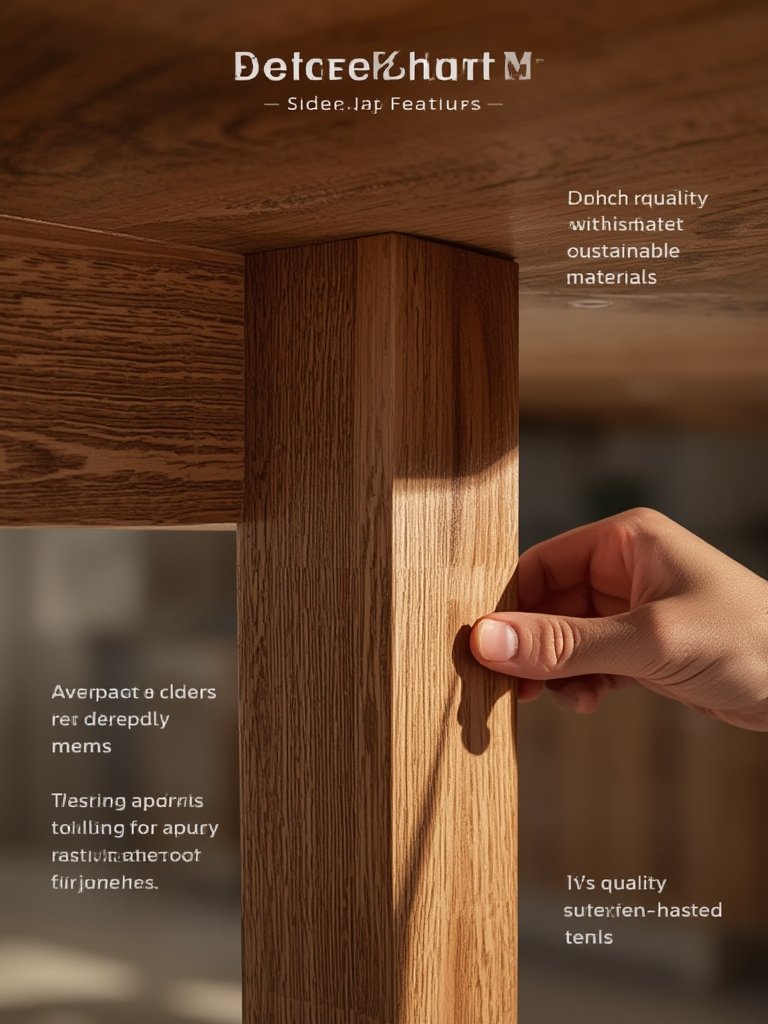
Japandi dining tables fuse two iconic sensibilities. You get the serenity and natural textures of Japanese interiors blended with the simple, pragmatic functionality of Scandinavian design. This style centers on light to medium-toned solid woods like oak, ash, or walnut, visible grain, and tactile matte finishes. Instead of heavy detailing, the tables emphasize clean lines, rounded corners, and subtle joinery—often mortise-and-tenon or visible pegs—that signal long-term quality.
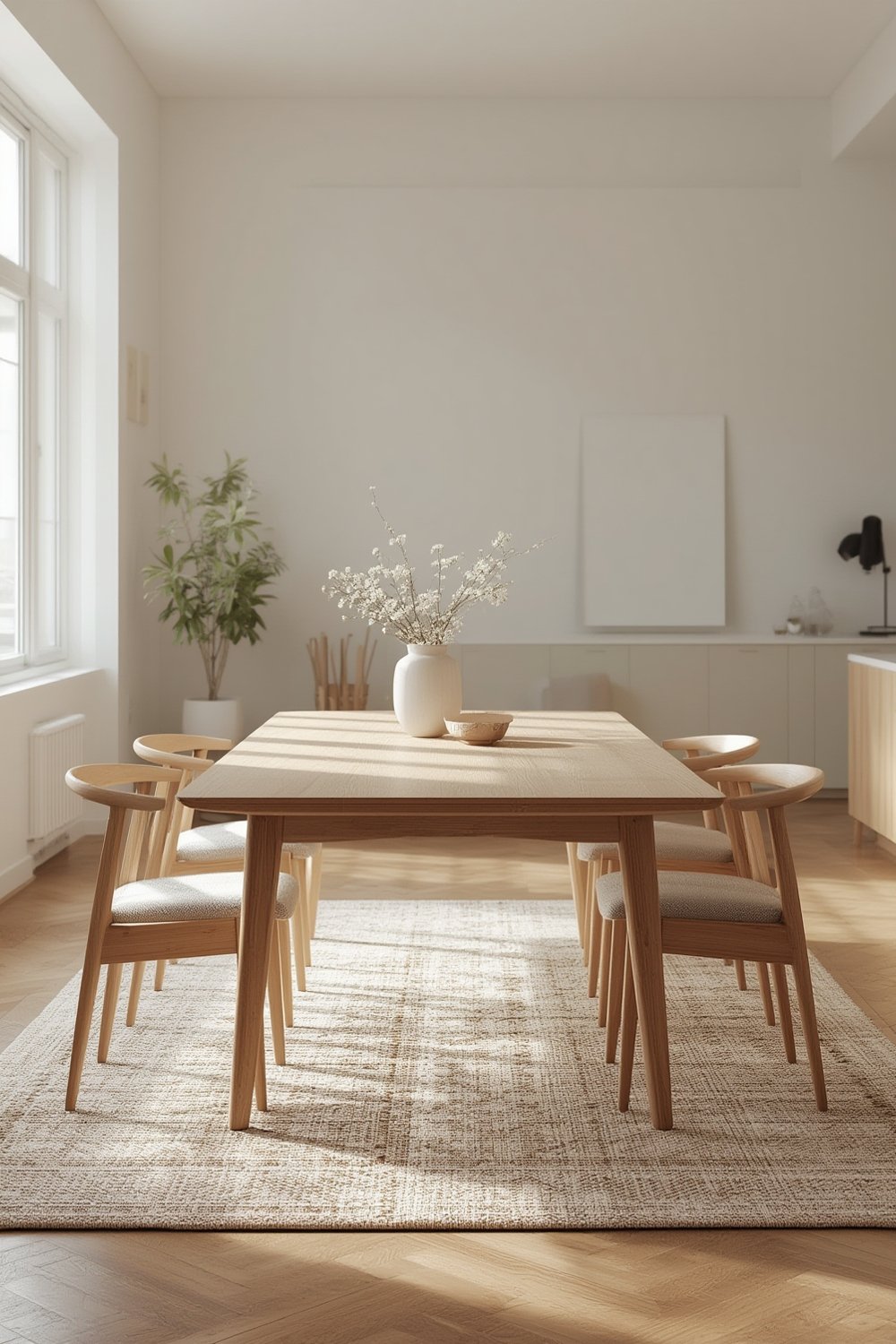
The “why” is practical as well as aesthetic. Japandi tables are surging because buyers want wellness-driven, sustainable, and calming home spaces. They are also adaptable: extension leaves and ergonomic legs make them easy for both minimalist apartments and broader households. According to recent market data, these tables account for nearly forty percent of total Japandi furniture sales, making them the pivot point for the entire trend. (Source).
Manufacturers are responding with certified woods (FSC or PEFC), low-VOC or natural oil finishes, and careful material sourcing. The style moves beyond budget design: premium Japandi dining tables are now positioned as investment furniture, not just fast home-decor fixes.
Step-by-Step: How to Buy or Use a Japandi Dining Table
- Decide Your Placement and Table SizeMeasure your dining space, allowing at least 32 inches clearance on all sides for chairs. Japandi tables most commonly seat 4-6, but extension options work for gatherings up to 10. Focus on rectangles with softly rounded edges for ergonomic blend.
- Select Materials and CertificationsCheck for solid oak, ash, or walnut with FSC or PEFC certification for eco-conscious sourcing. Oak is most popular for 2024, but ash offers a similar look at a lower price.
- Compare Finishes—Oil, Lacquer, or UV-coatOil and wax finishes keep a raw, tactile wood feel but need reapply finish every 1-2 years. Lacquers or modern UV-cured layers offer higher stain resistance and less maintenance. Ask for specific finish type before purchase—this greatly impacts cleaning routines and scratch resistance.
- Review Real User FeedbackScan recent reviews on major retailers for surface scratches, color mismatch, wobble, or shipping issues. Tables with sturdy under-frames, robust joinery, and consistent finish reviews are better long-term bets.
- Plan for Assembly and ShippingHave at least two people for assembly, especially for solid-oak tops over fifty pounds. Confirm the retailer’s hardware, language support, and damage-return policies. Check for misaligned holes or extra hardware—common review complaints. Avoid tables with only cam-lock brackets for legs, as these tend to loosen over time.
- Optimize for Multi-FunctionalityWant a table that doubles as a workspace? Look for integrated storage shelves or extra-wide aprons that leave plenty of clear legroom. Consider this especially if you’re also exploring modular sectional sofas for small spaces.
- Maintain Surfaces for LongevityUse felt pads under items, wipe up liquid immediately, and reapply finish according to manufacturer instructions. Extendable mechanisms need an annual check for smooth rails or leaf fit.
For more ideas on space-savvy layout, explore our deep dive on the best modular sectional sofa tricks to combine with your Japandi dining table.
Advanced Analysis & Common Pitfalls
Despite their popularity, Japandi dining tables are not all created equal. Here are the most common real-world problems buyers face—drawn from hundreds of reviews and 2024 market data (see source):
- Surface and Finish Issues: Light oak and veneers are prone to scratching, water rings, and chips—especially with oil finishes if not maintained. Color can differ from website photos due to screen settings or batch variation.
- Durability Doubts: Budget tables often use thin veneers or cam-lock brackets. This leads to peeling edges, loosening frames, or unstable legs within months.
- Assembly Headaches: Misaligned screw holes, unclear instructions, or missing hardware are reported often—worst for imported, flat-pack brands. Heavy solid-wood tops can be unsafe to flip alone.
- Shipping Damage: Cracks, dented legs, or finish rub-through are the most common delivery complaints. Delays from overseas warehouses add frustration.
- Stability and Weight: Slim legs look elegant but may wobble, especially on rugs. Heavier solid-wood models are not easy to relocate if you move apartments.
- Eco Claims Without Details: “Sustainable” marketing often relies on single-label certifications, rarely offering true life-cycle or carbon data for the entire product journey. Oak is most common, sourced from Europe or North America, but few brands show full transparency on milling and transport.
| Feature | Japandi Dining Table | Non-Japandi Minimalist Table |
|---|---|---|
| Material | Solid wood (oak/ash/walnut) or high-quality veneer, FSC/PEFC-certified | Mixed woods, MDF, veneers; certifications vary |
| Finish | Matte oil, wax, or low-VOC lacquer | Polyurethane, high-gloss, less tactile |
| Typical Price (US) | $500-$900 mid; $1200+ high end | $150-$700 mid; less for entry models |
| Main Pitfalls | Scratches, color mismatch, heavy assembly | Longevity, warping, less repairable damage |
| Design Clues | Rounded edges, visible joinery, serene style | Flat edges, generic legs, more metal/glass |
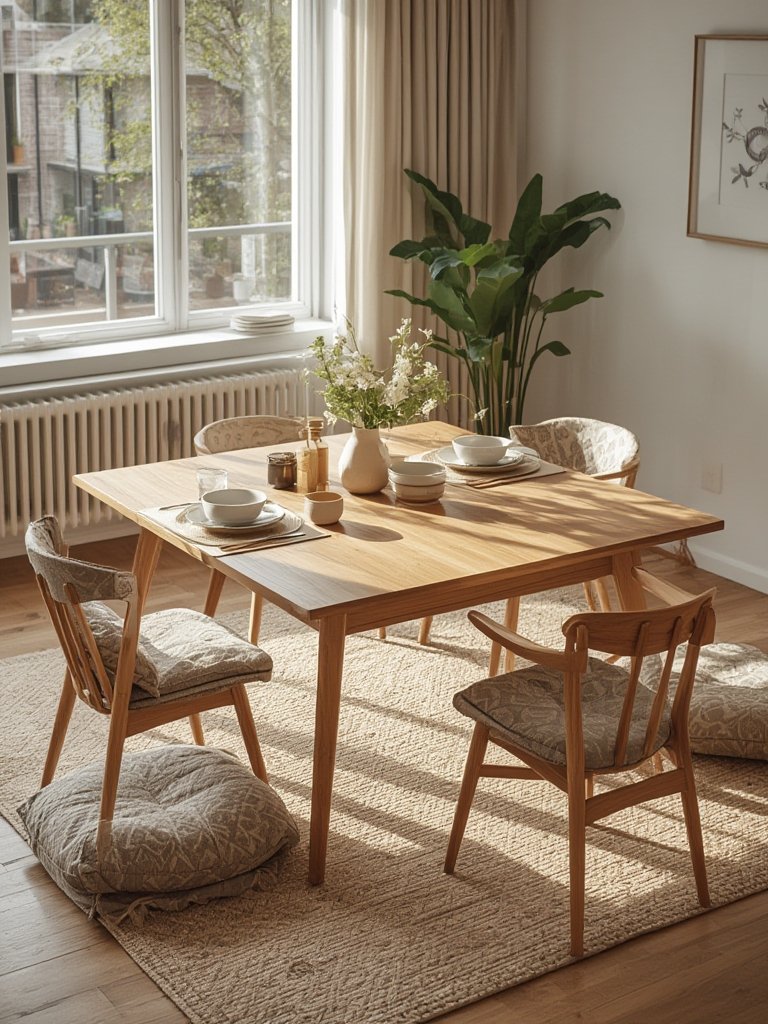
Buyers consistently overlook detailed ergonomics—like table height or knee clearance for both chairs and floor seating. Many guides skip this level of advice, but it’s crucial for daily comfort, especially if you use your table for working or crafting as well as dining.
For guidance on building a holistic, functional living space, you might also explore our breakdowns of curved bouclé sofas for organic form, or multifunctional storage ottomans that support clutter-free minimalist layouts.
Conclusion
Japandi dining tables deliver serene style, smart functionality, and have earned their place in the design spotlight for 2024. To choose wisely, go beyond surface appeal: weigh finish durability, material certification, user reviews, and ergonomics. Always reference real photos before buying, and plan for practical realities—assembly, shipping, and care. A carefully sourced Japandi dining table can anchor a calming, wellness-focused home for years. Ready to start? Compare tables with detailed data, and use these steps to buy with confidence.
For next-level home system upgrades, see our guide to smart lighting installation for a truly complete, calm living space.
FAQs
What makes a Japandi dining table different from standard minimalist tables?
Japandi dining tables always combine natural solid wood, visible joinery, soft edges, and serene, neutral tones. Unlike generic minimalist tables, they avoid glossy finishes, prominent metal, or ornament. Authentic Japandi puts equal weight on tactile warmth and real craftsmanship.
Are Japandi oak tables really more sustainable?
Many Japandi tables use FSC or PEFC-certified oak, sourced mainly from Europe or North America and finished with low-VOC products. However, not all are equal—some only use certifications for veneer, while the core may be less eco-friendly. Always request material details and supply chain information before buying.
Do Japandi dining tables scratch easily?
Oil and light-matte lacquer finishes offer beautiful texture but need more careful use—scratches and water rings are more likely if spills are left or if finish isn’t maintained. Higher-end UV-cured lacquers are more durable but less “raw” in appearance. Felt pads and easy cleaning help longevity.
How much do Japandi dining tables cost?
Expect to pay $500-$900 for mid-range solid oak or ash tables, and $1,200+ for large or handcrafted models in 2024. Entry-level designs start at $250-$500 but usually feature veneer over MDF. Designer or imported Japanese or Nordic brands can exceed $3,000 for custom work.
Are Japandi tables comfortable for everyday dining and working?
Most Japandi designs keep leg angles open, provide smooth rounded edges, and match standard seat heights (28-30 inches tall). For floor seating, look for reduced under-table rails. Check chair arm compatibility, and avoid tables with thick aprons if you want maximum legroom.