



Floor level bed frame setups are reshaping modern bedrooms for those drawn to minimalist style, Japanese influence, and space-saving living. If you’re exploring a new look or feel for your sleep sanctuary, understanding the reality of floor level beds—benefits, drawbacks, buying tips, and long-term care—is essential.
Key Takeaways
- Floor level bed frames are a fast-growing trend shaped by minimalist and Japanese aesthetics, commanding a $1,800 million market in 2024.
- These beds bring stylish benefits and space savings but also pose challenges with comfort, cleaning, and compatibility.
- Correct assembly, material choice, and ongoing care are critical to maximizing the lifespan and enjoyment of floor level bed frames.
- The Core Concept: What Is a Floor Level Bed Frame and Why Choose One?
- Step-by-Step Guide: Choosing and Setting Up a Floor Level Bed Frame
- Advanced Analysis & Common Pitfalls
- Conclusion
- Frequently Asked Questions
The Core Concept: What Is a Floor Level Bed Frame and Why Choose One?
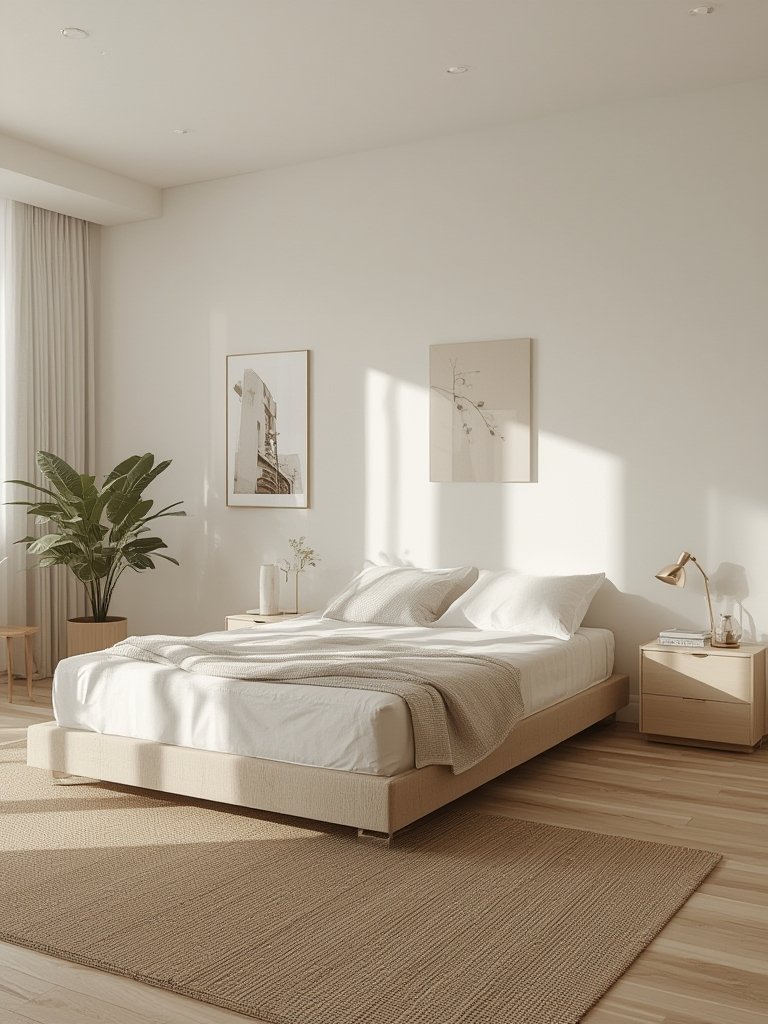
A floor level bed frame sits close to the ground, often just a few inches high, or places your mattress directly on a low-slung or flush platform. These designs are influenced heavily by Japanese interiors and today’s minimalist trends. The focus is on simplicity, reducing bulk, and creating an airy, open feel. Asia Pacific, led by Japan, accounts for 40% of all bed frame shipments globally, reflecting this design priority (source).

Why choose a floor level bed frame? Besides the calm, uncluttered look, these beds maximize vertical space, making even small rooms feel bigger. They reduce falls for restless sleepers and are often easier to move or assemble compared to tall, elaborate frames. Modern floor beds, including tatami-inspired setups and low profile platform beds, blend easily with home automation and smart lighting—just like those explored in smart lighting system installation guides.
Step-by-Step Guide: Choosing and Setting Up a Floor Level Bed Frame
Ready to upgrade your bedroom? Here’s how to do it the right way.
-
Assess Your Needs and Space
Consider why you’re choosing a floor level bed frame. Is it for the minimalist look, improved space usage like in a modular sectional sofa living room, or to go with other low-profile furniture? Measure your mattress and clear floor space. -
Choose Frame Type & Material
- Wood: Durable, warm, traditional or Japandi style. Best for longevity.
- Metal: Modern, cool-toned, often lighter and easy to move but can squeak.
- Tatami/Bamboo: True to Japanese roots, offers a soft foundation, but needs careful maintenance to prevent mold or wear.
For storage needs, look at frames with built-in drawers. Don’t overestimate strength—always check the max weight limit (including mattress and sleepers).
-
Compare Dimensions
A modern low profile or Zen bed typically sits 5 to 12 inches tall. Tatami platforms may be lower. Make sure your mattress is compatible and doesn’t exceed recommended depth. -
Buy and Inspect Components
Only purchase from reputable retailers. If buying online, check for clear assembly instructions and hardware. When the bed arrives, inspect for defects or missing parts before starting assembly. -
Assembly
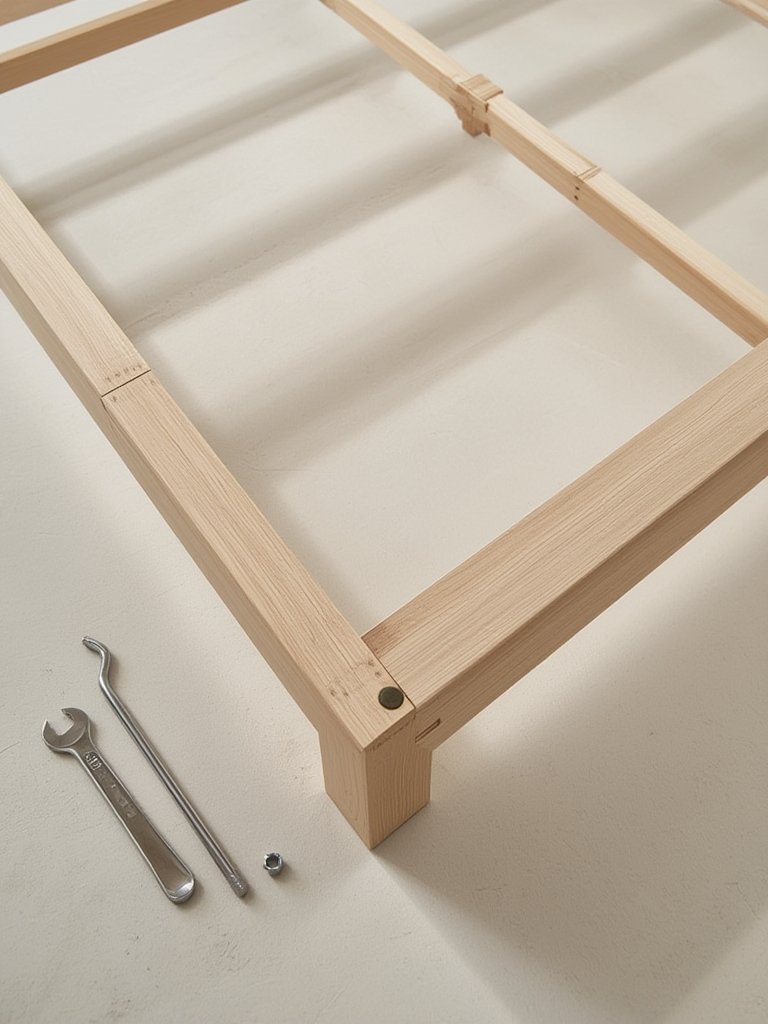
Lay all parts out in advance. Follow manufacturer instructions closely—incorrect assembly can lead to poor support and short lifespan. -
Add Mattress and Test
After assembly, place your mattress and lie down in different positions. Notice if there’s sagging, creaking, or odd smells (from new wood or adhesives). Make any needed adjustments. -
Plan for Cleaning and Ongoing Care
Low beds collect more dust and can block airflow beneath the mattress. Vacuum often. If using tatami, air it out regularly and avoid placing directly on damp floors.
Want extra comfort and a Netflix-friendly setup? Consider a hybrid approach like pairing a floor bed with a bed frame with headboard for lounging or reading upright, or supplementing with a multifunctional storage ottoman for small-space storage.
Advanced Analysis & Common Pitfalls
Floor level bed frames help drive the $1,800 million global market, but before you buy, be aware of the realistic downsides and technical differences from traditional beds. Let’s break them down:
Common Pitfalls
- Comfort: Lower beds may feel firmer since there’s less give under the mattress—be extra careful if you have mobility issues. Nightly getting up and down is harder for those with joint pain.
- Durability & Lifespan: Cheaper frames and materials wear out quickly; slats might bend, and corners may chip. Choose reinforced slats, solid connectors, and hardwood over soft pine or MDF.
- Assembly Frustration: Instructions can be unclear, missing hardware is common, and one-person assembly is tough for large models. Always unbox on a soft surface to avoid scratches.
- Maintenance: Floor beds make cleaning more frequent—dust gathers around and under. Tatami requires extra vigilance to prevent mold, especially in humid climates.
Technical Differences: Platform & Zen Beds vs. Traditional Frames
| Feature | Floor Level / Zen Platform Bed | Traditional Bed Frame |
|---|---|---|
| Height | 5-12 inches (usually mattress sits 2-6 inches above floor) | 12-24 inches (plus box spring) |
| Support System | Slats or solid platform, often no box spring | Box spring + frame or metal support rails |
| Material | Solid wood, bamboo, MDF, metal, tatami | Wood, metal, composite |
| Storage | Limited/uncommon (some drawers beneath) | Can include under-bed drawers, built-in storage bases |
| Assembly | Usually fewer pieces, lighter, quicker to assemble | May be heavier, require more complex tools/hardware |
| Ventilation | Less airflow under mattress | More airflow due to raised height |
Price Ranges and Market Insights
- Market value for floor level beds: $1,800 million in 2024 (source: WiseGuy Reports).
- No published 2024 price/spec ranges, but generally: Modern Japanese or Zen platform beds run $250–$800 (wood), $200–$400 (metal), while tatami platforms start at $350. Always verify specs before purchase.
Material Comparisons: Wood, Metal & Tatami
- Wood: Best for warmth, longevity, and easy repair. Choose solid hardwoods for strength, or look at Japandi-inspired oak and teak designs for sustainability.
- Metal: Lightweight, modern look, but noisy and prone to flexing unless reinforced.
- Tatami: Most authentic for Japanese rooms. Soft underbody and unique scent, but needs dry, airy spaces and frequent rotation to avoid moisture problems.
Health, Lifestyle & Aesthetic Considerations
- Pros: Minimalist visuals, easy bedroom access, reduced risk of rolling out of high beds (good for kids/adults).
- Cons: Less underbed storage, more dust at sleeping level, challenging for those with back or mobility problems.
Conclusion
Floor level bed frames are ideal if you want a modern, uncluttered look, more usable space, and a design that echoes global trends in minimalist furniture. Weigh the benefits against practical pitfalls, especially comfort and frequent cleaning requirements. Match the material and design to your needs—be it a traditional Zen look, a modular living room setup, or a compact city apartment.
Ready to take the next step? Assess your room, check your mattress specs, and invest in a floor level bed frame that matches your lifestyle.
Frequently Asked Questions
Is a floor level bed frame suitable for all mattress types?
Most standard mattresses (memory foam, latex, innerspring) work well with floor level frames but always confirm compatibility, especially for heavier mattresses. Some require additional slat support to prevent sagging.
Do floor level beds collect more dust and are they harder to clean?
Yes, sleeping close to the ground means more dust and pet hair buildup. Plan to vacuum frequently around/beneath the frame and rotate mattresses regularly, especially for allergies.
Are floor level bed frames bad for your back or joints?
If you have existing back, knee, or hip issues, getting up and down may be uncomfortable. Choose a slightly higher platform (10–12 inches) or add a firmer mattress for support.
What’s the difference between a Zen platform bed and a traditional bed frame?
Zen bed frames are typically lower, simpler, and box spring-free. Traditional beds are taller, may require a box spring, and often offer more underbed storage. See the comparison table above for technical differences.
How do I make my floor level bed last longer?
Use solid hardwood frames when possible, avoid putting the bed on damp floors, and check connectors and slats regularly for wear. For tatami, air it out every few months to prevent moisture buildup.