


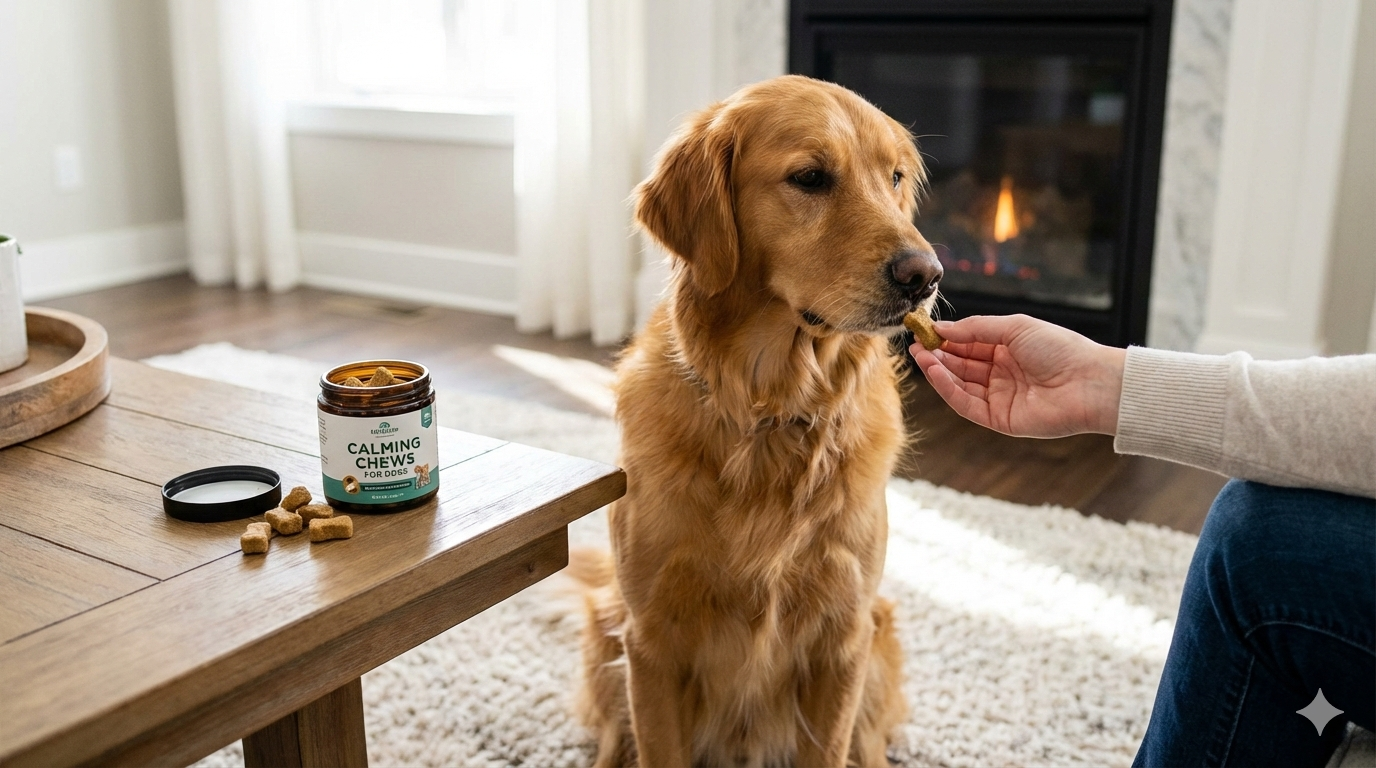
calming chews are a rapidly growing option for pet owners who want to help manage their dog’s anxiety, stress, or nervous behaviors—without turning to prescription medications. But not every chew is effective or safe, and new research is changing what we know about these supplements for 2024.
Key Takeaways
- Recent studies show some calming chews provide short-term anxiety relief for dogs but are not a cure-all or replacement for training.
- Adverse effects like drowsiness and digestive upset are common, and safety for long-term daily use remains unproven.
- Choosing the right chew depends on active ingredients, supervision, and your dog’s individual needs—not all products work the same way for every pet.
- What Are Calming Chews for Dogs – And Why Are They Getting So Popular?
- Choosing and Using Calming Chews: Step by Step
- Advanced Analysis: Pitfalls, Ingredient Realities, and Research Gaps
- Conclusion
- FAQ
What Are Calming Chews for Dogs – And Why Are They Getting So Popular?
Calming chews for dogs are soft, edible supplements formulated with ingredients intended to reduce stress, manage mild anxiety, and encourage relaxation. Most chews include natural compounds like L-theanine, melatonin, alpha-casozepine, passionflower, chamomile, or cannabidiol (CBD)—sometimes in combination. The goal is to give dog owners an easy, tasty alternative to pharmaceutical solutions or accessories like the Thundershirt or Adaptil calming collar.

The main appeal? Chews are non-invasive, mimic treat time, and feel “safer” to many owners than medications. Market data shows rapid growth of calming chews for dogs within the broader pet supplement market, especially among first-time dog parents seeking gentle, daily-use options. However, the science shows a more complex story—especially when comparing chews to established canine anxiety therapies or environmental management.
Choosing and Using Calming Chews: Step by Step
It is easy to buy calming chews for dogs online in 2024, but finding one that is both effective and safe for your dog is more challenging. Here is how to make a smart, research-backed choice:
- Check the Ingredient List and Dosage
Opt for products listing precise mg amounts for each main ingredient. In 2024, the best evidence exists for:- L-theanine (safe, well-studied for calming effects)
- Melatonin (good for sleep-related anxiety)
- Alpha-casozepine (milk protein derivative shown to lower some anxiety behaviors in dogs, but research is limited and studies often have bias risks)[source]
- CBD from hemp (safe at up to 5 mg/kg per day for healthy dogs according to 2024 clinical data)[source]
- Probiotics, passionflower, or chamomile (generally mild, but evidence of real calming benefit is currently weak or mixed in canines)
Avoid “proprietary blends” that hide actual ingredient amounts.
- Filter by Independent Lab Testing and Transparency
Due to weak supplement regulation, contamination and false claims are a real concern.
Look for chews that share third-party test results. No test, no trust. - Assess Your Dog’s Health, Age, and Other Medications
Puppies, elderly dogs, and any pet with chronic illness or on prescription meds should only use calming chews for dogs with veterinary approval first—since interactions are possible and safety data on daily use is thin.
Dog probiotic supplements can sometimes be used alongside calming chews for dogs, but always consult with your vet. - Introduce Gradually and Supervise Closely
Start with half the recommended dose and monitor for side effects:- Drowsiness
- Digestive upset (loose stool, vomiting)
- Loss of appetite or reluctance to play
Some dogs adapt in a few days; others need discontinuation. Immediate withdrawal and vet attention are mandatory for signs of excessive lethargy, tremors, or severe behavior change.
- Set Realistic Expectations & Use with Environmental Management
calming chews for dogs may take the edge off triggers but do not substitute for desensitization training, safe spaces, or anxiety wraps like the Thundershirt. The best results come when owners combine chews with proven behavioral techniques and consider adjunct products (see alternatives in Section 3).
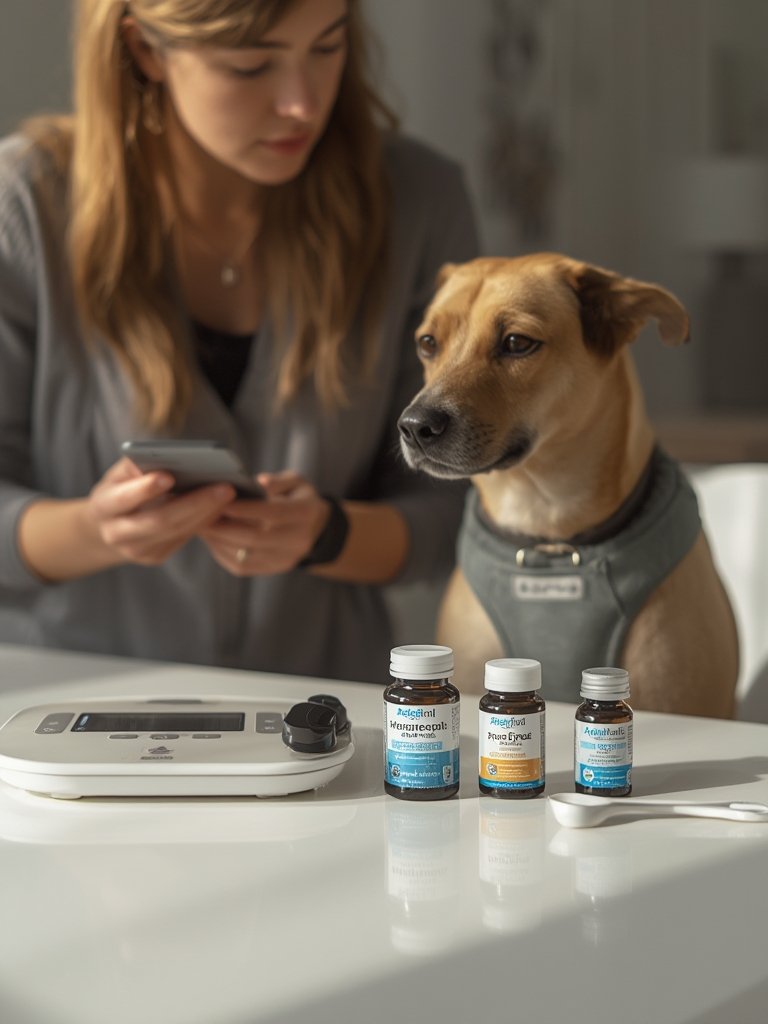
Remember, every dog’s stress triggers, breed, and metabolism is different. What calms one dog before a storm might be ineffective for another with separation anxiety.
Ingredient-conscious pet parents increasingly look for transparency, much as they do when choosing freeze-dried dog treats to avoid fillers or unlisted additives. Simplicity in formulation and human-grade ingredients are both trending factors in buyer reviews.
Advanced Analysis: Pitfalls, Ingredient Realities, and Research Gaps
Recent studies—like a 2023 controlled trial of long-lasting chews—show positive emotional effects and lower arousal in dogs separated for short periods (5-15 minutes), but with key caveats. Effects wear off fast, sample sizes are low, and no direct head-to-head comparisons exist against prescription medications or products like Adaptil collars and Thundershirt wraps.
Common pitfalls and overlooked risks include:
- Inconsistent Results: Not all dogs respond. Some naturally high-stress breeds or individuals may require prescription support.
- Drowsiness & GI Upset: Up to 15% of real-world users report lethargy or digestive distress, especially in the first week of use.[source]
- Overdose Risks and Unsupervised Use: Serious side effects—tremors, vomiting, severe behavior changes—are rare but possible, and often happen when treating nervous dogs in isolation unsupervised.
- Lack of Long-Term Safety Evidence: The vast majority of trials last less than two months. Reports of worsening behavior over time or tolerance building up remain anecdotal as of 2024.[source]
- Quality Control Gaps: The supplement industry for pets is weakly regulated, and contamination or false label claims are a real concern. Be as cautious as when choosing products for cat skin allergies or microbiome health.
- Unrealistic Expectations: There is little evidence that calming chews for dogs resolve thunderstorm fear or travel anxiety solo. Most “success” stories involve multi-modal support (training, safe spaces, sometimes tranquilizers).
Despite marketing, veterinary science finds the overall evidence for most calming chew ingredients in dogs to be unimpressive or preliminary. Here is a quick comparison of main active ingredients, according to 2024 research:
| Ingredient | Efficacy Evidence | Typical Side Effects | Summary |
|---|---|---|---|
| L-theanine | Well-tolerated; moderate evidence of mild calming | Rare drowsiness, mild GI | Good safety for most dogs |
| Melatonin | Works for sleep/anxiety overlap | Drowsiness, rare hormone effects | Most effective at night or for travel prep |
| Alpha-casozepine | Some studies match prescription meds, but risk of sponsor bias and low standards | Rare; monitor for lactose intolerance | Best results seen in separation anxiety trials |
| CBD | Safe at 5mg/kg, but efficacy variable; under-researched for stress | Rare sedation, mild GI | Only buy from lab-tested sources |
| Passionflower, Chamomile | Animal evidence limited; some human support | Possible GI upset | Generally mild; best as adjuncts |
For broader anxiety control—especially when the gut-brain axis is involved—integrating best dog probiotics or trying freeze-dried dog food toppers may help address underlying physical contributors to stress. These strategies also align with the trend toward “humanization” of pet wellness.

Conclusion
Calming chews for dogs remain a popular, accessible tool for managing canine stress—especially for mild cases, short isolation, or as a supplement to training. Clinical evidence and real-world use show that results are mixed, the most effective ingredients are L-theanine, melatonin, and alpha-casozepine, and safety issues are rare but possible. Before using any calming chew regularly, consult your veterinarian, monitor closely for side effects, and integrate tried-and-true environmental and behavioral methods for best results. Ready to support your dog’s comfort? Start by choosing a research-backed chew and keep realistic expectations for your pet’s journey.
FAQ
Are calming chews for dogs safe for daily use?
Most ingredients—like L-theanine and melatonin—appear safe for healthy adults when used as directed. Long-term daily use has not been thoroughly studied; veterinarians recommend periodic “breaks” and regular monitoring. Always check for product quality and avoid unsupervised use.
How fast do calming chews for dogs work?
Effects can appear within 30 to 60 minutes for most dogs, but the full calming potential may require several days of use. Ingredient and dog metabolism impact the response. Owners often see the strongest effects during the first 5 to 15 minutes of stressful events.
What side effects should I watch for with calming chews for dogs?
The most common complaints are drowsiness, loose stool, upset stomach, or decreased appetite—especially when starting. Overdose can cause more severe symptoms like tremors or very lethargic behavior. Discontinue use and consult your vet if any severe side effects occur.
How do calming chews for dogs compare to other anxiety products like Adaptil or Thundershirt?
No direct comparison trials exist as of 2024. Studies show Adaptil (a DAP collar) can effectively reduce certain anxiety behaviors, and Thundershirt wraps provide gentle pressure therapy. Chews are generally most effective when combined with other calming products and behavioral training.
Can calming chews substitute for behavioral training?
No. Calming chews may help “take the edge off” but do not solve the root causes of anxiety in dogs. For ongoing stress, invest in consistent positive-reward training and environmental improvements.
—