


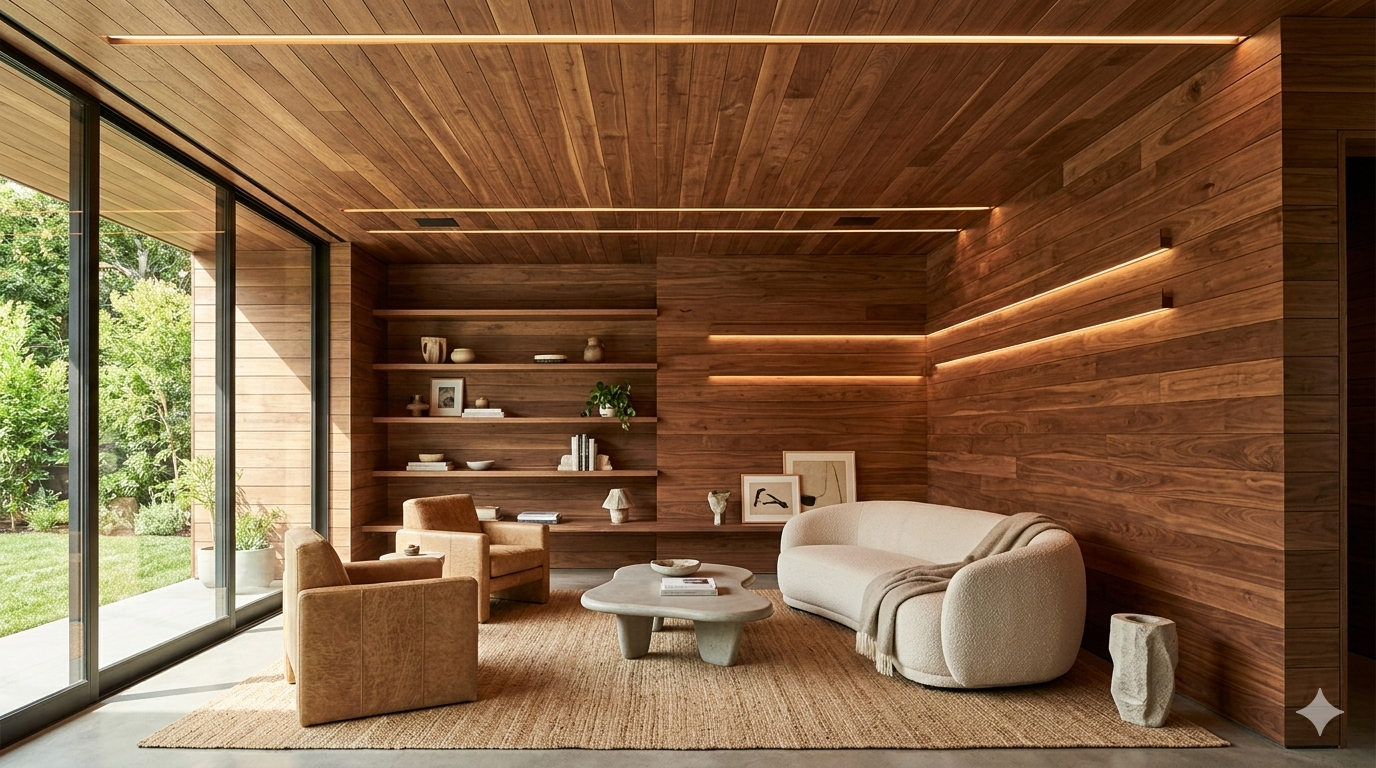
Wood drenching walls ceiling is a bold interior design approach that wraps entire rooms—walls, ceilings, and sometimes beams—in natural wood for a seamless, immersive backdrop. It’s gaining traction in high-end homes and boutique commercial spaces, but success requires attention to both aesthetics and technical details.
Key Takeaways
- Wood drenching transforms interiors with warmth, depth, and a unique architectural statement, but demands careful material and finish choice.
- Upfront costs, maintenance, and code compliance can be significant—plan for ventilation and use low-emission, certified materials.
- Ignoring hidden issues (formaldehyde, supply, fire codes) risks poor results; always research suppliers and consult pros for full-room installs.
- What Is Wood Drenching Walls Ceiling and Why Try It?
- Step-by-Step Guide: How to Wood Drench Walls and Ceilings
- Advanced Analysis & Common Pitfalls
- Conclusion
- FAQ
What Is Wood Drenching Walls Ceiling and Why Try It?
Wood drenching is the practice of finishing all surfaces—walls, ceilings, even trim and beams—in the same wood material. The result is a visually cocooning, unified effect that amplifies warmth, texture, and biophilic appeal. This trend is accelerating in 2024, fueled by demand for eco-friendly finishes and the desire to bring nature indoors.
Designers and clients seek wood drenching to:
- Create stunning statement rooms with bespoke authenticity.
- Enhance acoustic softness and visual comfort versus sterile or all-white spaces.
- Leverage wood as a renewable material, aligning with sustainable building goals. Market research shows the global wood-based panel market hit $198 billion in 2024, with strongest growth in high-end, eco-conscious applications.
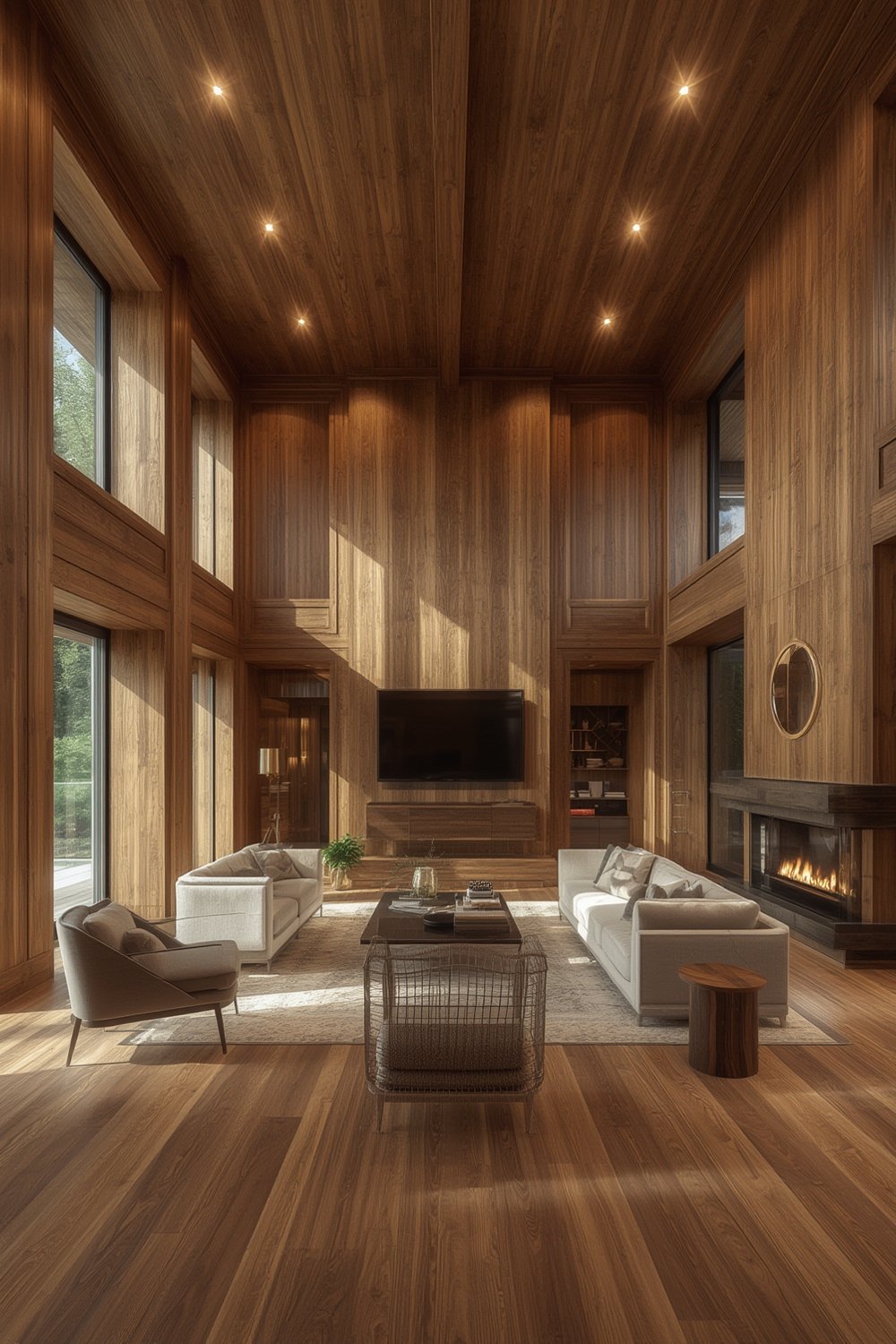
Customization is rising—homeowners specify not just wood type, but panel thickness, color, and texture. Advances in manufacturing yield low-formaldehyde, responsibly sourced options like FSC/PEFC-certified panels and durable engineered woods. Explore more nature-inspired trends in this biophilic design home guide.
Step-by-Step Guide: How to Wood Drench Walls and Ceilings
Follow this actionable walkthrough for a full wood drenching transformation:
- Assess your space and objectives – Identify target rooms, usage, and whether you want full coverage or selective accenting (such as just feature walls or adding ceiling beams).
- Choose wood type and format – Decide between solid wood, veneer, or engineered panel (e.g., plywood, MDF, OSB). Species like oak, walnut, and teak deliver luxury, but cost varies widely. For budget-friendly options, particleboard or plywood is common; explore MDF and OSB for painted or stained looks. Accent wall ideas might provide inspiration for partial installations.
- Source certified, low-emission panels – Demand FSC or PEFC certification and check for low-formaldehyde emissions. This is vital for air quality, especially when covering every surface.
- Layout and acclimatize materials – Order 10-15% extra wood for waste. Let planks acclimate in your space for 48-72 hours before install.
- Finish selection – For longevity, specify a factory-applied or site-finished seal—UV-cured polyurethane or natural oil waxes are popular. Plywood and engineered panels may have built-in moisture resistance, but all surfaces benefit from proper finish. Learn more about protective and decorative techniques in limewash paint finishes—some can be adapted to wood for unique effects.
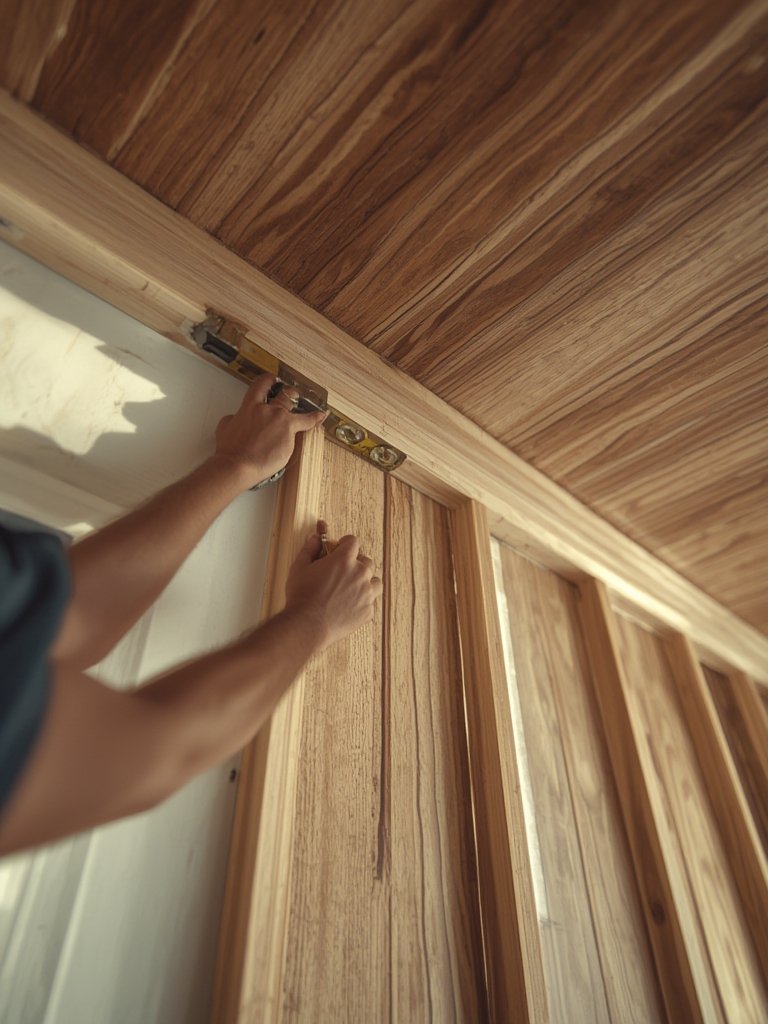
- Professional installation – Measure, snap chalk lines, and install off stud lines for stability. Use hidden fasteners or adhesive as per manufacturer guidance.
- Finish details – Conceal seams, integrate electrical/lighting per code, and add matching switch plates, grilles, etc. If including beams, ensure they’re properly anchored and coordinated with lighting.
For smaller-scale makeovers or rental spaces, consider hybrid approaches—such as wrapping only one wall or the ceiling in wood and using DIY peel-and-stick floor tiles for the floor. This approach balances the drenching effect with practical upgrades.
Always confirm local building/fire code compliance. Continuous wood on ceilings and walls may trigger stricter rules—engineered fire-rated panels and low-emission options help mitigate regulatory hurdles. The U.S. wood panel market reflects this trend, with strong demand for sustainable, compliant products. See also our complete guide to home renovation for help on hiring contractors and cost planning.
Advanced Analysis & Common Pitfalls
Industry data highlights several risks and knowledge gaps surrounding wood drenching:
| Pitfall | Problem in Wood Drenching | Actionable Solution |
|---|---|---|
| Formaldehyde & Air Quality | Continuous wood paneling can concentrate off-gassing from adhesives; risk to indoor air quality. | Specify ultra-low-emission panels; demand GREENGUARD Gold, CARB Phase 2, or Euro E1 certification. |
| Moisture & Warping | Improper acclimation or poor ventilation can cause panels to cup or discolor. | Acclimatize wood pre-install; ventilate rooms and use vapor barriers in humid climates. |
| Fire Safety & Codes | Wood on ceilings/walls may limit fire evacuation time or violate building regs. | Consult local codes; use fire-rated products with documented resistance. |
| Maintenance | Hard-to-reach maintenance, especially on ceilings and upper walls; wear and scratches can accumulate. | Regular dusting with soft cloths; periodic re-oiling or refinishing as needed. Avoid abrasive cleaners. |
| Cost & Availability | Timber/veneer shortages and price volatility, especially for luxury species. | Order well in advance; consider engineered wood or common species if supply is tight. |
- Cost data is rarely transparent—solid oak, walnut, and teak panels vary by supplier/region and install complexity. For cost-effective alternatives, MDF or plywood (with wood veneer) are standard, but do not offer identical richness.
- Beams add architectural weight and may require reinforcement. When running new lighting, coordinate beam spacing and panel seams for a seamless effect—see the smart lighting system installation guide for creative ceiling integration options.
- Overlooked details: Many guides do not mention formaldehyde concerns, fire/moisture codes, or timber shortages. Skipping these can result in penalties or renovation headaches down the line.
- Sound and acoustics: Fully paneled rooms will absorb some sound, but if using hard, untextured wood, echo can persist. Consider layering rugs, textiles, or using perforated panels if acoustics are critical.
- Continuous wood can overheat small rooms or limit design flexibility later. For adaptable options, check renter friendly home upgrades or modular paneling systems.
Conclusion
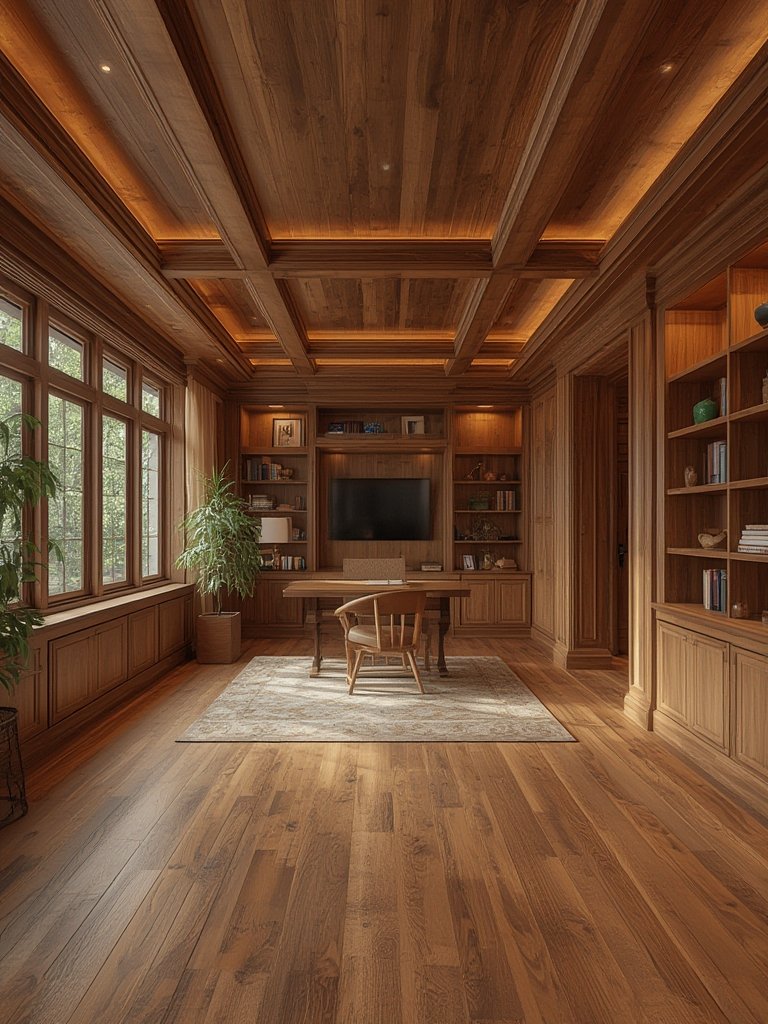
Wood drenching walls ceiling delivers immersive character and warmth, but demands careful planning and honest budgeting. Always specify low-emission and fire-rated materials, acclimatize wood, and check for code compliance—especially when wrapping both walls and ceilings.
If you’re considering this approach, weigh the pros and cons, talk to experienced suppliers and installers, and look for inspiration in proven guides on home renovation, biophilic design, and textured wall treatments. Ready to give your interiors a timeless upgrade? Start planning your wood drenching project today—and revisit this guide for practical insights on wood drenching walls ceiling at every stage.
FAQ
How much does wood drenching cost compared to paint or wallpaper?
Wood drenching is usually much more expensive than painting or wallpaper because of both the material and installation costs—especially with premium species like oak, walnut, or teak. Costs can quickly reach several hundred dollars per square foot when including labor and high-end finishes. For budget options, engineered panels like MDF or plywood are more affordable but may lack the depth of solid wood.
Does wood drenching help with room acoustics?
Wood can absorb sound and reduce some echoes compared to drywall or bare plaster, but its effectiveness depends on thickness, finish, and whether panels are solid or hollow-backed. For optimal results, consider adding fabric, area rugs, or acoustic panels, and use varied wood textures.
What maintenance does a wood drenched room require?
Dusting and occasional gentle cleaning are needed to avoid buildup and scratches. Some wood finishes require re-oiling or waxing every few years. Scratches, dents, or stains in high-touch areas should be addressed promptly. Avoid excessive moisture, especially in bathrooms or kitchens.
Are there environmental or health concerns with full wood coverage?
Yes. Some engineered wood panels can off-gas formaldehyde, affecting air quality—especially when used on all surfaces. Choose certified low-emission products and ventilate installation areas well. For sustainability, select FSC or PEFC-certified wood.
Can I DIY a wood drenching project?
DIY is possible for simple accent walls or ceilings with prefinished panels and basic carpentry skills. Full-room wraps with beams, integrated lighting, or large surfaces are best handled by professionals due to technical, safety, and aesthetic complexities.