


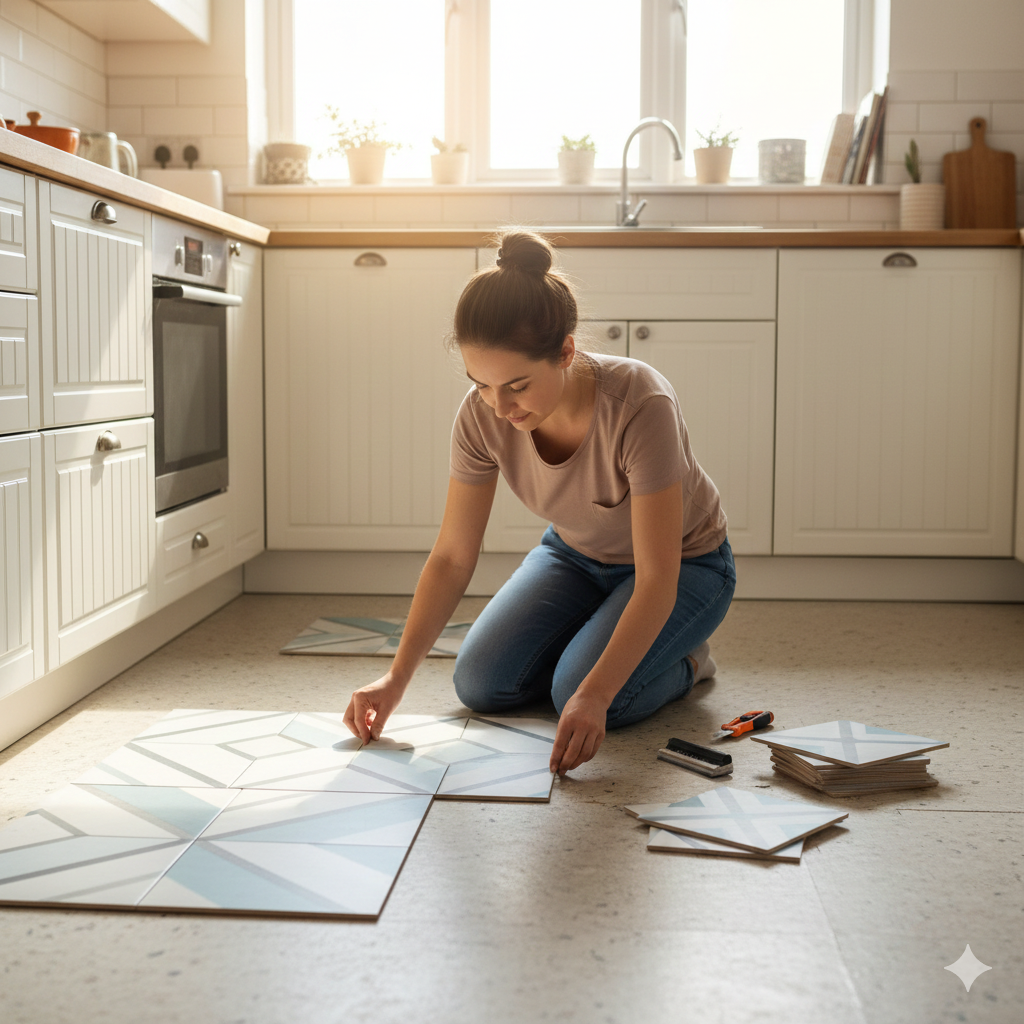
Peel and stick floor tiles have taken DIY home renovations by storm, offering an affordable and convenient flooring solution for homeowners and renters who want dramatic results without the mess or commitment of traditional installations.
Key Takeaways
- Peel and stick floor tiles deliver fast, budget-friendly floor makeovers—with no special tools or professional labor required.
- The vinyl self-adhesive segment’s popularity is fueled by design variety, ease of use, and suitability for renters and homeowners alike.
- Despite the upsides, users must be aware of potential issues like adhesion problems, subfloor compatibility, and limited durability in high-traffic zones.
- What Are Peel and Stick Floor Tiles (And Why People Love Them)
- How to Install Peel and Stick Floor Tiles: Step-by-Step Guide
- Advanced Analysis & Common Pitfalls
- Conclusion
- Frequently Asked Questions
What Are Peel and Stick Floor Tiles (And Why People Love Them)
Peel and stick floor tiles are thin, lightweight tiles with a self-adhesive backing, designed to be applied directly onto clean subfloors or existing flooring. They’re typically made from vinyl, which provides water resistance, flexibility, and a comfortable underfoot feel—making them a favorite for kitchens, bathrooms, hallways, and rental upgrades.
The global self-adhesive tiles market has exploded in recent years—valued at over USD 4.7 billion in 2023, with vinyl tiles alone representing more than USD 1.5 billion. The growth is particularly strong in Asia-Pacific due to urbanization and affordability, but North America is catching up as DIY culture rises and demand for flexible, cost-effective renovation increases.
People love these tiles because:
- No professional skills or specialized tools are needed.
- Most installations take just a few hours.
- Choices range from wood-looks to stone, marble, and playful patterns.
- They’re removable (in many cases), making them renter-friendly.
If you’d like even more complete renovation strategies—like financing, contractor selection, and design planning—don’t miss our Complete Guide to Home Renovation.
How to Install Peel and Stick Floor Tiles: Step-by-Step Guide
Installing peel and stick floor tiles is accessible to beginners, but a careful process produces the best results. Here’s a practical blueprint for success:
- Remove all dust, debris, oil, and moisture. Most failures happen when tiles are laid on unclean or textured floors.
- If installing over old flooring, ensure it’s free of wax and absolutely flat.
- Measure and plan your layout.
- Dry-lay tiles from the center out so you have balanced cut pieces at edges.
- Mark straight chalk lines as guides for your first row.
- Peel and stick.
- Remove the paper backing from each tile just before placing.
- Press down firmly from the center out to squeeze out air pockets.
- Use a sharp utility knife and straightedge to trim tiles at walls or corners.
- Seal the seams (optional for wet areas).
- In kitchens or bathrooms, run a thin bead of clear silicone along seams and at the perimeter to block moisture.
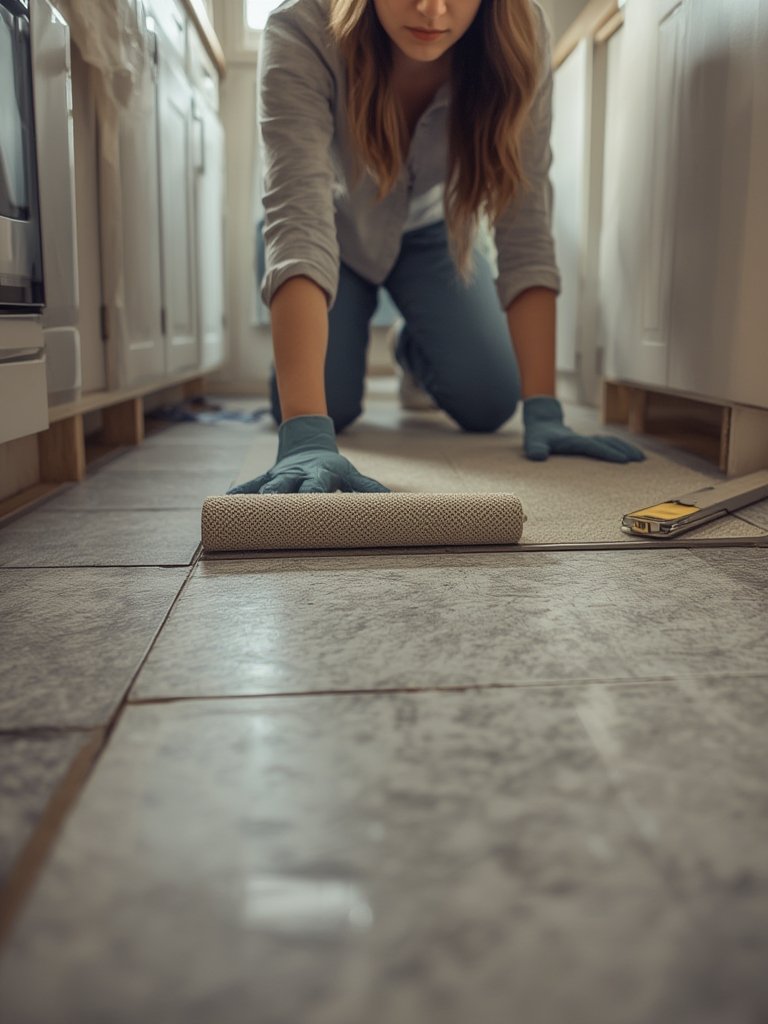
- Wait 24 hours before exposing to heavy use.
- Let the adhesive bond fully. Avoid washing or moving furniture until this period passes.
Looking to pair your flooring upgrade with other smart improvements? Discover future-proof home upgrades like residential EV charging station setup and more modern solutions for homeowners.
Advanced Analysis & Common Pitfalls
While peel and stick floor tiles offer exciting benefits, their convenience does come with trade-offs. Before you begin, take these realities into account:
| Feature/Concern | Peel and Stick Floor Tiles | Traditional Vinyl/Laminate Plank |
|---|---|---|
| Installation Skill Needed | Beginner-friendly DIY | Intermediate (tools and cutting required) |
| Subfloor Preparation | Very clean, flat required | Forgiving, small imperfections allowed |
| Water Resistance | Depends on seams/perimeter seal | Usually waterproof joints |
| Durability (High-Traffic) | Prone to edge lifting and scratches | Generally longer lifespan |
| Removal | Can damage sensitive subfloors, especially after long periods | Usually floats, easy removal |
| Ideal For | Quick makeovers, rental properties, tight budgets | Permanent renovations, higher investment |
- Adhesion failures can occur if the floor isn’t spotlessly cleaned, or if tiles are exposed to excessive moisture or temperature swings. Over time, corners may curl or entire tiles may shift—especially in bathrooms or basements.
- Durability is limited, especially under rolling chairs, pet claws, or dragging furniture. Unlike thick vinyl planks, these tiles have thin wear layers and may scratch or dent more easily.
- Removal can get tricky. Some adhesives are strong enough to pull paint or damage wooden subfloors when you finally lift the tiles. Renters should test a sample tile in an inconspicuous area before covering large sections.
- Limited technical transparency. Due to rapid growth, many brands offer minimal information: you may not find reliable slip resistance, water resistance, or warranty period details. Research manufacturers and read independent reviews before buying.
- Cost is usually affordable but not always cheaper per square foot vs. bulk vinyl or laminate flooring, especially for larger areas.
Recent market research confirms the sector is fast growing, but acknowledges real-world user complaints remain underreported. Always weigh the pros and cons versus your specific living space and needs.
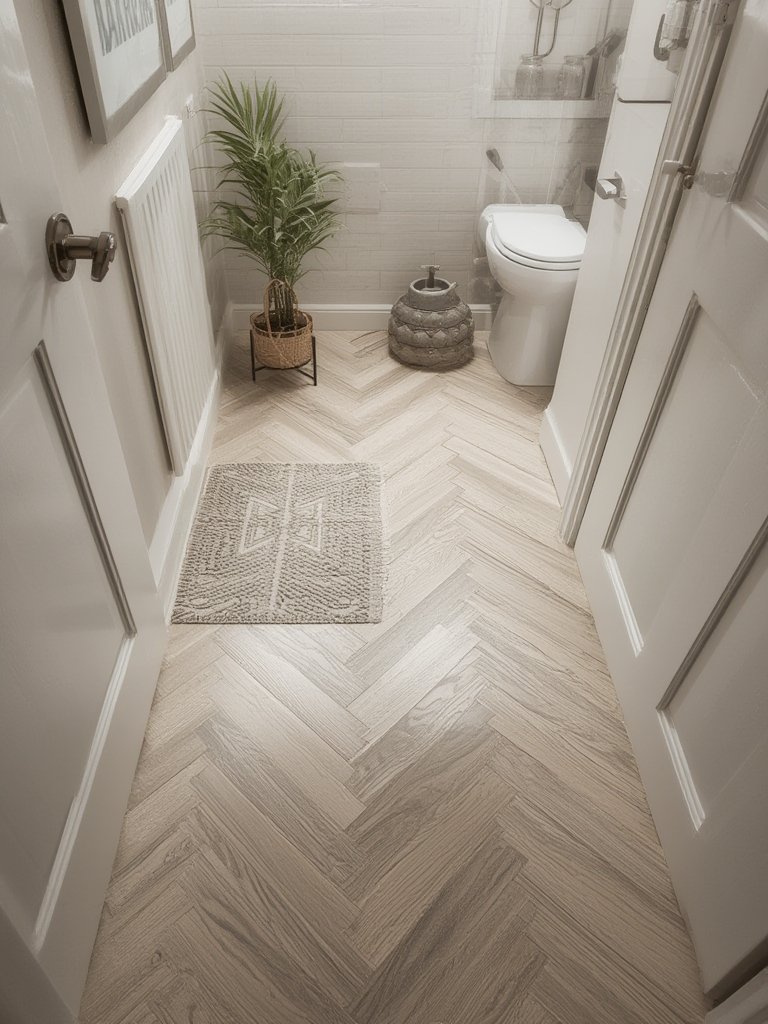
For a holistic approach that incorporates budgeting, choosing reliable contractors, and maximizing home value, check out our home renovation guide.
Conclusion
Peel and stick floor tiles have carved out a massive following thanks to their blend of practicality, visual appeal, and DIY-friendliness. They’re ideal for quick transformations—especially in rentals or budget settings—if you plan and prep properly. But maintenance, durability, and removal challenges mean you must weigh their pros and cons before committing.
Ready to transform your space? Shop carefully, read reviews, and follow these actionable tips to get the most out of peel and stick floor tiles. Want more renovation wisdom? Explore our complete home renovation resource for inspiration, financial tips, and expert checklists.
Frequently Asked Questions
Are peel and stick floor tiles really removable?
In many cases yes, especially from smooth non-porous floors. However, adhesive strength varies widely by brand and time installed. Older installations may require careful prying and use of heat (hair dryer) to soften glue. Always test a tile on your surface before doing the whole room if you’re worried about damage.
How long do peel and stick floor tiles usually last?
Most are designed for short to medium-term use—typically 2 to 7 years under moderate traffic. High-traffic areas or homes with pets may see visible wear in less time. The thickness of the wear layer and quality of backing adhesive are key to longevity.
Can you install peel and stick tiles over existing tile or wood floors?
Yes—these tiles are made for overlays. The existing floor must be immaculately clean and free of texture (grout lines or wood grain can eventually show through). Avoid installing over cushioned vinyl or carpets, which don’t support adhesion well.
Are these tiles waterproof?
Most vinyl peel and stick floor tiles are water resistant on the surface, but water can seep between seams if not sealed. Use silicone caulk on edges in kitchens and baths for extra protection. Avoid using these tiles where standing water is common.
Will peel and stick floor tiles damage a rental apartment’s floor?
They have the potential to cause damage, especially to delicate wood or painted concrete. Short-term rentals may be safer, but always seek landlord approval first. Test a tile in a closet or corner for a few weeks and inspect for residue or lifting before proceeding with full installation.