


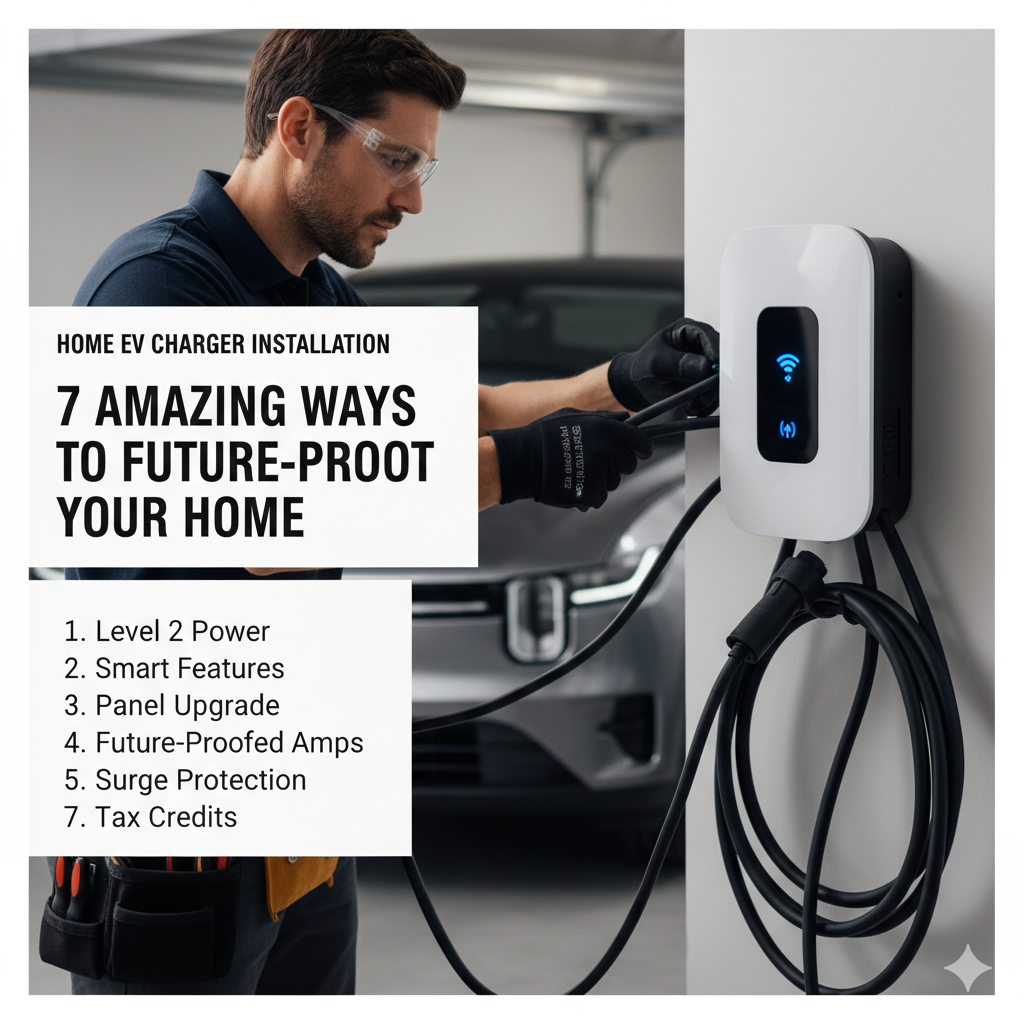
Home EV charger installation is one of the smartest upgrades for any electric vehicle owner who wants reliable, fast charging at home. Whether you’re looking to boost your property’s value or cut waiting time at public stations, a good installation will make all the difference. But before you call an electrician, you need to know the costs, technical details, and common pitfalls so your EV charging future is smooth and frustration-free.
Key Takeaways
- National average cost for Level 2 home EV charger installation ranges from $800 to $2,700 (including hardware, permits, and labor); costs can spike much higher for complex jobs or panel upgrades.
- Smart chargers offer Wi-Fi, scheduling, and energy monitoring, but cost more than basic wall units and may require stronger home connectivity.
- Eligibility for the federal 30% tax credit can reduce your installation outlay by up to $1,000; make sure to gather and save all receipts before applying.
- What Is Home EV Charger Installation and Why Do It?
- Step-by-Step Home EV Charger Installation Guide
- Advanced Analysis and Common Pitfalls
- Conclusion
- FAQ: Home EV Charger Installation
What Is Home EV Charger Installation and Why Do It?
Home EV charger installation means putting a dedicated charging station in your garage, driveway, or parking spot to safely charge your EV at convenient times. Unlike a slow standard outlet, a Level 2 (240V) charger adds 20 to 40 miles of range per charging hour, letting you fully recharge overnight. The cost usually includes the charging hardware, labor, wiring, permits, and sometimes panel upgrades.
Installing a home EV charger is about more than convenience. It can increase resale value, cut down on trips to public chargers, and even reduce your energy bills with smart charging schedules. But DIY is not advised—improper installation can create fire hazards or nullify warranties. For more on strategic upgrades, see our Complete Guide to Home Renovation.
Step-by-Step Home EV Charger Installation Guide
Planning ahead is crucial for a hassle-free installation. Here’s how to get it done right the first time, whether you own a detached house or live in a condo:
- Determine Charging Needs
Decide on Level 2 (240V) for faster charging. Check if your EV requires a specific connector (J1772, NACS). Review your driving habits and range anxiety. - Choose the Right Charger
Compare traditional wall units versus smart chargers. Leading models like Tesla Wall Connector, Wallbox Pulsar Plus, ChargePoint Home Flex, and JuiceBox each have unique features. Select a charger that’s compatible with your vehicle and budget. - Assess Electrical Capacity
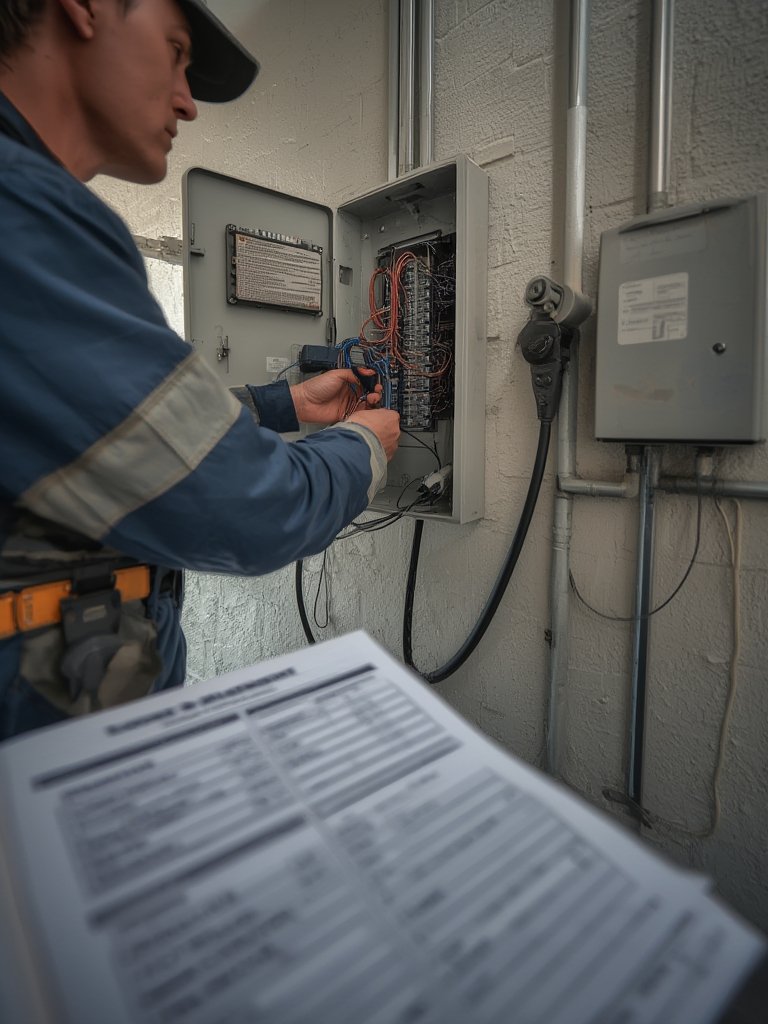
Consult a licensed electrician to check if your electrical panel can supply the extra amperage (typically 40A or 50A breakers). NEC Article 625 compliance is mandatory.
If your panel lacks capacity, prepare for a service upgrade cost of $500 to $2,500. - Gather Permits
Most municipalities require a permit and inspection for residential EV charger installation. Fees range $50 to $300. - Schedule Professional Installation
Have your electrician install, hardwire, and test the charger. Expect basic installation ($500 to $2,000), hardware ($300 to $1,200), and additional costs for complex conduit work or difficult access.
Apartment and attached home residents should coordinate with HOAs and property managers in advance. - Claim Federal Tax Credit
Collect hardware, labor, and permit receipts. Form 8911 provides up to 30% (max $1,000) back on your tax return when timing and requirements are met.
Don’t forget to check your utility company website—some offer additional rebates or time-of-use plans for overnight charging, reducing your power bills over time. Spending up-front on smart home infrastructure has long-term value, as covered in our home remodeling breakdown and contractor selection guide.
Advanced Analysis and Common Pitfalls
Even with good planning, homeowners hit common roadblocks during home EV charger installation. Here’s what to watch out for and a realistic breakdown of hardware and housing options:
Common Pitfalls and Problems
- Electrical panel can’t handle load: Many homes—especially those built before 1980—have panels that can’t supply another 40A device. Always get a professional assessment before purchasing a charger.
- Permit delays and inspection fails: DIY or hiring non-licensed installers may result in failed inspections or permit slowdowns, costing you extra time and headaches.
- Poor Wi-Fi coverage for smart chargers: Smart units need a strong wireless signal for app updates and scheduling. Weak garage Wi-Fi means you’ll lose features.
- Misjudging installation difficulty: Longer conduit runs, stucco/concrete walls, and no attic access can escalate labor costs quickly (up to $5,000+).
- Overlooking rebates or missing paperwork: Neglecting receipts, installer certificates, or filing deadlines can disqualify you from valuable incentives like the federal tax credit.
Cost and Functionality Comparison Table
| Feature | Traditional Wall Unit | Smart Charger |
|---|---|---|
| Typical Unit Price | $300-$700 | $600-$1,200 |
| Wi-Fi/App Scheduling | No | Yes |
| Energy Monitoring | No | Yes |
| Potential for Utility Rebates | Usually less | Usually more |
| Installation Complexity | Simpler | May require Wi-Fi booster |
| Overall Value for Most Households | Good if you need basic charging | Best if you want control, savings, monitoring |
Housing Type Installation Cost Comparison
- Detached house (Level 2): $1,400 average
- Attached house: $2,800
- Apartment: $4,100
- Panel upgrades: $500 to $2,500 extra in all cases
For more about adapting upgrades to specific housing types and making the most of your budget, read our articles on renovation financing and budget planning.
Rebates and Incentives
The federal 30% tax credit (source) refunds up to $1,000 of installation costs, including hardware and panel upgrades. You must install at your primary residence and keep documentation for tax filing. After incentives, many homeowners pay just $800 to $1,500 out of pocket (source, source).
Conclusion
Upgrading your charging game with a home EV charger installation saves you money, ensures convenience, and future-proofs your home for the growing electric vehicle market. While total costs and complexity vary by home and charger type, the right planning, professional help, and smart use of incentives will pay off. Ready for smoother, faster home charging? Think ahead, document every step, and invest in quality installation to get the most out of your home EV charger installation for years to come.
If you found this helpful, check out our advice on interior design upgrades and more homeowner tips across our site.
FAQ: Home EV Charger Installation
How much does a typical Level 2 home EV charger installation cost in 2024?
Expect to pay between $800 and $2,700 for a complete Level 2 charger installation, including hardware, labor, permits, and basic wiring. Costs rise for complex setups or if a panel upgrade is needed.
What is the difference between a smart charger and a regular wall unit?
Smart chargers offer Wi-Fi and app controls that let you monitor energy use and schedule charge times. Traditional wall units provide simple, reliable charging but lack advanced features.
Can I install a home EV charger in a condo or apartment?
Yes, but costs can run higher ($2,800 to $4,100) due to wiring distance, shared infrastructure, and the need for HOA or property management approval.
Are there any rebates or incentives for installing a home EV charger in 2024?
Yes, you can claim a federal tax credit of 30% (up to $1,000) for installation costs at your primary residence. Save all receipts and apply using IRS Form 8911.
Do I need a new electrical panel for a Level 2 charger?
If your current panel is full or can’t supply the extra amperage (typically 40A to 50A), you’ll need a panel upgrade which adds $500 to $2,500 to your total cost.