


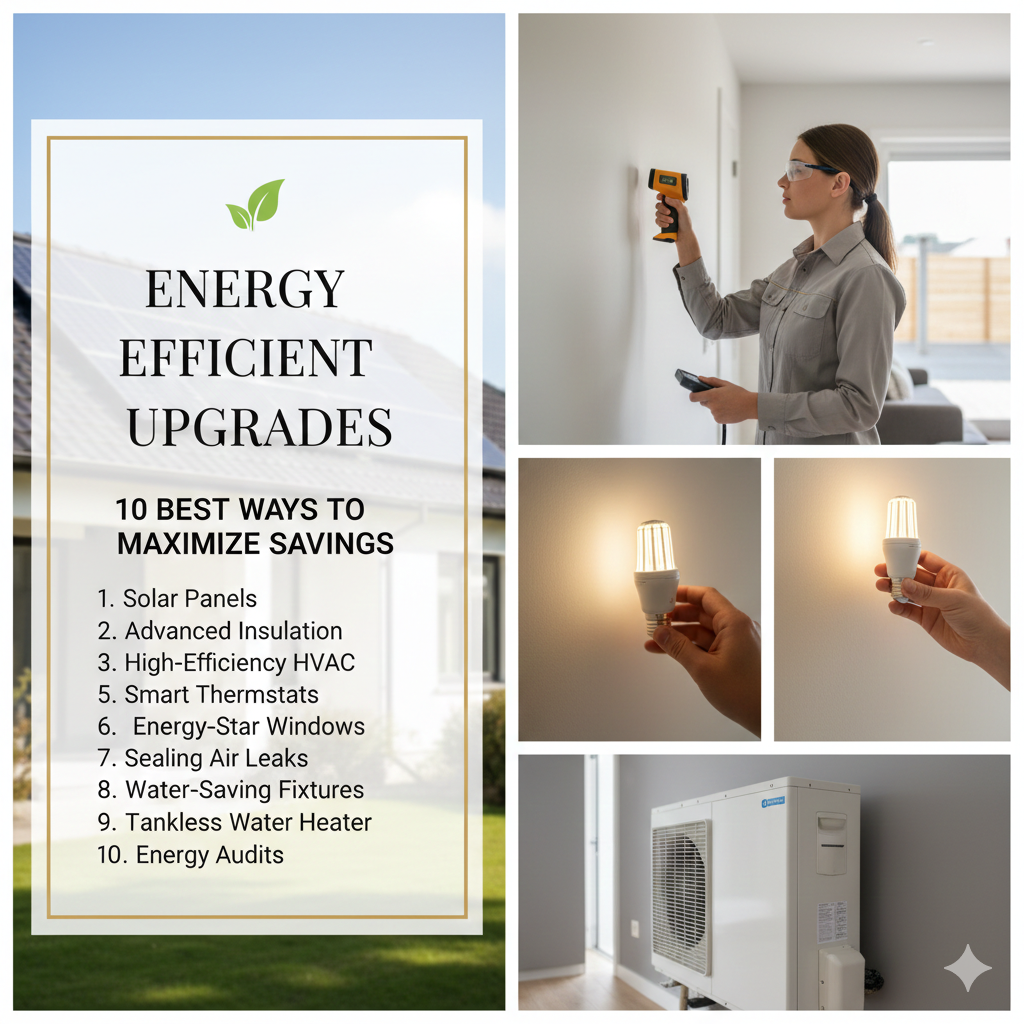
### Blog Post:
Energy efficient home upgrades are the smartest investments homeowners can make in 2024 to slash utility bills, boost comfort, and increase property value—if you carefully plan your approach. Done right, these improvements offer decades of returns, but going in blind leads to wasted money or headache. Here’s what the latest research really shows about costs, ROI, real-world obstacles, and how to prioritize what actually matters to your home and situation.
Key Takeaways
- Solar, insulation, high-efficiency HVAC, and LED lighting upgrades can pay for themselves—with long-term ROI ranging from 65% to 75% plus tens of thousands in utility savings.
- Real-world barriers include high up-front costs, complex incentive programs, coordination hassles, and information overload—so careful planning is essential.
- Biggest pitfalls: underestimating total costs, ignoring integration needs, and expecting every promised savings number to pan out for your situation.
- 1. The Core Concept
- 2. Step-by-Step Guide
- 3. Advanced Analysis & Common Pitfalls
- 4. Conclusion
- 5. FAQ Section
The Core Concept: What Are Energy Efficient Home Upgrades—And Why Should You Care?
Energy efficient home upgrades are targeted improvements like solar panels, advanced insulation, efficient windows, LED lighting, and modern heat pumps that dramatically reduce your home’s energy use and utility costs. In 2024, these upgrades don’t just save money—they’re increasingly demanded in home resale and may be essential for compliance with local laws and incentive programs. The big attraction: a one-time investment can pay out every month and make your home healthier, quieter, and more comfortable.

Most energy efficient home upgrades deliver returns two ways: ongoing utility bill savings and increased resale value. But costs, ROI, and eligibility for tax credits or local rebates vary by region, home age, and the specific projects you choose. Many upgrades—like new insulation or windows—also add comfort and reduce maintenance in ways that sometimes aren’t captured in dollars but make a noticeable difference year-round.
To get the biggest payoff, you need to sequence your upgrades wisely and factor in financing, technical pre-requisites (like electrical panel size), and the time and disruption involved. With energy codes tightening and buyers expecting eco-smart features, planning these projects isn’t just green—it’s good business.
Step-by-Step Guide: How to Plan and Execute High-ROI Energy Efficient Home Upgrades
Every successful energy efficiency upgrade starts with a clear goal: Are you trying to lower monthly bills, increase comfort, meet a building code, or boost resale? Use this guide to plan, budget, and implement your projects—without falling into the usual traps.
- Get a Home Energy Audit
Start with a professional energy assessment to pinpoint leaks, insulation issues, old HVAC, and bulbs or appliances draining power. Some audits (often subsidized!) will order improvements by payback period and even identify local rebates. - Prioritize by ROI and Disruption
Quick wins: LED lighting and smart thermostats offer the fastest, most reliable payback—often within a year. Next up: attic insulation and air sealing. Larger jobs like window replacement, solar panels, or HVAC conversion will bring bigger savings, but consider the cost, timeline, and your home’s current state.Related: See key ROI benchmarks for typical upgrades in this 2024 remodeling ROI analysis.
- Explore Incentives and Financing
Research federal tax credits (30% for solar, up to $600 for qualifying windows), plus state and local rebates. Many utilities offer on-bill financing or cashback for heat pumps and other electrification projects. For larger projects, look into HELOC, PACE, or renovation loans—see our complete guide to renovation loans and smart financing for stepwise options. - Address System Integration Needs Early
Check your home’s electrical capacity—adding heat pumps, solar, or electric vehicle charging may require a panel upgrade. In older homes, integrating modern heat pumps may also require insulation and air sealing first.Tip: If you’re considering EV charging, review our guide to future-proofing with home EV charger installation—panel upgrades pay off when you bundle energy projects.
- Plan for Installation and Disruption
Large jobs (window replacement, HVAC, solar) mean home access or downtime—plan for supervision, permits, and multiple trade visits. Leverage smart lighting or peel-and-stick tiles as interim upgrades (see tips on smart lighting setup or renter-friendly floor tiles for minimal-disruption improvements). - Track Performance and Maintenance
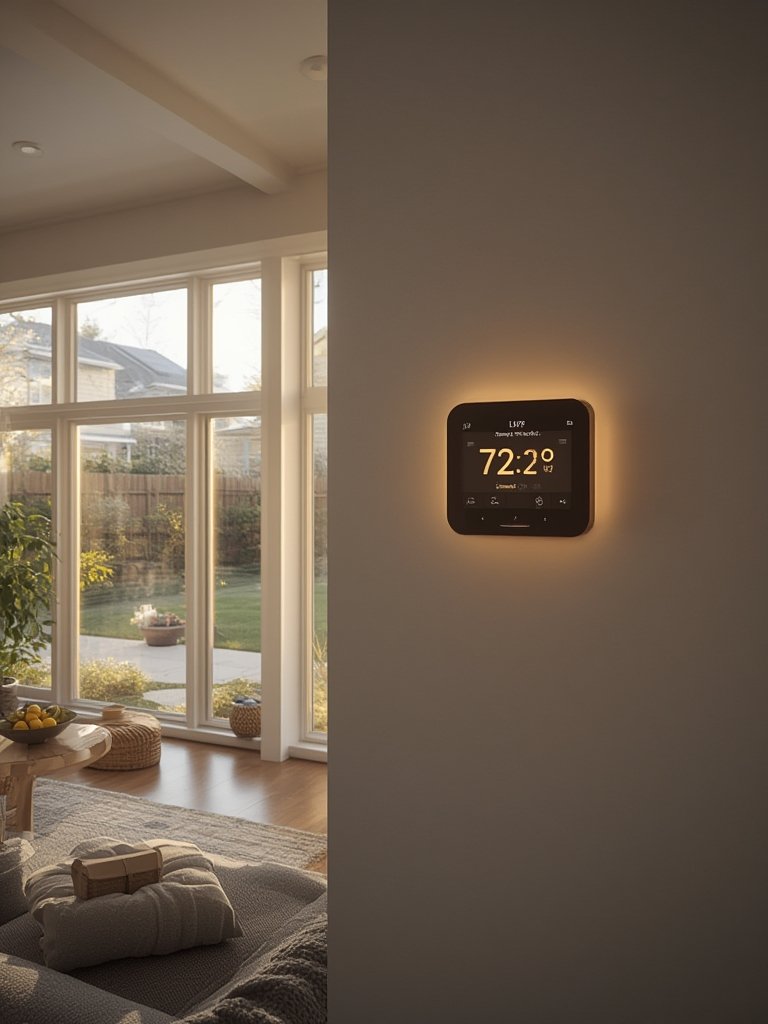
Once upgrades are installed, monitor energy use monthly. Some utility bills or online dashboards track real-time savings. Budget for occasional maintenance: inverter swaps, changing filters, or resealing windows.Tip: Upgrading to smart thermostats can drive ongoing efficiency. Check out our realistic cost/savings breakdown for smart thermostat installation.
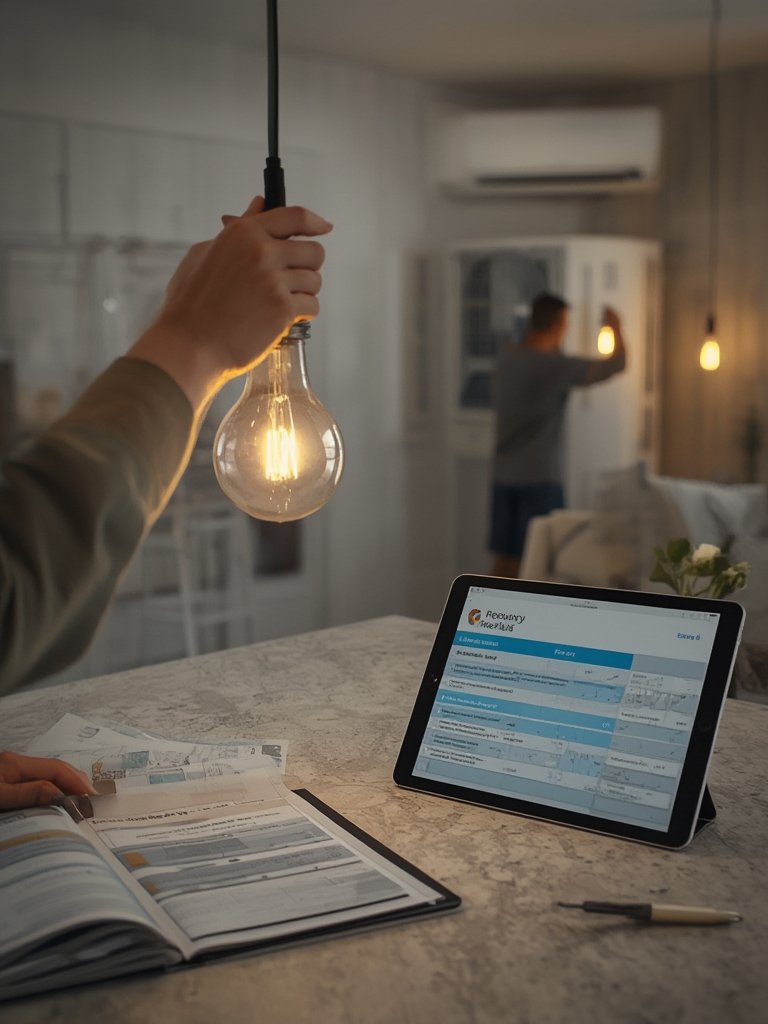
- Document Everything for Future Rebate or Resale
Save before/after photos, receipts, and specs—well-documented upgrades increase appraisal value and help future buyers understand the true cost and benefit of your investments.
Advanced Analysis & Common Pitfalls: Research-Backed Issues to Watch
Energy efficient home upgrades aren’t always straightforward. Realistic analysis means understanding what goes wrong—and how to avoid the traps that cost homeowners time or money. Here’s what the latest 2024 research and contractor feedback reveals about energy efficient home upgrades.
Underestimating Total Cost or ROI Variability
Average figures ($8,800–$12,500 for solar after credits) look great on paper, but actual install costs can jump higher in the Northeast or if your roof needs work. The same applies for window or HVAC upgrades in historic or complex homes. ROI can dip below 55% if energy efficient home upgrades are implemented in areas where energy prices are already low or incentives are limited, which is a common pitfall in planning energy efficient home upgrades.Not Sequencing Upgrades Correctly
Adding a heat pump without insulating first leads to disappointing savings. Installing solar before tackling major drafts means you’ll oversize your system. A coordinated approach is essential when planning energy efficient home upgrades, as proper sequencing dramatically improves the results of energy efficient home upgrades.Missing Out on Incentives or Financing
Homeowners often struggle to parse incentive rules. Mistakes in timing, paperwork, or eligibility can mean losing a $6,000 solar credit or $600 window rebate. Financing mistakes (high-interest loans, mistimed PACE loans) can also eat into the benefits of energy efficient home upgrades, turning otherwise smart energy efficient home upgrades into costly decisions.Ignoring Technical Integration Limits
Electrical panel upgrades may be required for heat pumps, EV chargers, or induction ranges—these can add $2,000–$5,000 if not planned upfront. Smart panels help, but not all contractors offer them, and retrofits can be costly. These hidden constraints often undermine the performance of energy efficient home upgrades.Maintenance and Degradation Blind Spots
Solar panels need inverter replacement every 12–20 years (costs can be $2,000+). Poor-quality window seals fail within a decade. HVAC units and heat pump compressors also require regular maintenance. Long-term savings from energy efficient home upgrades depend on planning for these periodic investments.Skepticism and Resale Confusion
Real-estate markets and buyers assign value inconsistently to green features. One neighborhood may offer higher resale premiums for solar or triple-pane windows, while another lags. This uncertainty affects how homeowners evaluate energy efficient home upgrades when considering long-term resale value
| Upgrade | Typical Upfront Cost (2024) | ROI (Resale Only) | Payback Timeline | Known Pitfalls |
|---|---|---|---|---|
| LED Lighting | $2–$5 per bulb / few hundred total | Immediate bill impact, no resale bump | <1–2 years | DIY confusion, mismatched color temperature, missing rebates |
| Attic Insulation + Air Sealing | $2,500–$3,000 | 65–75% | 3–7 years | Poor install quality, ignoring ventilation, not sealing air leaks |
| Energy-Efficient Windows (Vinyl) | $20,000–$21,264 | 67–71% | 10–20+ years (energy) | Improper install, condensation issues, claim delay on rebates |
| Solar Panels (5kW) | $8,800–$12,500 after credit | 55–68% (resale), $15K–$35K bill savings | 7–9 years | Roof repairs/additional costs, inverter replacement not budgeted |
| Heat Pump HVAC | $9,500–$18,800 (varies by region/scale) | 66–72% | 7–12 years | Needs insulation first, panel capacity, installer experience |
Want more details on cost breakdowns and technical requirements? See this expert deep-dive into high-ROI home upgrades and this regional home renovation ROI report.
Conclusion
Energy efficient home upgrades in 2024 are a proven pathway to lower bills, greater comfort, and higher home value—if you plan, prioritize, and navigate the real-world challenges. The focus keyword is not just buzz: energy efficient home upgrades drive tangible results when you align the right improvements to your home’s needs, budget, and timeline.
Ready to take the next steps? Start with a professional audit, explore local incentives, and use our step-by-step playbook above to stack the odds in your favor. For deeper renovation planning, dive into our Complete Guide to Home Renovation, or grab quick wins from our shortlist of high-ROI smart upgrades referenced throughout this post.
FAQ Section
What’s the single best upgrade to start with for fast savings?
LED lighting and smart thermostats are typically the quickest upgrades to produce real bill savings, with payback often under a year and little disruption. They’re simple, affordable, and offer big impact for the cost.
Do I need to upgrade my electrical panel for solar or a heat pump?
Maybe. Many older homes will need a service panel upgrade to safely add a modern heat pump or solar array, especially if you add EV charging. Always have an electrician assess your home’s capacity first.
How do the new 2024 incentives work for windows and solar?
The federal solar tax credit covers 30% of your system cost, reducing net costs to $8,800–$12,500 for a 5kW system. Energy Star windows may qualify for a $600 tax credit. Some state and local programs add rebates, but you must apply promptly and keep paperwork for proof.
Will my home’s resale value really increase if I upgrade?
Most data shows a resale “green premium”—often 4% or higher for solar, and 65–75% ROI on windows or insulation. Local market preferences and how you document upgrades will influence the final added value.
What’s a realistic timeline for breaking even on major upgrades?
Solar and heat pump systems typically reach breakeven in 7–12 years, while windows may take much longer (10–20 years) based on energy savings alone, but shorter if you include resale value. Insulation and LED lighting pay for themselves far faster.
—